
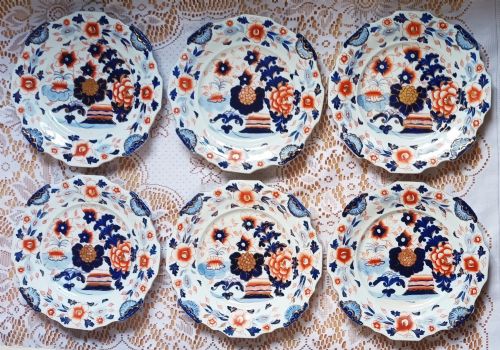


Antique Masons Ceramics
Antique masons ceramics bring durable utility and vivid decorative schemes to interior settings through robust nineteenth-century ironstone bodies.
Antique Masons Ceramics
When you search for antique masons ceramics, you encounter robust objects designed for both display and heavy domestic service during the nineteenth century. The selection spans periods from the Georgian and Regency eras through the Victorian and Edwardian decades, capturing shifting tastes in British ceramics.
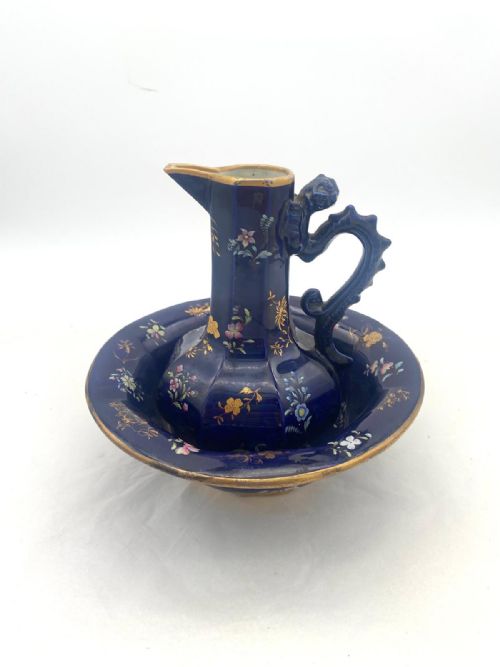
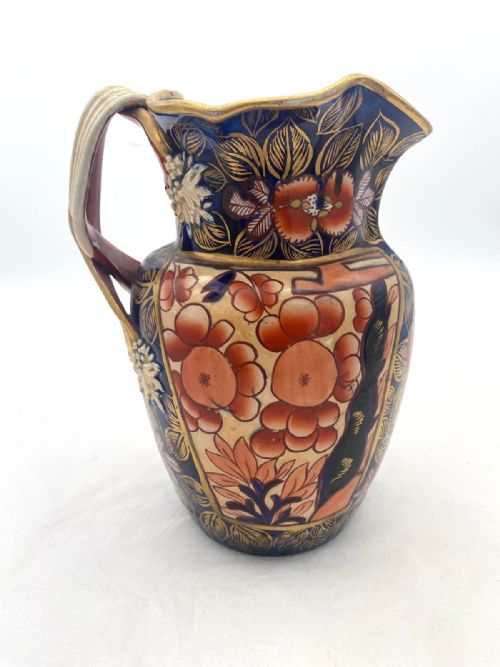
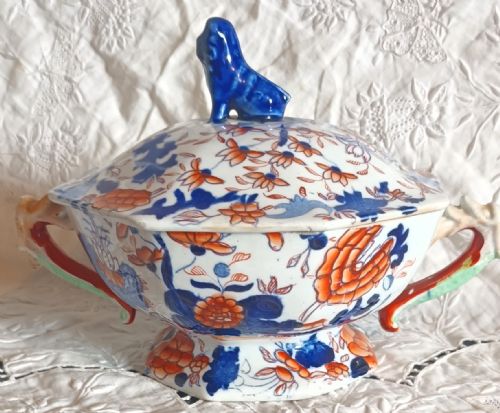
Domestic forms dominate the offerings, with various jugs, tureens, comports, and plates appearing frequently. Jugs include the distinctive hydra pattern alongside mazarine and schoolhouse designs, while tableware encompasses soup bowls, chargers, and complete basin sets.
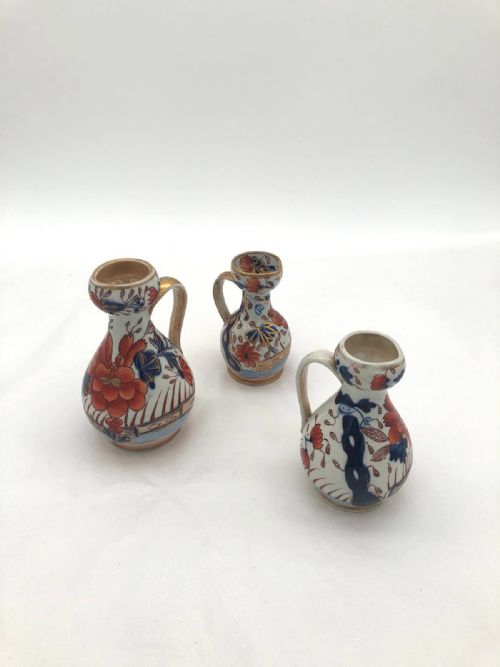
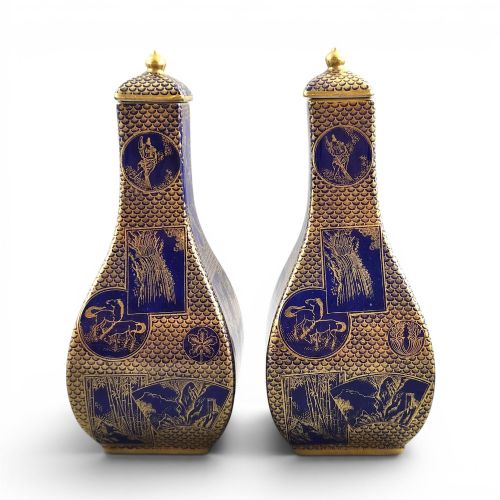
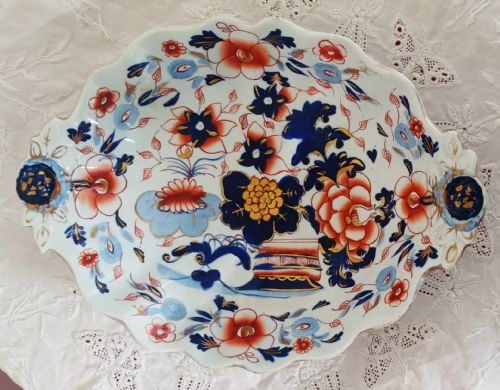
The decorative vocabulary heavily favours oriental-inspired motifs, featuring Chinoiserie scenes, Japan patterns, and Imari palettes alongside bird and peony compositions. Pieces range from small posy vases and porringers to large hall vases and lidded containers.
Materials and production
Makers utilised ironstone ceramic bodies, a dense and durable material that resisted chipping better than standard earthenware while providing a smooth surface for complex pigments. This durable matrix allowed pieces to survive utilitarian tasks like holding water in jug and basin sets or serving hot food from tureens.
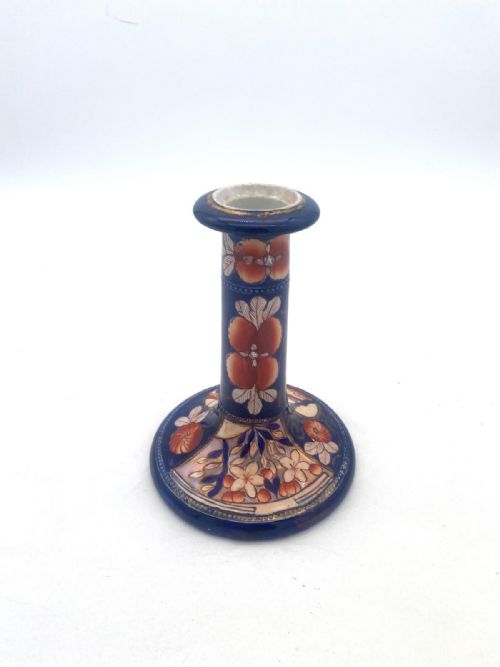
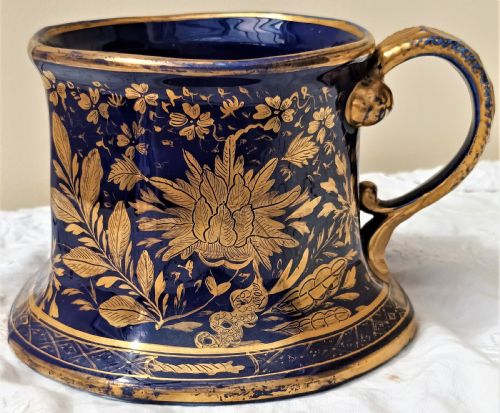
Decoration relied on applied enamel, cobalt blue grounds, and transfer-printed or hand-painted motifs finished with gold leaf, gilding, and glaze. Artisans combined these techniques to create dense patterns such as red scale, bandana designs, and exotic bird illustrations.
Materials documented across the inventory include ironstone ceramic, enamel, gold leaf, glaze, and gilding.
Assessing quality
Quality rests in the crispness of the moulding and the ambition of the form, particularly on complex pieces like hydra jugs with grotesque handles or multi-tiered tureens. Sharp definition in relief-moulded serpents, dragons, and floral elements separates standard production from superior examples.
The sophistication of the palette and the precision of the hand-applied enamel and gilding dictate the upper tier of the range. Rich mazarine blue grounds, deep orange scales, and carefully layered gold leaf demonstrate superior workshop execution.
C.J. Mason·Miles Mason
The Antique Masons Ceramics Glossary
- Ironstone
- A dense, feldspathic ceramic patented in the nineteenth century to provide a durable alternative to porcelain. It forms the heavy, resilient body of nearly all pieces in this category.
- Hydra jug
- A vessel featuring a distinctive serpentine handle shaped like the mythological beast, often paired with an octagonal or flared rim. These jugs appear frequently in graduated sets.
- Chinoiserie
- A decorative style reflecting European interpretations of Chinese and East Asian art. It manifests in landscapes, fences, doves, and exotic birds across plates and vases.
- Comport
- A raised decorative dish or bowl used for serving fruit or dessert. These footed vessels elevate table settings and display detailed transfer or hand-painted patterns.
- Mazarine
- A deep, rich cobalt blue ground colour applied to the ceramic body. It provides a striking backdrop for gilt highlights and polychrome motifs.
Antique Masons Ceramics: Frequently Asked Questions
What is ironstone ceramic?
Ironstone is a heavy, durable ceramic material patented in the nineteenth century to withstand daily use while mimicking the appearance of fine porcelain.
Its dense composition allowed makers to produce robust jugs, tureens, and plates that survived centuries of domestic service.
How were hydra jugs used?
Hydra jugs served primarily for pouring water, milk, or other liquids at the dining table during the Georgian and Victorian periods.
Their distinctive serpentine handles provided a secure grip while adding a sculptural element to the table.
What is Chinoiserie decoration?
Chinoiserie is a decorative style inspired by European interpretations of East Asian art, featuring fantastical landscapes, birds, and architectural motifs.
Ceramics decorated in this style often display vibrant enamels and intricate gold leaf accents against white or coloured grounds.
How do I care for antique ceramics?
These robust ironstone pieces require only gentle hand washing with mild soap and warm water to protect their historic glazes and gilding.
Avoid using dishwashers or abrasive cleaners, which can dull the enamel colours and wear away the gold leaf.