


Antique Marquetry Frame
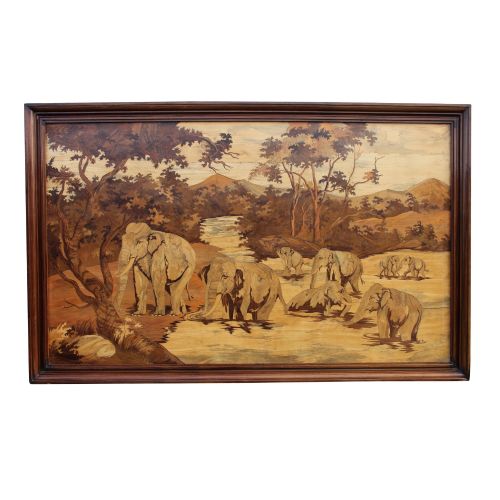
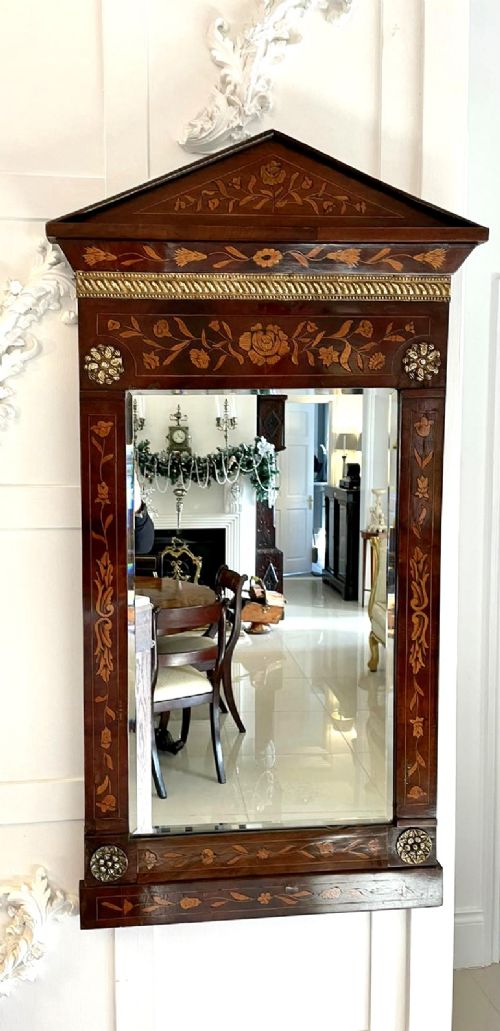
An antique marquetry frame surrounds a mirror or panel with contrasting wood veneers, bringing patterned depth and historical character to a room.
Antique Marquetry Frame
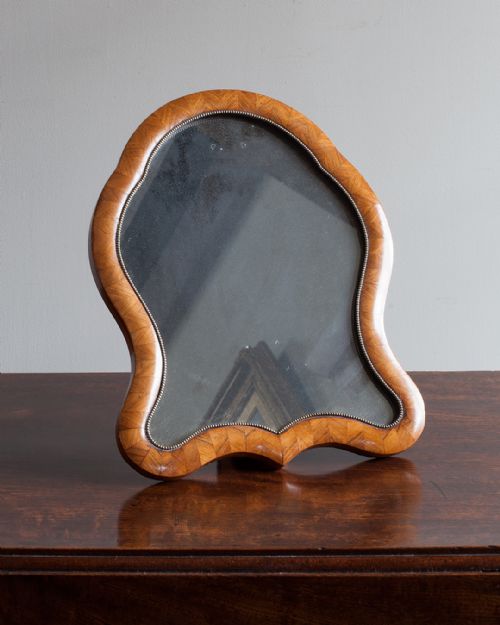
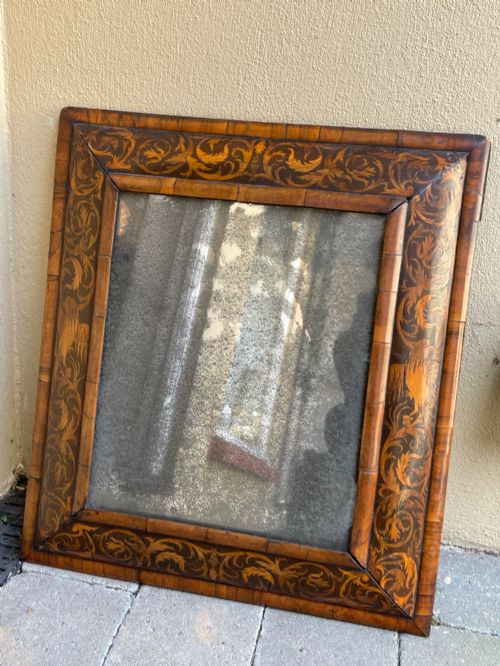
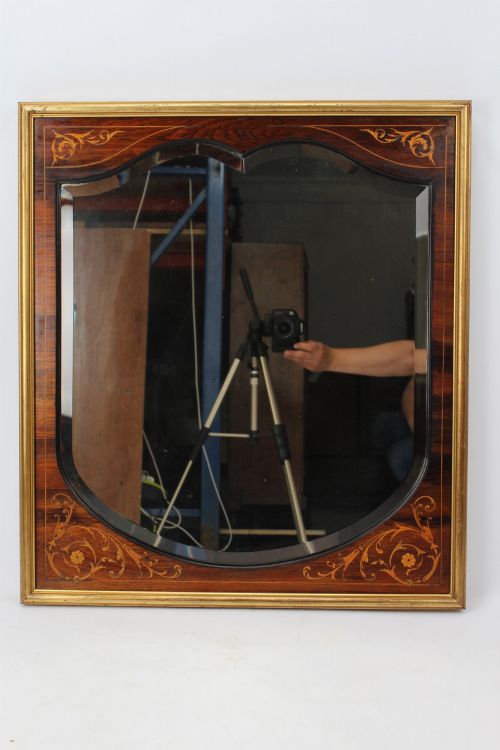
An antique marquetry frame is typically encountered on wall mirrors, overmantel mirrors, and decorative wall panels dating from the Victorian and Edwardian periods, alongside earlier William and Mary examples. These pieces display intricate veneer work assembled from various timbers to create pictorial or geometric designs.
Makers utilised contrasting woods such as walnut, mahogany, satinwood, and rosewood, often enhanced with boxwood or bone inlay. The resulting borders frame either reflective glass or artistic panels intended for display in principal reception rooms.
Materials and construction methods
Craftsmen shaped thin veneers of walnut, mahogany, and exotic timbers, cutting them precisely against paper templates to form complex floral or geometric patterns. These decorative veneers were then glued to a stable structural carcass using animal protein glues.
Detailing often included fine stringing in boxwood or contrasting metal wire, while certain regional pieces incorporated bone inlay or mother-of-pearl to heighten tonal contrast within the wooden field.
Materials appearing in these frames range from traditional boxwood stringing to unexpected additions like bone inlay and metal wire.
Distinctions in quality
Quality in these pieces rests upon the precision of the veneer fit and the artistic harmony of the timber selection. Finer examples display tight, seamless joints between contrasting woods where individual pieces of veneer meet without visible filler.
The depth and complexity of the marquetry design further separate standard production from superior work. Superior frames integrate varied grain directions and natural colour shifts in walnut, satinwood, or rosewood to create three-dimensional pictorial effects.
The Antique Marquetry Frame Glossary
- Marquetry
- Decorative veneer work cut and fitted together to form pictures or geometric patterns on a wooden surface. It differs from inlay by covering the entire foundational surface rather than resting within hollowed recesses.
- Veneer
- A thin slice of figured timber applied to a secondary wood foundation. High-grade veneers reveal complex grain patterns like burr walnut or figured mahogany.
- Stringing
- A narrow strip of contrasting wood inlaid into a channel to form a thin decorative border. It frequently outlines panels on Edwardian and Victorian furniture.
- Cushion moulding
- A rounded, convex architectural moulding profile resembling a stuffed cushion. This form appears on seventeenth-century and revival frames.
- Satinwood
- A durable, lustrous timber with a yellow sheen used extensively in Sheraton Revival and Edwardian marquetry work.
Antique Marquetry Frame: Frequently Asked Questions
How do I hang a heavy marquetry mirror safely?
Heavy wall mirrors require secure fixings anchored directly into wall studs or solid masonry using appropriate weight-rated brackets. The weight of the timber frame and glass demands robust support to prevent pulling away from the wall over time.
Position the mirror at eye level where fluctuating moisture levels in kitchens or bathrooms will not compromise the wooden veneers and antique glass backing.
How should I clean antique wood veneers?
Dust timber surfaces regularly with a soft, dry cloth to prevent particulate accumulation in the veneer crevices. Avoid modern silicone sprays or wet cloths that penetrate microscopic cracks in the aged polish.
Apply a microcrystalline wax sparingly once or twice a year to nourish the wood and maintain a protective barrier against atmospheric humidity changes.
Can I place a marquetry frame in direct sunlight?
Direct sunlight causes delicate dyed veneers and natural hardwoods like rosewood and mahogany to fade unevenly over time. Ultraviolet rays break down historic polish and alter the subtle tonal contrasts between light boxwood and dark walnut elements.
Position these pieces on interior walls away from south-facing windows to preserve the original colouration of the marquetry design.