

Vintage Inlaid Glass
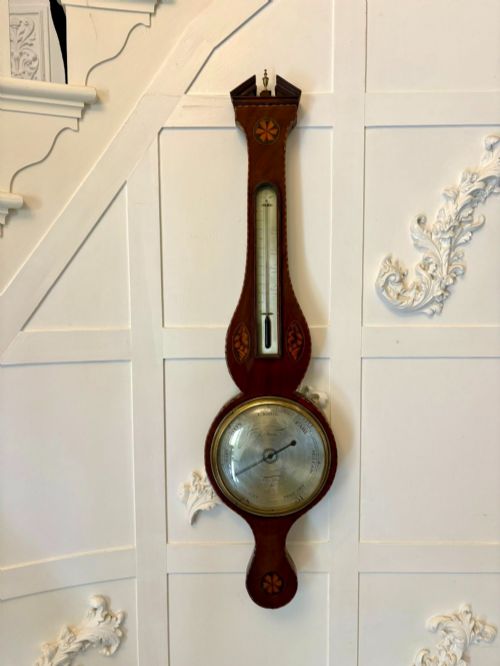
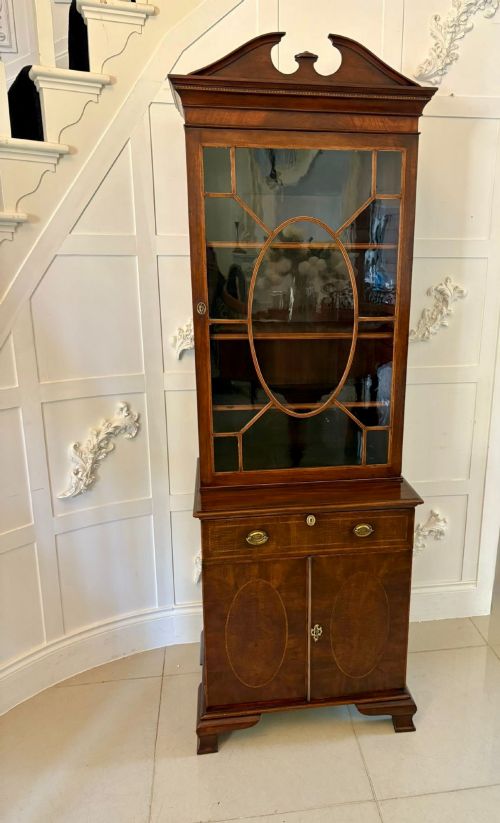
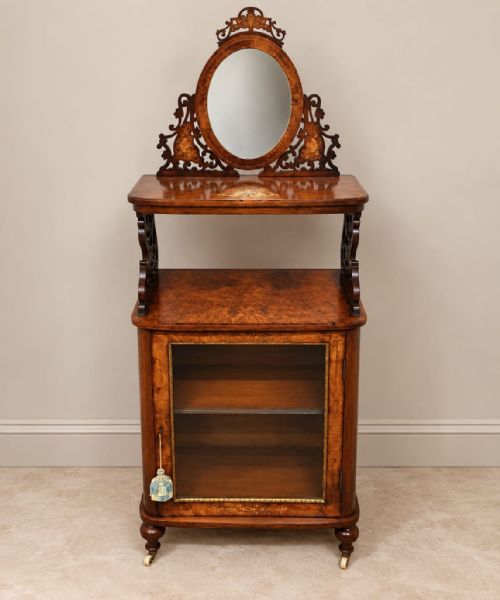
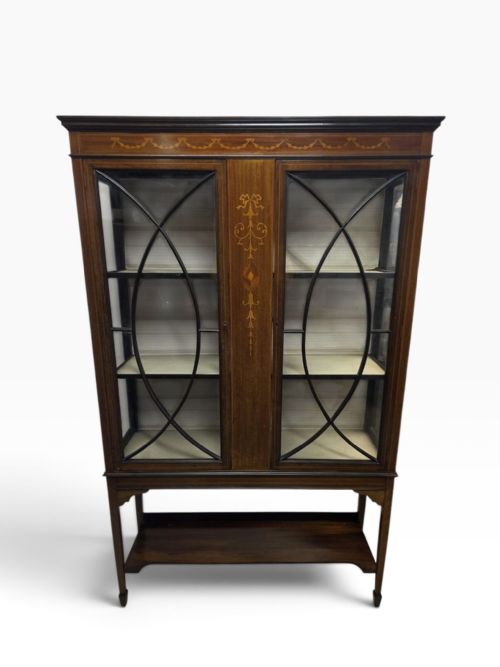
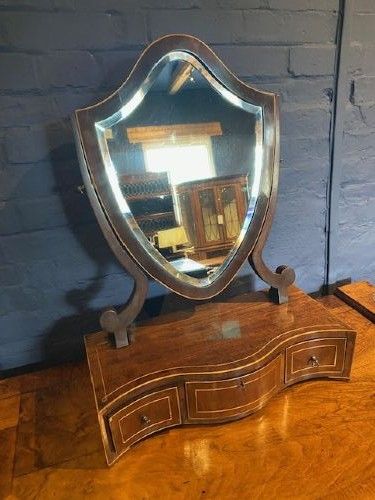
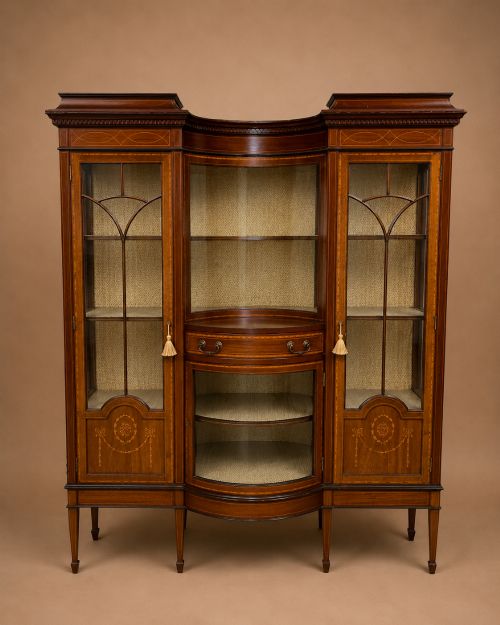
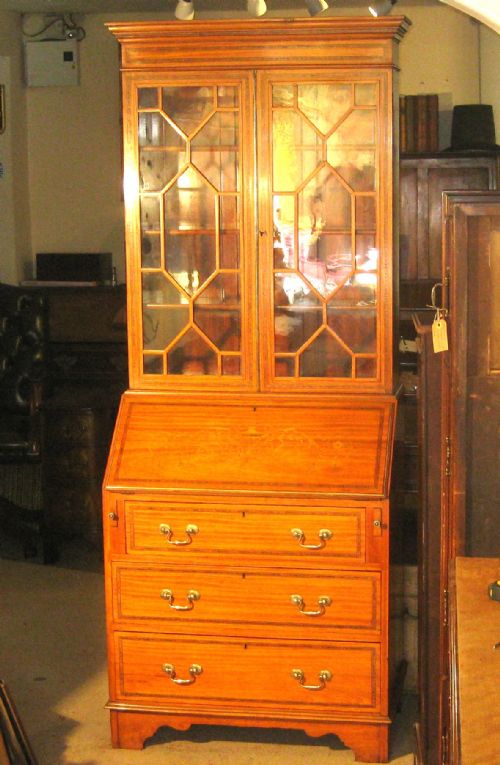
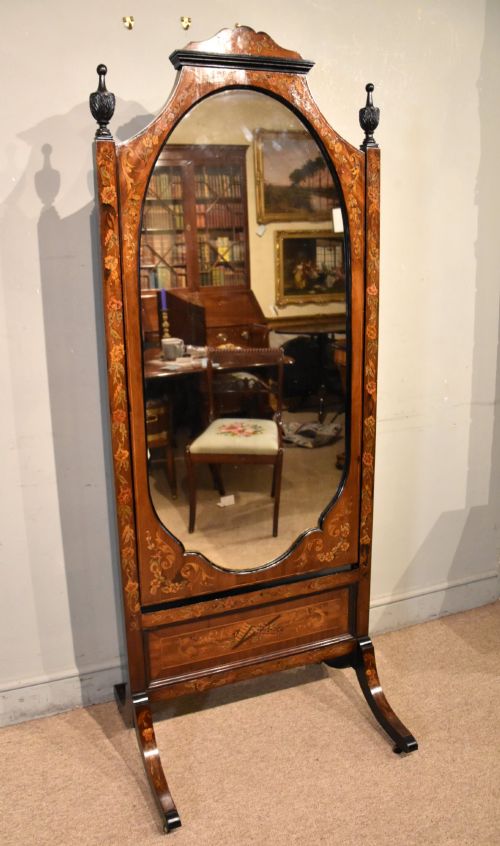
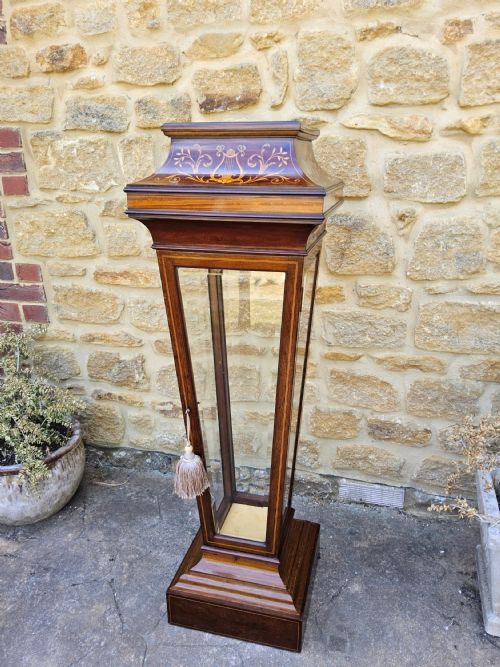
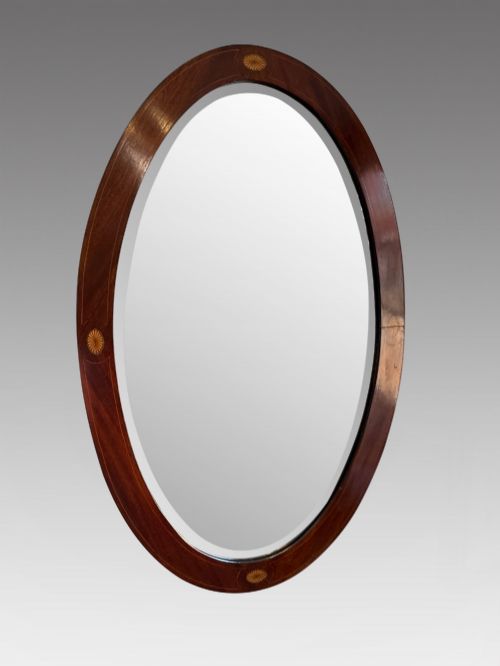
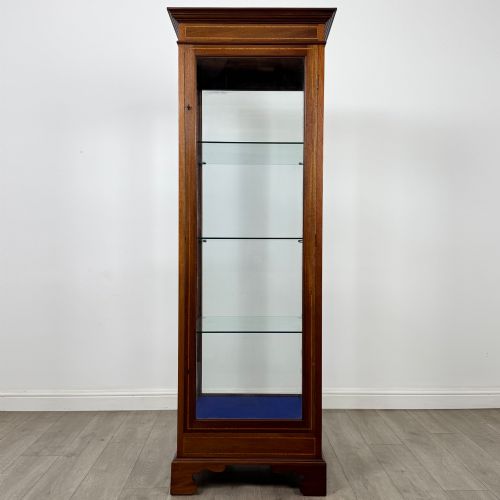
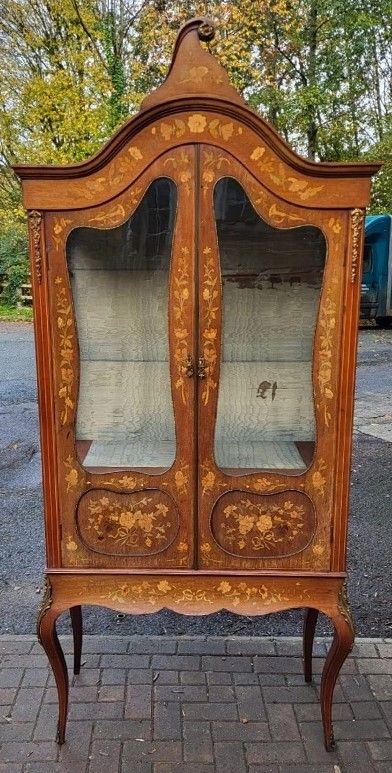
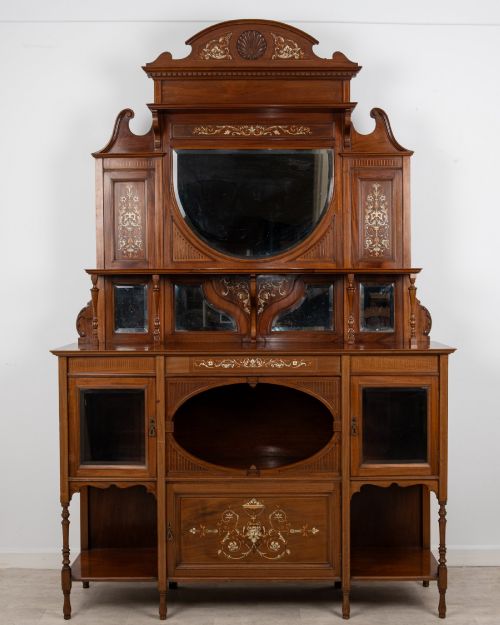
These pieces of vintage inlaid glass combine timber frames with decorative mirror plates and glazed doors.
Vintage Inlaid Glass
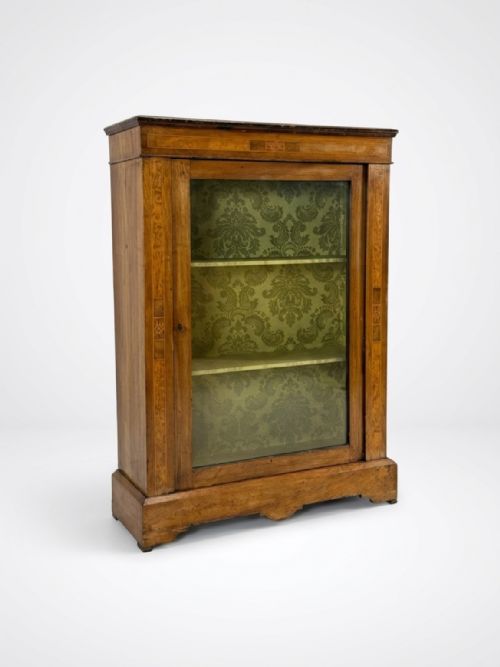
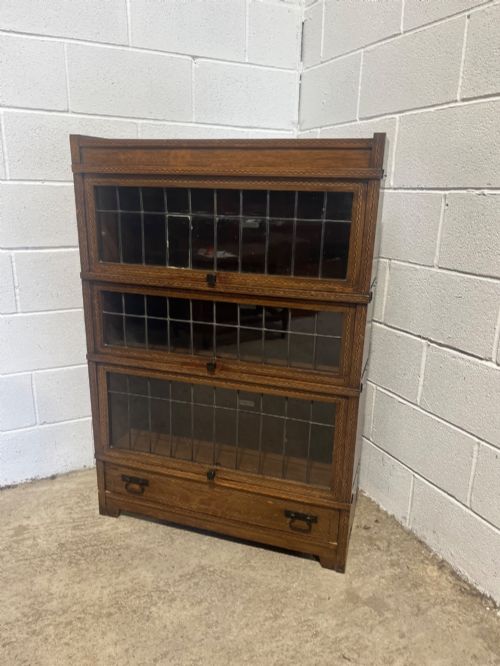
When you search for vintage inlaid glass, you encounter functional household furniture and fittings incorporating glazed panels or mirror glass. These objects range across display cabinets, bookcases, and mirrors from the Victorian, Edwardian, and nineteenth-century periods.
The most common forms on this page are Edwardian and Victorian display cabinets, alongside wall mirrors and barometers. Cabinetry usually employs mahogany or satinwood paired with glass doors to showcase contents while protecting them from dust.
Makers and cabinetmakers built these items in styles reflecting Sheraton Revival, Arts and Crafts, and Dutch Neo-Classical traditions. The integration of glass with wood inlay defines the visual character of the group.
Materials and construction
Makers constructed the structural frames primarily using mahogany, satinwood, and walnut, often applying contrasting wood inlay or floral marquetry. Glass was then fitted into doors, overmantels, and dressing mirrors.
Glazed elements appear alongside bevelled mirror plates, brass hardware, and occasionally cut crystal decanters. Timber carcases provide the rigidity required to support heavy glass panels and mirrored backs.
Listings feature items from the Edwardian period and the nineteenth century, utilising glass, mahogany, brass, and satinwood inlay.
Distinctions in quality
Quality rests in the crispness of the wood inlay, the selection of timber veneers such as burr walnut or figured satinwood, and the clarity of the glass. Superior pieces exhibit precise marquetry and well-fitted glazed doors.
Construction methods also separate standard items from finer works, visible in the dovetailing of drawers, the stability of mirror frames, and the quality of brass fittings.
Maple & Co.·B. Besozzi of Weymouth
The Vintage Inlaid Glass Glossary
- Marquetry
- Decorative veneer work forming pictures or geometric patterns using various woods. Craftsmen assemble thin slices of timber to ornament cabinet doors and table surfaces.
- Sheraton Revival
- A late nineteenth-century design style inspired by eighteenth-century cabinetmaker Thomas Sheraton. It utilises light timbers, satinwood, and delicate inlay.
- Display Cabinet
- A glazed piece of furniture designed to exhibit porcelain, glassware, or books. Doors feature glass panels supported by wooden framing.
- Tantalus
- A locking wooden stand holding decanters with visible glass bodies. The frame prevents access to the liquor while displaying the crystal bottles.
- Cheval Mirror
- A full-length freestanding mirror mounted on a pivoting frame. The glass swings between vertical posts attached to floor feet.
Vintage Inlaid Glass: Frequently Asked Questions
What periods do these pieces come from?
The items originate mainly from the Victorian and Edwardian eras, spanning the nineteenth and early twentieth centuries. Styles reflect historical revivals popular during those decades.
Dates recorded in listings include nineteenth-century variations alongside specific years around nineteen hundred.
How do I clean vintage mirror glass?
Wipe mirror plates gently with a soft microfibre cloth slightly dampened with water or mild glass cleaner. Avoid spraying liquid directly onto the glass edge where moisture can seep behind the silvering.
Dry the surface immediately to prevent streaks and protect the surrounding wooden frame from dampness.
Where were display cabinets placed originally?
These cabinets sat in principal reception rooms such as drawing rooms and dining rooms to display porcelain and silverware. Their glazed doors kept dust away from valued possessions.
Later variations served similar decorative and storage roles in hallways and studies.
What is satinwood inlay?
Satinwood inlay involves setting pale, glossy satinwood veneers into contrasting darker timbers like mahogany. This technique creates borders, banding, and floral motifs.
Cabinetmakers used this contrast to highlight the geometry of doors and tabletops.