



Antique Marble Washstand
An antique marble washstand brings solid period timber and cool stone together for practical bedroom use.
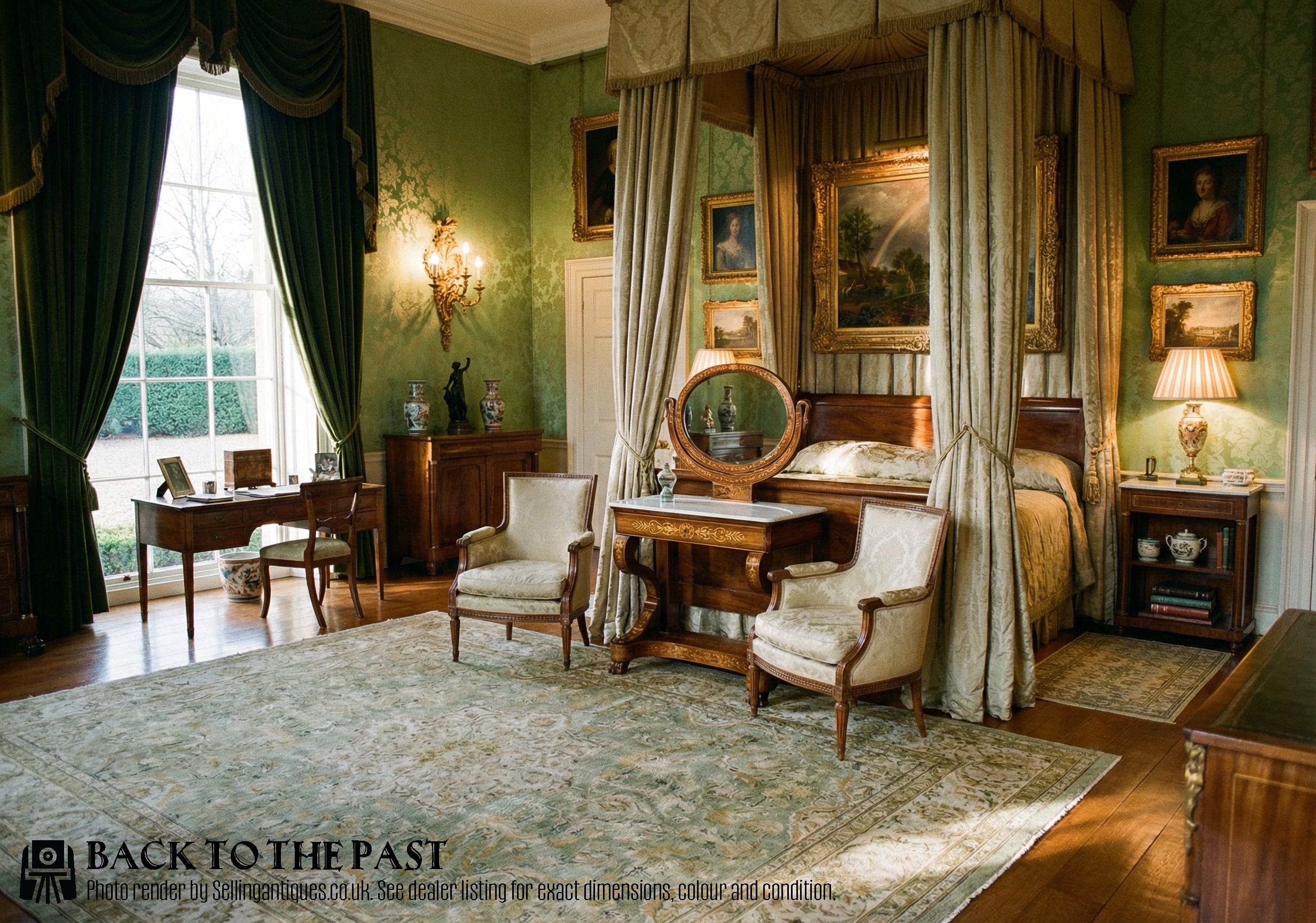
What an antique marble washstand is
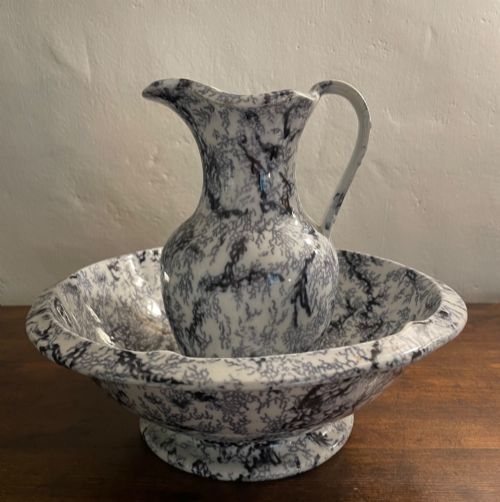
An antique marble washstand is a functional bedroom item designed to hold basins and jugs before plumbed bathrooms became standard. These pieces combine a heavy stone surface with timber frames, offering a sturdy ledge that withstands water splashes.
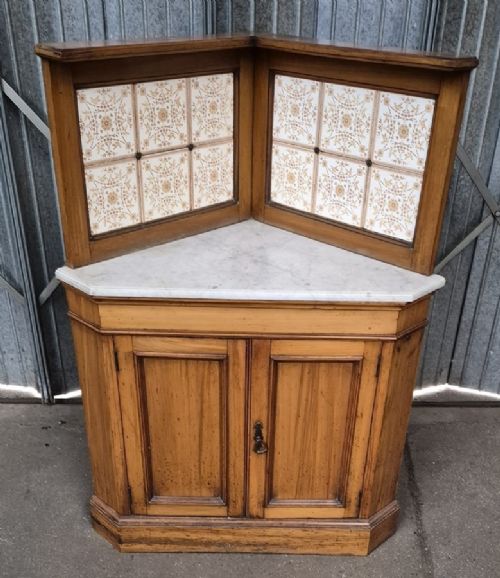
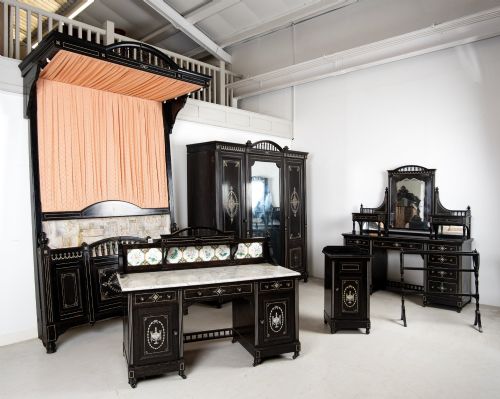
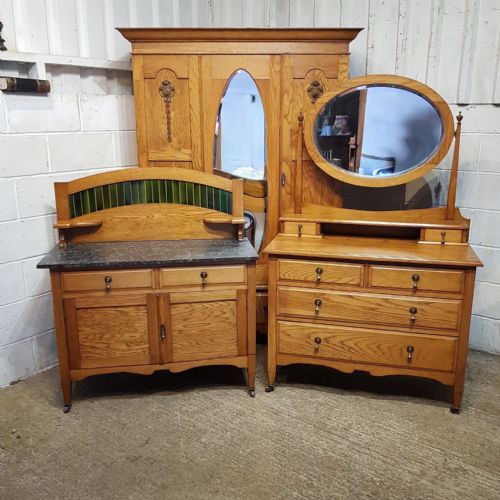
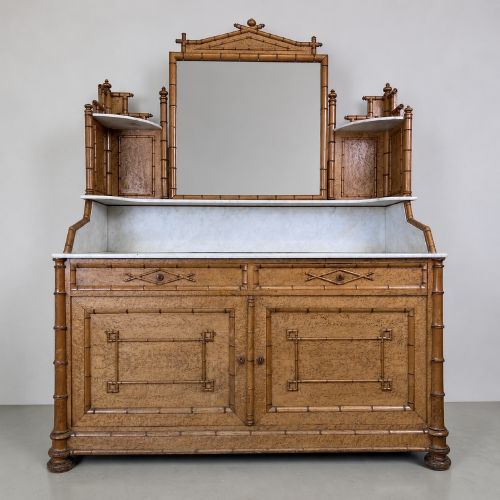
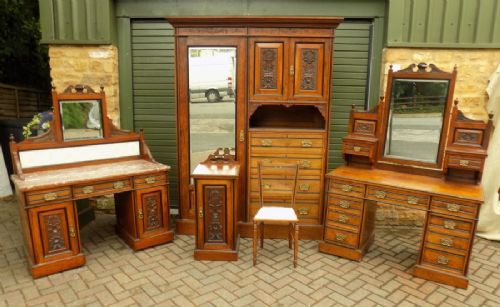
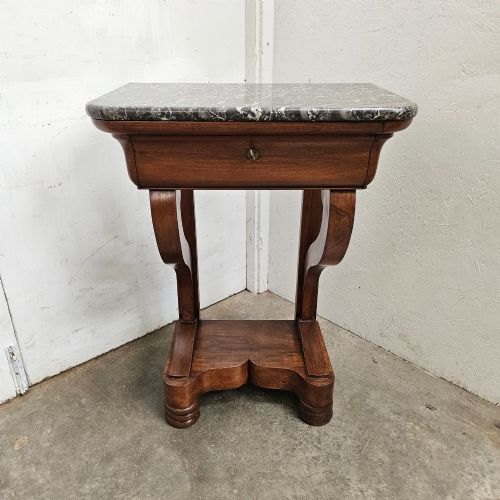
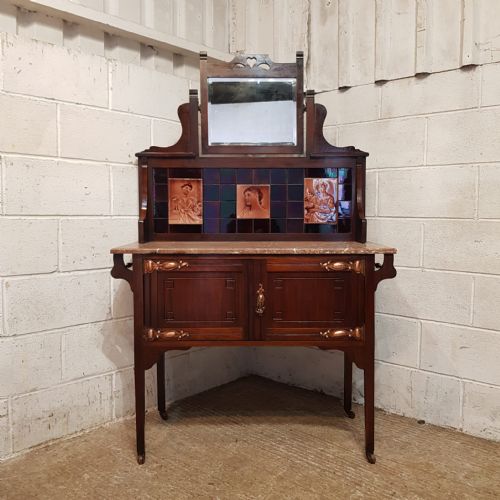
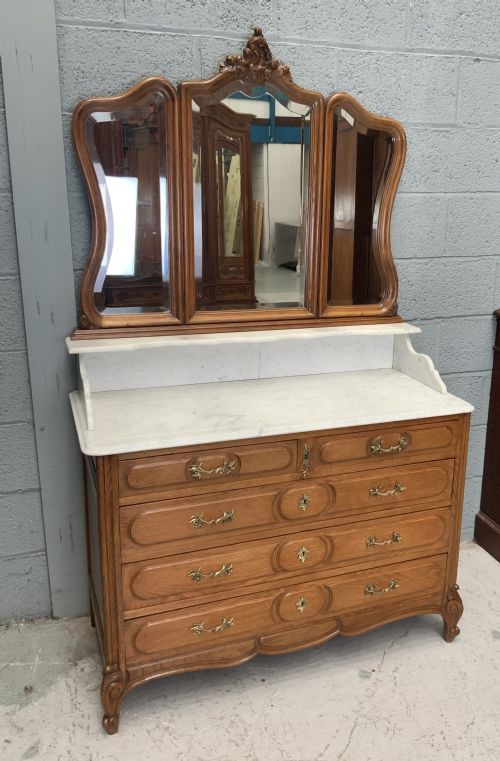
The versions most common on this page date from the nineteenth and early twentieth centuries, spanning Victorian, Edwardian, and Aesthetic Movement designs. They frequently appear in mahogany, walnut, oak, and pine, often incorporating tiled backs or mirrored splashbacks.
Buyers select these items for domestic use as washbasins, side tables, or hallway furniture, appreciating the contrast between polished stone tops and warm wood bases.
How they were made
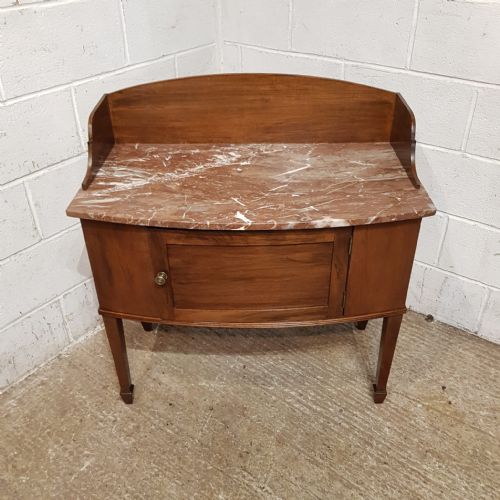
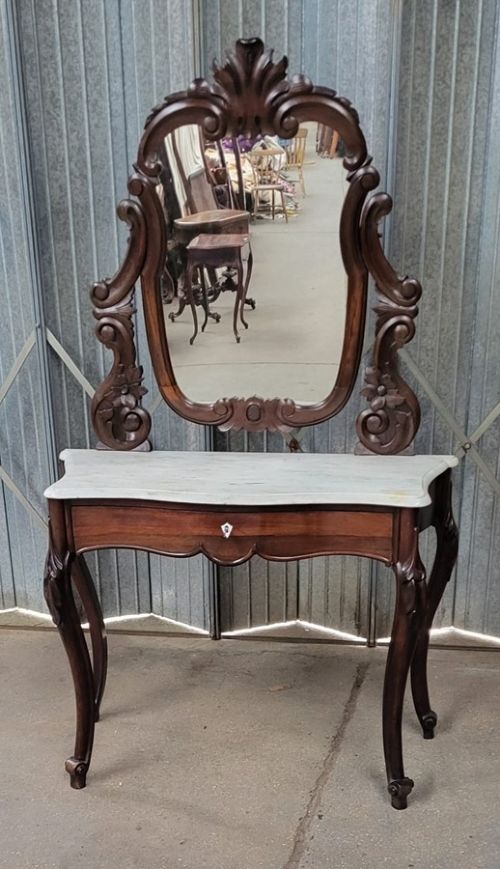
Cabinetmakers constructed the wooden frames of these washstands using timber such as mahogany, walnut, rosewood, satinwood, oak, and pine, sometimes adding inlay, marquetry, or ebonised details. The stonemasons fitted heavy slabs of marble to the top surfaces, creating a durable counter resistant to moisture.
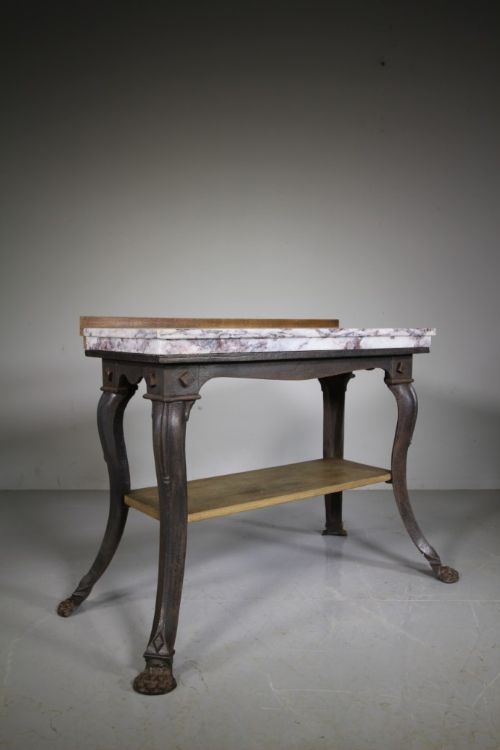
Many examples integrate additional materials including ceramic tiles along the splashback, brass hardware, glass elements, and metal fittings. Structural joinery varied from straightforward pine framing to intricate figured walnut cabinetry with cupboards and lower shelves.
Retail Price Guide 2026
Typical UK retail prices for marble washstand, calculated from the Sellingantiques database of over a million retail prices indexed since 2003. This retail price guide relies exclusively on Sellingantiques data; no external sources or auction records are used, so the figures do not describe the wider market.
Some washstands hide tiny mirrors behind folding panels, ready for early morning Victorian vanity checks.
What varies in quality
The standard of an antique marble washstand rests on the choice of timber and the thickness and figure of the marble slab. Finely figured walnut, rosewood, or marquetry inlay indicate higher workshops, whereas simple pine and straightforward mahogany represent more utilitarian domestic production.
Construction detail separates simpler washstands from exceptional cabinets. The presence of integrated cupboards, original brass hardware, decorative ceramic tiles, and well-executed joinery elevates the piece from basic utility furniture to accomplished cabinet work.
Shanks and Co
The Antique Marble Washstand Glossary
- Marble
- A metamorphic rock prized for its smooth surface and decorative veining, utilised across these tabletops to provide a waterproof working area.
- Marquetry
- The art of applying pieces of veneer to a structure to form decorative patterns, seen on select walnut and mahogany cabinet bodies.
- Aesthetic Movement
- A late nineteenth-century design style focusing on artistic visual qualities, reflected in several ash and mahogany washstands.
- Splashback
- The raised vertical section at the back of the washstand, frequently fitted with marble, ceramic tiles, or a mirror to protect the wall.
Frequently Asked Questions
What was a washstand used for?
These pieces served as the precursor to the modern bathroom basin before indoor plumbing was common in bedrooms. They held a ceramic washbasin, water jug, and soap dishes for daily washing.
Today, they function well as hallway console tables, bathroom sink surrounds, or decorative sideboards in living spaces.
How do I tell Victorian from Edwardian pieces?
Victorian washstands often employ heavier timbers like mahogany and walnut, frequently featuring rich marquetry inlay, dark polished surfaces, and ornate Aesthetic movement styling.
Edwardian examples tend to show lighter woods such as satinwood and oak, with simpler lines, cleaner proportions, and brighter tile arrangements.
Can I put a modern basin on one?
Many buyers adapt these washstands to hold modern plumbing by cutting discreet holes through the marble top for sink waste pipes.
The sturdy timber frames and solid stone surfaces easily support contemporary drop-in or vessel basins when installed carefully.
How do I care for the marble top?
Marble requires gentle cleaning with mild, pH-neutral soap and warm water to preserve the polished finish without etching the stone.
Avoid harsh acidic cleaners or vinegar, and wipe up standing water promptly to protect both the natural stone and the surrounding timber.