
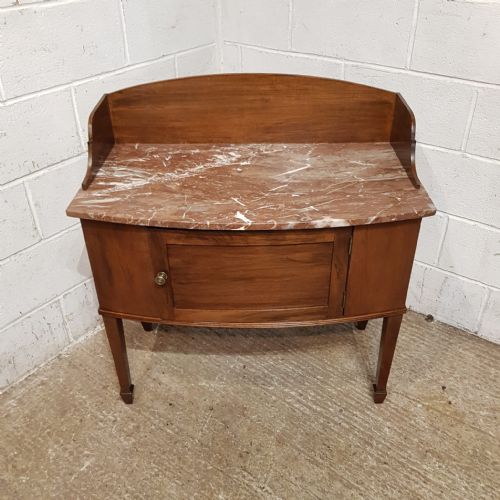
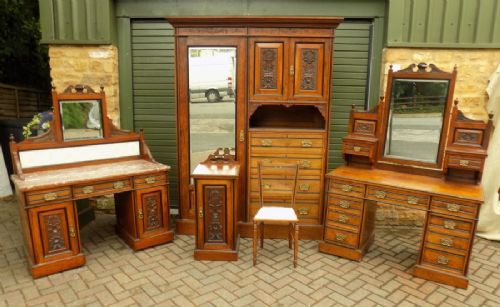
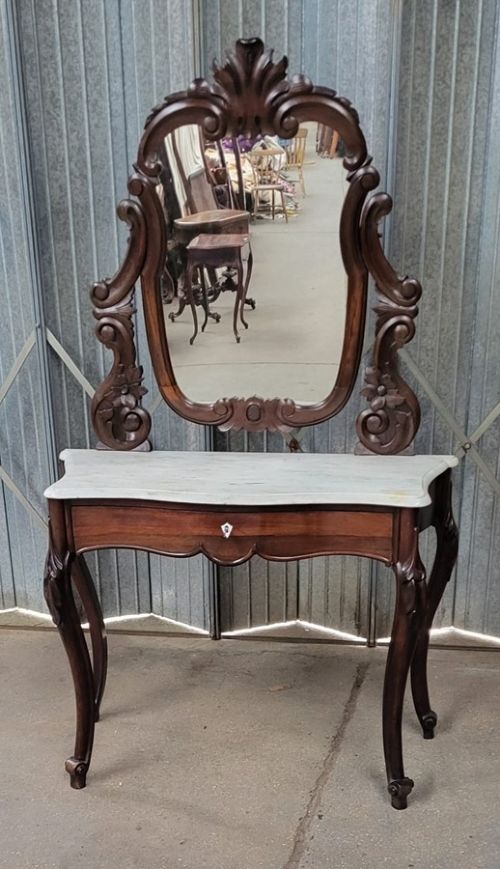
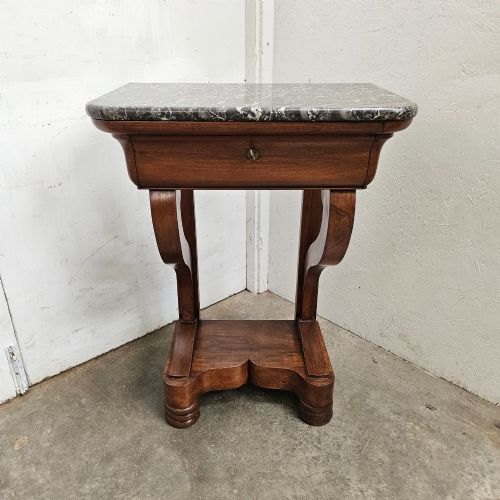



Antique Marble Top Washstand
An antique marble top washstand brings solid stone surfaces and warm timber into a modern bedroom with effortless utility.
The Form and Period of the Washstand
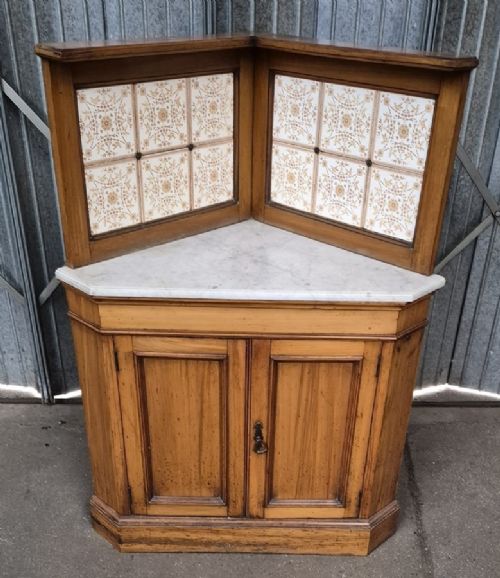
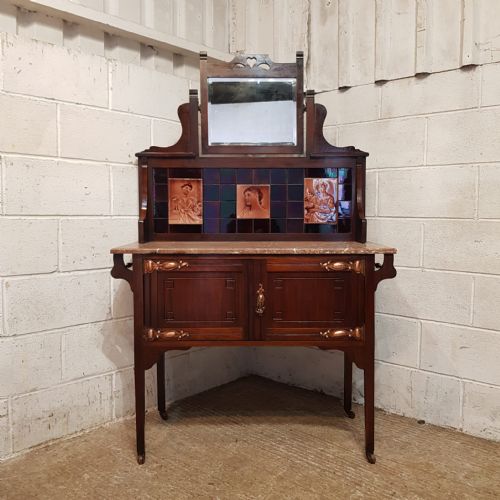
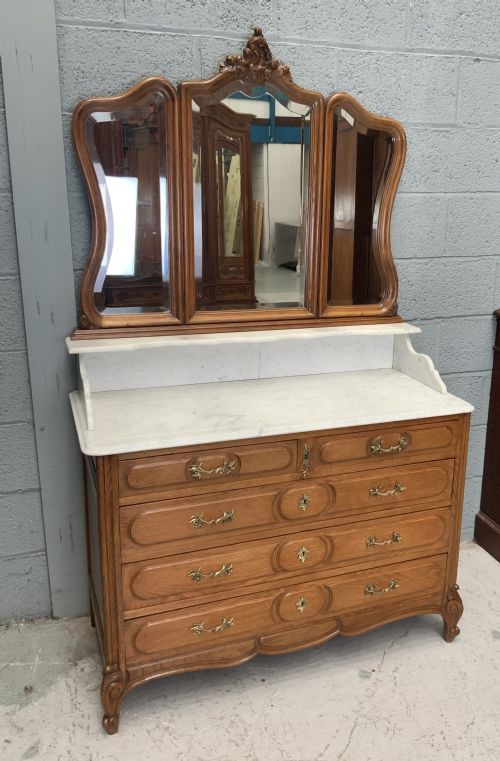
An antique marble top washstand is a practical bedroom piece designed to hold a basin and jug before the days of indoor plumbing. These functional items appear primarily in Victorian and Edwardian incarnations, alongside later twentieth-century interpretations from French workshops.
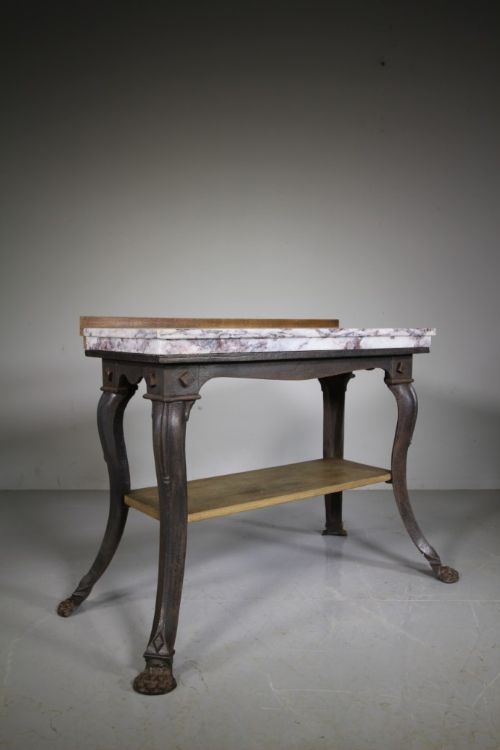
The selections span washstands, side tables, and bedside tables, reflecting how these durable stone-topped surfaces adapt to contemporary domestic rooms. Mahogany, oak, and walnut form the structural timber frames, topped with heavy marble slabs designed to resist water splashes.
Materials and Construction
Cabinet makers utilised dense hardwoods such as mahogany, oak, burr walnut, and rosewood to construct the heavy frames required to support thick stone. Some pieces incorporate brass fittings, cast iron, and glass elements to enhance utility and decoration.
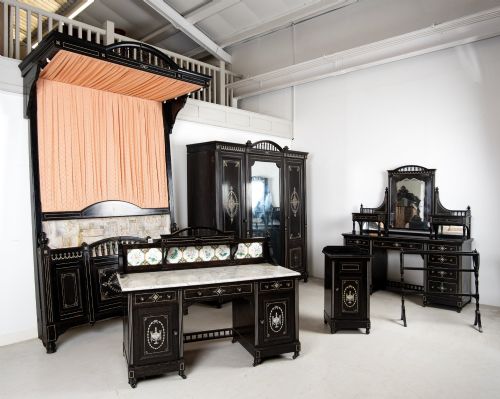
Stonemasons cut and polished slabs of marble to fit precisely over the timber bases, creating a cool, impervious counter. Carpenters joined these elements using traditional dovetail and mortise techniques, occasionally adding marquetry inlay, leather inserts, or ebonised details.
Retail Price Guide 2026
Typical UK retail prices for marble top washstand, calculated from the Sellingantiques database of over a million retail prices indexed since 2003. This retail price guide relies exclusively on Sellingantiques data; no external sources or auction records are used, so the figures do not describe the wider market.
Listings feature 19th-century, 1900, 1920, and Victorian periods, constructed from mahogany, oak, burr walnut, and cast iron.
Distinguishing Quality in Construction and Materials
The standard of timber selection and complexity of cabinetwork define the upper tier of these pieces. Figured veneers, floral marquetry inlay, and bow-fronted designs demand superior joinery skill compared to plain pine or oak frames.
The thickness, figuring, and colouration of the marble slab itself also separate standard utilitarian examples from more ambitious commissions. Finely turned supports, integrated cupboards, and original brass hardware elevate a basic functional washstand into a refined piece of furniture.
Maples
The Antique Marble Top Washstand Glossary
- Burr walnut
- A timber taken from the burls or growths on walnut trees, yielding highly figured, swirling grain patterns. Cabinet makers prized this wood for decorative drawer fronts and tabletops.
- Marquetry
- The art of applying pieces of veneer to a structure to form decorative patterns and pictures. Floral motifs frequently appear on the doors and panels of finer Victorian cabinets.
- Ebonised
- Timber treated with a dark stain or finish to imitate ebony. This technique provided a stark, fashionable contrast against light-coloured marble tops.
- Faux bamboo
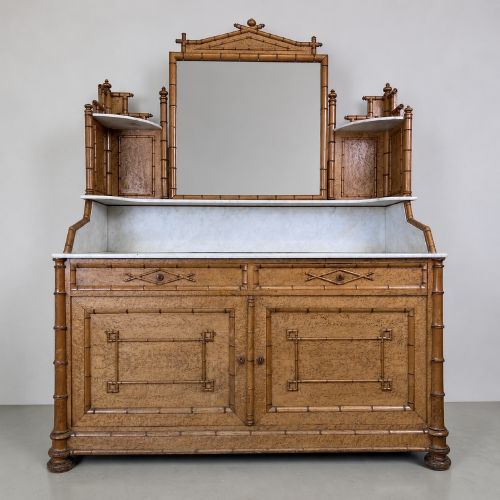
- A decorative turning technique applied to wood to simulate natural bamboo stalks. This style appears frequently on French provincial washstand tables.
- Duchesse washstand
- A larger Victorian washstand configuration, often incorporating mirrors and extensive cupboard space. These substantial items served as the centrepiece for well-appointed bedrooms.
Frequently Asked Questions
How do I clean an antique marble top?
Wash the stone surface using warm water and a soft cloth, avoiding acidic or abrasive household cleaners that etch the polish. Dry the marble thoroughly to prevent water rings and preserve the original finish.
For stubborn marks, use a specialised stone soap recommended for historic marble. Regular gentle wiping keeps the mineral surface protected against daily wear.
Can I use a washstand as a bathroom vanity?
Many people repurpose these sturdy wooden frames and stone slabs as bathroom sink surrounds. Plumbers can modify the internal cabinetry to accommodate modern pipes while retaining the antique exterior.
Ensure the timber receives proper water-resistant sealing to protect the vintage wood from bathroom humidity. The heavy marble top naturally withstands splashes and moisture.
How do I tell Victorian from Edwardian washstands?
Victorian pieces tend to feature heavier timbers, deep mahogany tones, and rich floral marquetry or burr walnut veneers. The construction prioritises solidity and ornate decorative detailing like curved splashbacks.
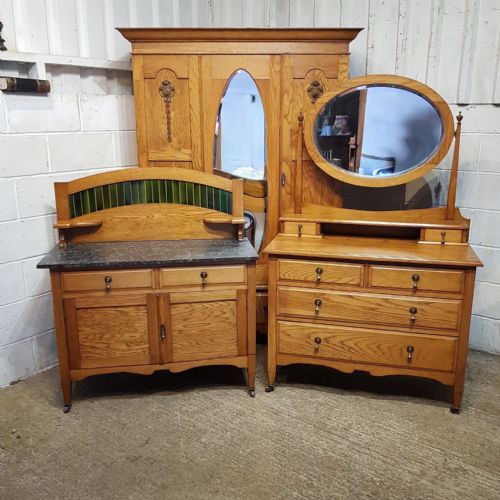
Edwardian examples often display lighter woods like oak or satinwood, sometimes with simpler lines or ebonised finishes. They reflect a shift towards brighter, less cluttered bedroom furnishings.