
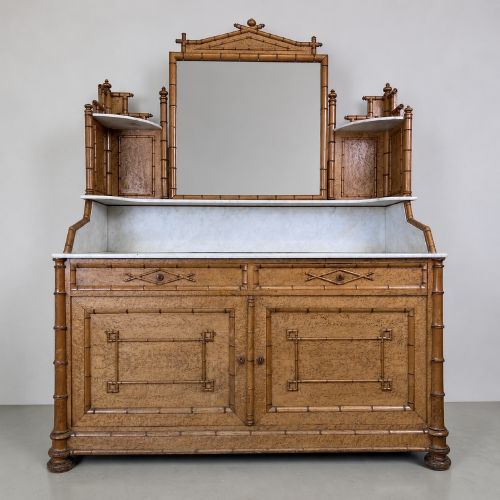
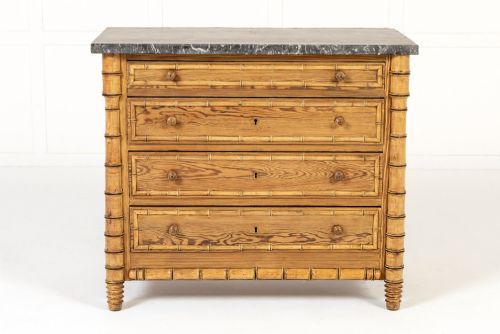
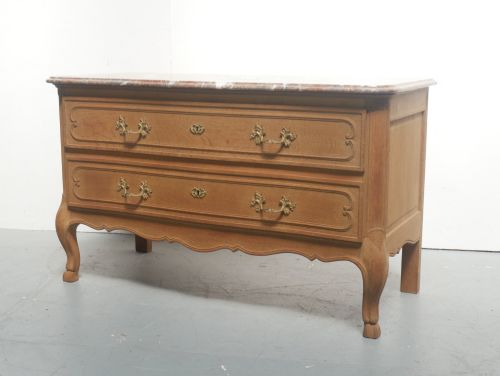
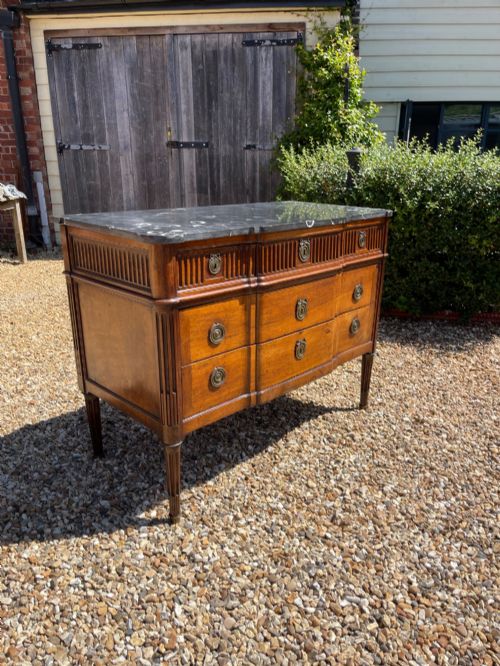
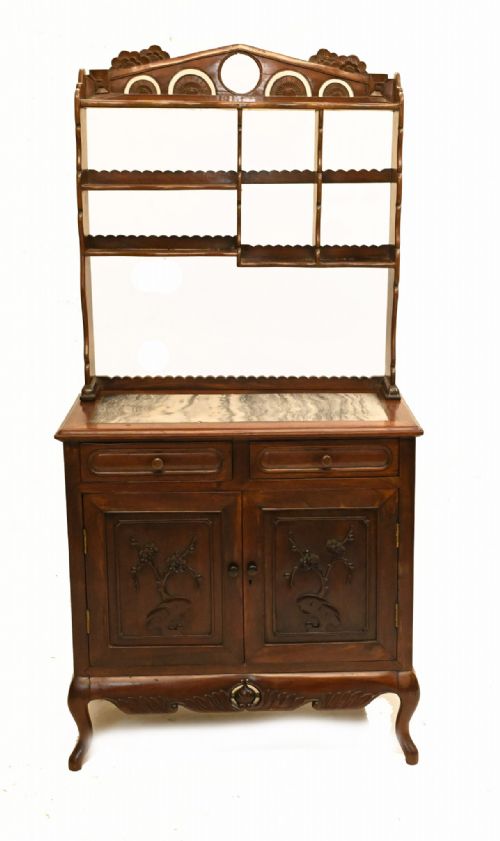
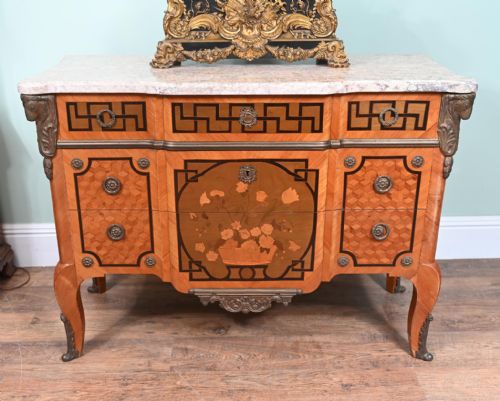
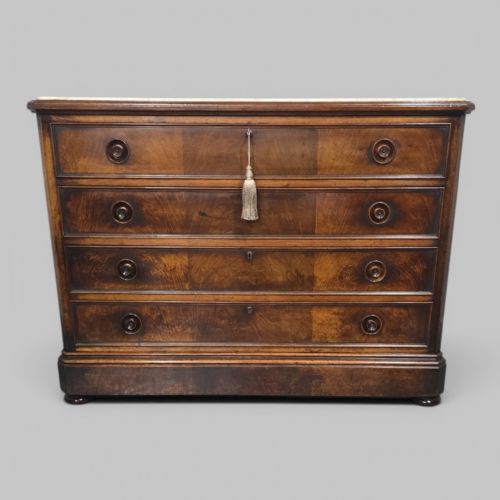
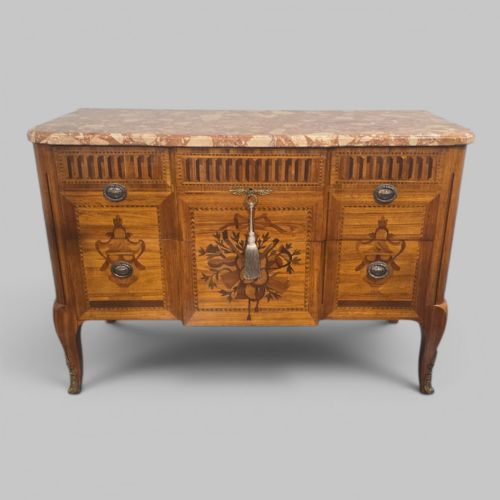
Antique Marble Top Dresser
An antique marble top dresser brings enduring stone surfaces and timber craftsmanship together to anchor a traditional room.
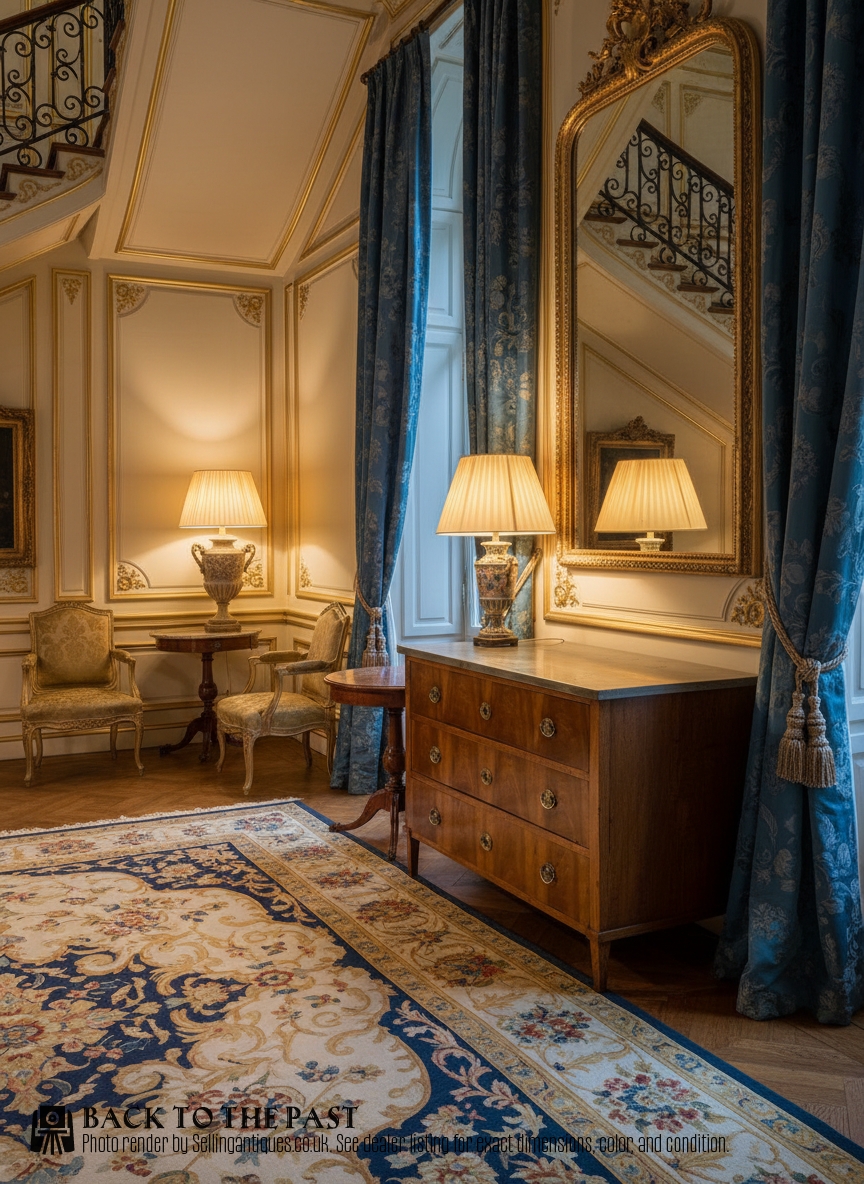
What these pieces are
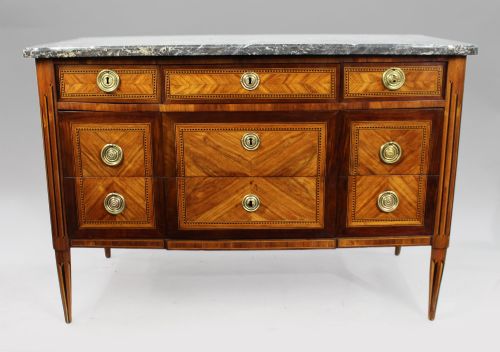
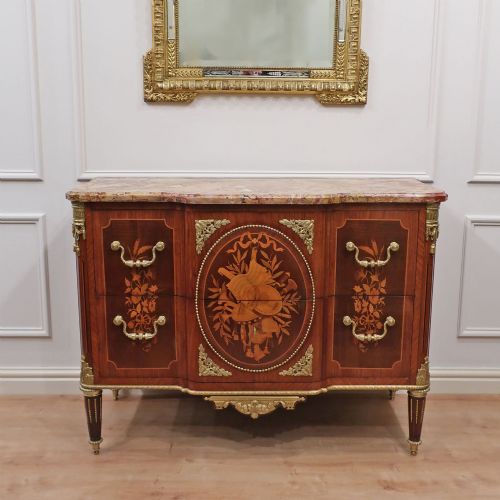
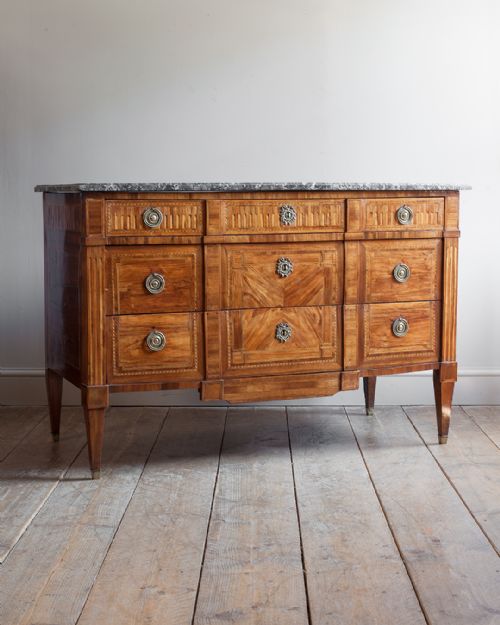
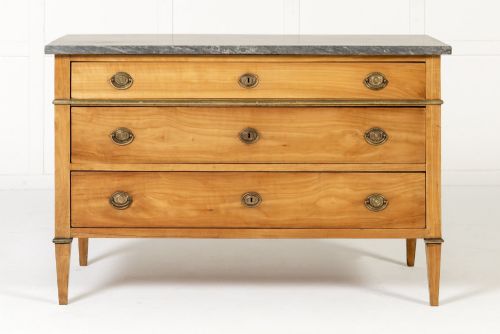
An antique marble top dresser encompasses French commodes, chests of drawers, and cabinet bases fitted with solid stone surfaces. These pieces frequently appear in styles such as Louis XV, Louis XVI Revival, and French Empire, reflecting classic continental cabinet-making traditions.
The core form is typically low and wide, designed with multiple working drawers to serve as functional storage while displaying the heavy marble slab on top. Walnut, burr walnut, tulipwood, kingwood, and pine provide the primary timber structures beneath the polished stone.
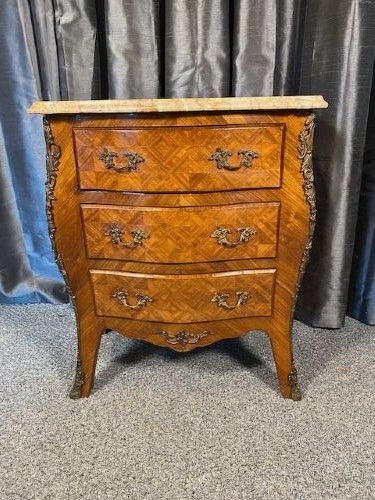
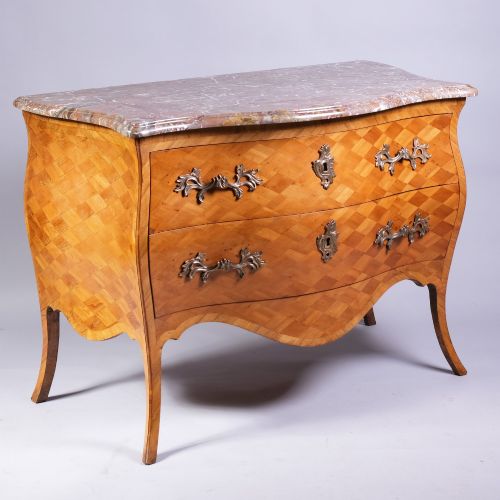
Makers drew on 18th-century and 19th-century design idioms, producing breakfront, serpentine, and bombe profiles. Surviving examples demonstrate how robust timber carcases were built to support heavy marble without twisting or sagging over generations of use.
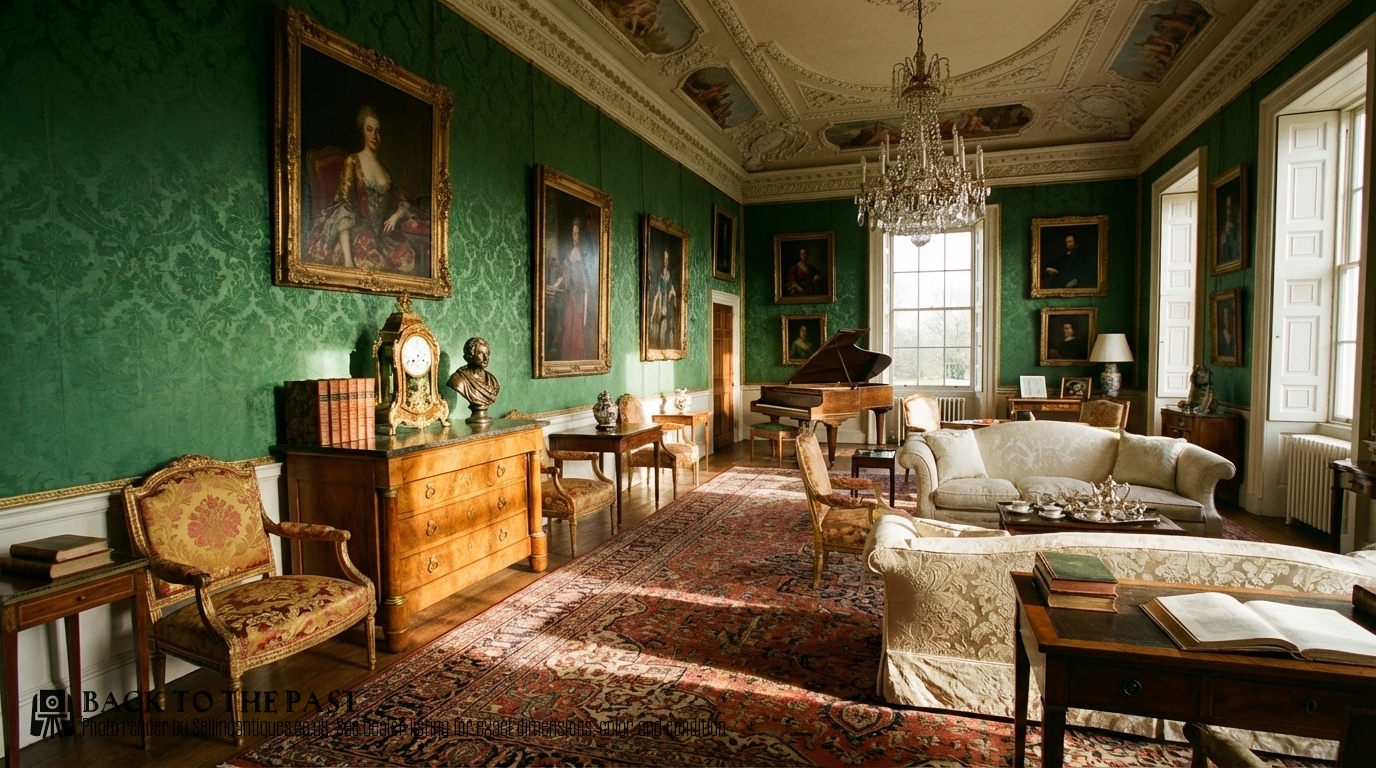
How they were made
Cabinet-makers constructed the carcases using dense timbers like walnut, pine, and exotic veneers such as tulipwood and kingwood over sturdy pine or oak frames. Selected grain patterns were arranged symmetrically across drawer fronts to create decorative movement.
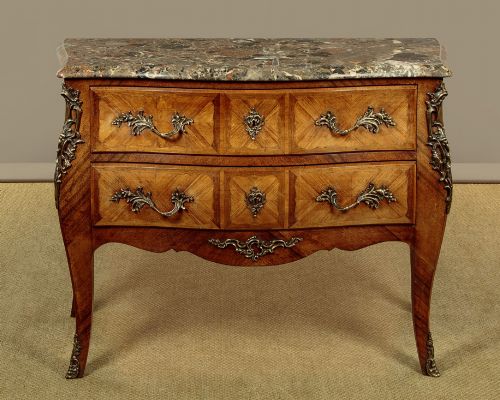
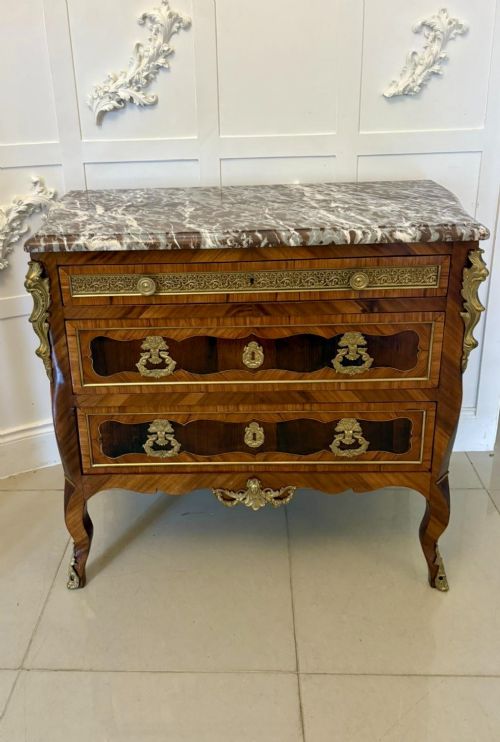
Heavy marble slabs were cut, shaped, and polished to fit precisely onto the wooden tops, often following the curved contours of serpentine or bombe commodes. Ormolu mounts and cast brass handles were secured to enhance the decorative scheme of the piece.
Retail Price Guide 2026
Typical UK retail prices for marble top dresser, calculated from the Sellingantiques database of over a million retail prices indexed since 2003. This retail price guide relies exclusively on Sellingantiques data; no external sources or auction records are used, so the figures do not describe the wider market.
The listings show pieces spanning the 18th century through the Victorian era, utilising walnut, tulipwood, kingwood, and pine.
What varies in quality
Quality rests in the precision of the veneer work, the depth of the timber figuring, and the harmony between the wooden carcase and its fitted stone top. Superior examples display carefully matched burr walnut or tulipwood grains that follow the complex curves of the chest.
The refinement of the ormolu mounts and brass hardware separates standard production from exceptional pieces. Heavier, crisper cast metalwork and original marble slabs with interesting natural veining indicate higher workshop standards.
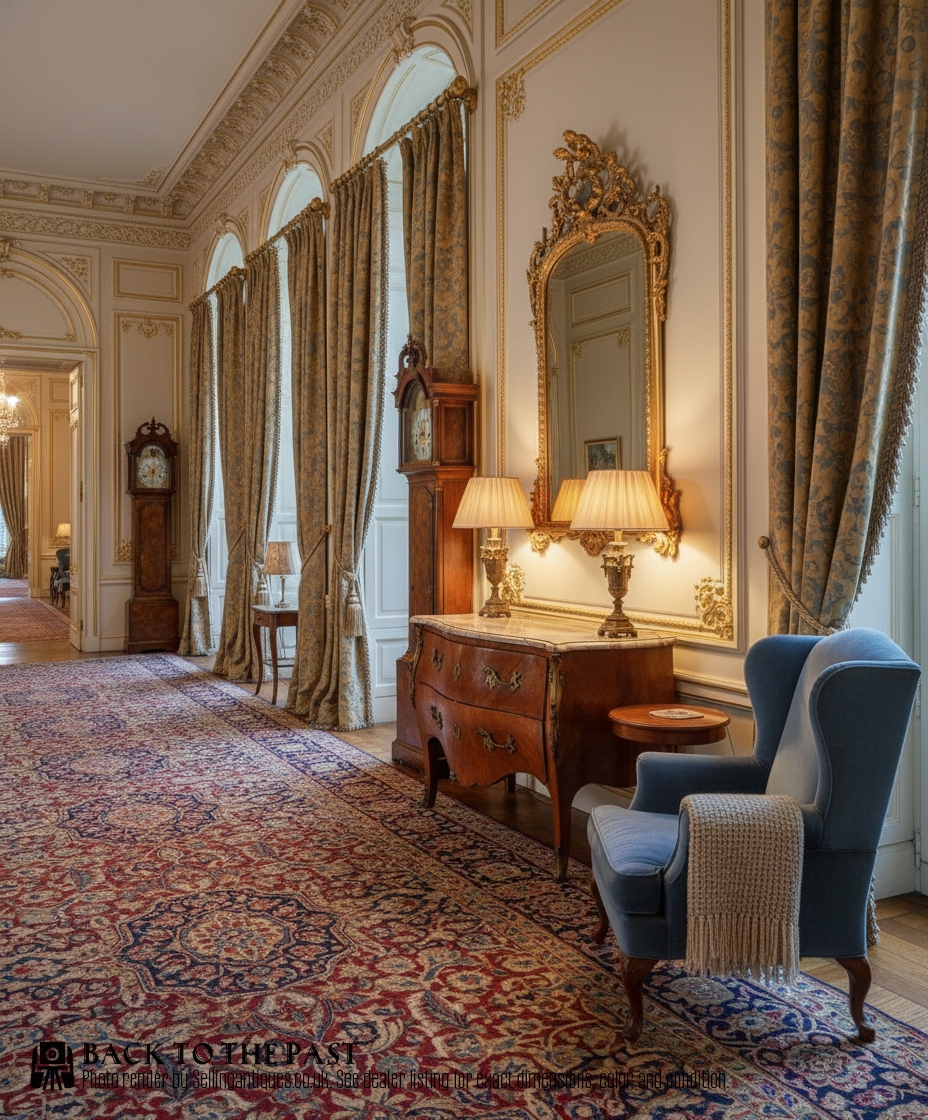
The Antique Marble Top Dresser Glossary
- Commode
- A low chest of drawers or cabinet originating in France. This term often appears interchangeably with dresser in continental pieces.
- Ormolu
- Gilded bronze or brass ornamentation applied to furniture. It is cast and chased to provide decorative mounts and handles.
- Bombe
- A swelling, outward-curving furniture shape. This silhouette requires advanced joinery to match curved timber and fitted marble.
- Breakfront
- A piece of furniture where the central section projects forward from the flanking sides. It adds architectural depth to large commodes.
- Veneer
- A thin slice of decorative timber applied over a secondary wood base. Tulipwood, kingwood, and burr walnut are common examples.
Frequently Asked Questions
How do I clean a marble top?
Wipe the stone surface regularly with a soft cloth dampened in warm water and mild soap. Avoid acidic cleaners or harsh chemicals that can etch the polished finish.
Dry the marble thoroughly after washing to prevent water marks. Using a specialised stone sealer helps protect the surface from stains.
Can I place heavy items on the marble?
Natural stone tops are heavy and durable, capable of supporting lamps, vases, and decorative objects without issue. The solid timber carcase underneath provides steady structural support for the weight.
Avoid dropping hard or sharp items directly onto the stone to prevent chipping. Distribute weight evenly across the surface during everyday use.
How do I identify a Louis XV style commode?
Louis XV style pieces are characterised by curved lines, asymmetrical details, and cabriole legs. Bombe and serpentine drawer fronts appear frequently in this tradition.
Ormolu mounts on these chests usually feature scrollwork and natural floral motifs. The overall aesthetic prioritises flowing movement over rigid symmetry.
Are the marble tops removable?
Most marble slabs rest freely on top of the wooden carcase, held in place entirely by their own substantial weight. This design allows the stone to be lifted off to ease transport and placement.
Some larger pieces secure the marble with hidden brackets or mortar, so check the fixing method before attempting to lift the top.