

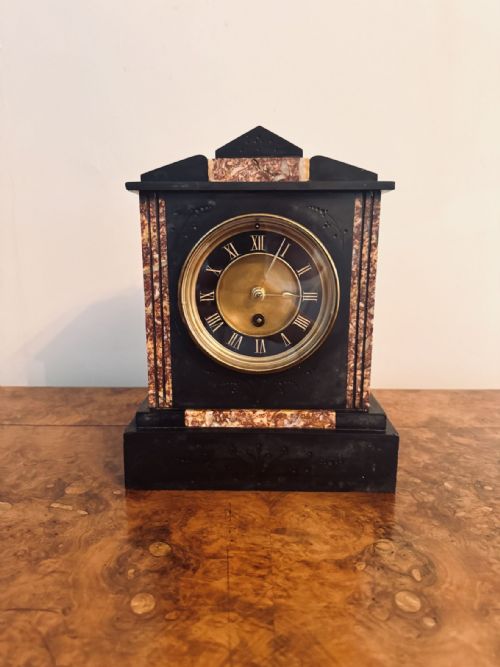
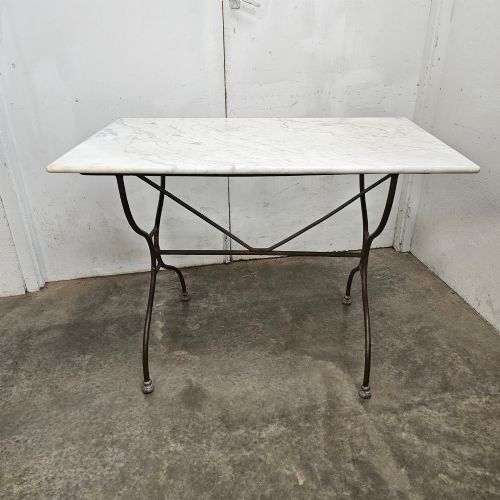

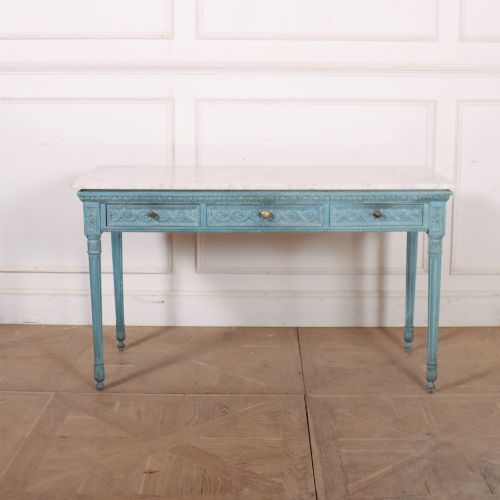
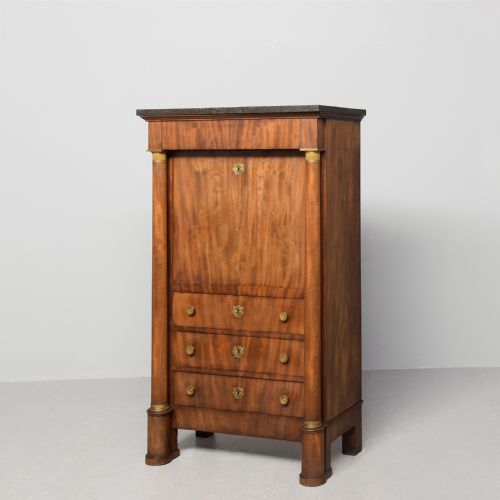
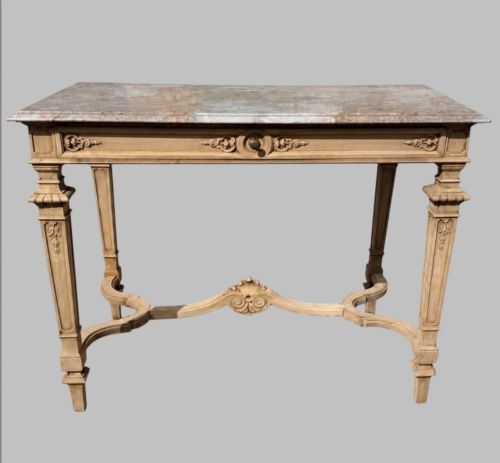
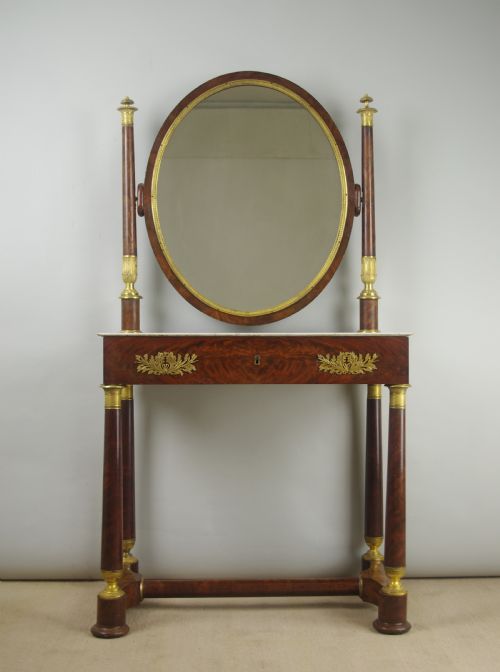

Antique Marble Top Desk
An antique marble top desk brings a cool, heavy slab of stone to a rich timber writing surface, combining practicality with formal elegance.
Antique Marble Top Desk
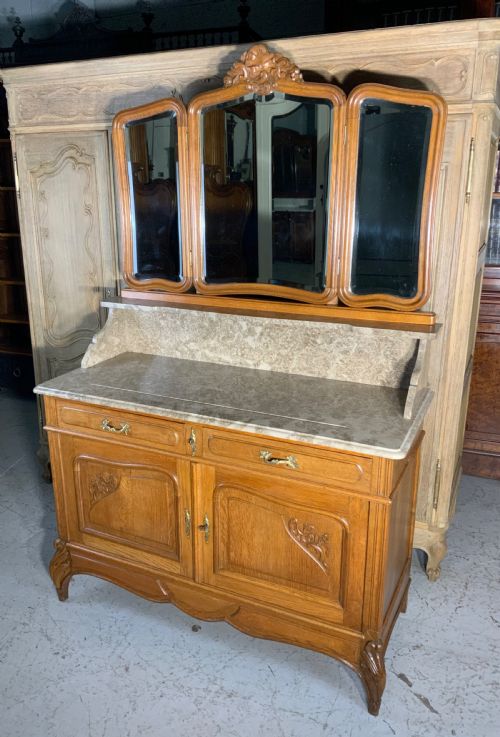
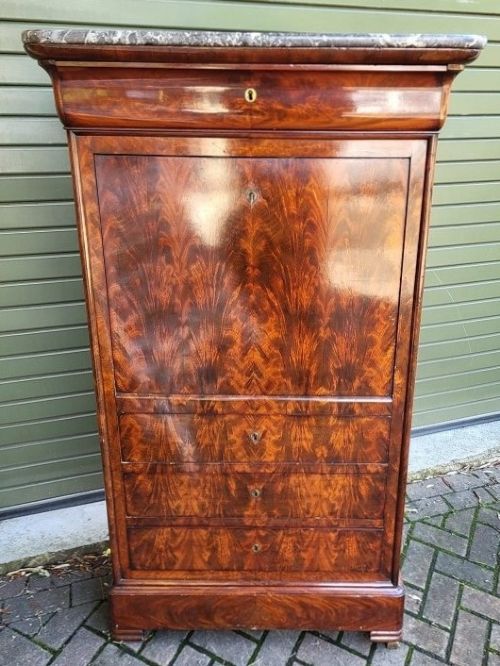
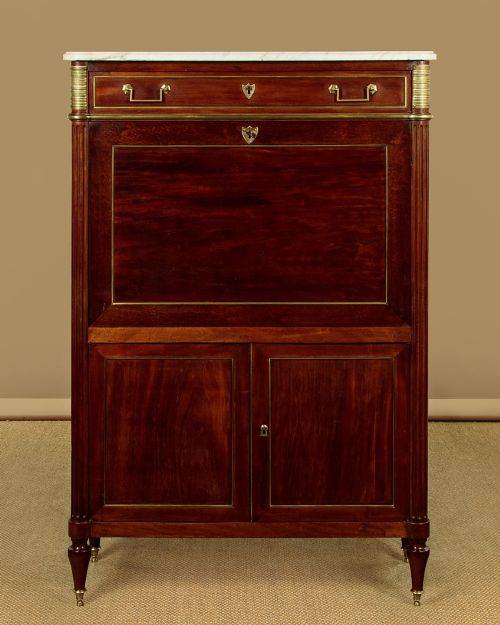
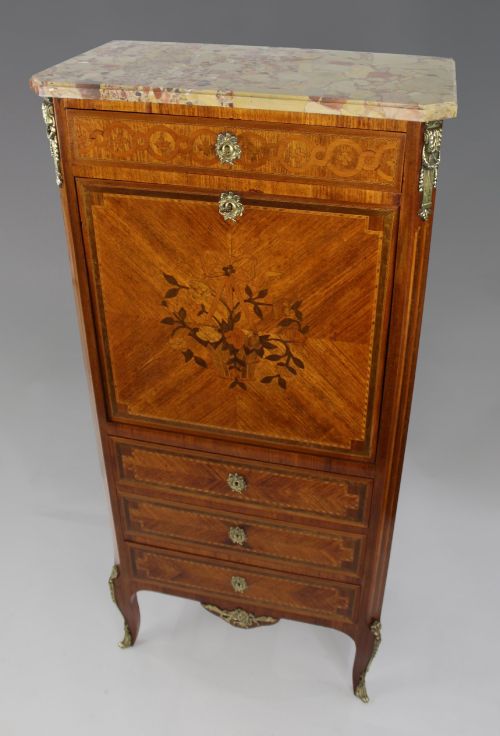
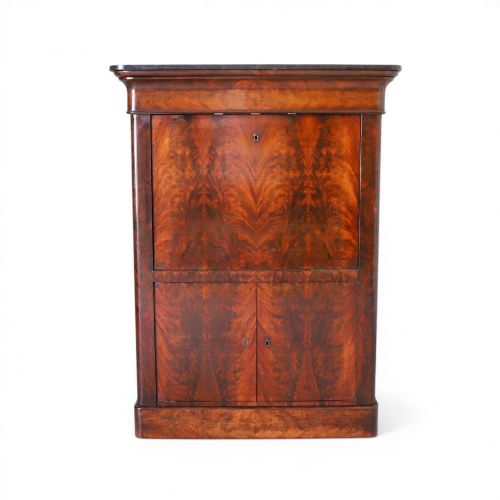
When buyers search for an antique marble top desk, they generally find pieces that cross several historical forms, most frequently French secretaire abattants and writing cabinets originating from the nineteenth century.
These pieces pair a fitted writing compartment with a smooth stone surface inset into the timber frame, drawing on periods such as the French Empire, Victorian, and various Louis revivals.
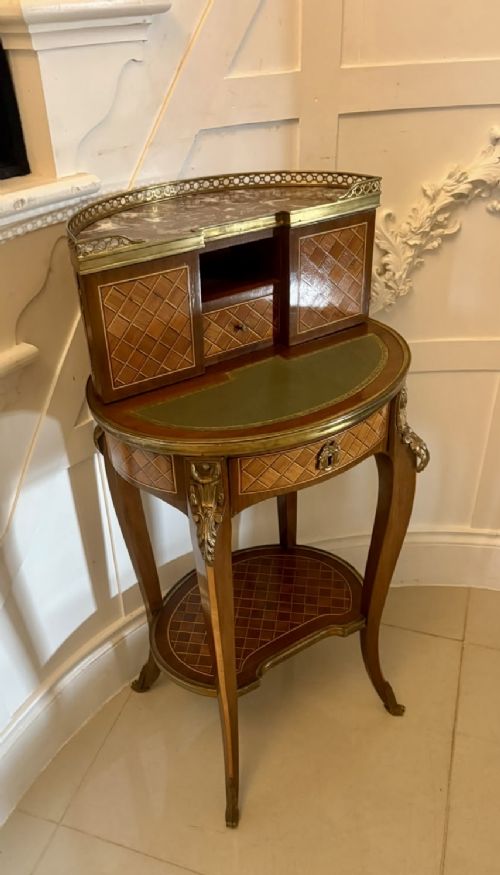
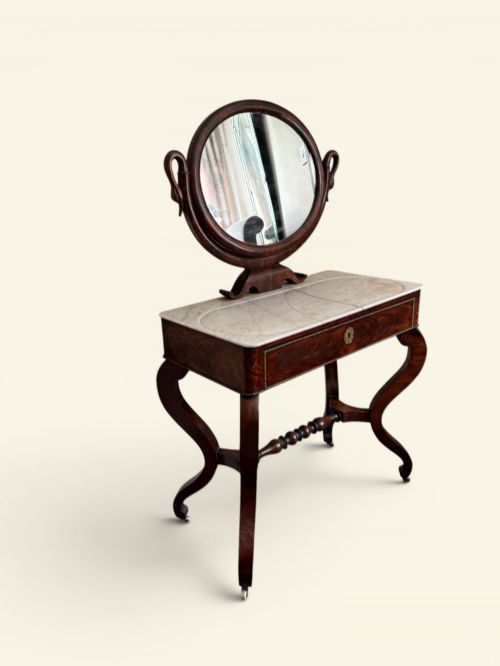
Beyond upright writing cabinets, the selection includes cylinder desks, partner or pedestal writing tables, and occasionally smaller bonheur du jour forms adapted with stone tops.
How they were made
Cabinet makers constructed the primary carcasses using dense timbers like mahogany, burr walnut, kingwood, satinwood, and oak, often applying intricate marquetry, parquetry, or flame veneers across the exterior surfaces.
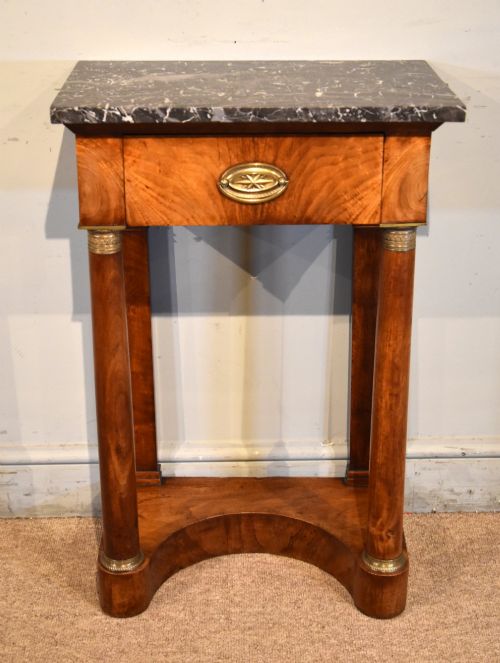
Heavy marble slabs, ranging from white Italian varieties to fossilised or specimen stones, were cut and polished to fit precisely within recessed wooden surrounds on the upper surface.
Gilt bronze, ormolu mounts, brass galleries, and detailed hardware were cast and chased to accent the corners, keyholes, and structural breaks of the timber.
Antique Marble Top Desk Retail Price Guide 2026
Typical asking prices for marble top desk among the pieces listed under this phrase on Sellingantiques today, from the lower quarter to the upper quarter. They describe what is for sale here now, not the wider market.
The listed pieces span the eighteenth, nineteenth, and early twentieth centuries, featuring materials from white marble and brass to exotic kingwood and rosewood.
What varies in quality
Quality rests heavily on the depth of the timber selection and the precision of the veneer work, where matched flame grains and elaborate floral marquetry separate standard pieces from masterworks.
The integration of the stone top dictates the overall calibre, with thick, beautifully figured marble slabs resting flush into rebated frames showing far greater consideration than later replacements.
The refinement of the cast bronze mounts and the complexity of the internal secret drawers reveal the hand of skilled workshops rather than mass production.
Blake, London·Paul Sormani·John Mclean·Lefebvre of Belgium·Maples
The Antique Marble Top Desk Glossary
- Secretaire abattant
- A tall, upright writing cabinet featuring a drop-front writing flap that conceals a series of small pigeonholes and drawers inside. This form was widely produced in France throughout the nineteenth century.
- Ormolu
- Gilded bronze cast and finished by hand, frequently applied to the angles and feet of fine desks. It adds a bright metallic contrast to dark woods and marble.
- Marquetry
- The art of forming decorative patterns on a wooden carcass using thin slices of various coloured veneers. Craftsmen cut these pieces to fit together like puzzles before gluing them down.
- Cylinder desk
- A writing table fitted with a rolling quarter-circle wooden shutter that conceals the writing surface and internal compartments. When closed, it presents a clean, curved wooden top.
- Parquetry
- Geometric mosaic woodwork arranged in repeating patterns such as cubes or chequers across tabletops and drawer fronts. It relies on precise timber alignment for its visual effect.
Antique Marble Top Desk: Frequently Asked Questions
What is a secretaire abattant?
A secretaire abattant is a tall, vertical cabinet with a hinged front panel that folds down to create a writing surface. Inside, it holds small drawers and pigeonholes for correspondence.
This format kept writing materials dust-free and out of sight in formal rooms during the nineteenth century.
How do I care for the marble?
Marble requires gentle cleaning with warm water and a soft cloth, avoiding acidic substances like lemon or vinegar that can etch the polished stone surface. Use coasters for drinks to prevent staining.
Waxing the surrounding timber framing occasionally will keep the wood nourished without harming the stone.
Are the marble tops original?
Most pieces retain their heavy fitted stone slabs, which were shaped specifically for the carcass during initial construction. Close inspection of the rebate where the marble rests can reveal how well it fits.
Matching stone types and consistent wear patterns between the wood and the marble generally indicate an original pairing.
How do I tell periods apart?
Stylistic cues such as heavy cast ormolu mounts and flame mahogany point towards French Empire and Restoration periods, whereas walnut burr and darker tones often signal Victorian or Edwardian eras.
Construction methods inside the secondary drawers and the complexity of the marquetry patterns also help narrow down the decade of production.