

Antique Marble Carving
An antique marble carving brings solid stone into domestic rooms through figures, table slabs and architectural ornaments shaped by hand.
Antique Marble Carving
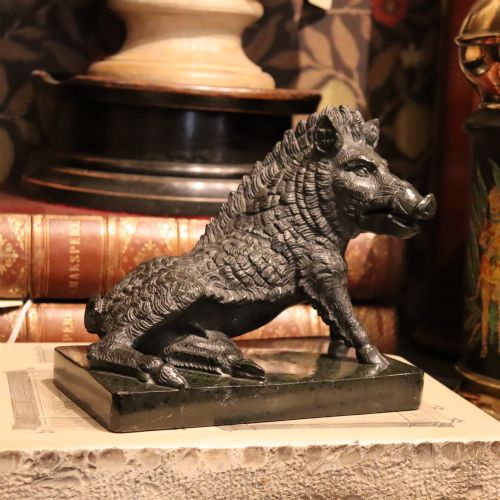
When buyers search for an antique marble carving, they encounter three dimensional sculptures, relief panels, busts and functional furniture tops spanning the eighteenth and nineteenth centuries. The pieces range from small Grand Tour souvenirs of Italian figures to large fireplace surrounds and animal statues.
Italian workshops feature prominently alongside French provincial pieces, reflecting the traditional routes of the Grand Tour and continental stone masonry. Busts of classical figures, hunting dogs and mythological groups appear frequently in the available selection.
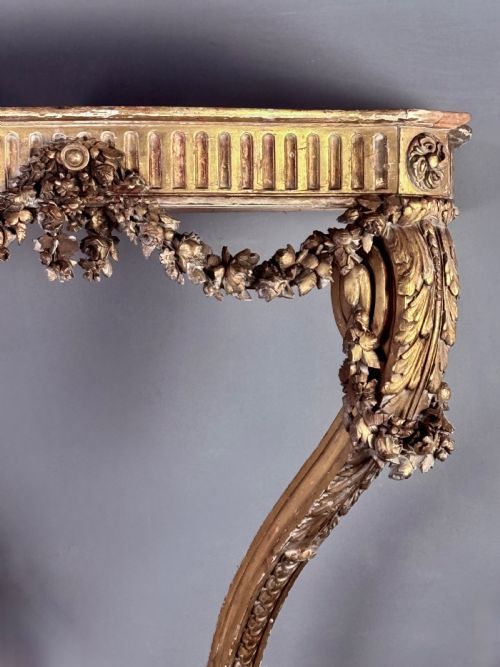
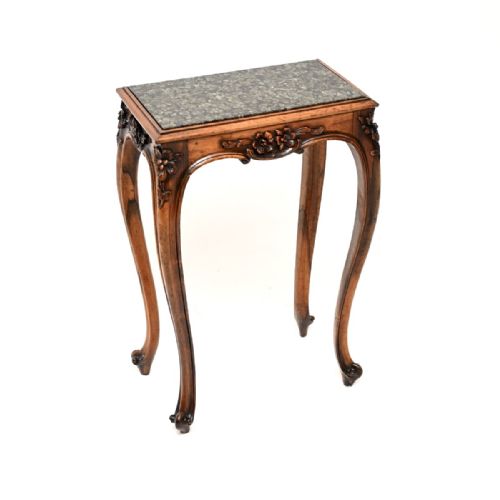
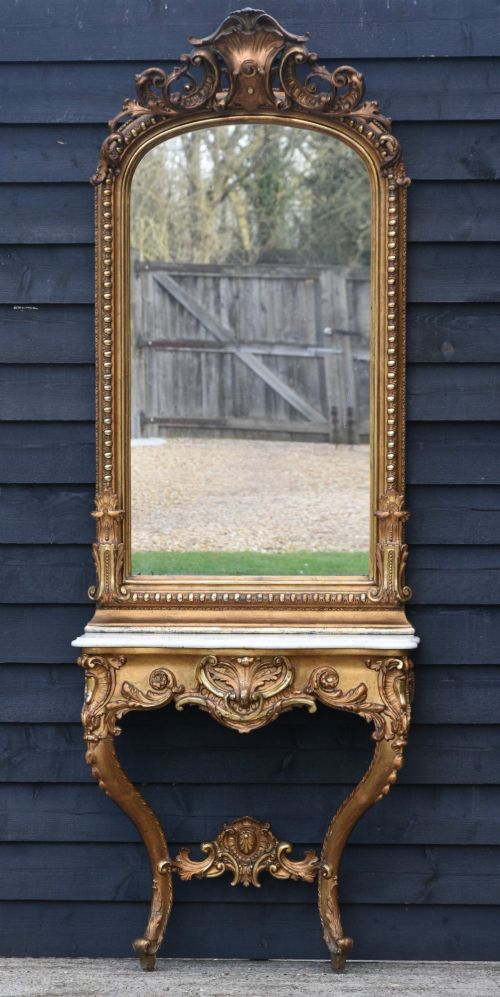
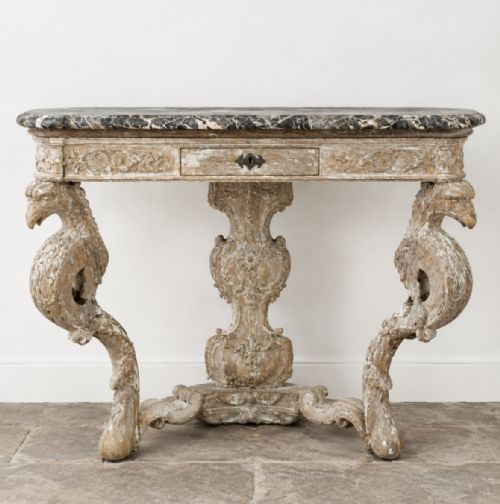
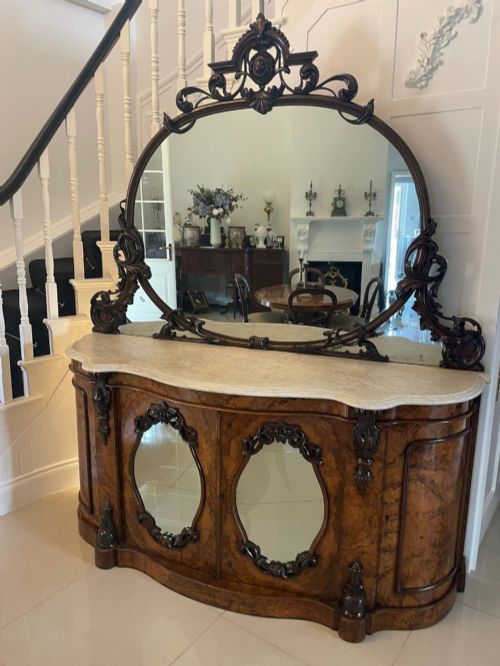
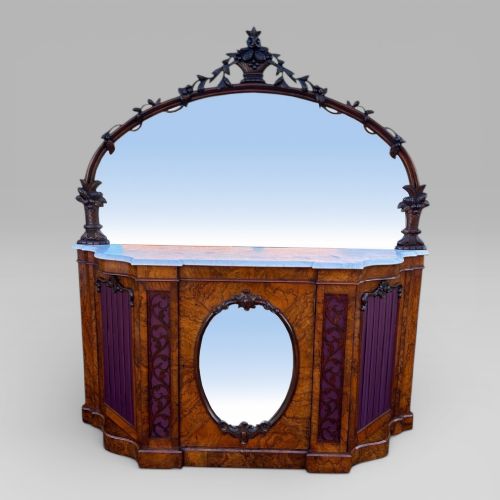
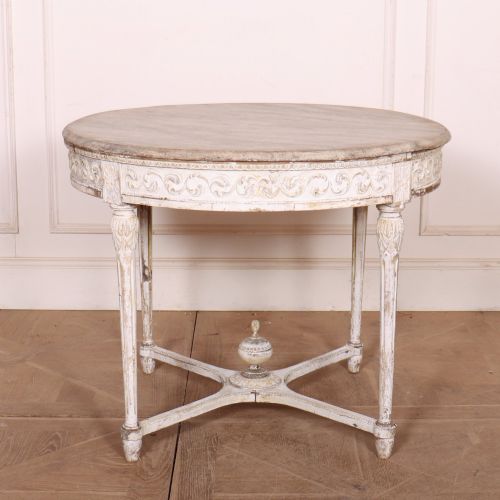
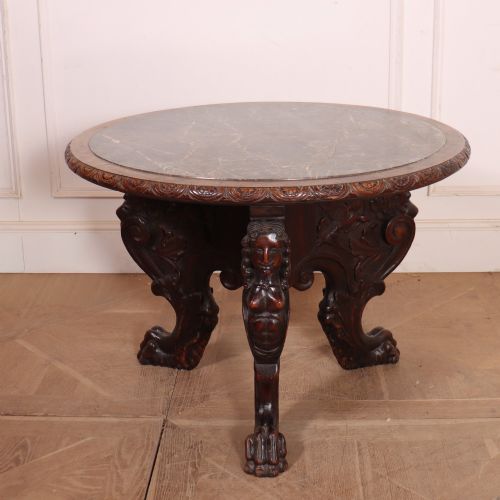
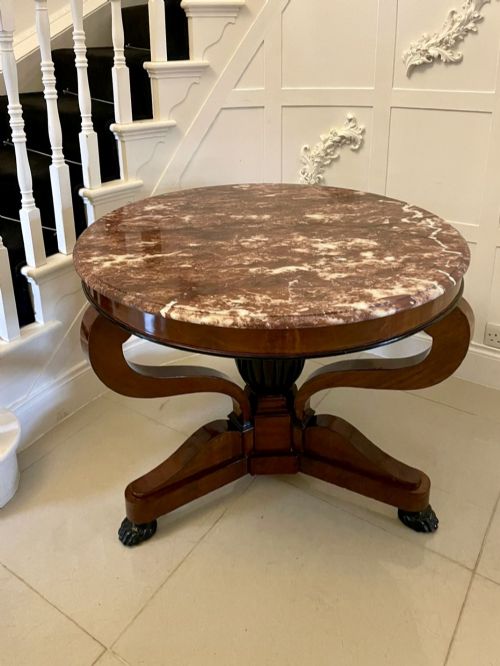
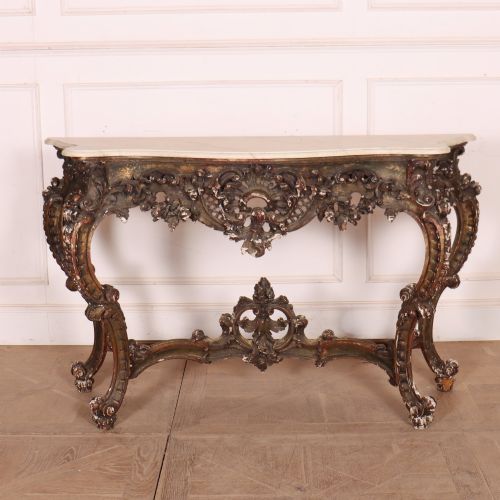
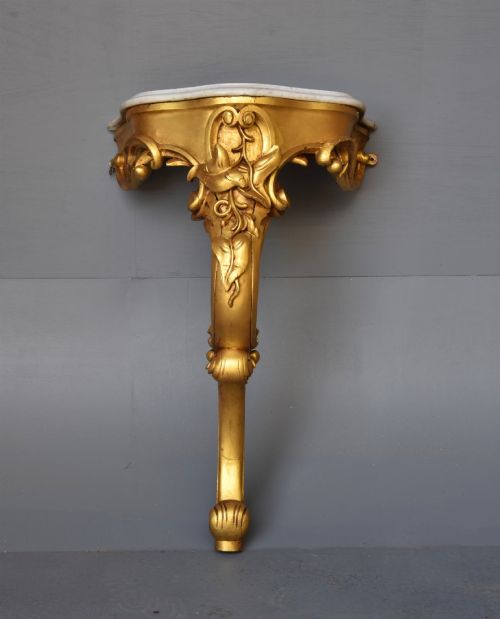
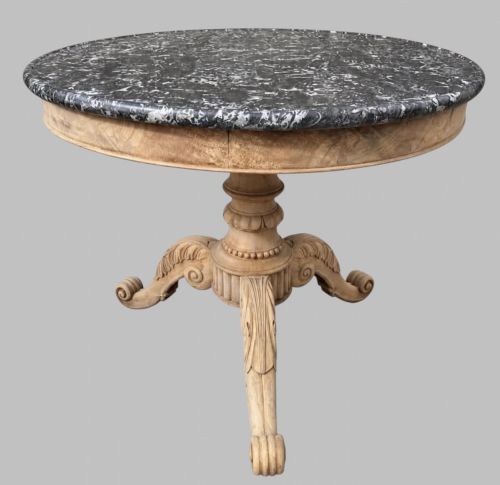
Support structures such as giltwood console tables, walnut cabinets and mahogany side tables often carry the heavy stone elements. These combined objects demonstrate how carved marble integrated into domestic interiors during the Victorian and Edwardian periods.
How they were made
Carvers worked stone using chisels, gouges and abrasive powders to shape blocks into figures or architectural slabs. White statuary varieties and veined Carrara marble required patient hand labour to achieve smooth skin textures and sharp drapery folds.
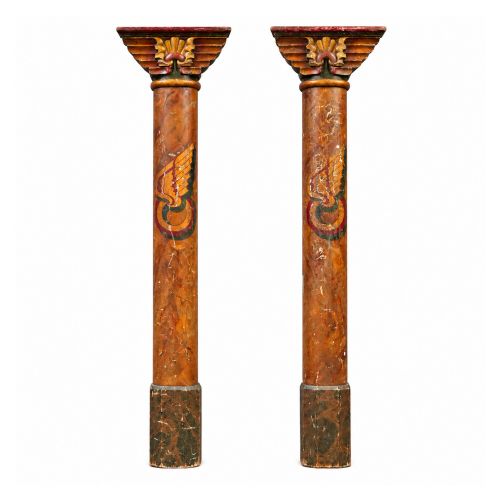
Secondary materials such as giltwood, rosewood, walnut and brass provided the frames, columns and bases that support heavy stone table tops. Joinery and gilding complemented the cool surface of the carved minerals.
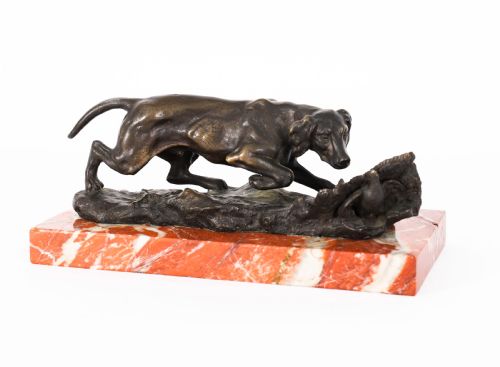
A nineteenth century bronze and marble sculpture captures a hunting dog mid pose, immortalising canine focus in heavy stone.
What varies in quality
The definition in the carving separates workshop output from master sculpture, particularly in the rendering of hands, hair and facial expressions. Softer edges and generalised muscle definition indicate mass production for the souvenir trade, whereas deep undercut details show skilled hand execution.
The choice of stone affects the visual weight, with highly figured varieties and clean white Carrara commanding attention through natural colour variation. The integration between the stone top and its carved wooden or gilt base determines structural harmony.
Carl Kauba·Carlo Albacini·Barranti, Florence·Sir Godfrey Kneller
The Antique Marble Carving Glossary
- Grand Tour
- A traditional trip through Europe undertaken by upper class travellers in the eighteenth and nineteenth centuries, resulting in the purchase of classical art souvenirs.
- Carrara marble
- A type of white or blue grey marble quarried in the city of Carrara in Tuscany, widely used for neoclassical sculpture and architectural details.
- Giltwood
- Wood that has been coated with a thin layer of gold leaf or gesso, commonly found on frames and console table bases supporting stone tops.
- Verdo prato
- A dark green Italian marble often utilised for small decorative objects, figures and architectural inlays during the nineteenth century.
- Console table
- A wall mounted or freestanding table with a flat top, frequently fitted with marble slabs and elaborate carved legs in French and Italian interiors.
Antique Marble Carving: Frequently Asked Questions
How do I clean marble?
Dust surfaces regularly with a soft dry cloth to prevent grit accumulation on the polished stone.
Avoid acidic cleaning products that etch the calcium carbonate surface and dull the original polish.
Where were these carved?
Many sculptures and architectural elements originated in Italian workshops around Florence and Rome for travelling buyers.
French cabinet makers also incorporated imported stone slabs into console tables and sideboards in Paris.
How heavy are they?
Solid stone slabs and large figurative groups weigh substantial amounts due to the density of the material.
Support furniture requires sturdy wall fixings or reinforced frames to bear the load safely.
Can I place them outside?
Most domestic carvings use interior grade stones and polished finishes susceptible to weathering.
Frost and moisture cause cracking and surface degradation if exposed to outdoor environments.