



Italian Marble Head Sculpture
An italian marble head sculpture brings classical presence into a room, capturing centuries of Italian stone-carving traditions.
Italian Marble Head Sculpture
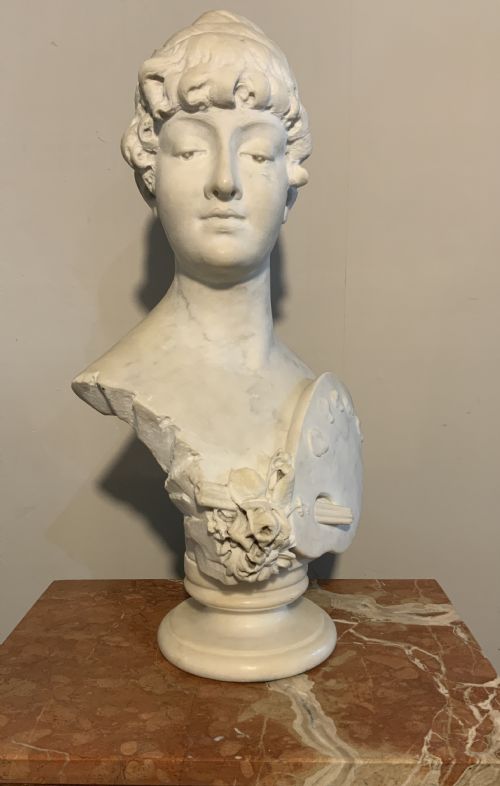
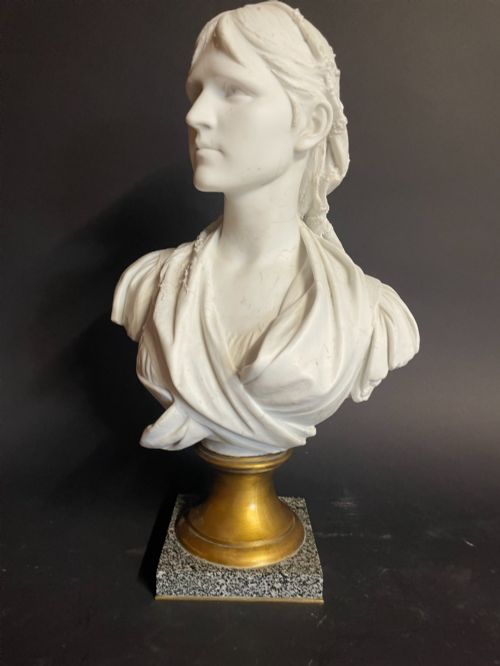
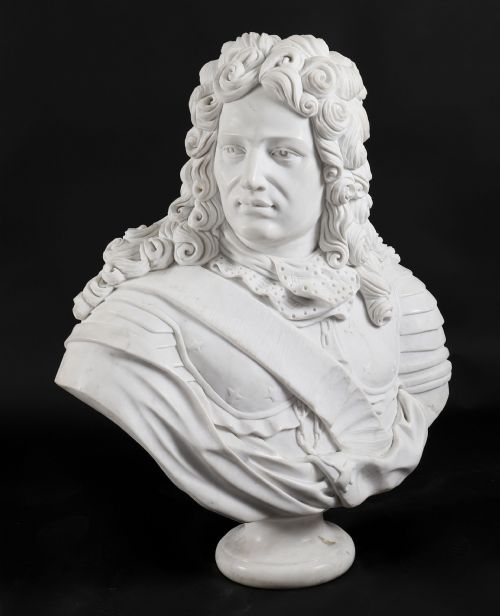
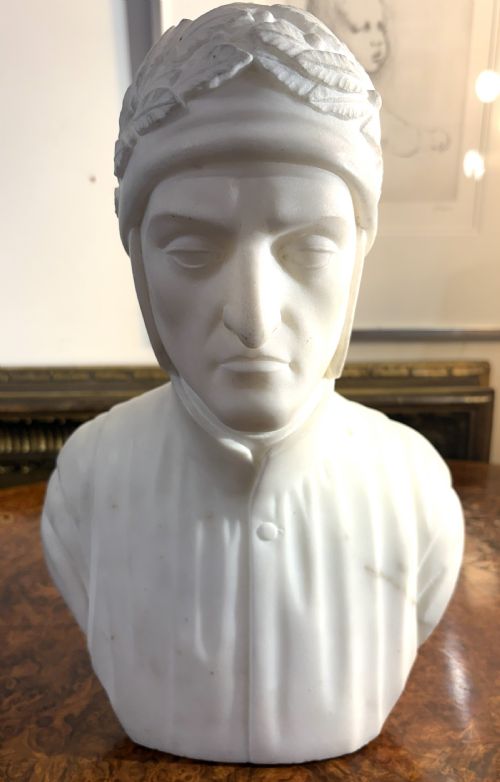
An italian marble head sculpture encompasses carved busts, reliefs, and figural studies originating from Italy across the seventeenth, nineteenth, and twentieth centuries. When searching for an italian marble head sculpture, buyers encounter subjects ranging from mythological figures and historical poets like Dante Alighieri to noblemen in armour and veiled ladies.
The pieces on this page span several distinct revival movements, notably neoclassical, classical revival, baroque revival, and art deco. Most examples date from the nineteenth century, reflecting the European Grand Tour tradition and a persistent fascination with antique sculpture.
Forms vary from life-sized library busts mounted on contrasting stone bases to intricate specimen marble studies and relief sculptures. Each italian marble head sculpture demonstrates the enduring appeal of Italian sculptural artistry in domestic interiors.
Materials and Techniques
Carvers utilised fine white marble, notably Carrara marble, alongside specimen marble, crystalline quartz, and alabaster to achieve subtle flesh tones and textural contrast. Sculptors frequently paired carved stone heads with bases of vert de mer marble or added bronze and brass elements such as armour and patinated details.
Techniques combined traditional hand-chiselling and polishing methods, often drawing inspiration from antique Roman and Greek originals. Artisans finished surfaces by hand to accentuate the natural grain and luminosity of the stone.
Hypnos, the ancient god of sleep, occasionally visits the collection in verdigris bronze, reminding buyers that even deities needed a quiet moment.
Assessing Quality and Execution
The finest examples display anatomical precision, particularly in the rendering of facial expressions, hair, and drapery folds. Superior pieces often feature signed bases, intricate detailing such as carved armour or veils, and harmonious combinations of contrasting marble types.
The Italian Marble Head Sculpture Glossary
- Carrara marble
- A type of white or blue-grey marble quarried in the city of Carrara in Tuscany, prized by sculptors for its fine grain and uniform texture. It has served as the primary material for monumental and sculptural works since classical times.
- Grand Tour
- A traditional trip of Europe undertaken by upper-class European young men of sufficient means during the seventeenth, eighteenth, and nineteenth centuries. Souvenirs collected included small bronzes and marble sculptures carved in Italian workshops.
- Specimen marble
- Stonework composed of various coloured and patterned marble fragments assembled together to create decorative surfaces or figural studies. This technique highlights the geological diversity of Italian stone.
- Relief sculpture
- A sculptural technique where the sculpted elements remain attached to a solid background of the same material. In these pieces, the design projects modestly from the flat stone plane.
- Neoclassical
- A Western cultural movement in the decorative arts and sculpture that drew inspiration from the classical art and culture of ancient Greece and Rome. This aesthetic prioritised heroic subjects, restraint, and clear anatomical line.
Italian Marble Head Sculpture: Frequently Asked Questions
Where were these sculptures made?
These sculptures originated in Italian workshops, often catering to collectors travelling through artistic centres during the nineteenth and early twentieth centuries.
Many pieces reflect the influence of classical antiquities found in Italian museums and archaeological sites.
How do I clean marble?
Marble requires gentle dusting with a soft, dry cloth to prevent the accumulation of dirt within the carved details and crevices.
Water and chemical cleaning agents should be avoided unless handled by a professional restorer, as moisture can damage older stone surfaces.
What is a library bust?
A library bust is a sculptural portrait designed to be displayed on bookshelves, desks, or mantelpieces within a study or private library.
These pieces typically depict historical figures, philosophers, or poets intended to inspire intellectual contemplation.
How can I tell the period?
Dating relies on stylistic markers such as the revival movement represented, the machining of the mounting base, and the tool marks left by the carver.
Nineteenth-century works often bear Grand Tour provenance, whereas twentieth-century examples incorporate art deco or modern neoclassical interpretations.