


Antique Male Portrait Art
Antique male portrait art captures the likenesses of gentlemen, scholars and rulers across centuries through oil on canvas and pastel.
Antique Male Portrait Art
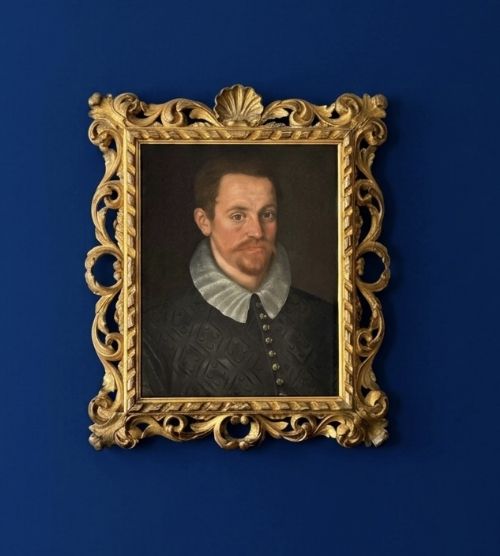
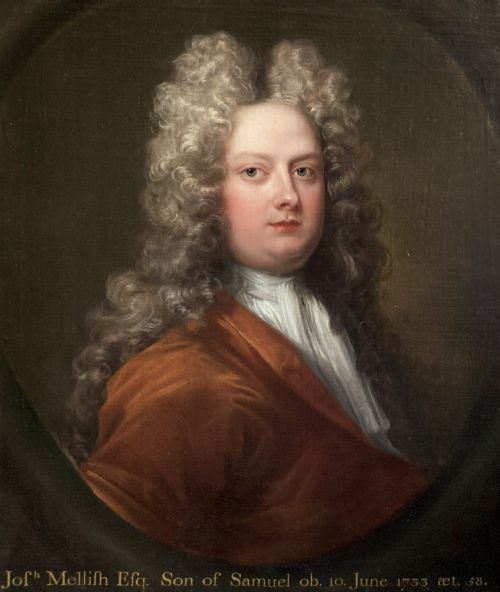
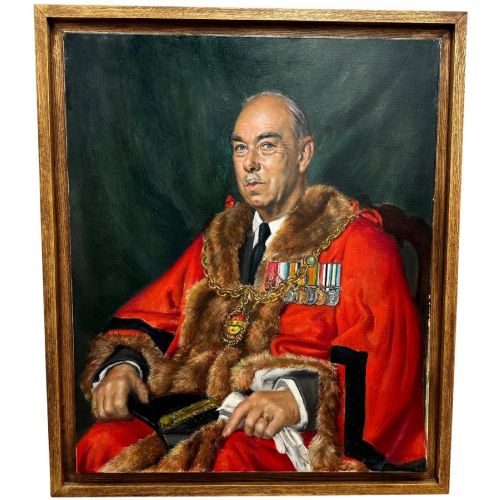
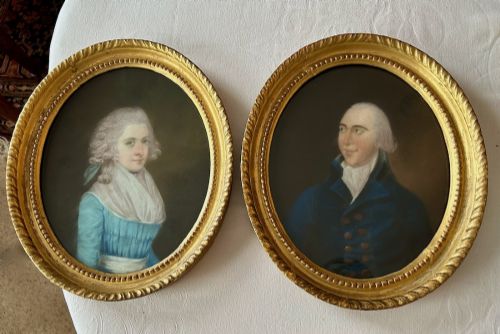
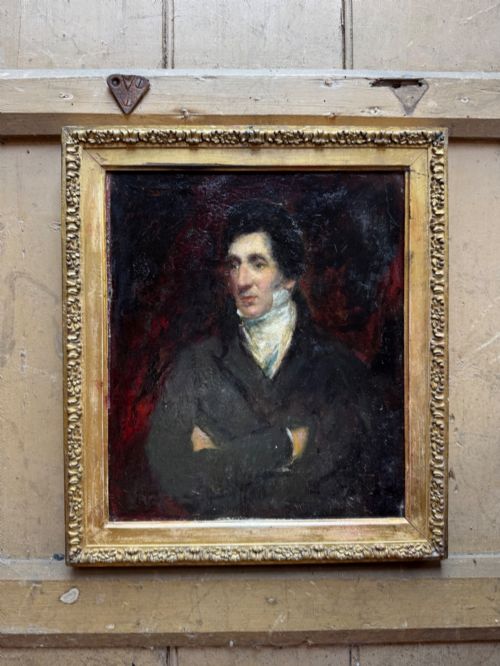
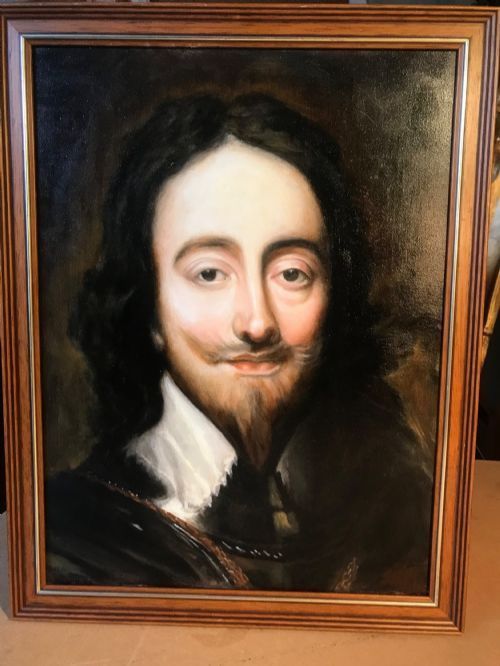
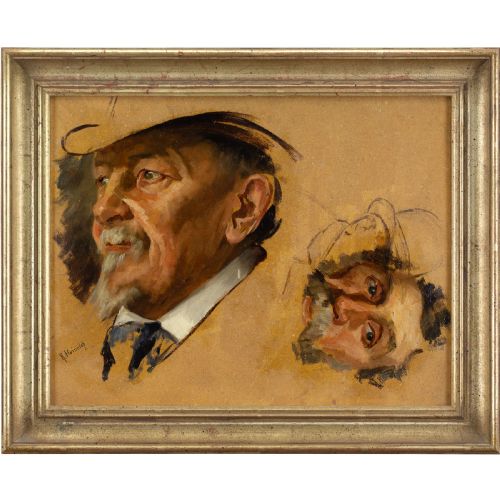
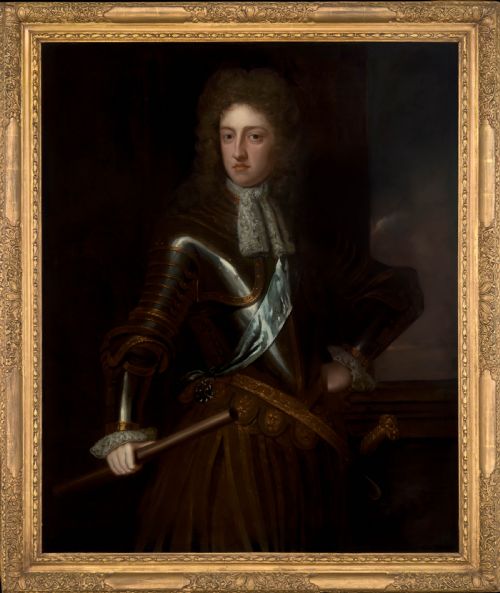
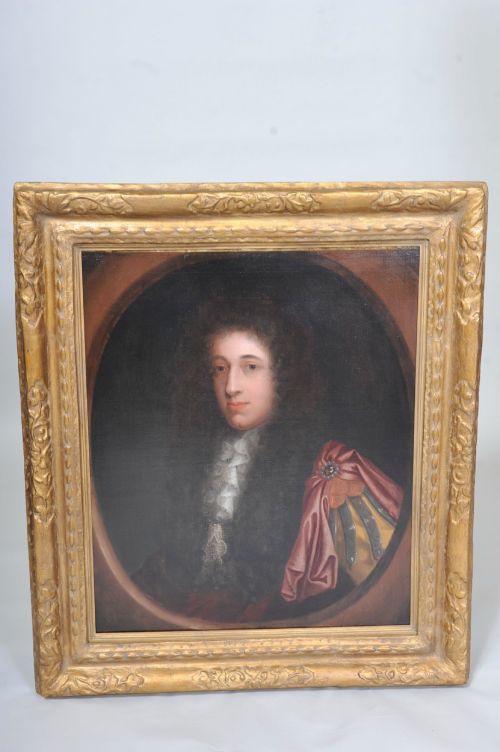
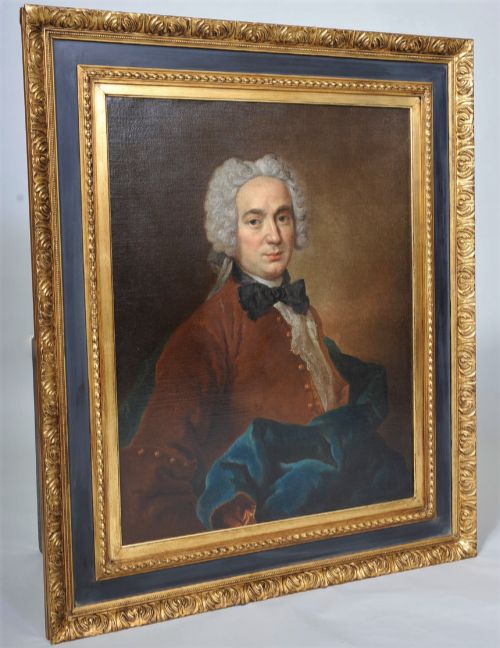
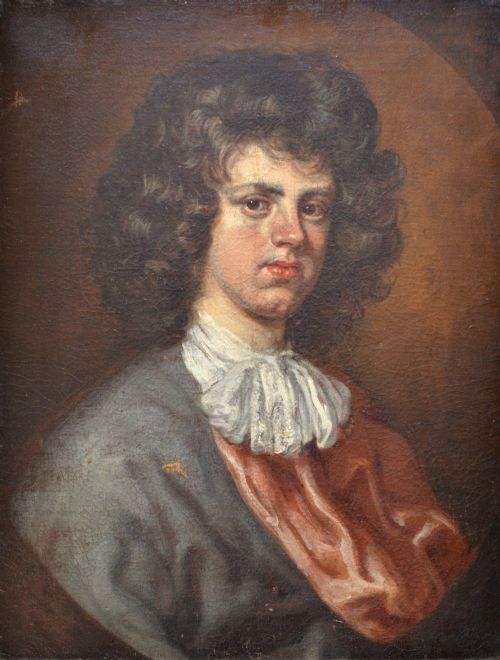
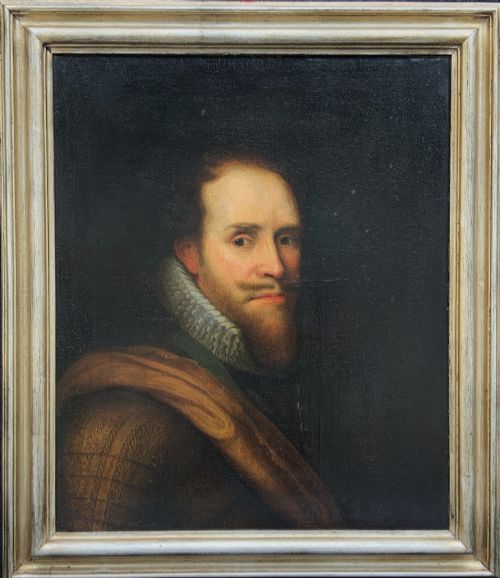
Antique male portrait art encompasses oil paintings, pastels, mezzotints and bronze plaques depicting individual men from various historical eras. The selection on this page leans heavily toward oil on canvas works originating from the seventeenth, eighteenth and nineteenth centuries, alongside regional British, Dutch and French school pieces.
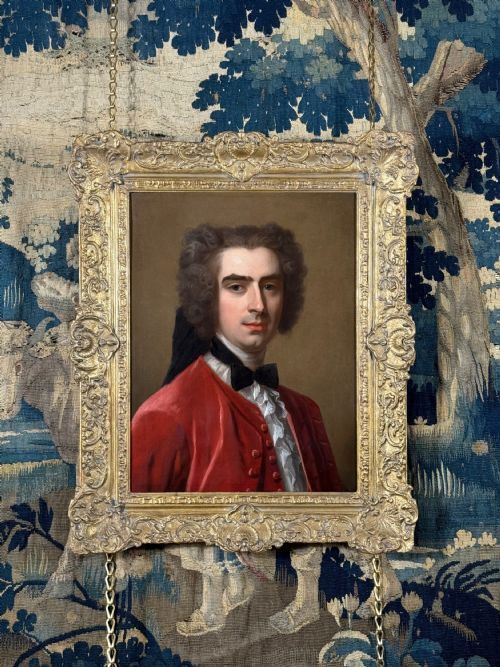
Buyers encounter subjects ranging from named figures like politicians and military officers to anonymous gentlemen portrayed in periwigs, cloaks or doublets. These artworks reflect the shifting conventions of representation, moving from formal court depictions to more intimate studies over successive centuries.
How they were made
The physical foundation of the primary works in this selection relies on oil paint applied to stretched canvas, often housed within period frames of giltwood or wood. Artists built depth through layered pigments, capturing fabrics such as velvet cloaks, embroidered doublets and scarlet jackets with tactile precision.
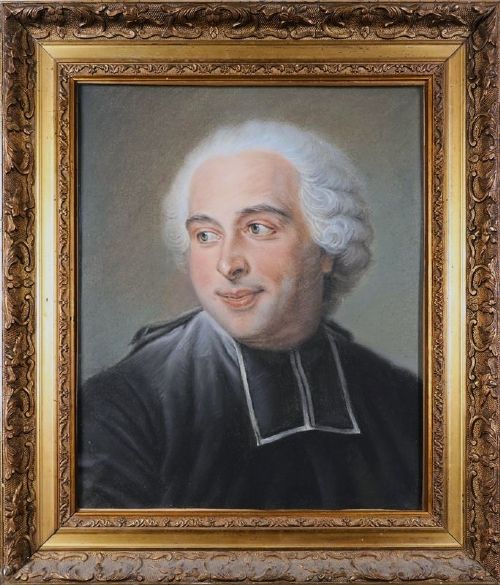
Works on paper utilise pastel techniques to achieve soft tonal gradations, while printmaking methods like mezzotint translate painted likenesses into inked impressions on paper. Bronze plaques offer a sculptural alternative, casting individual likenesses in metal during later periods.
Listings feature works spanning from the seventeenth century through the 1960s, executed in oil on canvas, pastel and bronze.
What varies in quality
The mastery of facial anatomy, skin tones and the fall of light across drapery distinguishes skilled studio output from more utilitarian workshop productions. Superior handling brings a psychological depth and immediacy to the sitter's expression, whereas lesser examples rely on formulaic rendering.
Condition and originality play significant roles in the standing of a piece, with undisturbed surfaces and period frames commanding greater appreciation. Works associated directly with documented artists or reputable schools hold distinct documentary and artistic weight compared to anonymous provincial output.
Charles Jervas·Jean-Baptiste Van Loo·Sir Godfrey Kneller·Sir Joshua Reynolds·Thomas Murray
The Antique Male Portrait Art Glossary
- Mezzotint
- A printmaking process of the intaglio family where the plate is roughened evenly to produce dark tones before areas are smoothed to create lighter passages. This technique allows for rich tonal variations well-suited to reproducing detailed portraits.
- Periwig
- A voluminous artificial hairpiece popular among upper-class men during the late seventeenth and early eighteenth centuries. Its presence in a portrait often helps date the sitter's attire and social standing.
- Doublet
- A snug-fitting man's jacket worn during the sixteenth and seventeenth centuries, frequently featuring embroidery and structured padding. It serves as a key indicator of early seventeenth-century fashion in portraiture.
- Pastel
- A medium consisting of powdered pigment combined with a binder and shaped into sticks, applied directly to paper. It creates a velvety matte surface requiring glass protection.
- Studio of
- A designation indicating that a work was produced under the supervision of a master artist, often incorporating the hand of assistants using the master's compositions.
Antique Male Portrait Art: Frequently Asked Questions
How do I date an oil portrait?
Dating relies primarily on the sitter's costume, including hairstyles like periwigs, neckwear such as ruffs, and the cut of coats or doublets. Stylistic conventions in brushwork and canvas preparation also offer reliable clues to the period.
Examining the stretcher bars, canvas weave and any historical inscriptions on the reverse provides additional physical evidence to narrow down the decade of creation.
What is the difference between studio work and an original painting?
An original painting executed entirely by a named master represents their direct artistic vision and brushwork. Works from the studio of that master were produced by assistants or pupils following the principal artist's composition and style.
Studio pieces often share compositional elements with known primary portraits but vary in execution quality and monetary valuation.
How should I care for antique oil on canvas?
Keep paintings away from direct sunlight, high humidity and rapid temperature fluctuations to prevent the canvas from slackening and the oil paint from cracking. Display them on interior walls where environmental conditions remain stable.
Dust the surface gently with a soft, dry brush without applying pressure or cleaning solutions, leaving professional conservation to trained specialists.
Why are some sitters unidentified?
Many historical portraits lost their documentation over successive centuries through separated family estates, lost inventory ledgers or discarded framing records. Sitters of moderate social standing frequently lacked the biographical record kept for nobility or public officials.
Unidentified portraits remain valued for their artistic merit, costume history and the window they provide into past eras.