

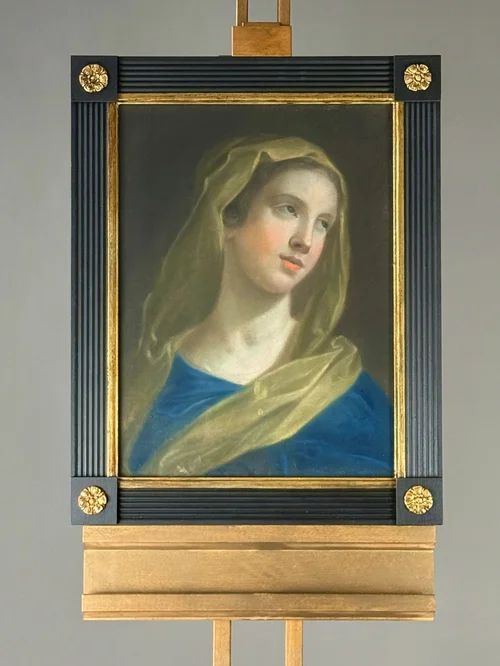
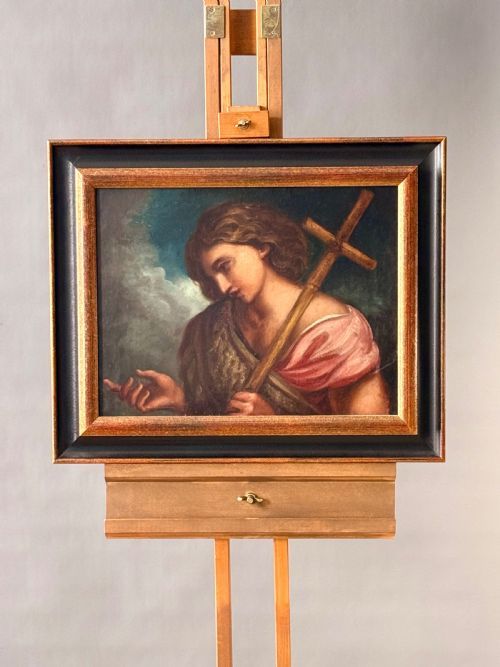
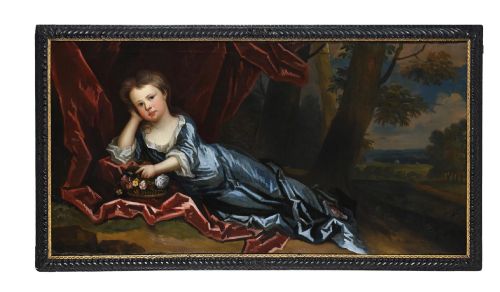
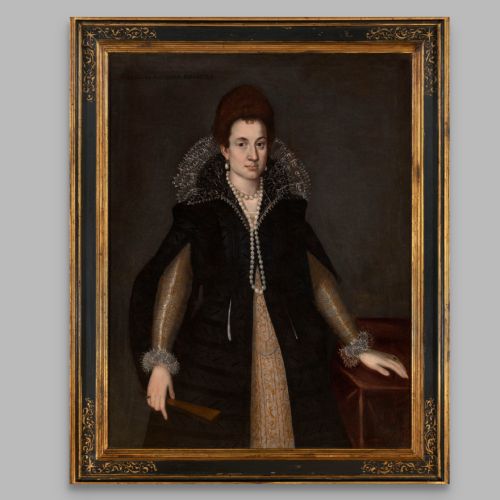
Old Master Wall Art
Old master wall art brings historical portraiture, religious iconography and classical landscapes into domestic spaces.
Old Master Wall Art
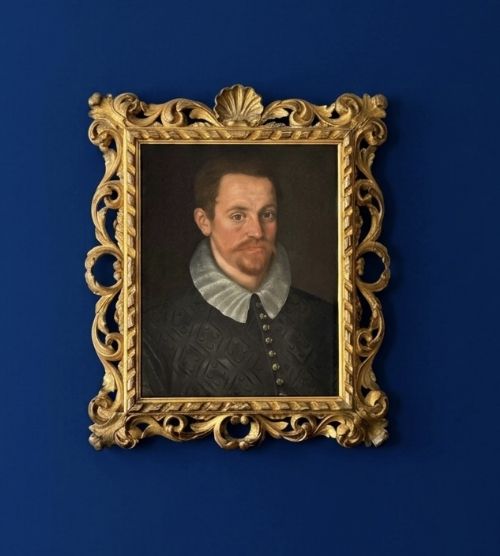
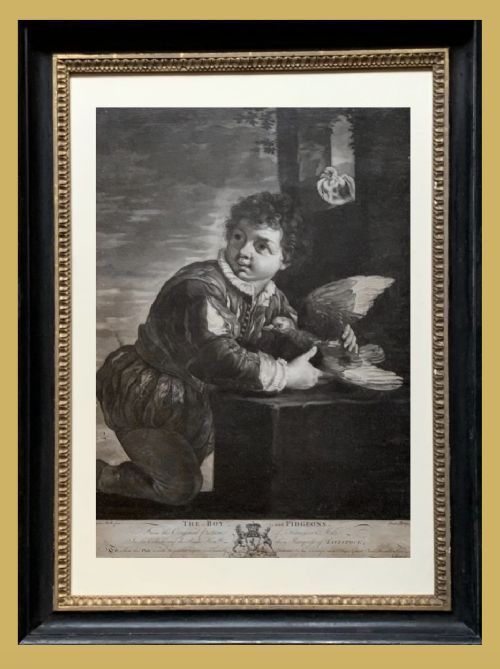
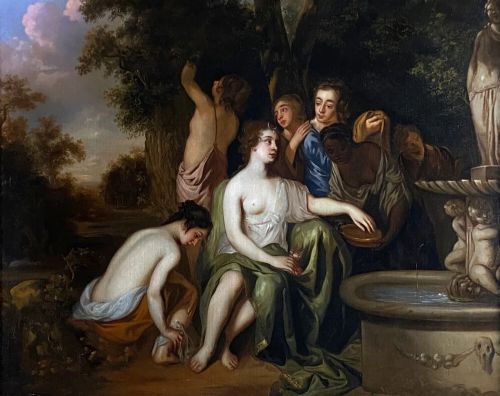
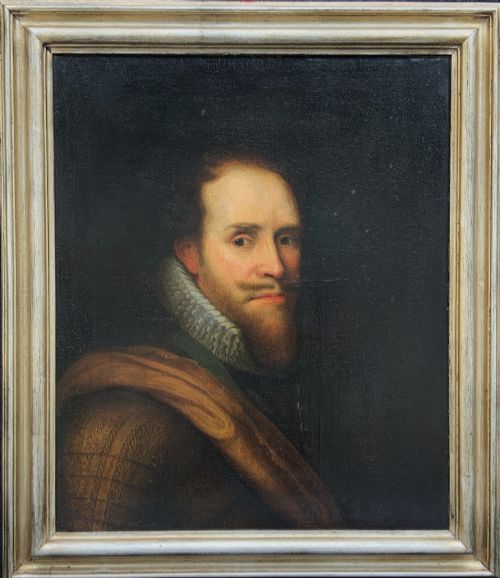
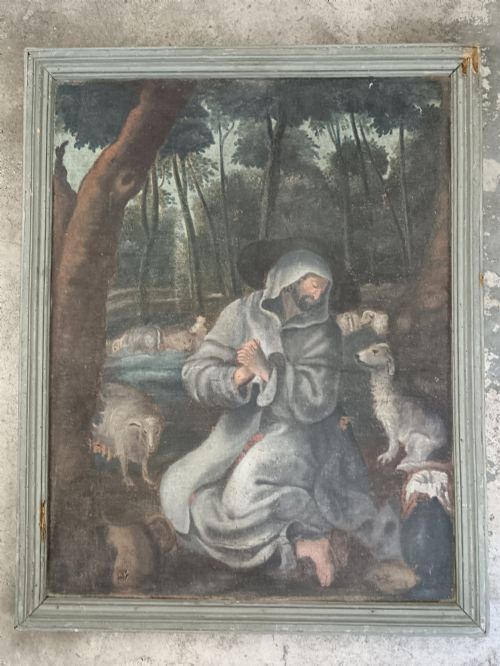
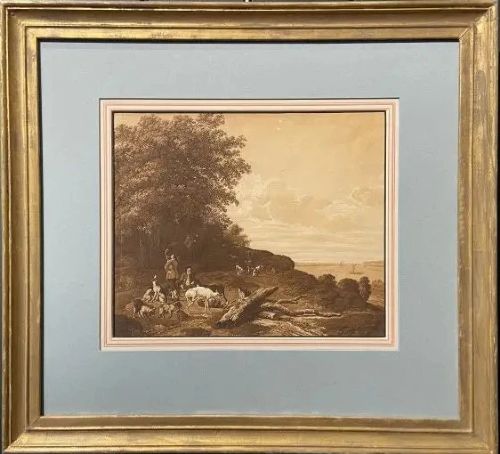
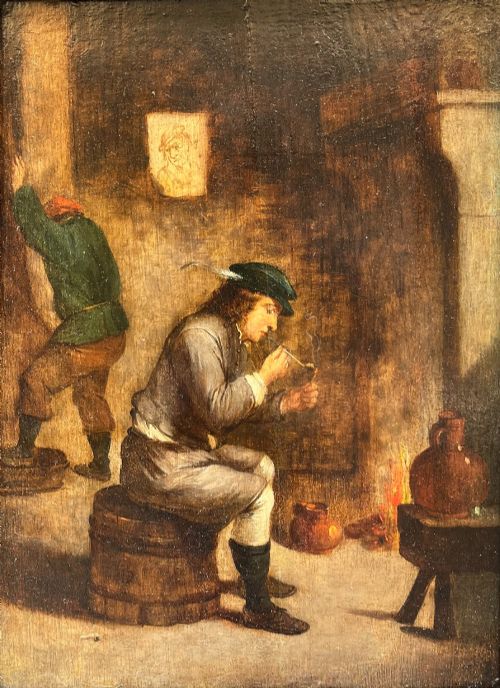
Old master wall art encompasses traditional European paintings, engravings and prints created from the sixteenth through the eighteenth centuries, alongside later reproductions and school pieces. Buyers searching this phrase most frequently encounter historic oil paintings on canvas and wood panel, depicting portraits, religious scenes and genre subjects.
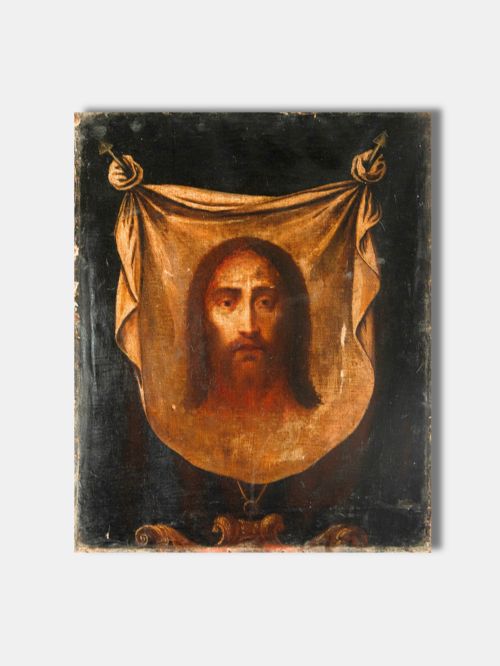
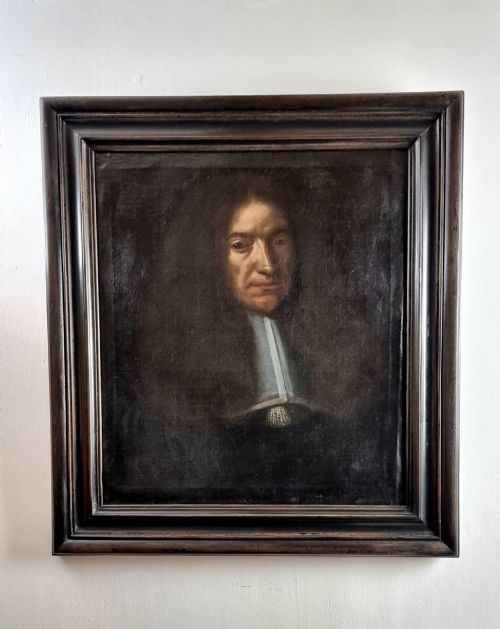
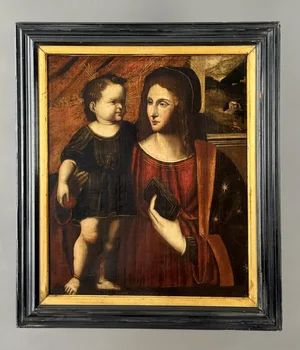
The selections span distinct regional movements including Dutch Golden Age, Italian Renaissance, Flemish Baroque and Spanish Baroque styles. Subjects range from formal portraits of nobility and judges to classical mythological narratives and devotional depictions of the Madonna and Child.
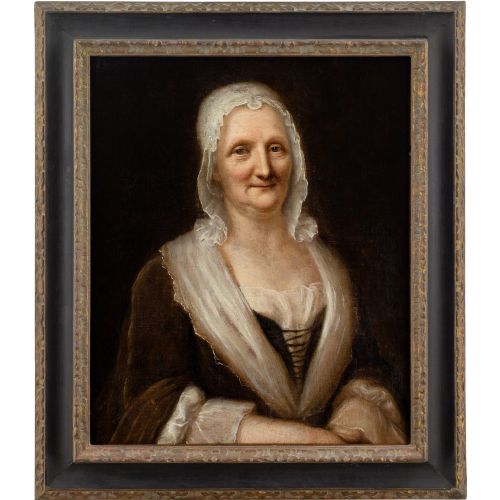
Pieces frequently originate from specific European schools or circles of prominent painters, demonstrating the enduring influence of master workshops across centuries. Surviving works often retain period framing, particularly carved giltwood surrounds that complement the tonal depth of the canvases.
Evaluating quality and execution
Quality rests in the handling of light, anatomical precision and the expressive depth of the brushwork, distinguishing master workshop output from routine provincial copies. Superior examples demonstrate confident compositional structure and subtle tonal transitions, particularly in facial modeling and fabric folds.
The listings feature oil paintings, engravings and watercolours spanning the sixteenth to the twentieth centuries, utilising canvas, wood, paper and giltwood.
John Boydell·Pier Francesco Mola·Sir Peter Lely·Benedetto Luti·Charles D’Agar·Pietro Fachetti·Johannes Lingelbach·David Teniers·Pieter Borseler·Sir Anthony Van Dyck·Nicolaes Maes·Raphael·Francesco Solimena·Philipp Peter Roos·Correggio·Rembrandt van Rijn
The Old Master Wall Art Glossary
- Pentimento
- A visible trace of earlier painting beneath the layers of paint, showing where the artist changed their composition. This alteration confirms the hand-painted nature of historic canvases.
- Mezzotint
- A printmaking process where the copper plate is roughened to achieve rich tones and subtle gradations of light and dark. It was widely used for reproducing famous paintings in the eighteenth century.
- Giltwood
- Wood that has been coated with gold leaf or gold paint, frequently carved into elaborate decorative frames. These surrounds were designed to enhance oil paintings from the Baroque and Renaissance periods.
- Genre painting
- The pictorial representation of scenes from everyday life, involving figures engaged in ordinary activities. Such works were a staple of Dutch and Flemish schools.
- Sanguine
- A type of red chalk used historically for sketching and drawing figures with warm, earthy tones. It appears frequently in portrait studies on paper.
Old Master Wall Art: Frequently Asked Questions
What is an old master painting?
An old master painting is a work produced by a European artist of high skill before roughly the nineteenth century, or a work from a recognised workshop of that era.
These pieces typically encompass religious, mythological, landscape and portrait subjects executed in oil on canvas or wood panel.
How do I identify the period of a painting?
Period identification relies on examining the costume of the sitters, the preparation of the canvas or panel, and the stylistic traits associated with specific European art schools.
Framing materials and historical attributions recorded in the title or provenance also provide reliable chronological markers.
How should I hang old master wall art?
Old master paintings and prints should be displayed away from direct sunlight and strong sources of artificial heat to protect the delicate oil pigments and paper supports.
Secure wall fixings suited to the weight of the timber stretcher and heavy giltwood frame are essential for safe placement.
What is a school of painting?
A school of painting refers to artists working within a particular geographic region and time period who shared stylistic techniques, training methods and workshop traditions.
Examples include the Dutch Golden Age, the Spanish Baroque and the Italian Renaissance.