

Antique Mahogany Urns
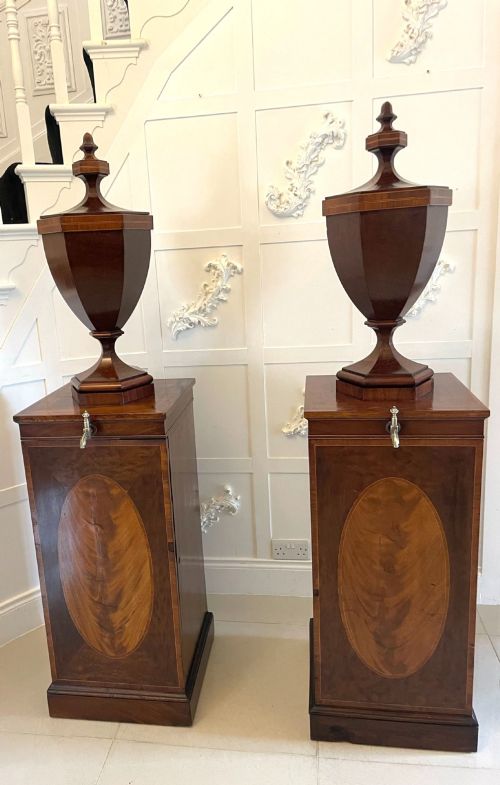
Antique mahogany urns are formal vessels and stands from the Georgian and later periods, prized for their rich timber and classical proportions.
Antique Mahogany Urns
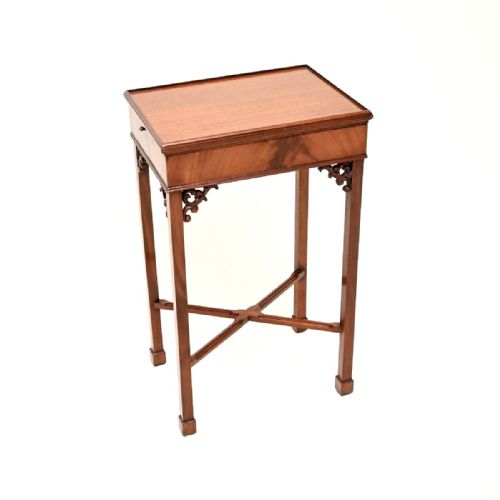
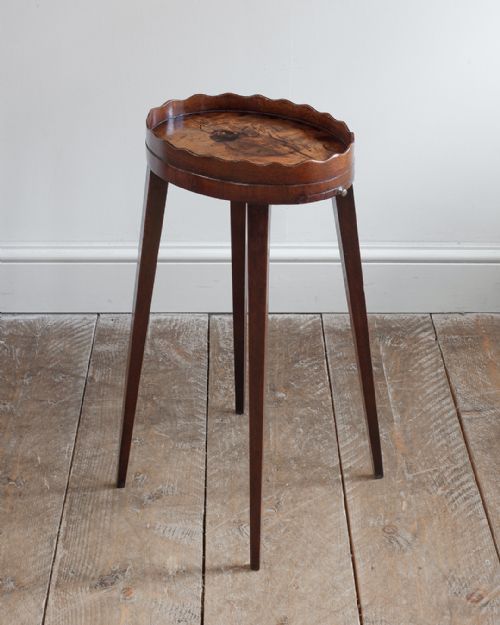
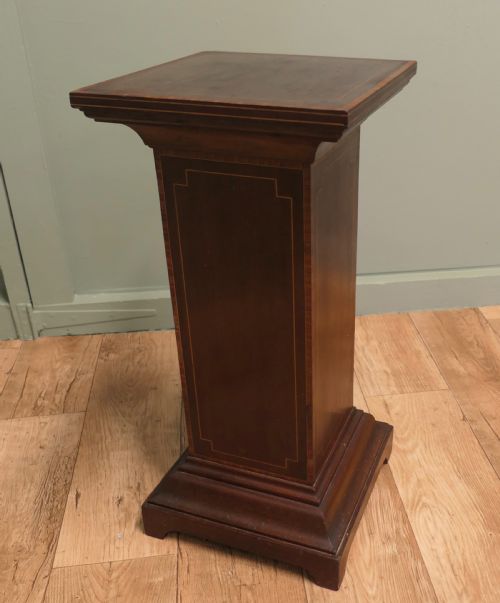
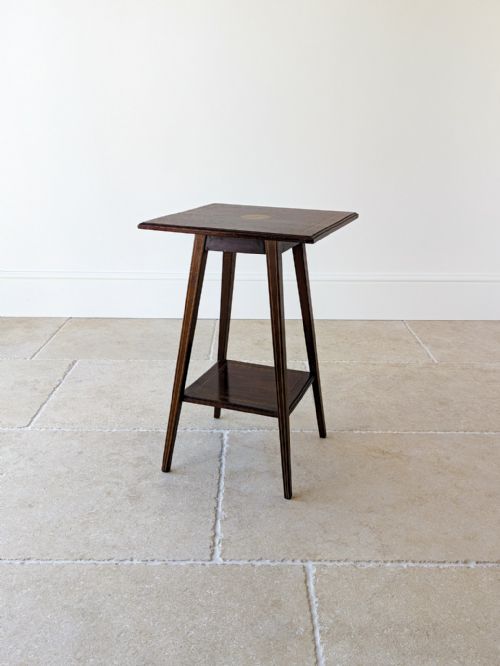
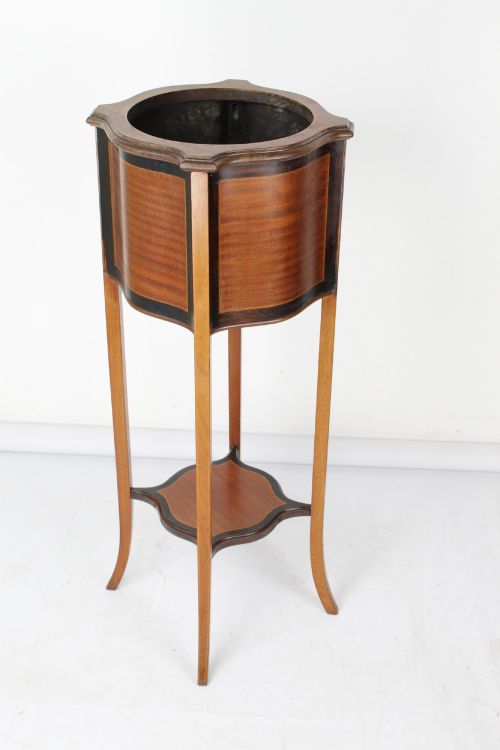
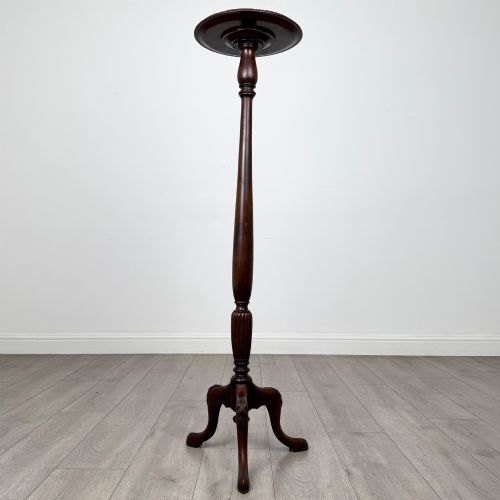
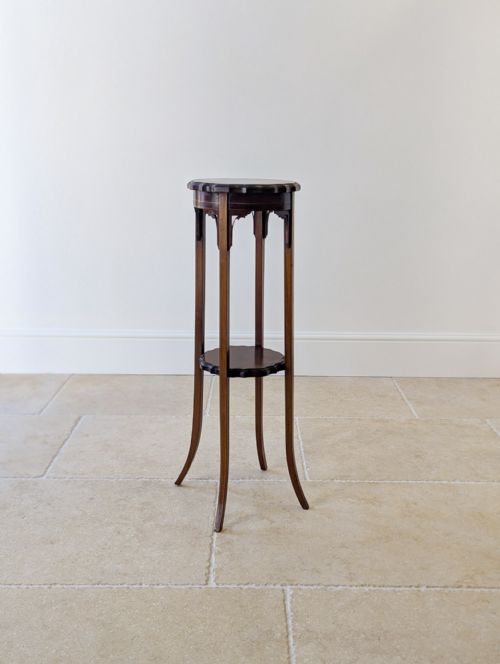
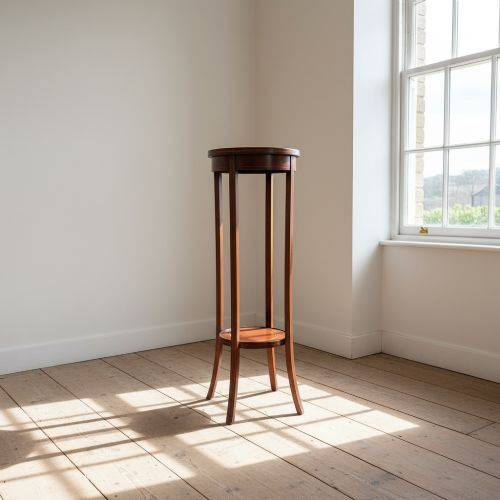
Antique mahogany urns encompass dining room accessories such as knife boxes and cutlery storage alongside display pedestals and wine vessels. Buyers searching this phrase encounter both functional receptacles from the Georgian era and decorative plant stands or torchères from the Edwardian period.
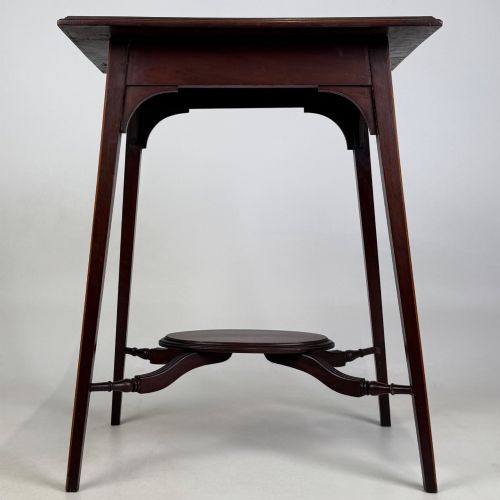
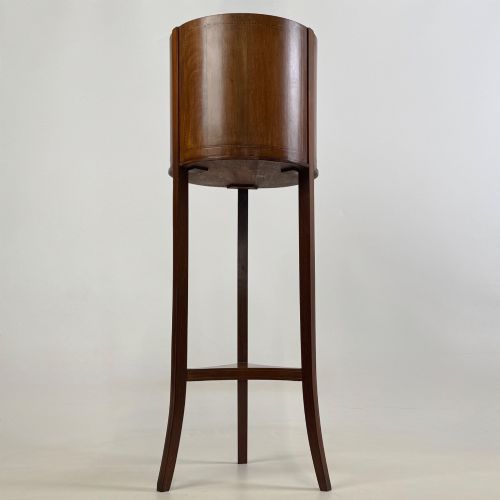
The pieces on this page span the eighteenth, nineteenth and twentieth centuries, reflecting changing domestic fashions in timber furniture. Formats range from octagonal urn stands and pedestal cupboards to tall planters and table-top containers.
Early examples connect directly to dining customs of the eighteenth century, whilst later revivals emulate the classical lines of Sheraton and George III design. Each variation serves either to display plants and decorative objects or to house household items within a structured silhouette.
How they were made
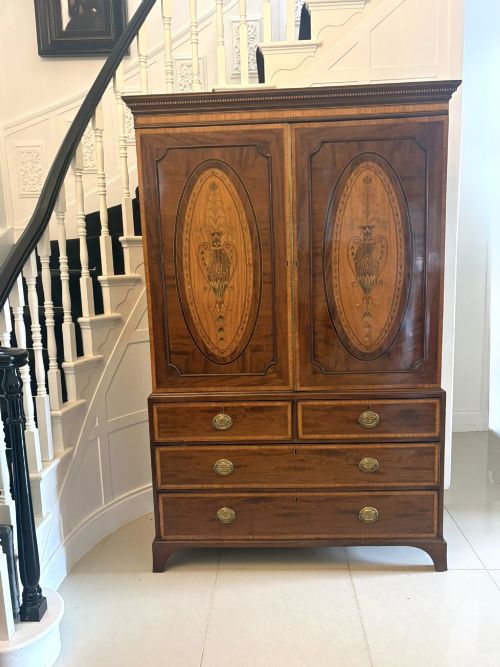
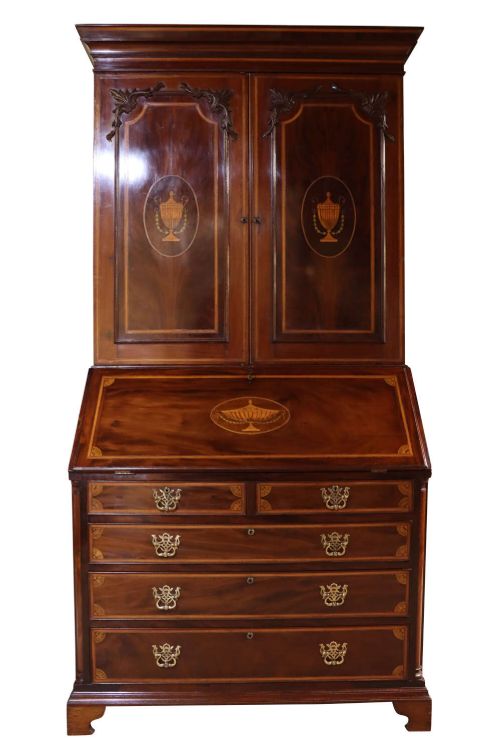
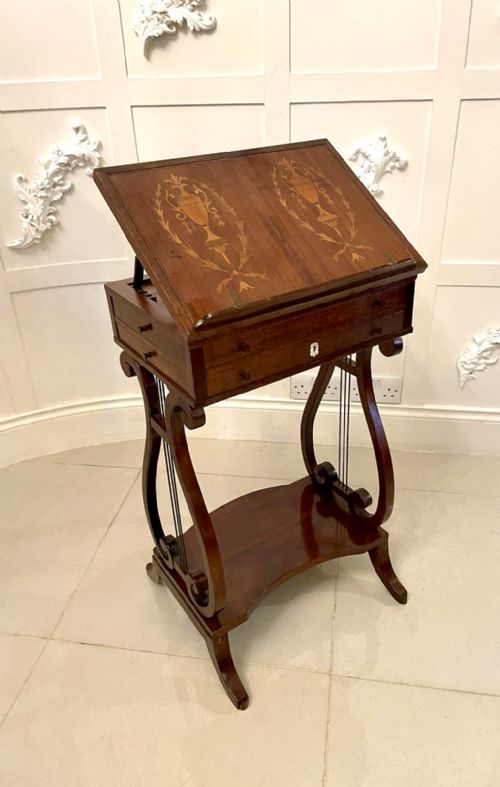
Craftsmen built these pieces primarily from solid and veneered mahogany, often selecting timber with deep grain patterns. Workshops enhanced surfaces through contrasting stringing and banding using satinwood, boxwood and other light woods.
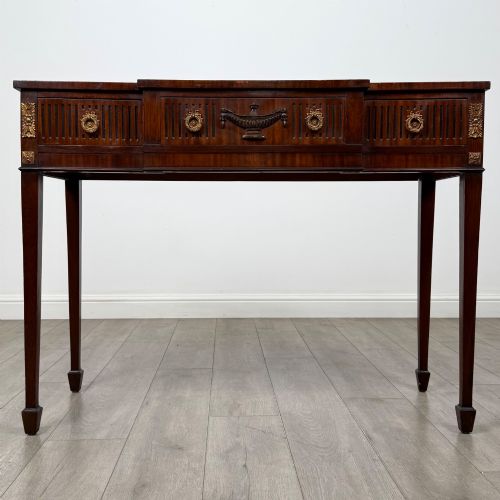
Inlaid details define the decorative scheme of many items, incorporating geometric borders or neoclassical motifs into the dark timber ground. Brass handles, hinges and mounts frequently provide functional accents that punctuate the polished mahogany surfaces.
Dining rooms once relied on locked mahogany boxes to keep the household silver secure from sticky-fingered staff.
What varies in quality
Quality rests upon the crispness of the timber carving, the precision of the marquetry inlay and the retention of original hardware. Superior examples display balanced proportions and tight joinery that have endured centuries of domestic use.
Later revivals vary according to the fidelity of their historical styling and the depth of finish applied to the wood. Pieces retaining their original pedestals or matching sets command greater interest among collectors of period furniture.
Druce And Co London
The Antique Mahogany Urns Glossary
- Urn stand
- A small, dedicated table designed to support a tea urn or decorative vessel. These tables often feature raised galleries or pull-out slides.
- Knife box
- A sloped container with a shaped front used in dining rooms for storing cutlery. Georgian iterations frequently employ serpentine or octagonal outlines.
- Torchère
- A tall, slender stand or pedestal intended to hold a lamp or candle. They appear frequently in Victorian and Edwardian iterations.
- Satinwood inlay
- A decorative technique inserting contrasting light-coloured timber into the mahogany ground. This method creates borders and classical motifs.
- Pedestal
- A supporting column or base elevating a planter, urn or figure. They occur in various heights across the nineteenth and twentieth centuries.
Antique Mahogany Urns: Frequently Asked Questions
What were antique mahogany urns used for?
These vessels and stands served practical roles in wealthy dining rooms and formal reception spaces. Wine urns held beverages, whilst knife boxes kept tableware organised.
Later stands shifted towards decorative duties, supporting indoor plants, lamps or decorative objects in Edwardian interiors.
How do I date an antique mahogany urn?
Dating relies on timber characteristics, construction methods and stylistic markers associated with specific periods. Georgian examples display hand-cut joinery and period brasses, whereas Edwardian pieces often incorporate machine-cut veneers and revival styling.
Examining the secondary woods inside containers and the nature of any inlay provides further clues to the decade of manufacture.
Where should I place an urn stand at home?
These compact stands suit corners, hallways or alongside seating where they can hold a plant or lamp. Their elevated profiles draw the eye upward without consuming much floor space.
Pairing a torchère or plant stand with a corner cabinet or side table helps create a balanced period arrangement in a room.
Are these pieces made of solid mahogany?
Many items combine solid timber framing with fine mahogany veneers applied to secondary woods like pine or oak. This technique prevented warping on curved surfaces and allowed craftsmen to utilise richly figured grain.
Inlays of satinwood and boxwood further embellished these composite surfaces without compromising structural stability.