


Antique Mahogany Desk Seating
Antique mahogany desk seating brings solid timber and traditional craftsmanship to a study, offering sturdy armchairs and library seats shaped over centuries.
Antique Mahogany Desk Seating
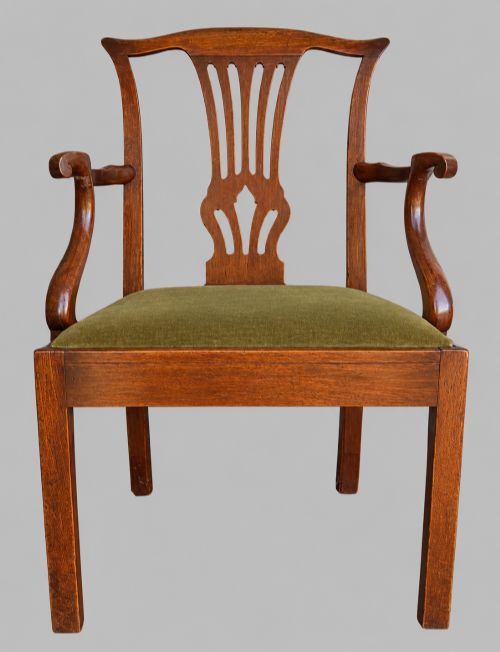
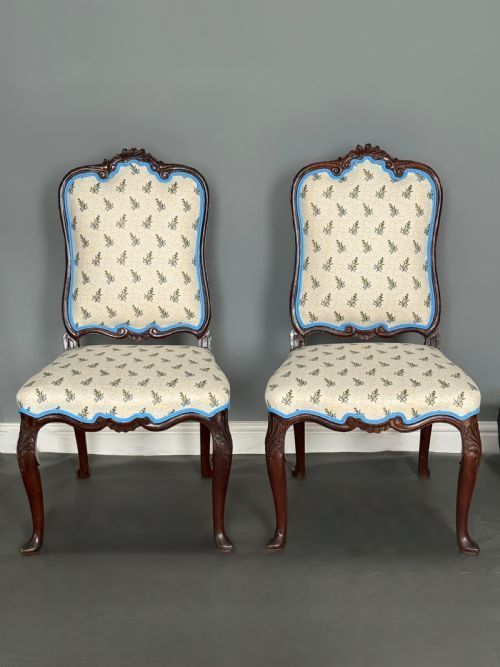
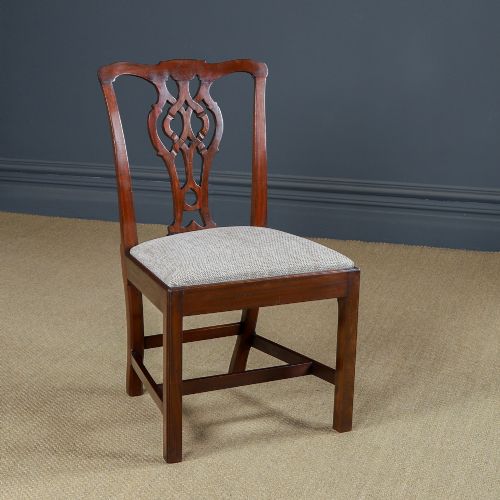
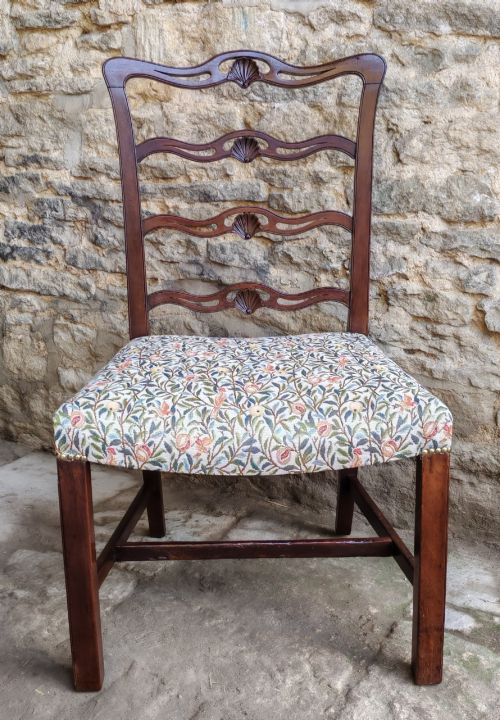
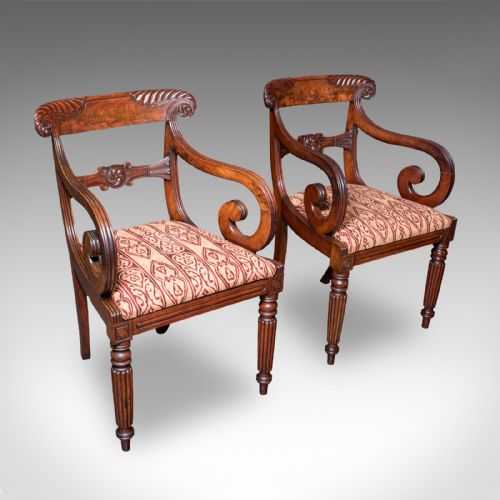
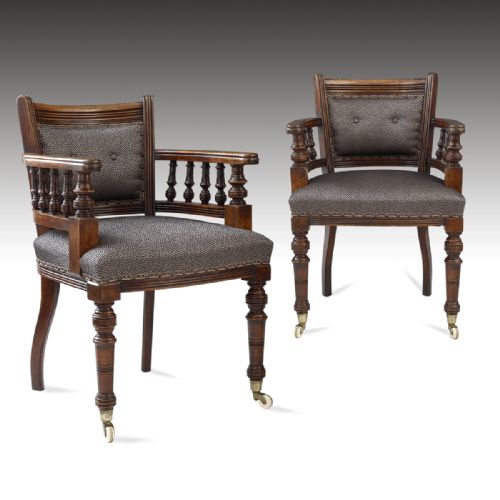
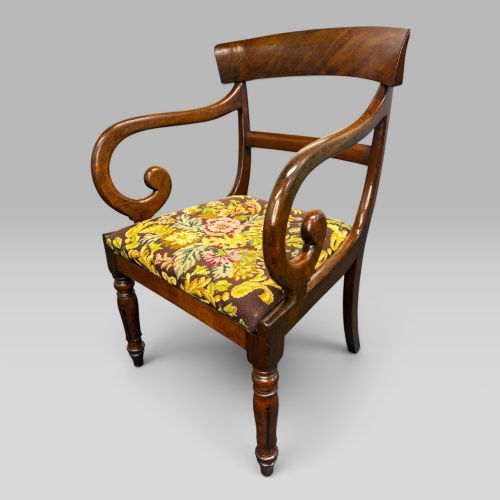
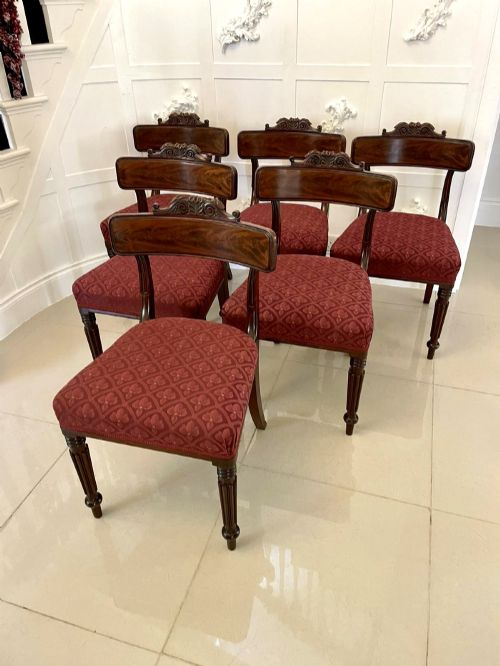
When you search for antique mahogany desk seating, you encounter sturdy wooden chairs designed for work, reading, and study across several historic periods. The selection spans robust Georgian library chairs, elegant Regency seating, and later Victorian or Edwardian interpretations.
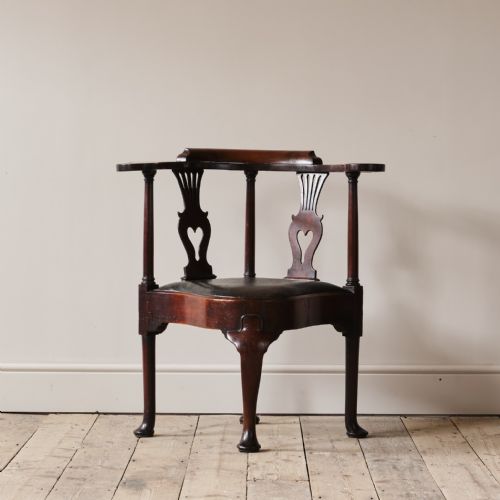
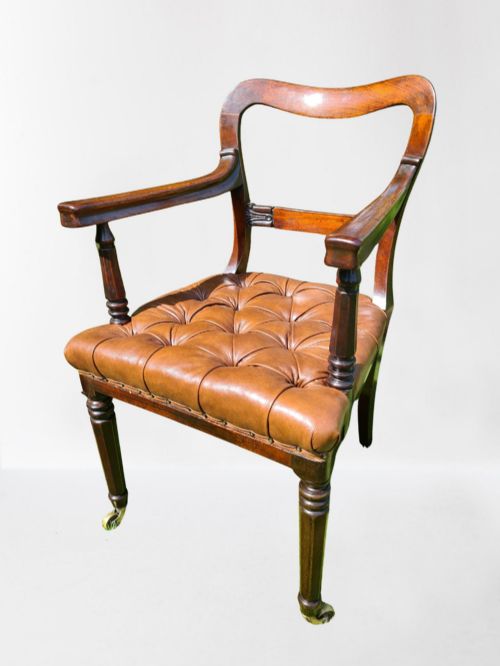
The forms vary from revolving desk chairs and Gainsborough armchairs to corner chairs and elbow seats. Many pieces incorporate leather, velvet, or cane inserts into their timber frames to provide comfort during long hours at a table.
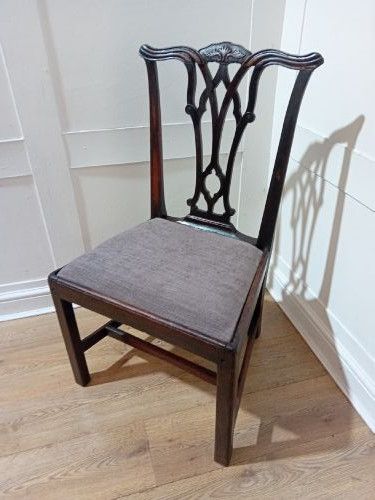
Origins stretch from English workshops to Scottish and Dutch makers, encompassing styles from Chinese Chippendale to Sheraton Revival. Pieces range from straightforward hall chairs to large upholstered library seats intended for substantial writing rooms.
Materials and construction methods
Makers built these seats primarily using mahogany, occasionally selecting Cuban mahogany for denser, highly figured grain. Secondary woods provided structural support within the frames, while brass castors and fittings appeared on mobile desk chairs.
Upholstery materials included hand-dyed hide leather, woven cane panels, and various fabrics such as velvet and rep. Artisans secured seating using drop-in frames, webbing, and traditional stuffing methods suited to the period of manufacture.
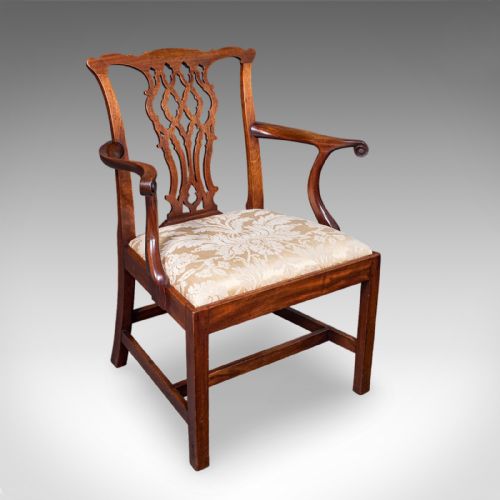
Carving techniques ranged from simple reeded frames to intricate Chinese Chippendale blind fretwork and scroll-carved backs. Joinery relied on traditional mortise and tenon construction to ensure the timber frames withstood daily use.
Materials appearing across the inventory include solid mahogany, brass castors, cane panels, leather hide, and velvet upholstery.
Distinctions in quality
The standard of carving defines much of the distinction between ordinary and superior pieces, particularly where hand-chiseled details or blind fretwork decorate the mahogany frame. Crisp lines and deep relief work indicate skilled cabinet-making.
The choice and execution of upholstery materials also mark differences in grade, from basic fabric inserts to hand-dyed English hide leather secured with individual brass tacks. Original timber patination and minimal structural alteration preserve the integrity of the piece.
Gillows
The Antique Mahogany Desk Seating Glossary
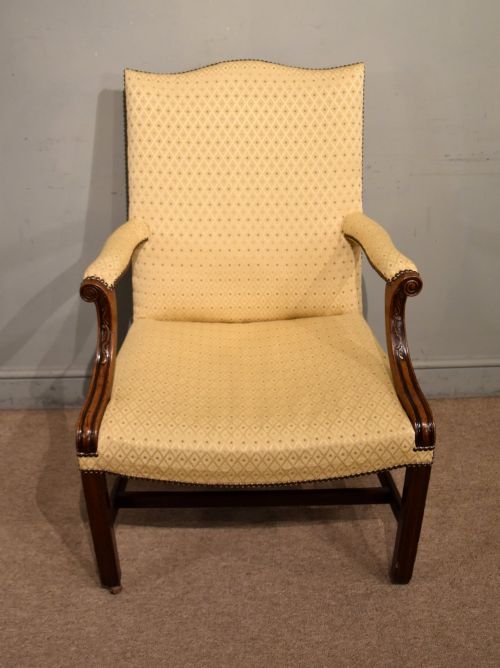
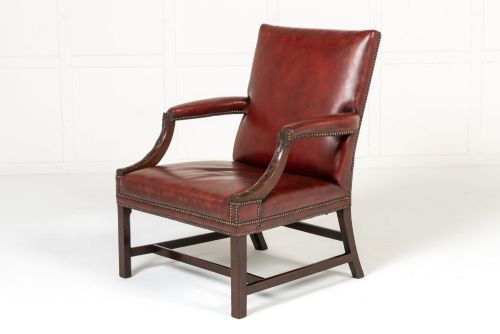
- Gainsborough chair
- A type of wide, upholstered armchair with open padded arms, designed during the Georgian era for reading or writing desks.
- Bergère
- An enclosed armchair with cane or upholstered sides and back, popular during the Regency period.
- Library chair
- A substantial armchair built for comfort in a study, often featuring leather upholstery and mahogany framing.
- Elbow chair
- An armchair with wooden supports for the arms, frequently utilised as a desk or reception seat.
- Caning
- Woven rattan material used for seats and back panels to provide a resilient, flexible surface.
- Blind fretwork
- Low-relief carved ornamentation applied to furniture surfaces, commonly seen in Chinese Chippendale designs.
Antique Mahogany Desk Seating: Frequently Asked Questions
What is a Gainsborough chair?
A Gainsborough chair is a wide, upholstered armchair featuring open padded arms designed for use at a desk or in a library. These seats emerged during the Georgian period and typically combine solid mahogany frames with leather or fabric covers.
Craftsmen built them to offer comfort during long periods of reading or writing. Their generous proportions distinguish them from standard dining chairs.
How do I identify a Victorian desk chair?
Victorian desk chairs often incorporate revolving mechanisms, heavy timber framing, and turned supports dating from the nineteenth century. They frequently show darker mahogany tones and robust construction.
Many examples include cane seating or padded leather upholstery. Their design reflects the industrial improvements and changing office needs of the Victorian era.
Are these chairs suitable for daily use?
Most antique mahogany desk seating is structurally sound enough for regular use provided the joints remain tight. Timber frames built with traditional joinery withstand daily sitting well.
Leather and fabric upholstery may require periodic maintenance or replacement depending on wear. Checking the stability of the legs and arms ensures safe everyday placement.