


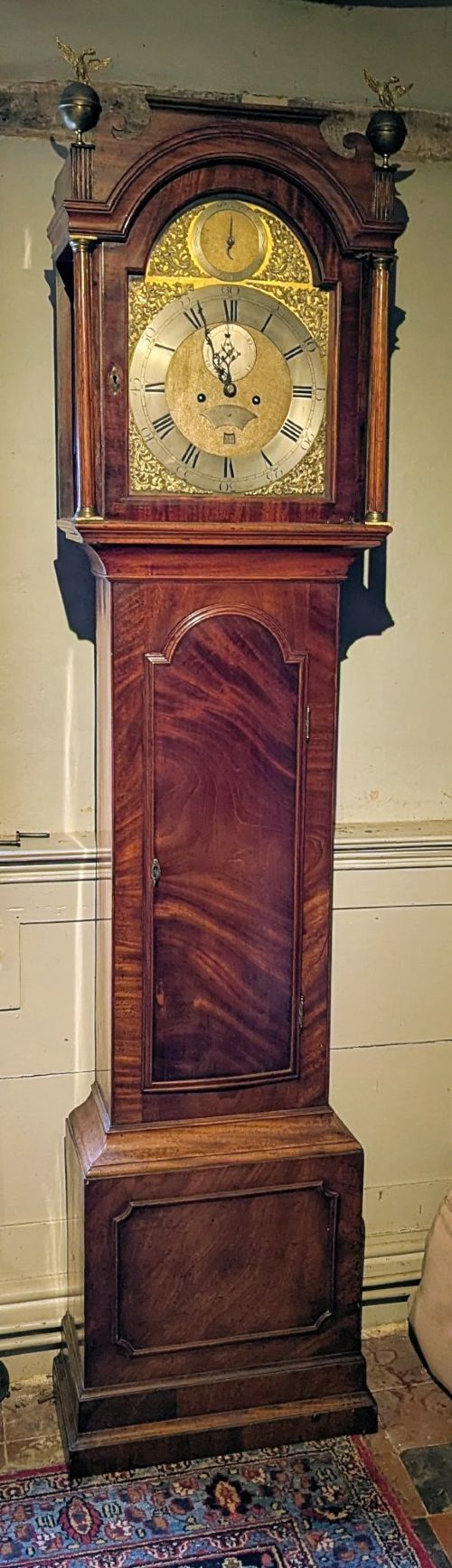
Antique Mahogany Clock Case
An antique mahogany clock case houses the delicate mechanics of a tall timepiece in a rich timber housing.
Antique Mahogany Clock Case
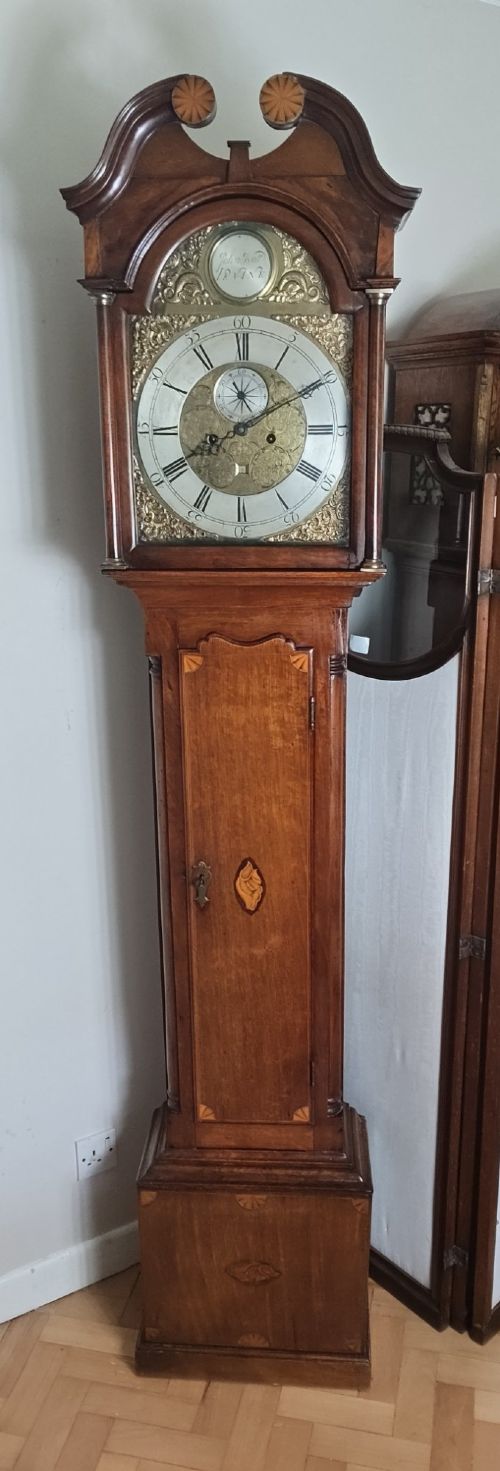
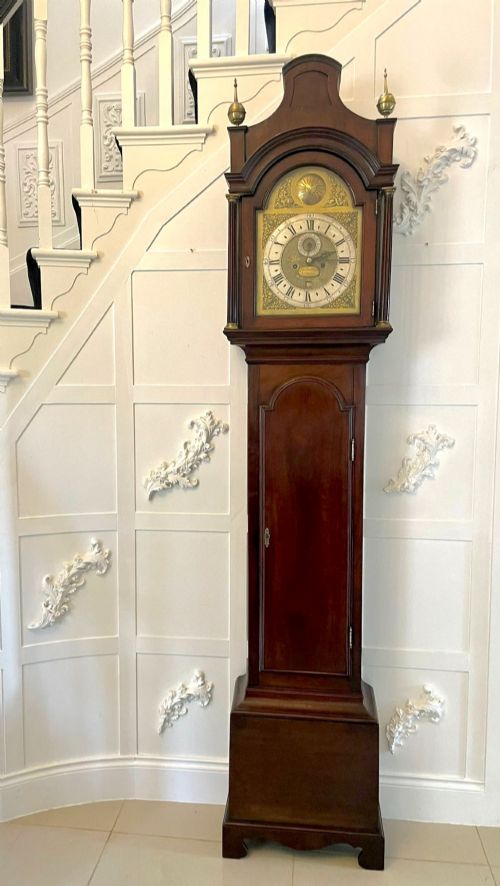
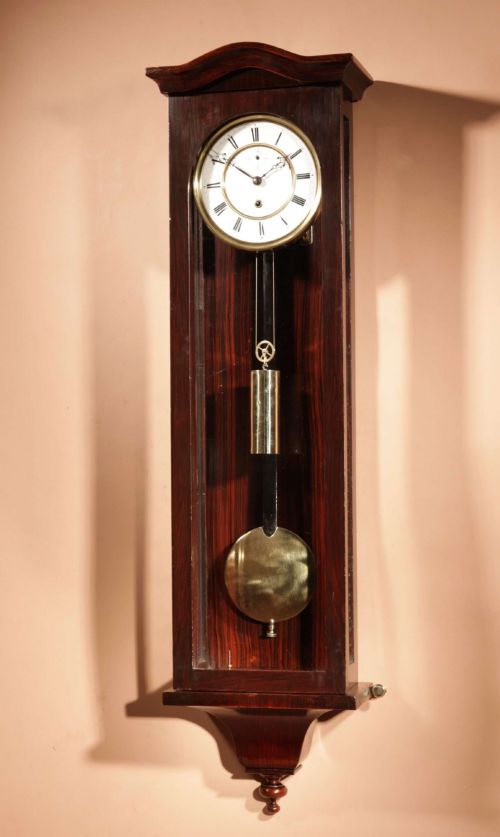
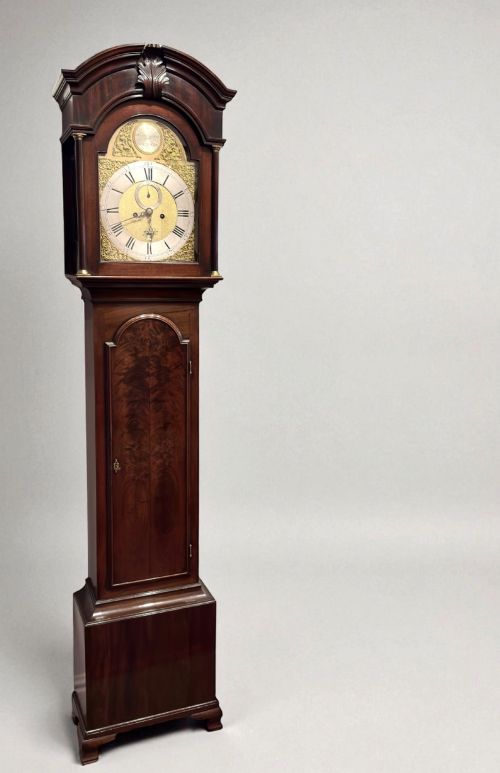
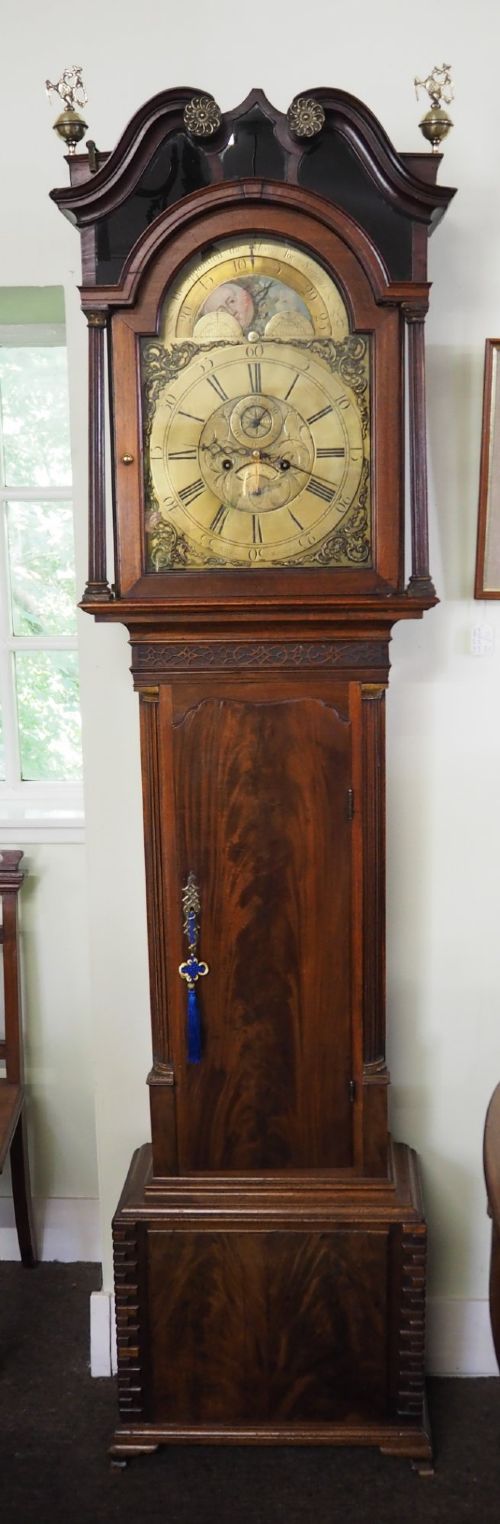
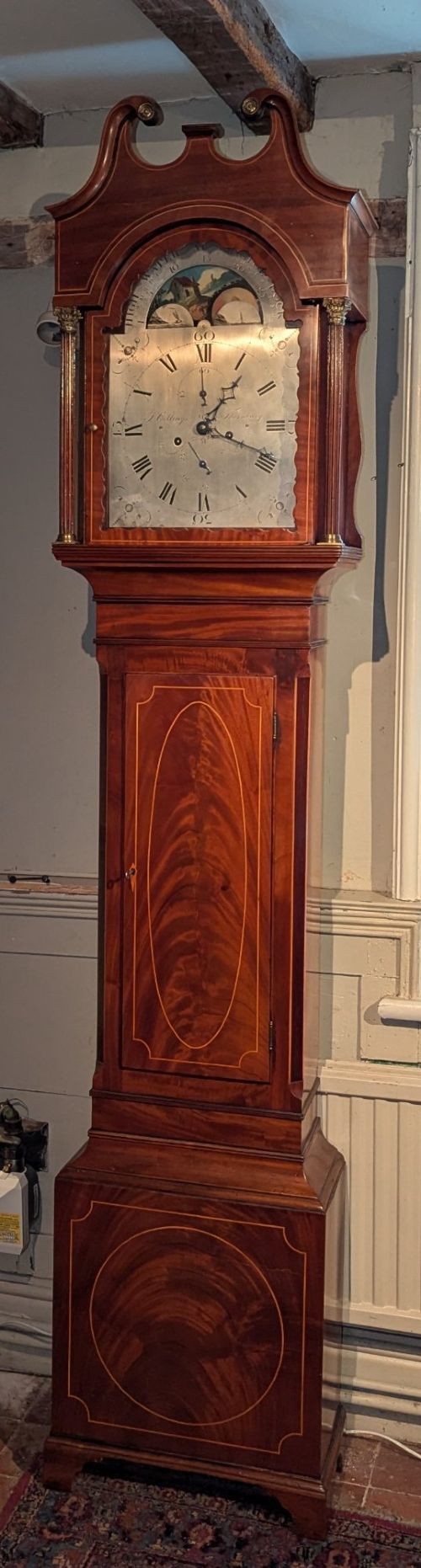
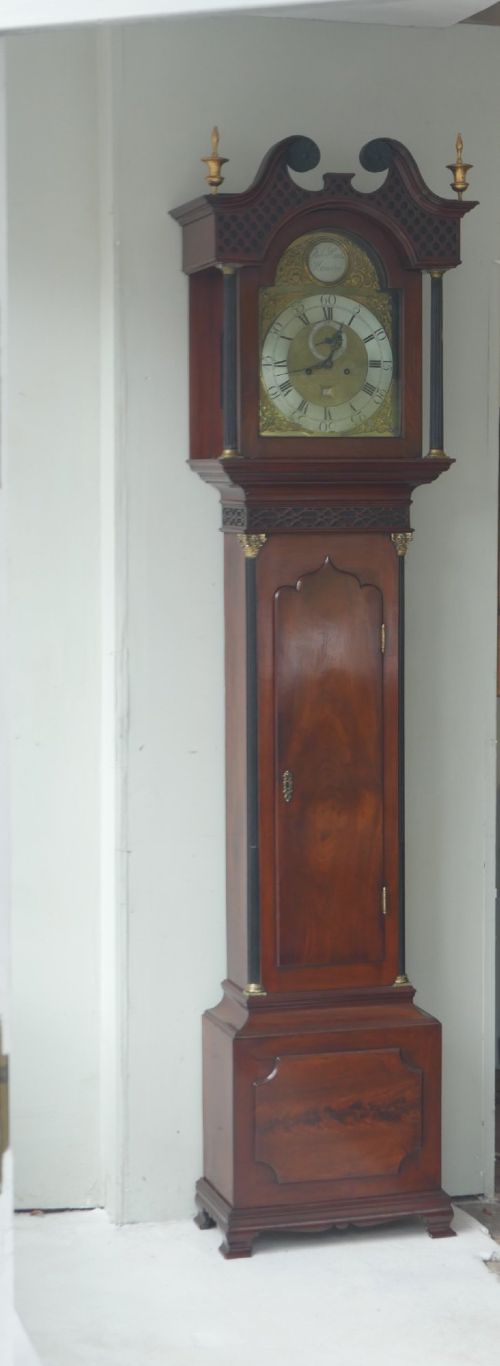
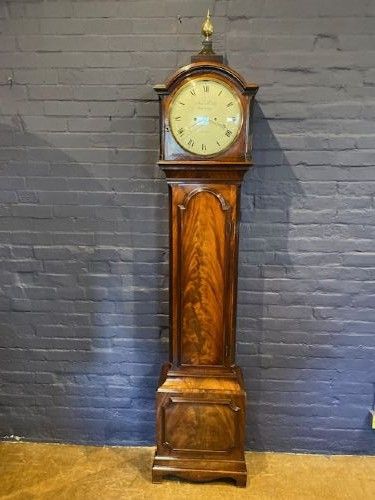
An antique mahogany clock case represents the protective wooden housing designed to shelter longcase, grandfather, and grandmother clocks. These housings protect delicate pendulum mechanisms and weights from dust and accidental damage while displaying the timekeeping apparatus in domestic rooms.
The pieces seen most often originate from the Georgian and Victorian eras, alongside Edwardian and 19th-century examples. Makers constructed these tall vertical timber enclosures to stand proudly in hallways and principal rooms, utilising dense tropical hardwoods.
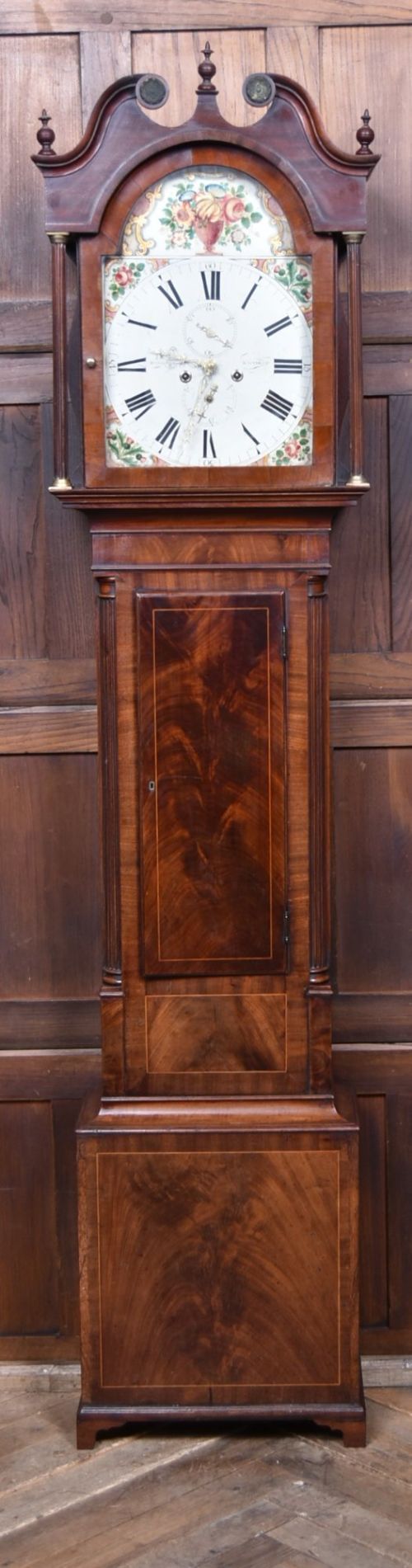
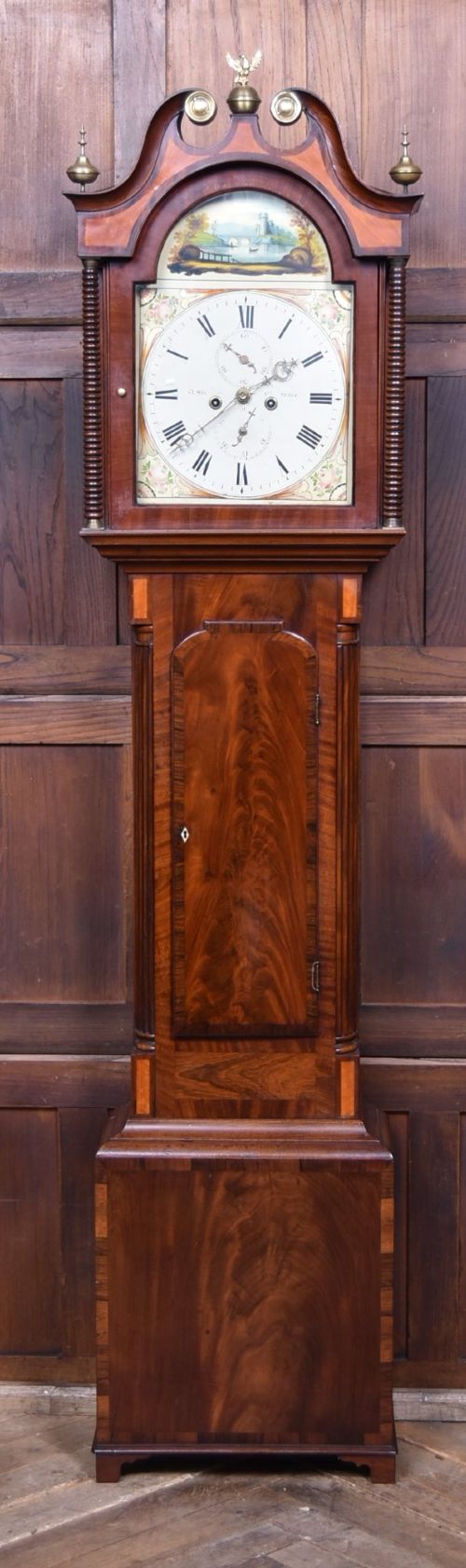
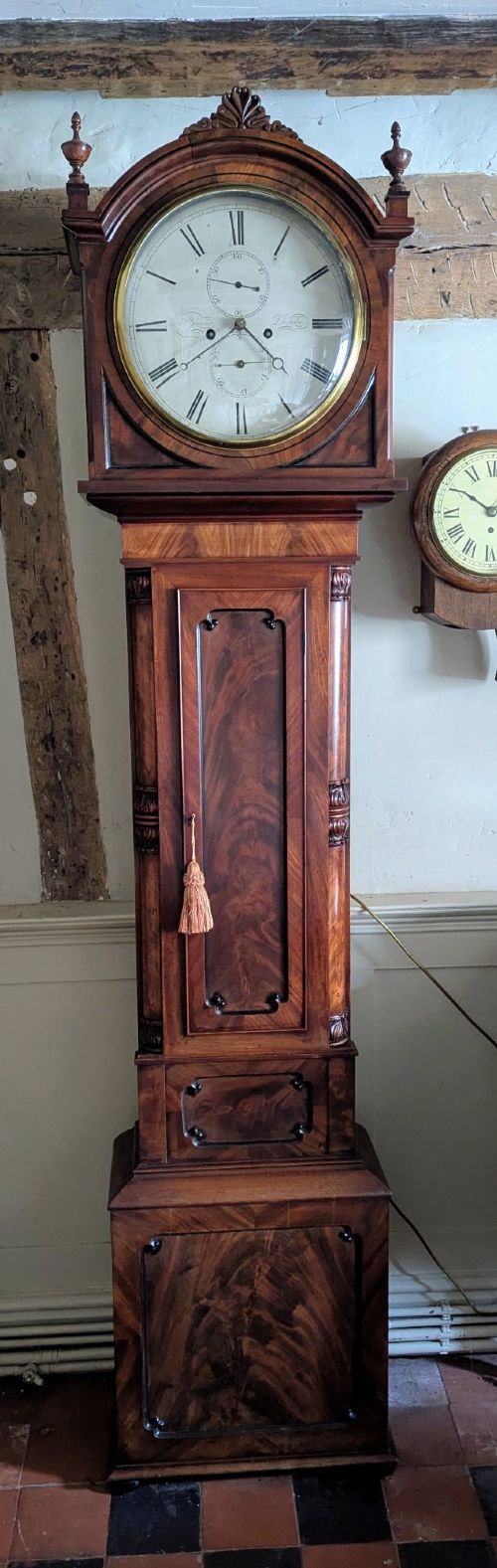
Regional variations appear frequently across the inventory, including Scottish longcase models and Welsh automaton clocks featuring rocking ships. Regional cabinetmakers adapted standard proportions to suit local tastes while maintaining the central tallcase architectural format.
How They Were Made
Cabinetmakers constructed these clock housings primarily using solid mahogany timber, sometimes incorporating oak secondary framing or decorative marquetry inlays. Selected boards were planed and joined to form the slender trunk, box base, and glazed hood enclosing the dial.
Metal components such as brass, steel, and silvered metal formed the structural fittings, hinges, and decorative dial face plates. Enamel and painted iron dials provided clear backgrounds for numerals, while glass protected the moving hands and indicators.
Certain Welsh longcase models include a mechanical rocking ship that rolls continuously with the pendulum swing.
What Varies in Quality
The standard of timber selection and cabinetmaking craftsmanship dictates the tier of the piece. Superior examples display carefully matched grain patterns, precise joinery in the trunk and hood, and refined architectural proportions.
Decorative elements such as fine brass dial work, moon phases, or intricate inlay differentiate standard production from exhibition pieces. Maker signatures on the dial or movement elevate the historical interest of the clock enclosure.
Charles Shuckburgh London·John Denbigh Merton Park·Gillett and Johnston Croydon·Waring and Gillow Liverpool
The Antique Mahogany Clock Case Glossary
- Longcase clock
- A tall pendulum clock enclosed in a wooden housing standing directly on the floor. These instruments measure time using weights suspended inside the trunk.
- Grandmother clock
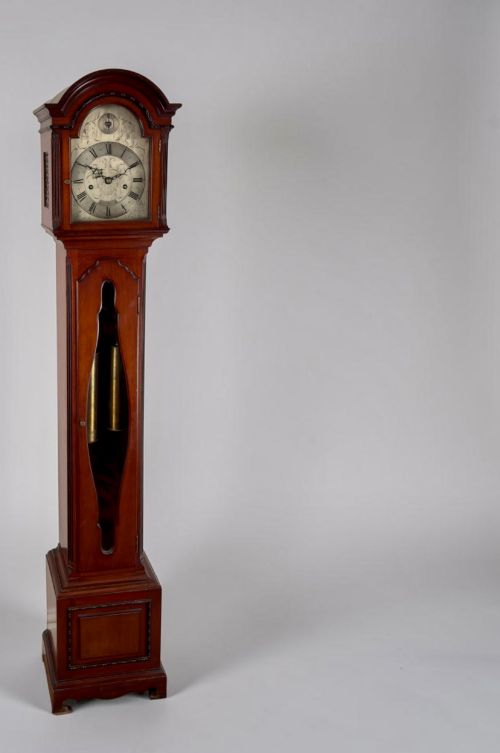
- A smaller, more slender version of the traditional longcase clock. This diminutive housing suits rooms with lower ceilings while retaining standard mechanical movements.
- Moon phase
- A dial mechanism tracking the lunar cycle behind a shaped aperture on the clock face. This feature displays the waxing and waning phases of the moon.
- Fusee
- A conical pulley connected to the mainspring by a cord or chain. This device maintains equal power delivery as the spring unwinds.
Antique Mahogany Clock Case: Frequently Asked Questions
How do I identify a Georgian clock case?
Georgian clock housings date from the 18th and early 19th centuries, displaying restrained classical proportions and rich mahogany surfaces. These pieces often feature brass dial furniture and understated architectural mouldings.
Later Victorian and Edwardian examples occasionally incorporate heavier carvings or varied inlay patterns. Examining the timber patination and internal construction helps confirm the production period.
Where should I place a longcase clock?
Longcase clocks require a stable, dry environment away from direct sunlight and temperature fluctuations. A level floor is essential to ensure the pendulum swings evenly and the movement keeps accurate time.
Tall housings need adequate vertical clearance, usually in hallways or living rooms where the timber presence complements interior spaces.
What is the difference between grandfather and grandmother clocks?
Grandfather clocks are full-size longcase timepieces standing over six feet tall with substantial weights and long pendulums. Grandmother clocks are significantly shorter and narrower scale versions produced in later periods.
Both utilise similar mahogany housing techniques and dial layouts, but the grandmother variety suits more compact domestic settings.
How do moon phase dials work?
Moon phase mechanisms rotate behind the painted dial face once every lunar month to show the current phase of the moon. This painted disc uses dual lunar illustrations visible through a curved arch opening.
Clockmakers integrated this complication into high-grade mahogany cases alongside eight-day movements to display astronomical information.