

Antique Luggage
Antique luggage encompasses trunks, leather cases, and oak or mahogany stands built for travel from the eighteenth century to the art deco era.
Antique Luggage
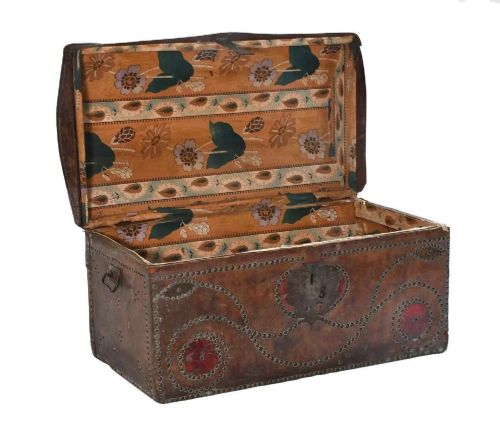
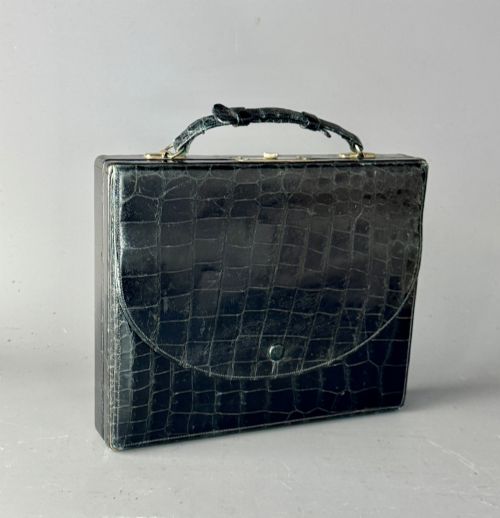
When you search for antique luggage, you encounter a diverse range of items designed for travel and personal transport, spanning from eighteenth-century leather chests to art deco vanity cases and coaching tables. These objects served practical journeys by coach, train, or steamship, utilising robust construction to protect personal belongings on long voyages.
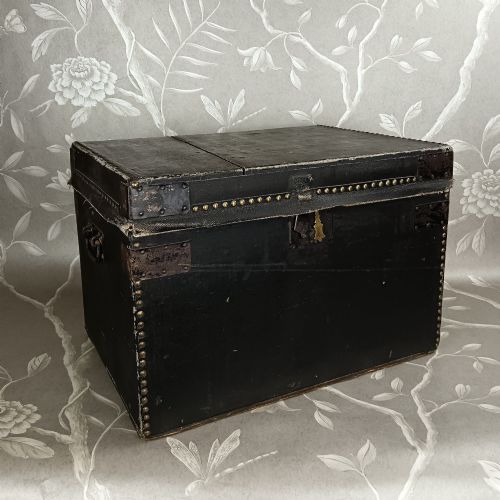
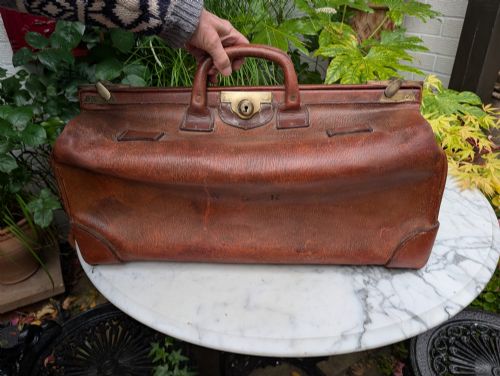
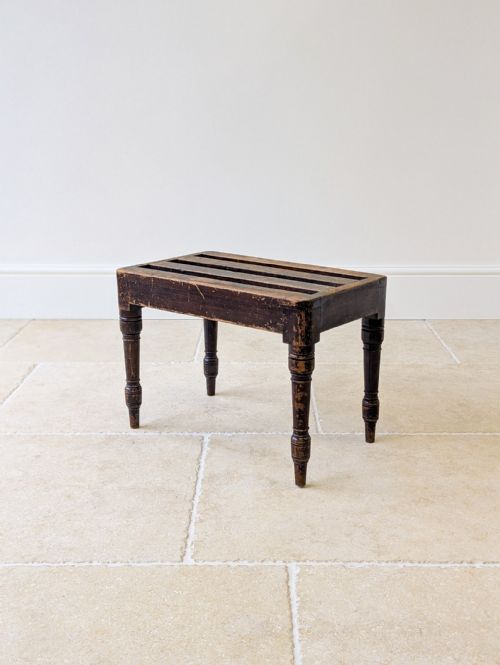
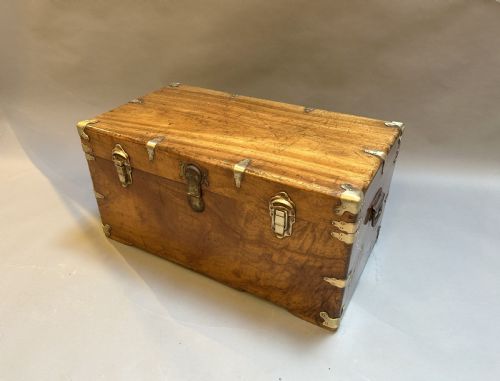
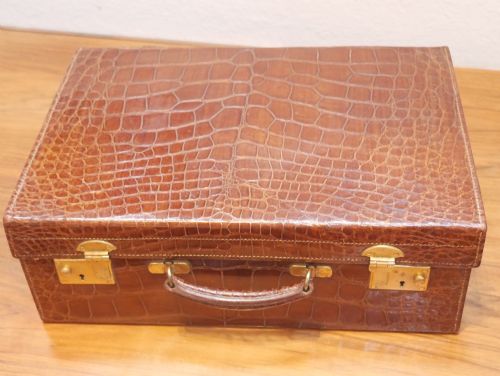
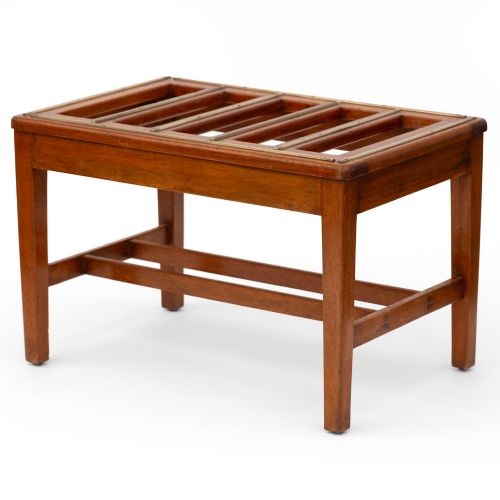
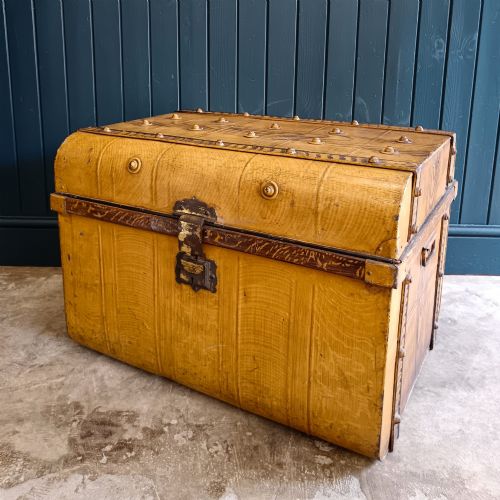
On this page, you are most likely to meet oak and mahogany luggage stands alongside leather suitcases, steamer trunks, and hat boxes from the Victorian, Edwardian, and 1920s periods. These forms range from folding luggage racks used in hotels and country houses to heavy-duty travel trunks bearing original hardware and maker plates.
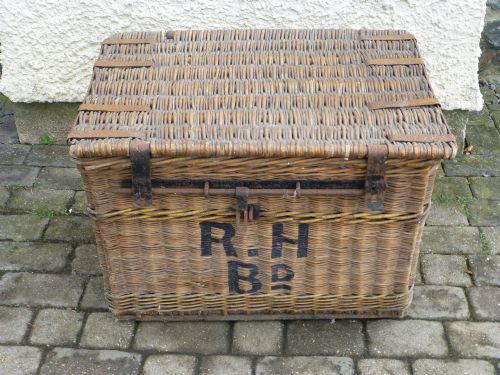
The assortment includes specialised storage items such as multi-top hat cases and fitted cabin wardrobes alongside domestic utility pieces like wicker log baskets and occasional tables. Each item reflects the travel habits and craftsmanship of its specific decade, connecting utilitarian purpose with period style.
How they were made
Makers utilised a combination of sturdy framing timbers such as oak, mahogany, and walnut alongside durable surface coverings including leather, canvas, and wicker. Metal elements like brass locks, iron brackets, and corner reinforcements provided essential protection against the rigours of transit.
Joinery methods varied according to the object type, employing solid wood framing for coaching tables and luggage stands, while steamer trunks relied on reinforced internal frames covered in canvas, metal, or leather. Faux-wood painted finishes and specialised hardware completed pieces designed for heavy usage.
Antique Luggage Retail Price Guide 2026
Typical asking prices for luggage among the pieces listed under this phrase on Sellingantiques today, from the lower quarter to the upper quarter. They describe what is for sale here now, not the wider market.
Listings feature oak, mahogany, walnut, brass, leather, iron, canvas, and wicker across pieces dated from the eighteenth century to the 1930s.
What varies in quality
The distinction between standard utility items and superior pieces often lies in the selection of materials and the integrity of the original hardware. Finer examples feature substantial timber construction, high-grade leather, and functional brass locks bearing maker stamps rather than basic iron fixtures.
Originality of components and surface preservation dictate the standing of a piece within its category. Items retaining untouched fittings, original linings, and maker labels command greater interest than those altered or stripped of their travel history.
Brown & Lamont·Dunhill London·Wm. Insall of Bristol·Louis Vuitton·Lincoln Bennett·Army and Navy·Seaward
The Antique Luggage Glossary
- Steamer trunk
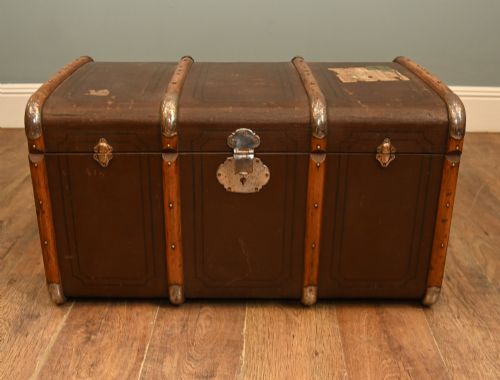
- A low-profile travel chest designed to fit beneath a steamship berth. These cases often featured internal compartments and robust exterior bindings.
- Coaching table
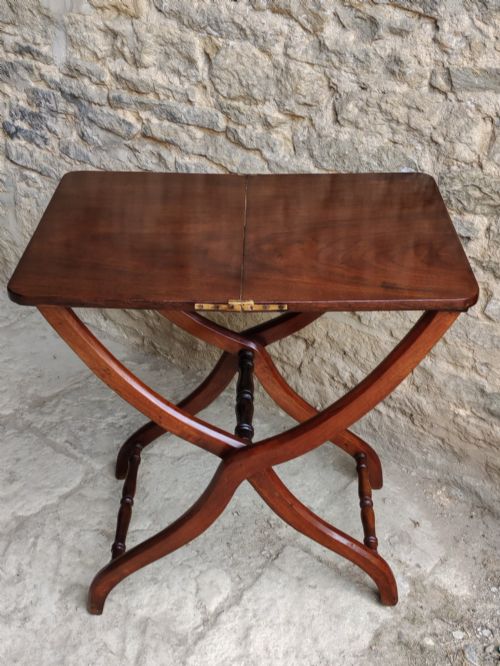
- A folding wooden stand used during travel to hold luggage or trays. They typically feature X-frame folding legs for easy transport.
- Portmanteau
- A large travelling bag or suitcase that opens into two equal compartments. This term commonly describes traditional hinged leather luggage.
- Luggage stand
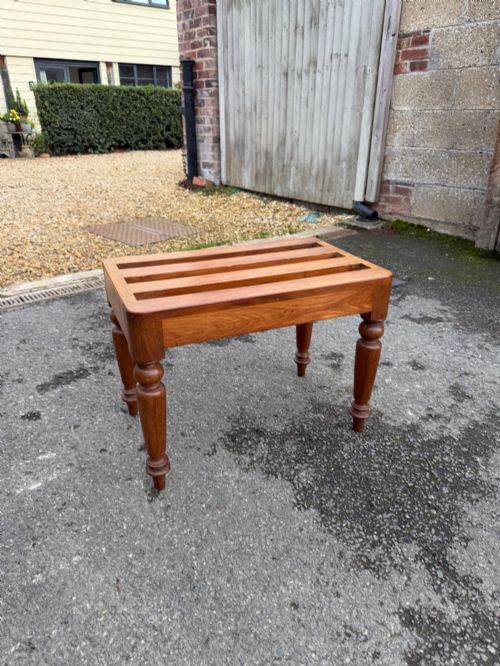
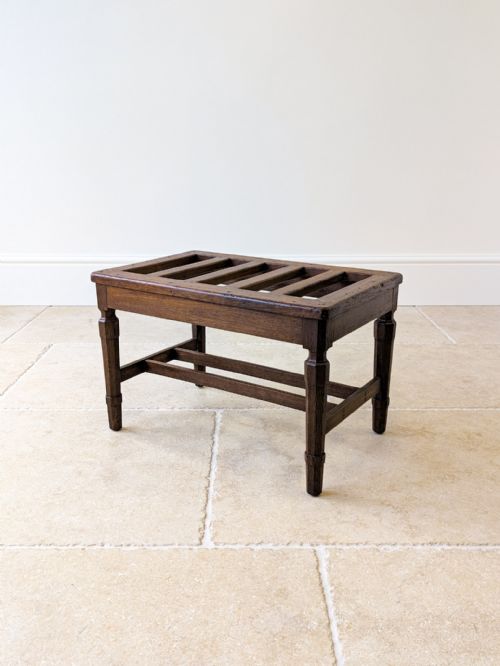
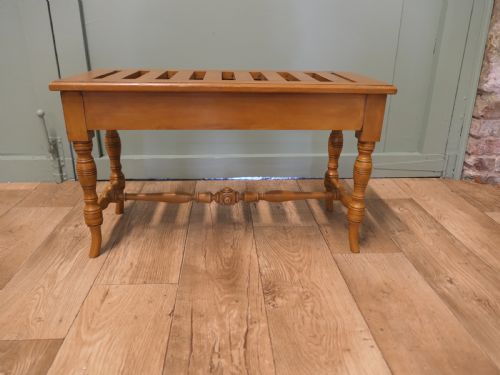
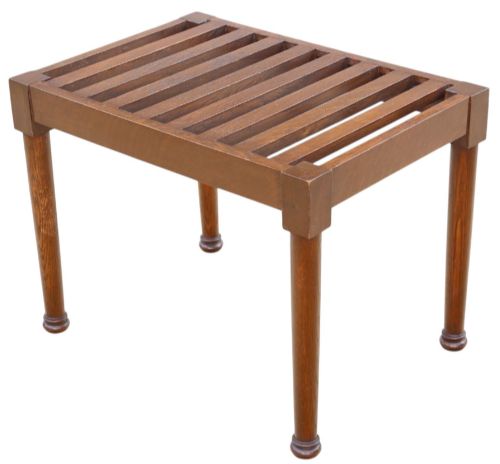
- A low rack, frequently made of oak or mahogany, placed in guest rooms to hold a suitcase off the floor. They often include folding legs or slatted tops.
- Hat box
- A rigid container specifically shaped to store headwear safely during travel. Antique versions frequently accommodate multiple tall hats or top hats in stacked compartments.
Antique Luggage: Frequently Asked Questions
How do I use an antique luggage stand today?
Luggage stands serve well in guest bedrooms as convenient luggage holders or as blanket racks at the foot of a bed.
Their folding designs and slatted tops also make them suitable as occasional tables or plant stands in domestic settings.
Were steamer trunks waterproof?
Most steamer trunks used canvas-covered wood, treated leather, or painted metal to resist moisture during sea voyages.
While weather-resistant for transit on ships and trains, they require stable indoor humidity to preserve the internal wood and fabric linings today.
What is the difference between a trunk and a suitcase?
Trunks are heavy storage chests built with rigid wooden or metal frames designed for luggage holds and extended travel.
Suitcases are smaller, lighter hand-luggage items equipped with handles for personal carrying during shorter journeys.
How do I identify a Victorian luggage piece?
Victorian items often display heavy leather construction, brass studding, and robust iron hardware typical of nineteenth-century craftsmanship.
Maker stamps, specific lock manufacturers, and traditional wood choices like oak and mahogany further assist in dating these pieces.