
Antique Low Wooden Cabinet
An antique low wooden cabinet provides practical storage while anchoring a room with period timber and proportion.
Antique Low Wooden Cabinet
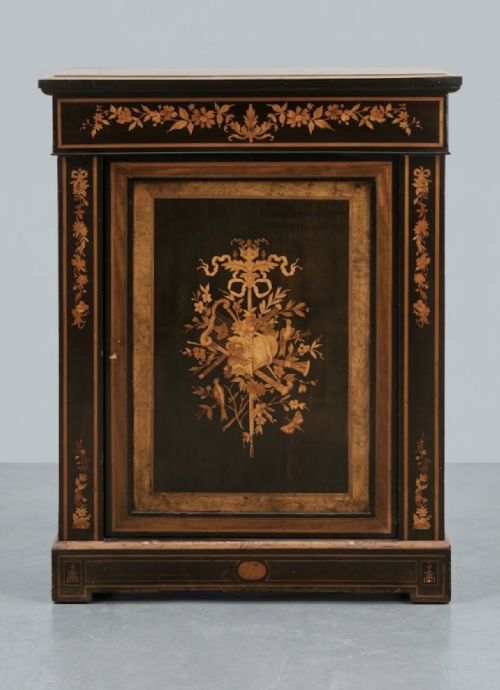
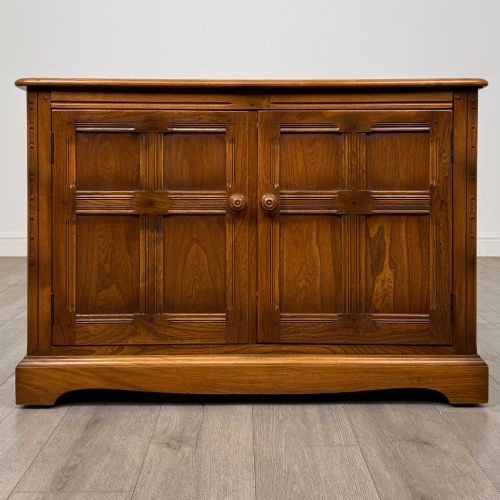
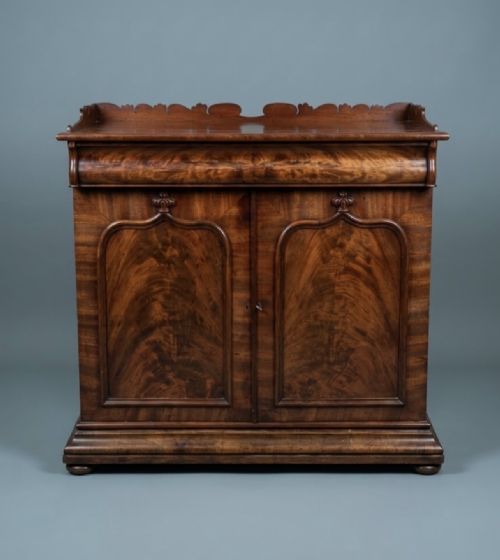
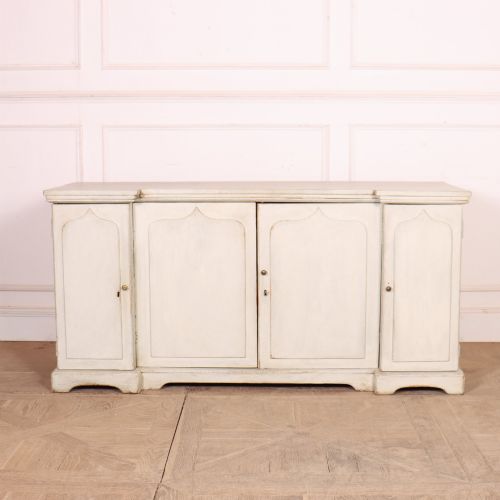
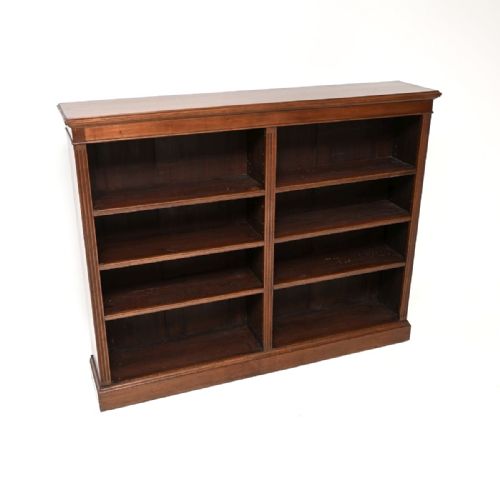
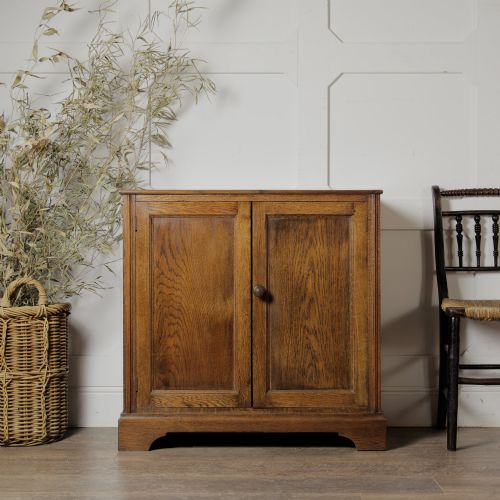
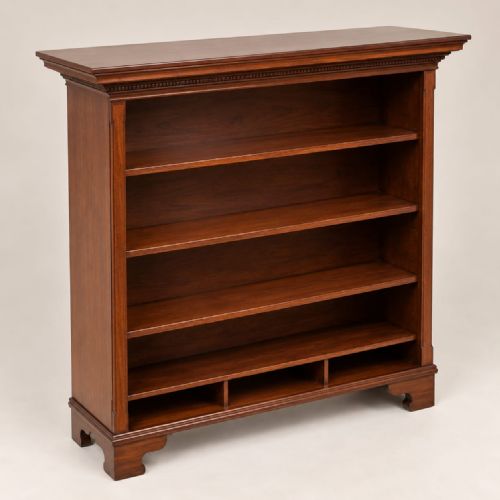
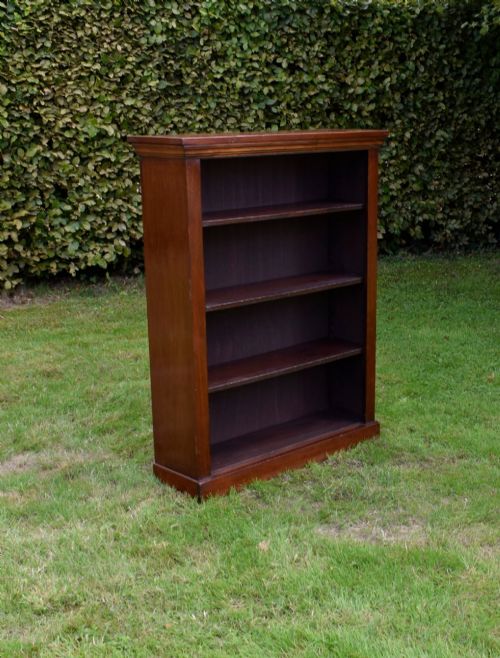
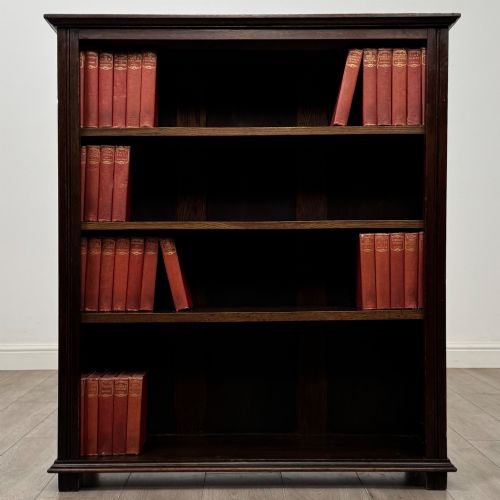
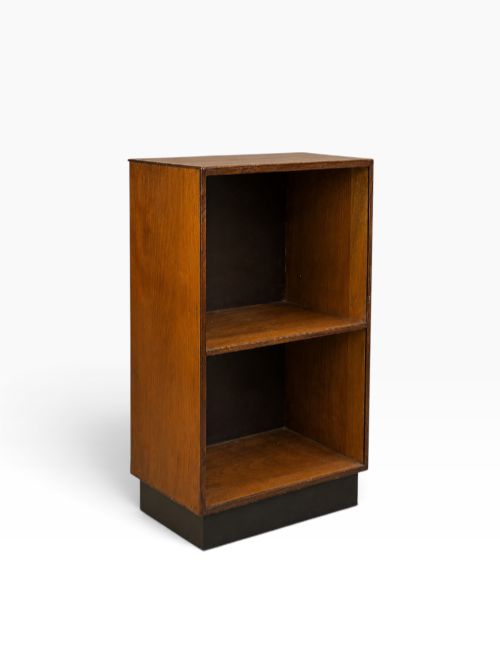
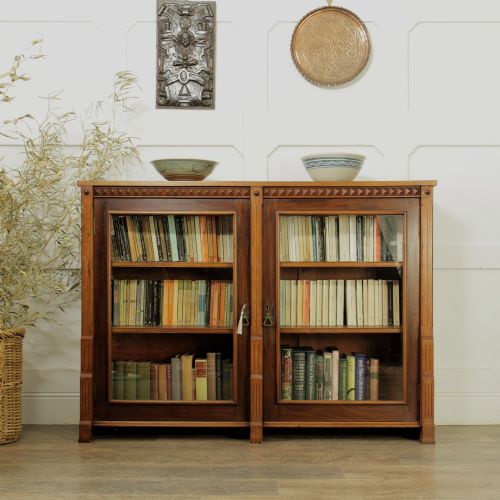
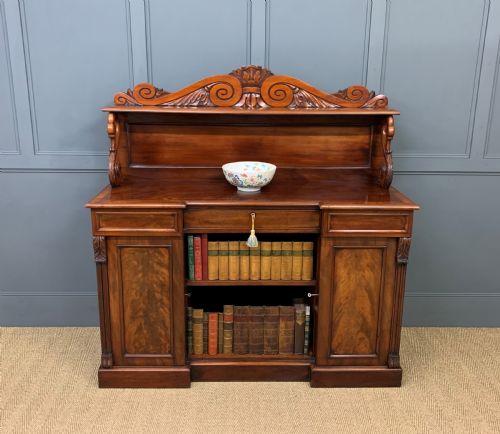
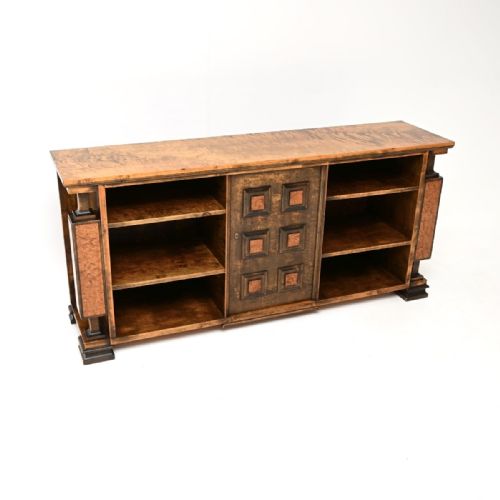
An antique low wooden cabinet encompasses low bookcases, side cabinets, cupboards, and dresser bases spanning from the Georgian and Regency periods through the Victorian, Edwardian, and early twentieth-century eras. These pieces sit lower to the ground than traditional tall storage units, making them versatile for modern rooms where they function as sideboards, low bookcases, or display units.
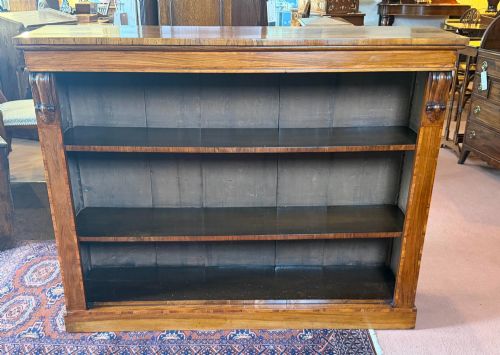
The most common examples met on this page are nineteenth-century and early twentieth-century pieces rendered in mahogany, oak, and walnut, often taking the form of open bookcases or low cupboards with doors. Side cabinets and dresser bases also appear frequently, reflecting domestic storage needs across the Georgian, Victorian, and Edwardian periods.
Materials and construction methods
Cabinet makers utilised dense hardwoods such as mahogany, oak, walnut, and elm, frequently selecting figured veneers like flame mahogany or burr walnut for visual depth on primary surfaces. Solid pine and teak also appear, while secondary timbers provide internal structure for shelves and drawer linings.
Joinery techniques rely on traditional cabinet-making methods, combining panel construction with dovetail joints in drawers and mortise-and-tenon framing for stability. Metal hardware in brass and iron, along with glass panels in glazed doors, complete the construction of these functional storage pieces.
Listings feature low wooden cabinets spanning from the eighteenth to the twentieth century, constructed primarily in mahogany, oak, and walnut.
Judging quality and proportion
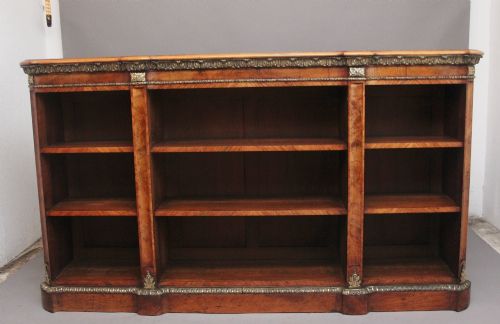
The refinement of timber selection and decorative detail separates standard utility pieces from exceptional examples. Finer cabinets display carefully matched veneer grains, intricate carvings, or quality metal mounts like ormolu, whereas simpler utilitarian cupboards rely on plain solid boards.
Proportion and integrity of the original design dictate the standing of a piece within its period. Refined execution in the joinery and the survival of original surfaces, whether polished mahogany, waxed pine, or original paint, determine the distinction between ordinary workshop production and high-status craftsmanship.
Johnstone and Jeanes·Gillows·Whytock and Reid
The Antique Low Wooden Cabinet Glossary
- Breakfront
- A cabinet design where the central section projects forward from the flanking outer sections. This architectural arrangement adds depth and visual interest to large sideboards and bookcases.
- Dresser base
- A low wooden storage unit featuring drawers or cupboards beneath a flat top surface. Originally used in kitchens and dining rooms for food preparation and serving.
- Ormolu
- Gilded bronze mounts applied to furniture for decorative effect. It appears on high-status nineteenth-century pieces alongside fine walnut and mahogany.
- Linenfold
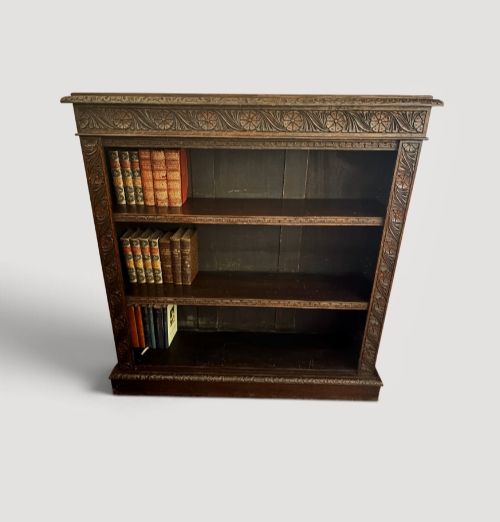
- A style of carved wooden panelling resembling folded fabric. This decorative motif appears on early twentieth-century oak cupboards and cabinets.
Antique Low Wooden Cabinet: Frequently Asked Questions
What is a low wooden cabinet used for?
These low cabinets provide versatile surface space and enclosed storage for books, tableware, and household items. Their reduced height allows them to sit beneath windows or display artwork above.
In living rooms and dining spaces, they function as sideboards, media units, or low bookcases while introducing period timber to the interior.
How do I tell Victorian from Georgian cabinets?
Georgian and Regency pieces tend to feature cleaner architectural lines, classical timber choices like flame mahogany, and restrained decorative details. Victorian and Edwardian examples often introduce heavier carvings, darker walnut finishes, or glazed display doors.
Examining the construction methods, handle styles, and secondary timbers helps clarify the specific period of manufacture.
Are these cabinets solid wood or veneer?
Makers utilised both solid timbers and decorative veneers depending on the style and quality of the cabinet. Oak, pine, and elm pieces are commonly built from solid boards, while high-status mahogany and walnut items frequently employ fine veneers over stable secondary woods.
Matching grain patterns and inspecting edges reveal how the timber was applied to the structural frame.
How do I care for an antique wooden cabinet?
Protect the wood by placing the cabinet away from direct heat sources and strong sunlight, which can dry out timber and fade finishes. Regular dusting with a soft, dry cloth preserves the surface.
Occasional application of appropriate wax maintains the lustre of polished mahogany and oak without building up residue on the antique finish.