


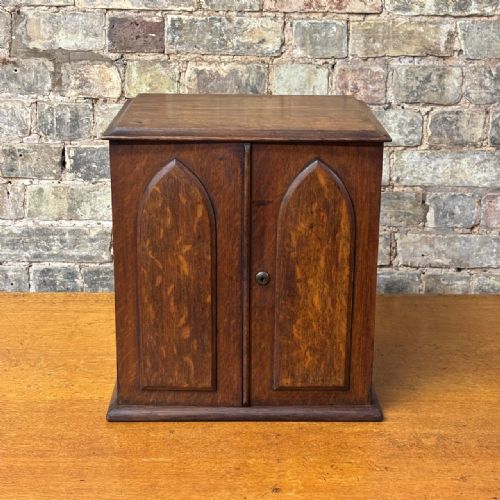


Victorian Arched Panel Cabinet
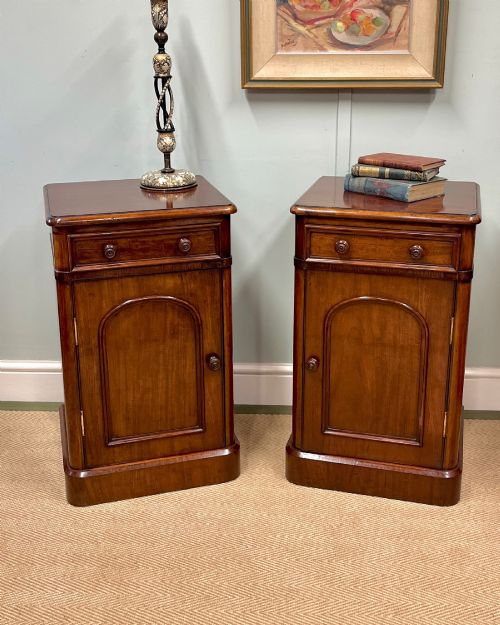
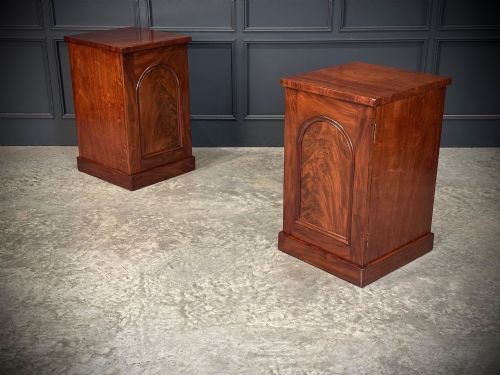
These Victorian arched panel cabinets are sturdy storage pieces built from rich timbers, offering practical surface space and traditional charm for the home.
Victorian Arched Panel Cabinet
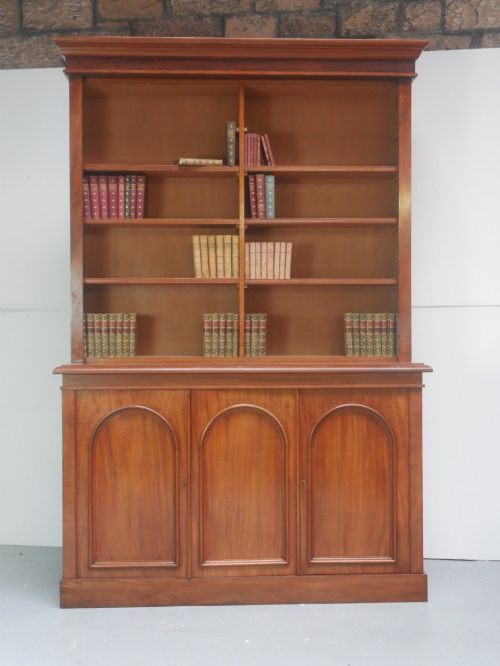
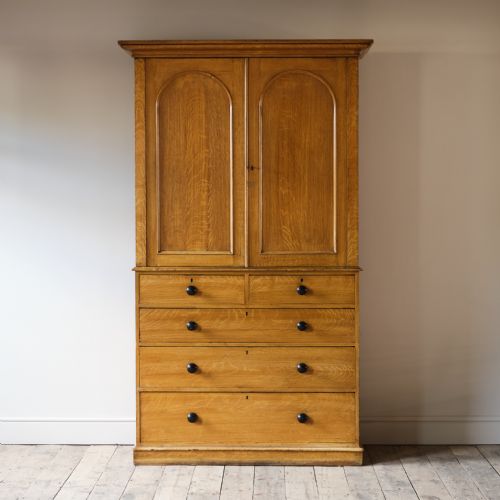
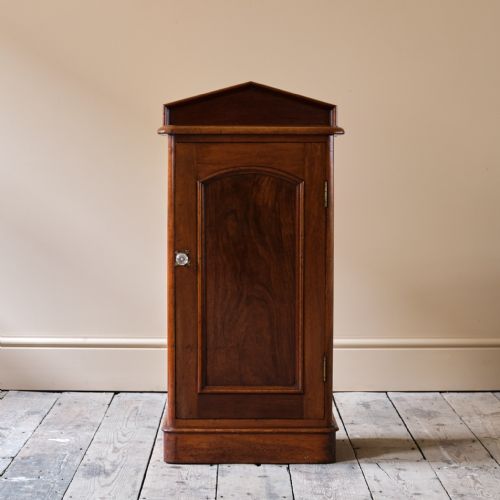
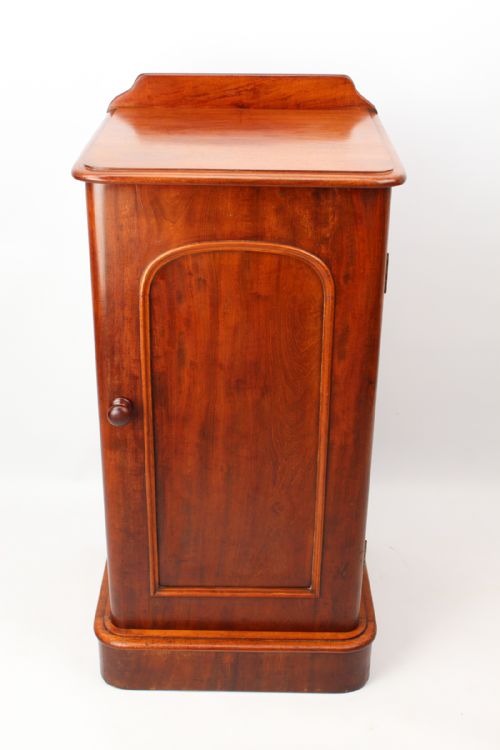
A victorian arched panel cabinet brings functional storage to domestic spaces through traditional forms like bedside cupboards, pot cupboards, and larger linen presses. These items originate predominantly from the nineteenth century, reflecting the robust cabinet-making traditions of the period.
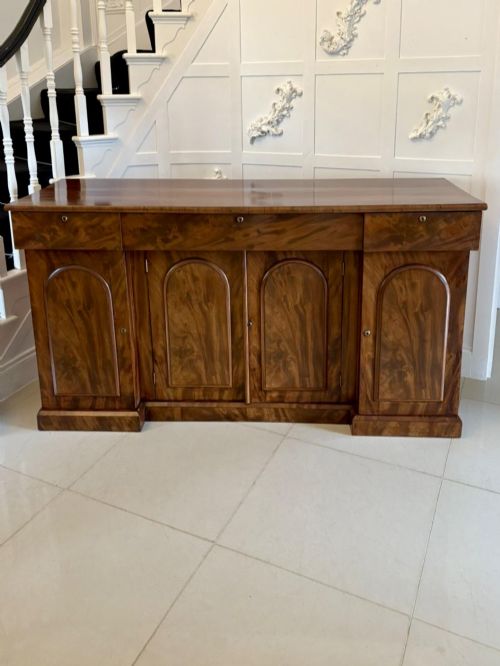
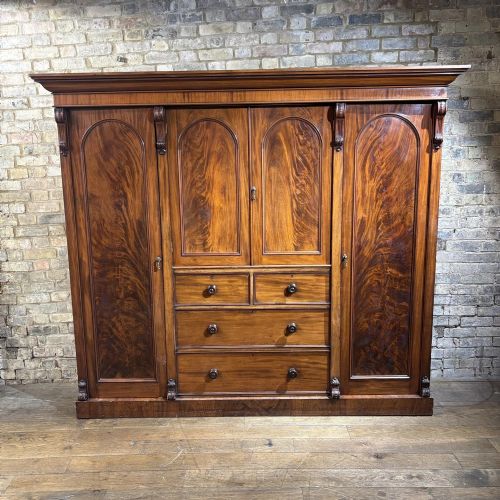
Shoppers encounter various iterations on this page, ranging from compact bedside tables to substantial housekeeper cupboards and sideboards. Mahogany, oak, and pine dominate the structural forms, often showcasing distinctive grain patterns or original paint finishes.
Regional variations appear in vernacular pieces from Wales alongside formal Victorian designs. Buyers typically select these items to introduce period character and dependable enclosed shelving into bedrooms, living rooms, and hallways.
How they were made
Cabinet-makers relied heavily on solid timbers such as mahogany, oak, and pine to construct the main bodies of these pieces. Flame mahogany and burr walnut veneers were frequently applied to visible surfaces to create striking, figured patterns.
Structural elements incorporated brass hardware for hinges and handles, while glass panels sometimes featured in upper bookcase sections. Joinery techniques ensured durable construction, pairing dense hardwoods with supportive secondary timbers like pine for internal shelving.
Several bedside cabinets double nicely as lamp stands, proving nineteenth-century furniture adapts easily to modern electrical convenience.
What varies in quality
The choice of timber and veneer fundamentally distinguishes pieces across the range, with figured flame mahogany and burr walnut representing a more ambitious grade of manufacture than standard pine or plain oak. Superior examples demonstrate careful selection of grain alignment across doors and panels.
Originality of surface finish and hardware also separates finer items from standard utility pieces. Retaining original paint, patinated brass fittings, and intact structural joints elevates the status of a nineteenth-century cupboard.
The Victorian Arched Panel Cabinet Glossary
- Pot cupboard
- A small bedside cabinet originally designed to house a chamber pot. These compact units usually feature a single door and a flat top surface.
- Linen press
- A tall storage piece comprising upper sliding trays or shelves enclosed by doors, positioned above a base of deeper drawers. They served to keep household textiles flat and organised.
- Flame mahogany
- A decorative wood veneer showing a fiery, undulating grain pattern. Cabinet-makers used this on prominent surfaces to catch the light.
- Chiffonier
- A low sideboard fitted with enclosed cupboards beneath a drawer or open shelf. They gained popularity during the nineteenth century for dining and drawing rooms.
- Vernacular
- Everyday furniture built by local craftsmen using regional materials rather than following strict metropolitan design rules. Welsh country pieces offer a clear example of this tradition.
Victorian Arched Panel Cabinet: Frequently Asked Questions
Where do I put a bedside cabinet?
These small cupboards suit bedrooms alongside standard mattress heights to hold lamps and night-time essentials. Their enclosed shelving keeps clutter hidden out of sight.
They also function effectively in narrow hallways or as small side tables in a living room where surface area is limited.
How do I clean mahogany?
Dust the wood regularly with a dry, soft cloth to prevent particle buildup. Avoid modern silicone sprays that can damage historic finishes.
Apply a traditional beeswax occasionally to nourish the timber and maintain a soft, natural sheen across the surface.
What is a linen press used for?
Historically, these tall pieces stored household sheets, tablecloths, and garments on internal sliding trays. The enclosed shelving protected fabrics from dust.
Today, buyers utilise them in bedrooms or landings as versatile wardrobes and general storage cupboards.
How do I spot Victorian oak?
Nineteenth-century oak displays distinctive medullary rays, often appearing as small flecks or tiger stripes across the grain. The timber feels heavy and dense to the touch.
Examining the secondary woods inside drawers and at the back helps confirm the period construction methods of the piece.