



Antique Low Commode
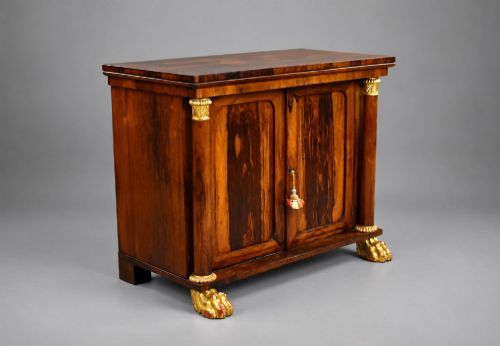
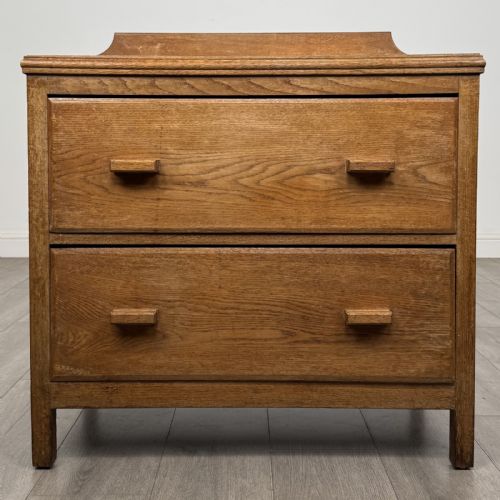
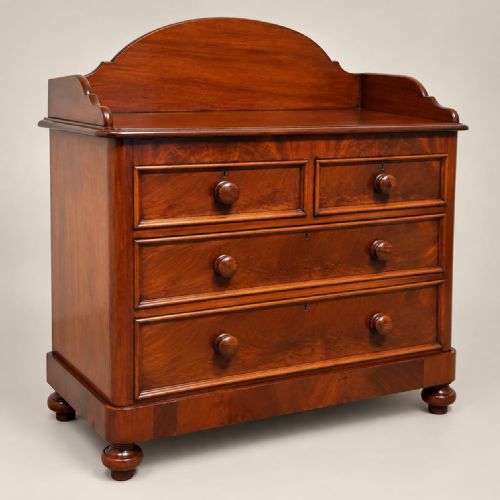
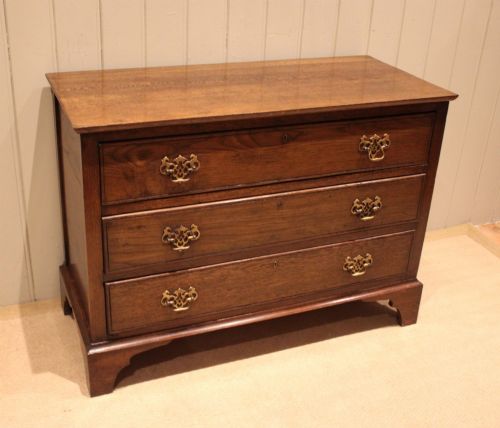
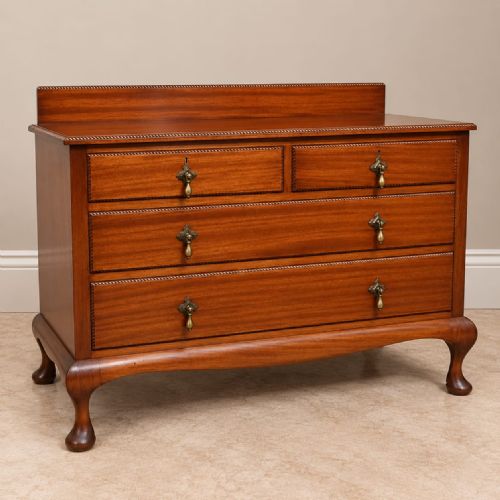
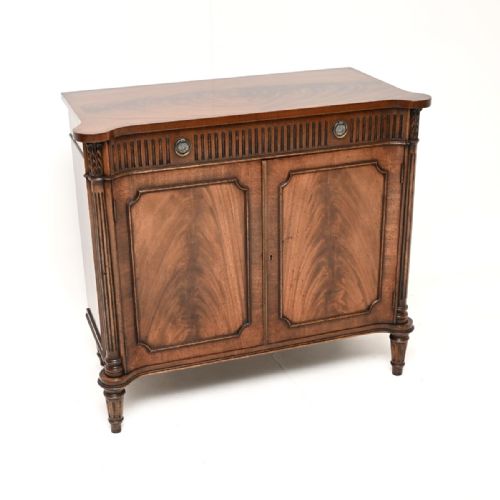
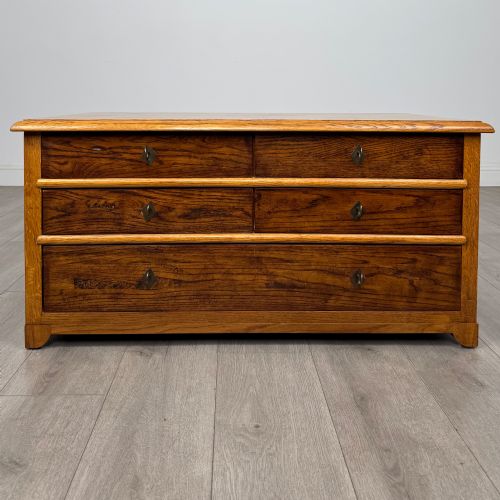
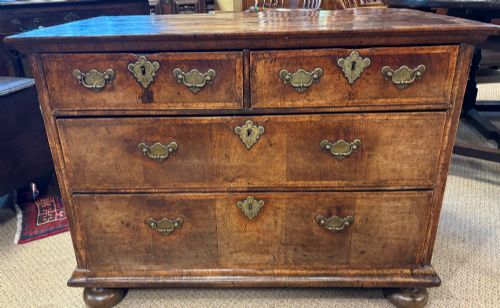
These antique low commode pieces offer compact storage and rich timber character, bringing practical history straight into your room.
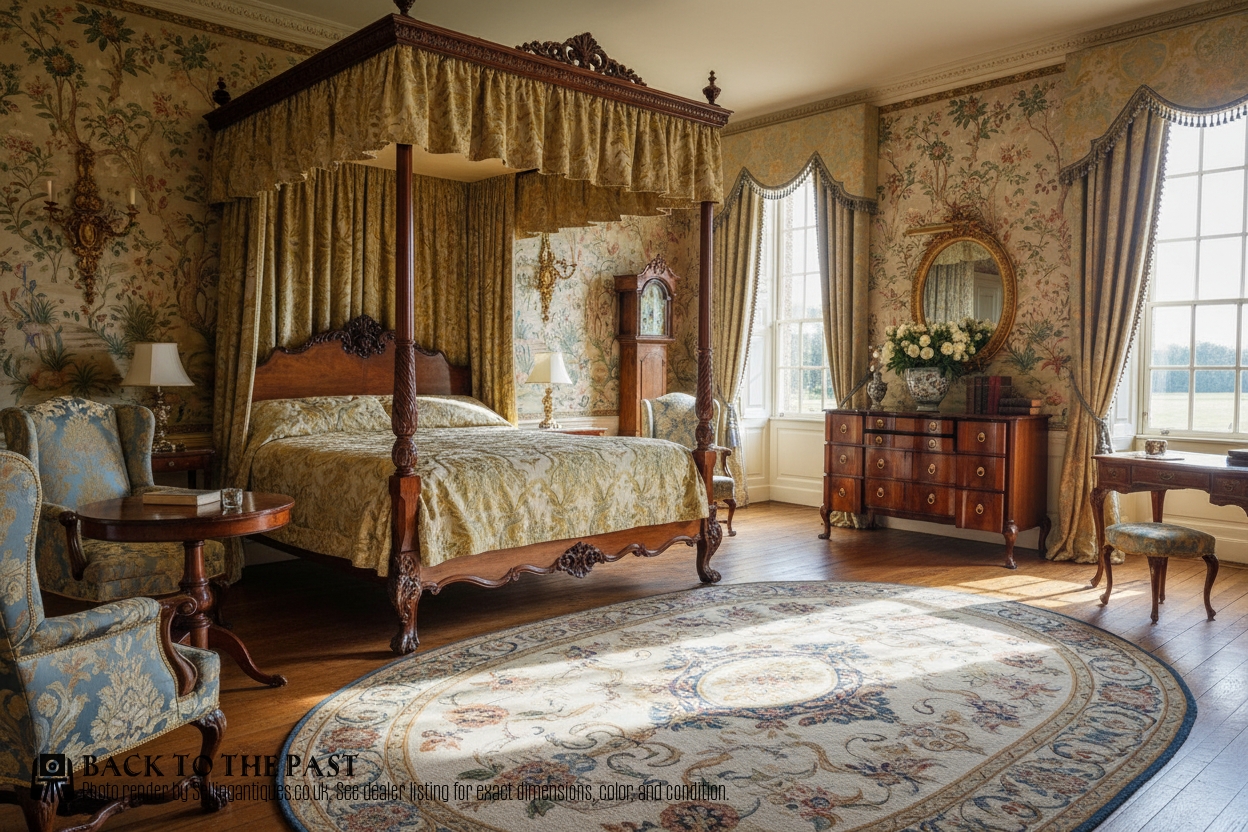
Antique Low Commode
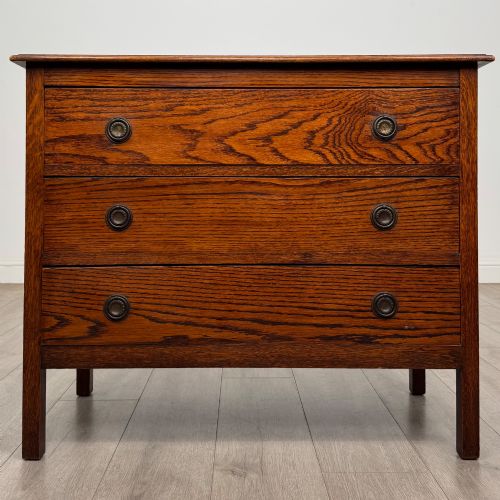
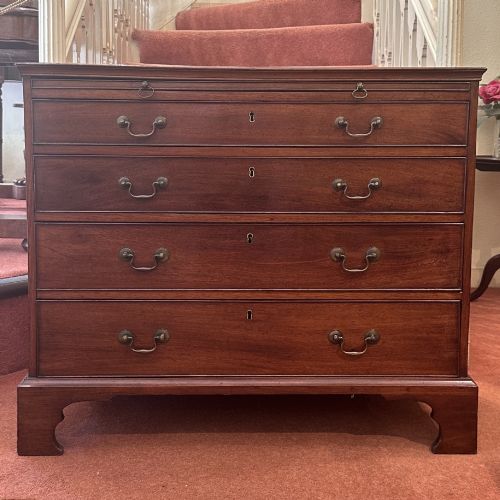
The selections available range from 18th Century and Georgian pieces to Victorian and Edwardian examples. Mahogany, oak, and walnut dominate the offerings, often appearing alongside smaller side cabinets and low cupboards.
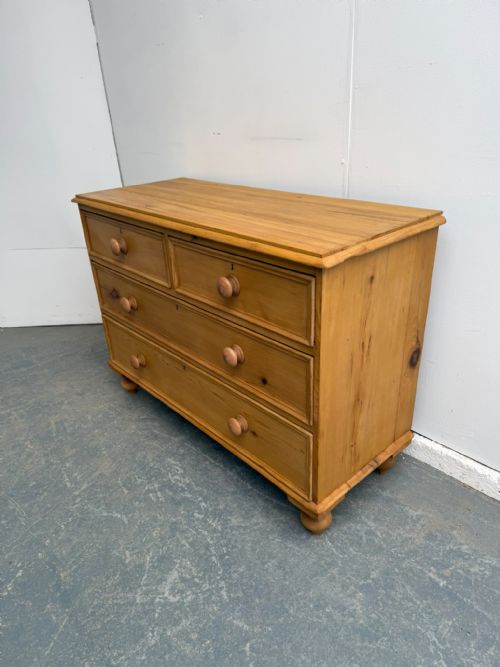
Victorian and Edwardian mahogany or pine chests emerge most frequently in this collection. These variations supply the practical low profile that buyers seek for smaller spaces or bedrooms.
Distinctions in quality
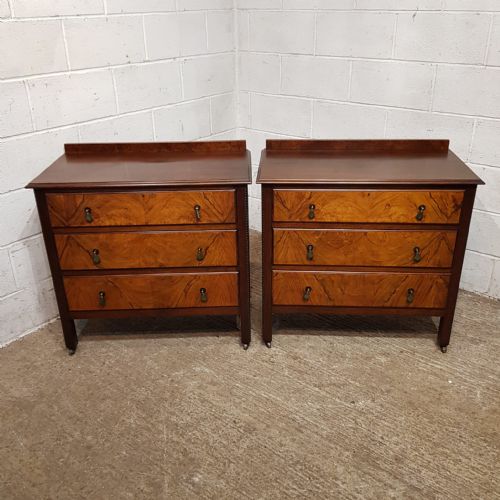
Quality rests upon the selection of timber figures and the precision of the cabinet work. Pieces featuring burr walnut, satinwood, or flame mahogany veneer display higher decorative ambition than plain utilitarian examples.
Proportion and execution define the standing of each piece. Finely cut dovetails, well-preserved brasses, and balanced proportions separate standard storage furniture from superior examples.
Antique Low Commode Retail Price Guide 2026
Typical asking prices for low commode among the pieces listed under this phrase on Sellingantiques today, from the lower quarter to the upper quarter. They describe what is for sale here now, not the wider market.
Listings feature timbers including mahogany, walnut, oak, satinwood, and burr walnut across Victorian, Edwardian, and Georgian periods.
WC Burt
The Antique Low Commode Glossary
- Commode
- A low piece of furniture with drawers or doors, historically used for storage or as a bedside cabinet. The term covers various low cupboards and small chests found in domestic interiors.
- Dwarf
- A descriptive term for a piece built lower and smaller than standard full-scale furniture. Dwarf linen cupboards and chests offer compact storage dimensions.
- Burr walnut
- A highly figured timber harvested from walnut tree growths, prized for its swirling grain patterns. Cabinet makers utilised burr walnut veneers on high-status drawer fronts and cabinets.
- Brushing slide
- A pull-out shelf integrated into the upper section of a chest or cabinet. This horizontal surface provided a temporary workspace for grooming or folding clothes.
Antique Low Commode: Frequently Asked Questions
What is an antique low commode used for?
These pieces serve as compact storage units, bedside tables, or low decorative cabinets within living spaces and bedrooms.
Their reduced height allows them to fit beneath windows or serve as television stands while providing enclosed drawer storage.
How do I tell Victorian from Georgian pieces?
Georgian pieces often display refined mahogany or satinwood veneers with formal bracket feet and meticulous inlay work. Victorian examples tend to use heavier timber sections, pine carcasses, and simpler turned feet.
Examining the internal drawer construction and timber choice helps clarify the manufacturing period.
How do I care for waxed walnut furniture?
Apply a quality beeswax polish periodically and buff gently with a soft cloth to maintain the protective surface sheen. Keep the timber away from direct heat sources and strong sunlight to prevent drying.
Regular dusting prevents particulate buildup in the carved details and grain.
Are these pieces suitable for small bedrooms?
Their low profile and compact footprints make them ideal for rooms with limited wall space or lower ceilings. They offer generous internal drawer volume without dominating the visual space of the room.
Measuring the clearance height ensures the piece fits comfortably beneath windows or sills.