

Antique Lounging Chair
An antique lounging chair offers deep, relaxed seating rooted in nineteenth and early twentieth century domestic comfort.
Antique Lounging Chair
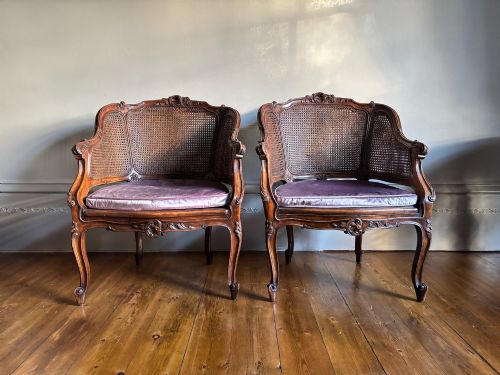
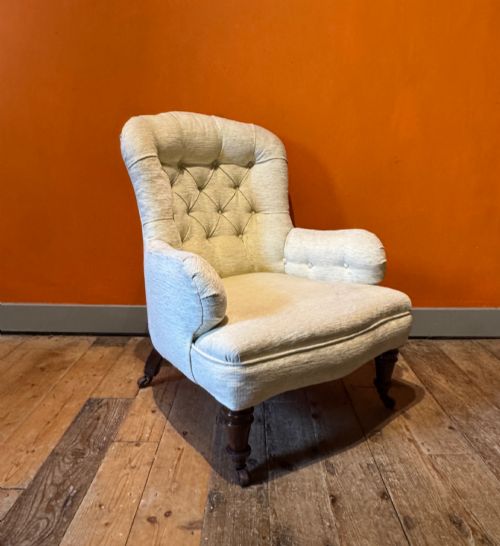
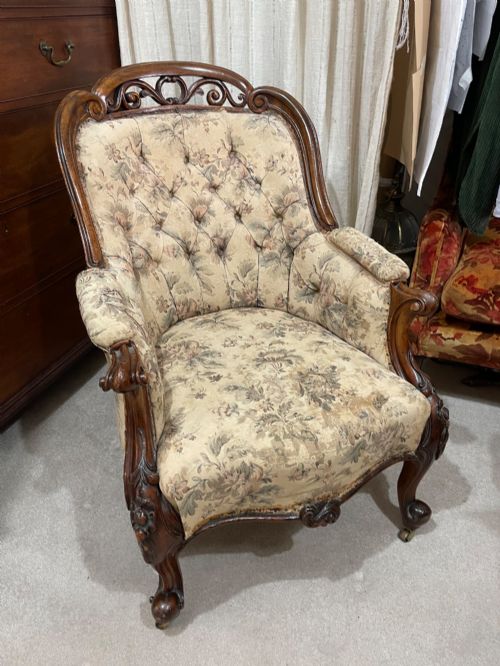
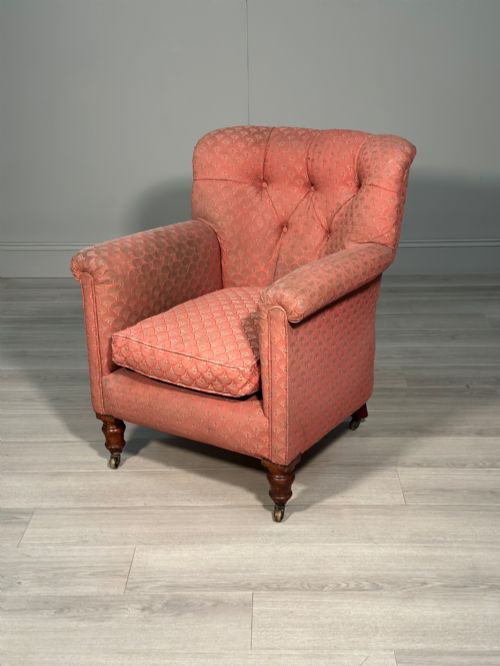
When searching for an antique lounging chair, buyers encounter a wide variety of relaxed seating, ranging from low library armchairs to deep upholstered daybeds. The selection spans the nineteenth century through the 1930s, taking in formal Regency library seats, substantial Victorian wingbacks, and comfortable Edwardian club chairs.
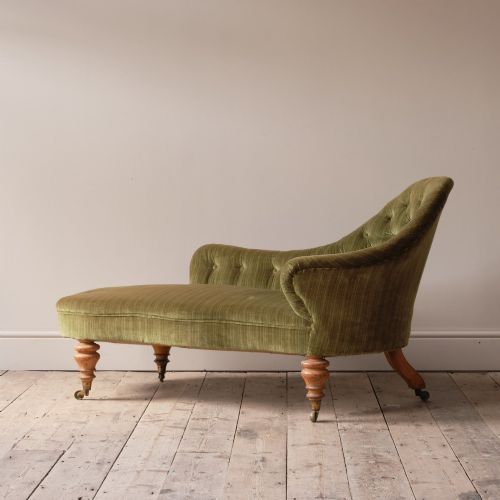
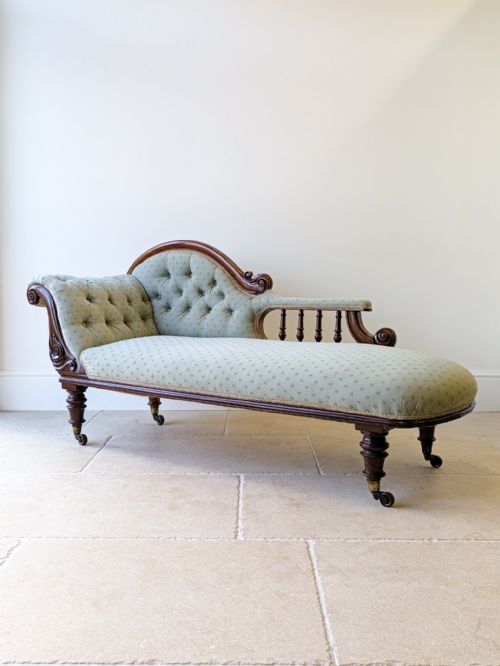
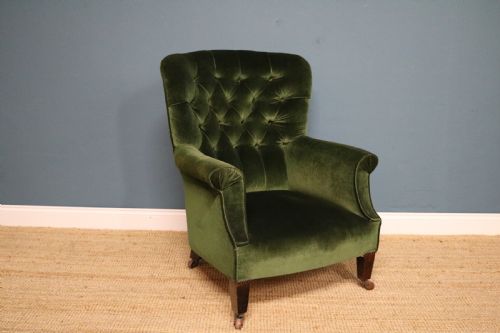
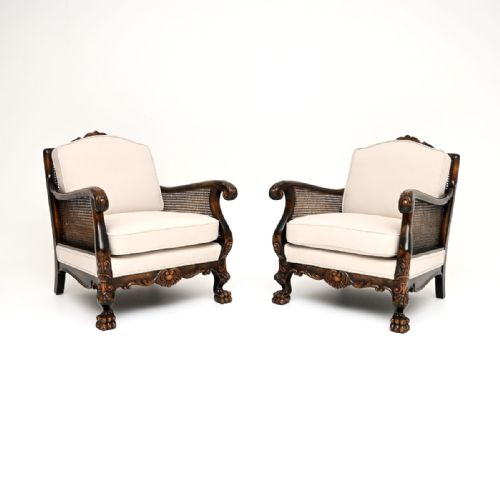
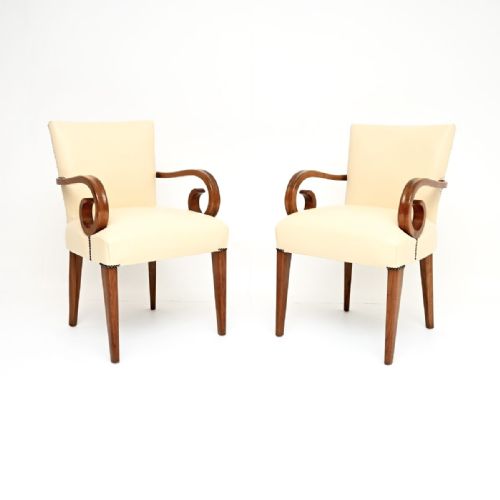
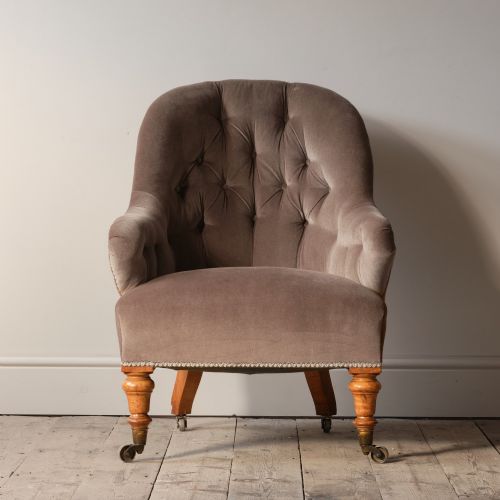
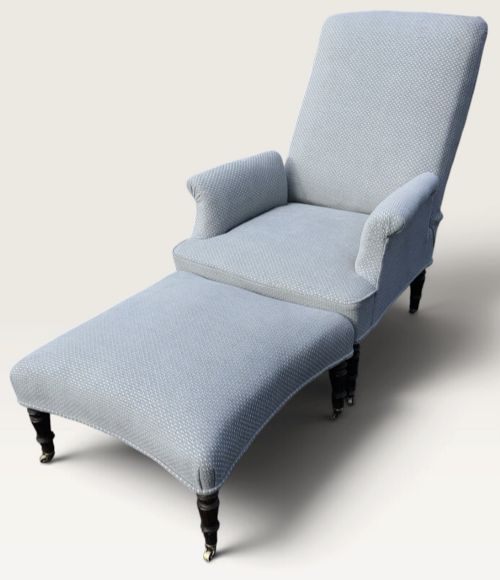
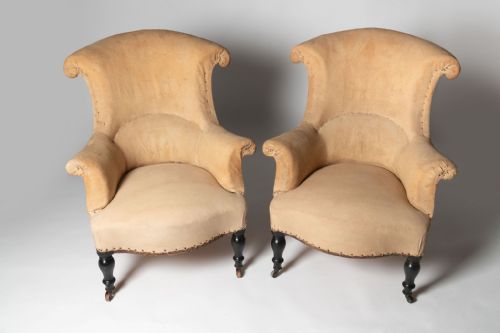
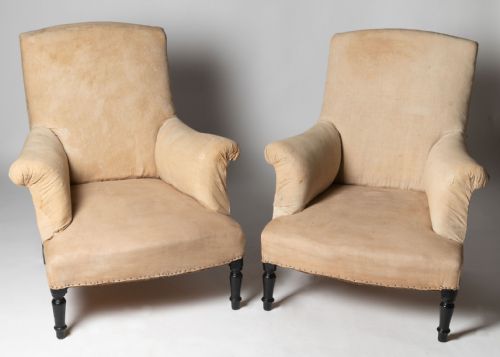
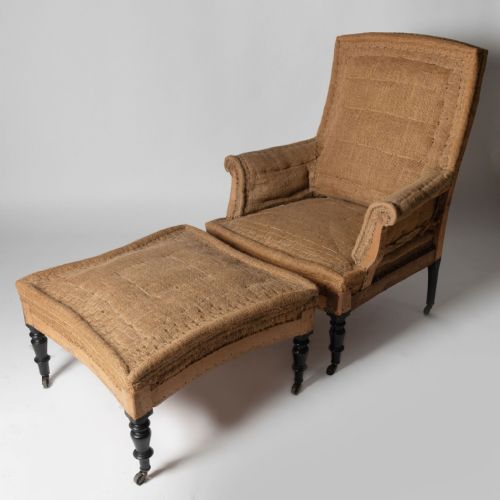
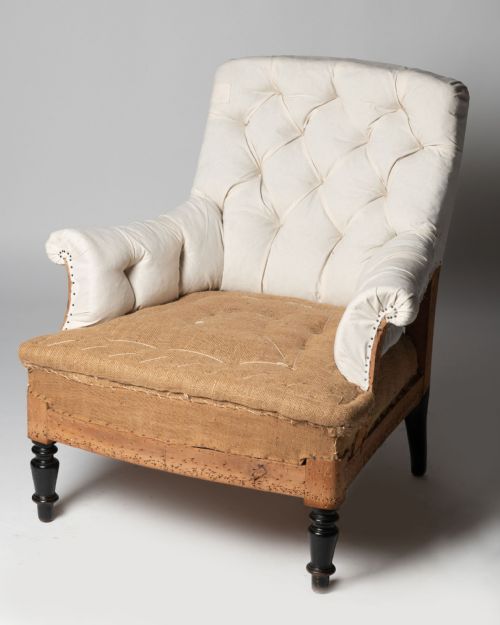
The most common examples on this page are armchairs designed for deep seated relaxation, including button back models, low tub chairs, and upholstered fireside seats. Alongside these sit daybeds, chaises longues, and reclining chairs intended specifically for resting.
Origins vary widely across the selection, featuring English country house styles, French Napoleon III salon pieces, and occasional Scandinavian Art Deco designs in satin birch. Makers and workshops from Britain, France, and Sweden contribute distinct regional silhouettes to the category.
Materials and construction
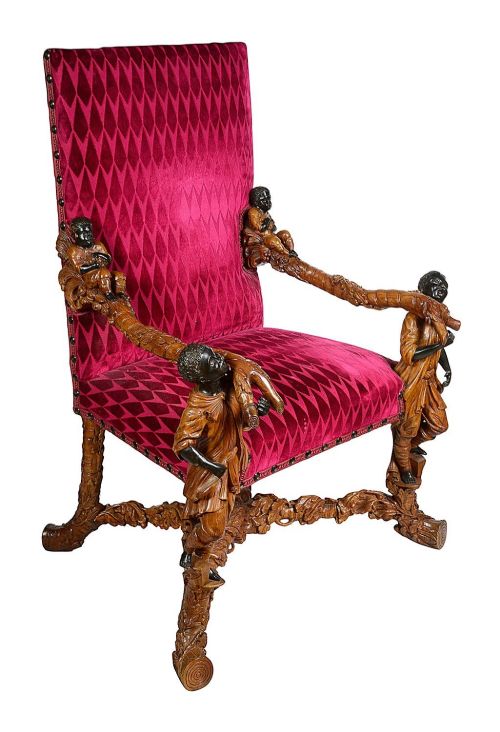
Frames rely on solid timbers such as mahogany, oak, walnut, rosewood, and hardwood, often shaped into curved arms, spoon backs, or exposed show-wood rails. Caning appears in split cane bergere panels, while brass and giltwood feature in decorative mounts and Regency campaign details.
Upholstery techniques involve traditional sprung seat bases paired with durable fabric, velvet, leather, and deep pile brocade coverings. Buttoning and pillow arms demand skilled hand-finishing to maintain structural tension across the sprung interiors.
Antique Lounging Chair Retail Price Guide 2026
Typical asking prices for lounging chair among the pieces listed under this phrase on Sellingantiques today, from the lower quarter to the upper quarter. They describe what is for sale here now, not the wider market.
Listings feature hardwood, mahogany, rosewood, oak, brass, cane, velvet, and leather across nineteenth and early twentieth-century periods.
Distinctions in quality
Quality rests on the integrity of the timber frame, the precision of the joinery, and the retention of original structural components like sprung bases. Pieces bearing documented workshop attribution command attention for their maker heritage and finer joinery details.
The sophistication of the carved woodwork, the weight of the mahogany or rosewood, and the quality of secondary timbers separate standard workshop production from exceptional maker pieces. Upholstery finish and the preservation of original show-wood surfaces further divide the standard examples from the finest.
Howard And Sons·Whytock And Reid
The Antique Lounging Chair Glossary
- Bergere
- An enclosed armchair with stuffed upholstery and cane panels set into the wooden frame. These typically date from the nineteenth and early twentieth centuries.
- Chaise Longue
- An upholstered long chair or daybed designed for reclining in domestic parlours and bedrooms. The form combines a seated area with an extended footrest.
- Club Chair
- A deep, heavy armchair upholstered in leather, offering low, enveloping comfort. This style became popular in British and French clubs and country houses.
- Spoon Back
- An armchair back shaped distinctly like the bowl of a spoon, curving inward to fit the human spine. This profile appears frequently on mid-nineteenth century seating.
- Tub Chair
- A low seat with a continuous curved back and arms forming a single semi-circular enclosure. Library examples often sit on tapered wooden legs.
Antique Lounging Chair: Frequently Asked Questions
How do I identify a Victorian armchair?
Victorian armchairs typically display heavy timber frames in mahogany or walnut, deep buttoned upholstery, and sprung seats designed for substantial comfort.
Look for stylistic cues such as spoon backs, scrolled arms, and turnings that reflect nineteenth-century manufacturing methods.
What is an Edwardian club chair?
Edwardian club chairs are low, deep-seated lounging chairs upholstered in leather and supported by sturdy wooden legs.
They prioritise relaxed posture and robust construction, suiting informal sitting rooms and studies.
Are daybeds and chaises antiques comfortable?
Antiques designed for reclining, such as daybeds and chaises longues, often feature generous sprung bases and padded arm supports.
Modern comfort depends on the condition of the internal webbing and upholstery stuffing within the historic frame.
How do I clean leather club chairs?
Leather club chairs require gentle cleaning with specialised saddle soaps or leather balms to maintain the hide's natural suppleness.
Avoid harsh chemical solvents that strip the patina built up over decades of use.