

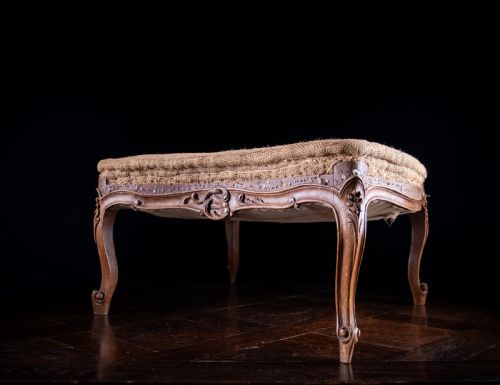


Antique Lounge Stool
These antique lounge stool options bring period comfort to your seating arrangements, offering sturdy timber frames and classic upholstery.
Antique Lounge Stool
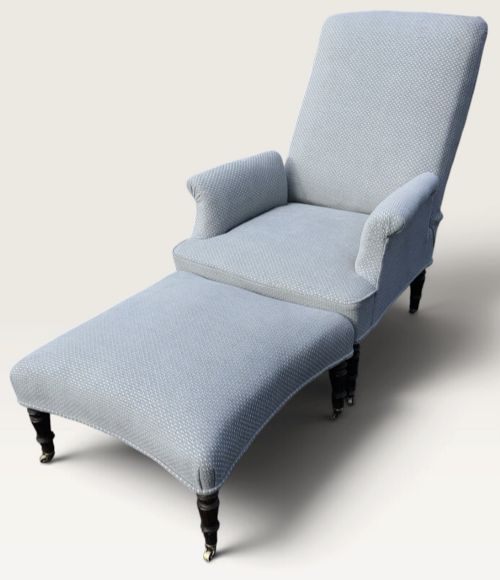
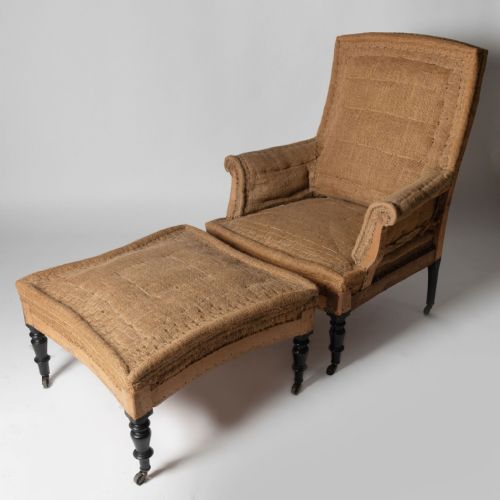
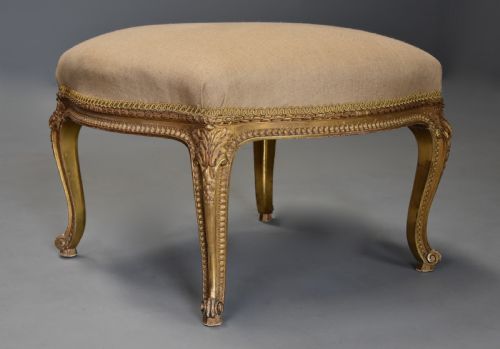
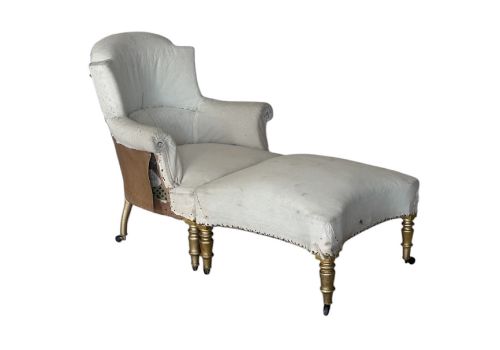
An antique lounge stool provides a low seating surface or a companion piece to armchairs and chaises longues. When you search for an antique lounge stool, you encounter low timber frames built to support feet or provide auxiliary seating.
The pieces on this page span the nineteenth century through the early twentieth century, including Victorian, Edwardian, and French revival designs. Walnut, mahogany, and giltwood appear alongside carved beech and rosewood.
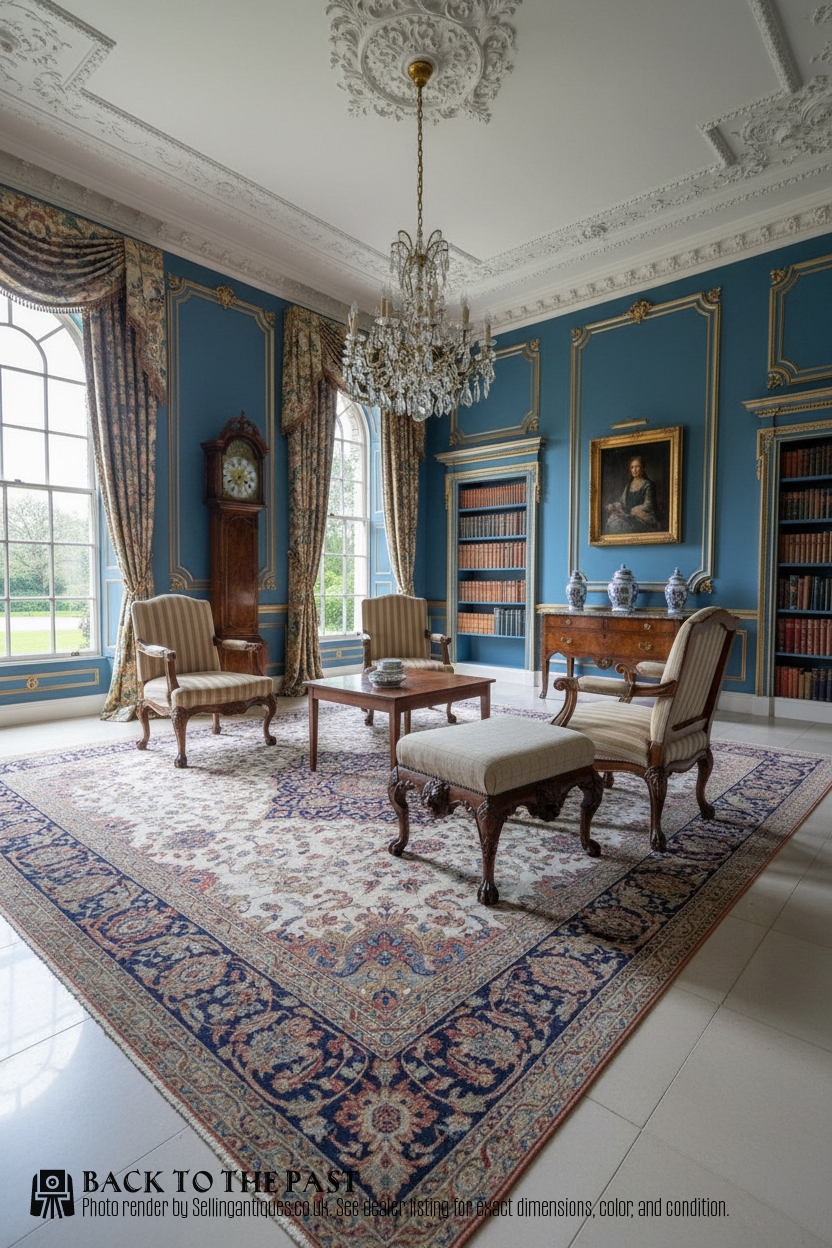
Footstools, ottomans, and companion pieces frequently accompany armchairs in matching upholstery. You will find buttoned back pairings and freestanding low forms designed for fireside placement.
Materials and construction
Craftsmen built the frames of these pieces using hardwoods such as walnut, mahogany, rosewood, and oak, often shaping the timber into carved legs and supports. Giltwood and beech also feature among the French and revival styles.
Upholstery techniques involve traditional stuffing secured beneath fabrics including damask, calico, leather, and various decorative textiles. Buttoned backs and padded surfaces provide the tactile finish characteristic of the period.
Antique Lounge Stool Retail Price Guide 2026
Typical asking prices for lounge stool among the pieces listed under this phrase on Sellingantiques today, from the lower quarter to the upper quarter. They describe what is for sale here now, not the wider market.
Recorded styles include Victorian, Edwardian, Gothic Revival, and Louis XVI styles, ranging from freestanding footstools to matching armchair sets.
Distinctions in quality
The calibre of timber carving and the weight of the underlying frame separate standard examples from finer works. Solid walnut and mahogany structures with crisp hand-carving show greater skill than simpler turned supports.
The integrity of the joinery and the execution of the upholstery dictate the longevity and finish of the piece. Superior examples retain rigid frames and precise textile placement that withstand daily use.
The Antique Lounge Stool Glossary
- Giltwood
- Timber treated with gold leaf or gilt finish. This technique creates a bright metallic surface often seen on decorative French revival frames.
- Calico
- A plain-woven cotton textile. It frequently serves as an under-upholstery layer before the final decorative fabric is applied.
- Prie Dieu
- A devotional chair featuring a low seat and a tall upper rail. It originated for prayer and private contemplation.
- Chaise Longue
- An elongated chair designed for reclining. These pieces often pair with matching footstools or form single integrated daybeds.
Antique Lounge Stool: Frequently Asked Questions
How were lounge stools used historically?
These pieces served primarily as foot rests alongside armchairs and fireside seating in nineteenth-century drawing rooms. They provided comfort during long periods of sitting.
Larger versions also functioned as low occasional seating or accompanied chaises longues and daybeds in private chambers.
How do I match a stool to an armchair?
Look for consistent timber types like walnut or mahogany, and matching upholstery fabrics such as leather, damask, or calico. Period styles should also align.
Height and proportion matter just as much as decorative details to ensure the stool sits comfortably alongside the main armchair.
Can I use an antique stool daily?
Most sturdy hardwood frames handle regular foot rest duties or occasional seating quite well. Solid construction in walnut or mahogany ensures reliable support.
Fragile giltwood or delicate carved pieces require more mindful placement to protect the historic finish and decorative woodwork.
How do I identify Victorian pieces?
Victorian examples often feature heavier timber frames in walnut or mahogany, sometimes with deep buttoning or ornate carving. Art Nouveau influences also appear in later Victorian work.
Construction methods and textile choices typical of the mid to late nineteenth century help confirm the period of origin.