

Antique Look Glass
An antique look glass reflects centuries of craftsmanship, offering ornate giltwood frames and rich mahogany designs that anchor a room with period character.
Antique Look Glass
When searching for an antique look glass, buyers encounter a variety of wall mirrors, overmantel mirrors, and table mirrors spanning the eighteenth, nineteenth, and early twentieth centuries. These pieces originate from English, French, Russian, and Italian workshops, displaying regional preferences in ornament and proportion.
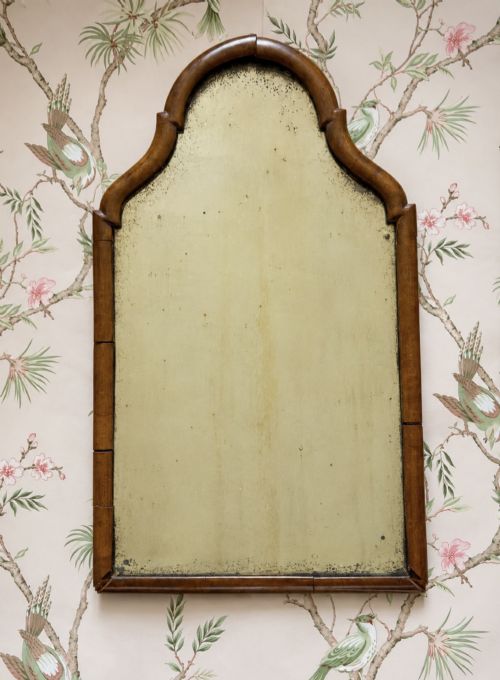
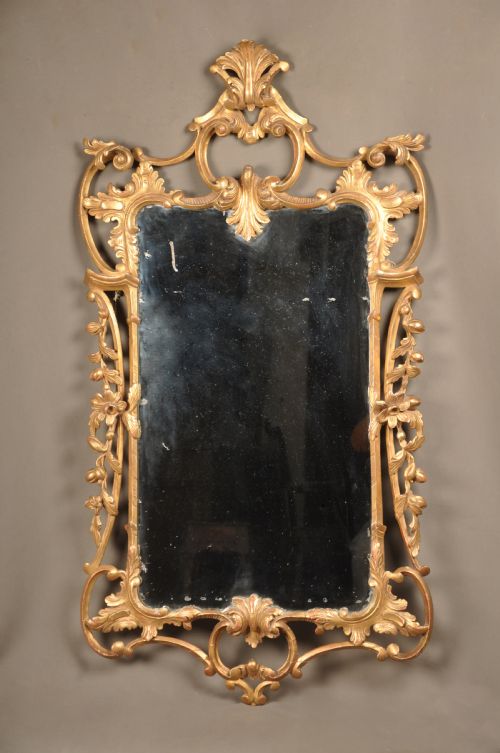
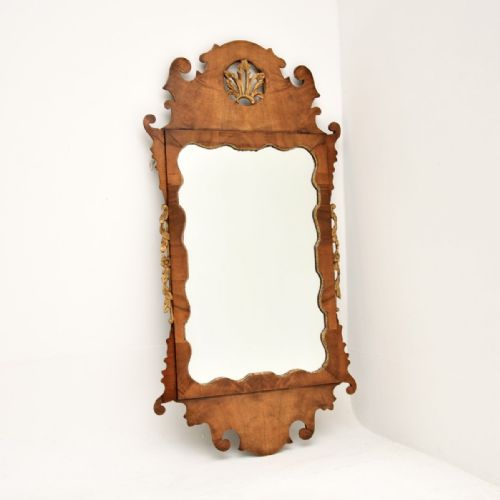
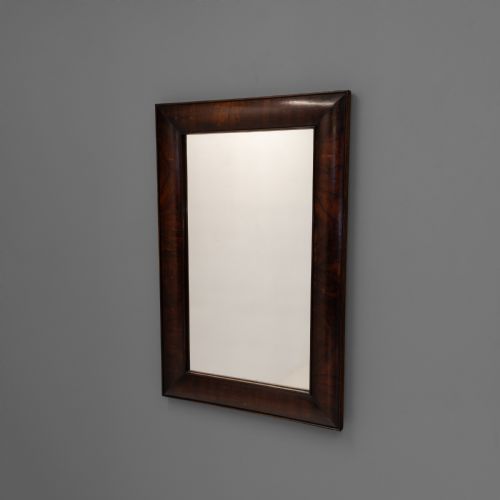
The most common examples on this page date from the nineteenth century, ranging from simple Victorian mahogany frames to elaborate French Napoleon III gilt pieces with foliate scrolls. Georgian and eighteenth-century examples also appear, often featuring carved giltwood, walnut veneers, or Chinoiserie lacquer work.
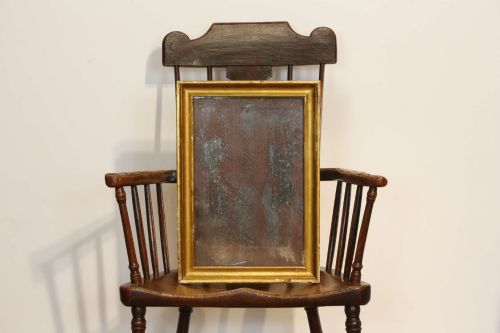
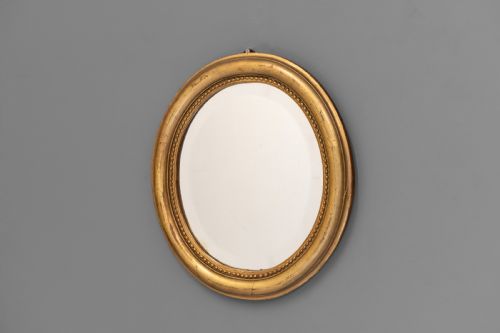
Forms vary from grand overmantels designed for fireplace placement to smaller oval, rectangular, and cushion-moulded wall mirrors. Regional styles such as Swiss Black Forest carved wood and English fretwork demonstrate the diverse domestic and decorative uses these objects served across different periods.
How they were made
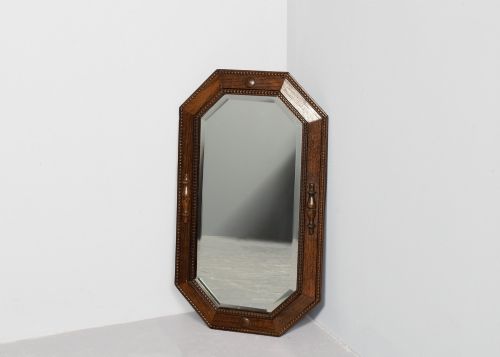
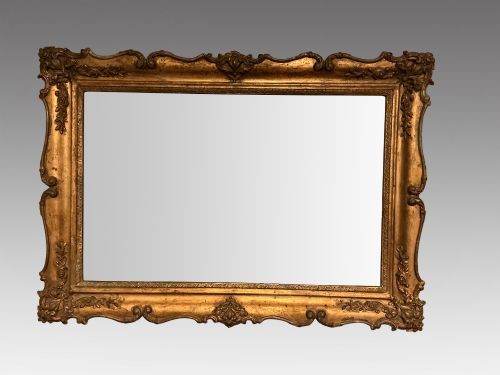
Frames rely on traditional timber construction using mahogany, walnut, oak, and pine as structural carcases or visible surrounds. Carved details and applied ornament utilise gesso applied over wood before gilding with gold leaf or painting.
Surface treatments include parcel-gilding, lacquering, and scrubbing to achieve specific textures, alongside silver and copper mounts seen in later Arts and Crafts pieces. Mirror plates are set within these frames, sometimes retaining original glass and backing boards.
Antique Look Glass Retail Price Guide 2026
Typical asking prices for look glass among the pieces listed under this phrase on Sellingantiques today, from the lower quarter to the upper quarter. They describe what is for sale here now, not the wider market.
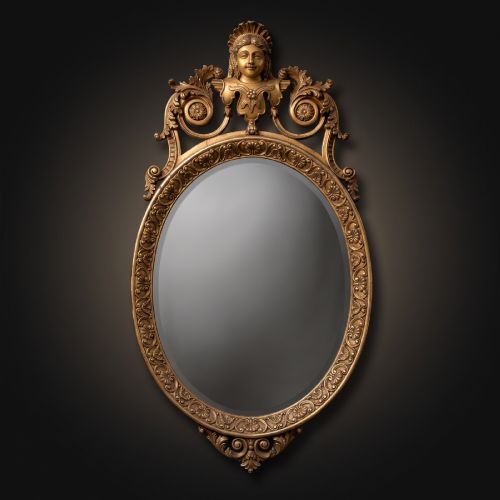
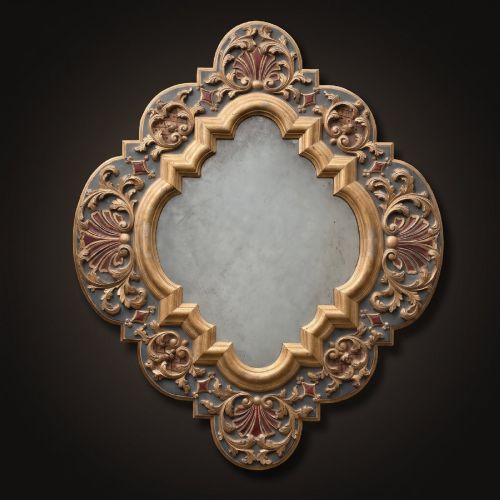
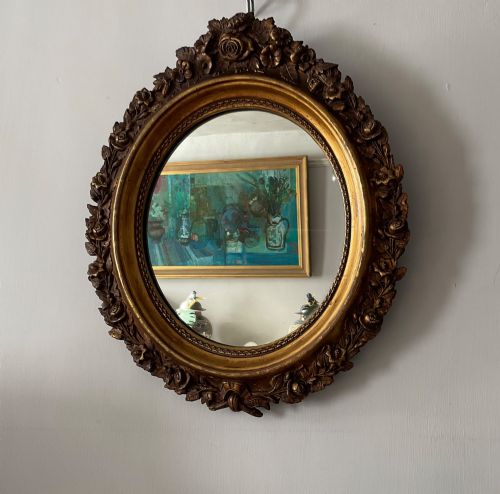
A crowned female mask peers down from one twentieth-century carved giltwood oval frame, watching the room.
What varies in quality
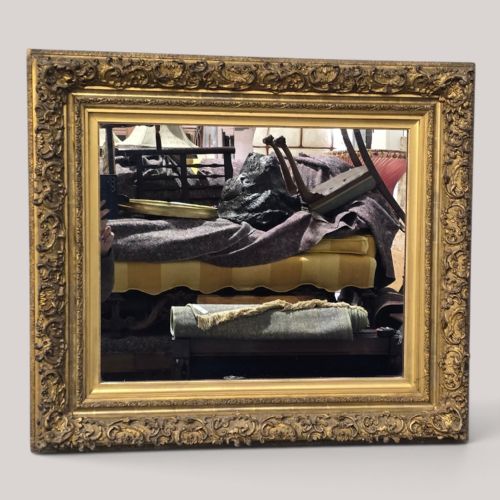
Quality rests in the crispness and depth of the wood carving or gesso moulding, where hand-tooled foliate scrolls and masked crests display superior artisan skill compared to softer, shallower decorative relief. The integration of original gilding or period paint finishes maintains the historical integrity of the surface.
Structural cohesion of the frame joints and the survival of original components, such as early mirror plates and backboards, elevate an example. Finer pieces demonstrate balanced proportions and harmonious integration of stylistic motifs, whether executed in classical Georgian fretwork or French Rococo revival.
Cole Of Exeter
The Antique Look Glass Glossary
- Giltwood
- Wood carved and coated with gold leaf. This finish defines many high-status eighteenth and nineteenth-century frames.
- Gesso
- A plaster-like mixture applied to wooden frames as a base for gilding or painting. It allows intricate relief ornamentation to be moulded onto the surface.
- Overmantel mirror
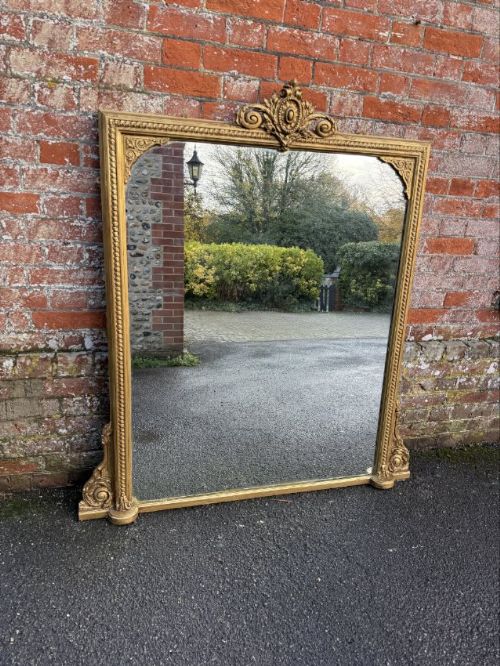
- A large mirror designed to hang above a fireplace mantelpiece. These pieces often feature extended horizontal proportions.
- Cushion mirror
- A frame profile with a rounded, convex section resembling a cushion. This style is frequently associated with walnut frames from earlier periods.
- Chinoiserie
- European decorative style imitating Chinese motifs. It appears on lacquered frames with painted oriental scenes.
- Parcel-gilt
- Partially gilded woodwork where gold leaf highlights specific carved areas while other portions show painted or natural wood surfaces.
Antique Look Glass: Frequently Asked Questions
How do I date an antique look glass?
Dating relies on examining the timber species, frame construction techniques, and decorative style markers consistent with periods like the Georgian or Victorian eras. Secondary woods and framing methods often provide clues to the decade of manufacture.
Original hardware, backboards, and the characteristics of the glass plate further help confirm the age of the piece.
What is an overmantel mirror?
An overmantel mirror is a wide-format looking glass built specifically to be positioned directly above a fireplace mantel. These grand pieces visually anchor the hearth and reflect light across the room.
Historically, they served to brighten spaces lit by candles or early gas lighting.
Are antique mirrors fragile?
While the heavy timber frames are structurally robust, the gesso ornament and historic glass plates require careful handling. Giltwood surfaces are sensitive to moisture and physical impact.
Proper wall fixings suited to the weight of carved wood and plaster frames are essential for safe placement.
What does parcel-gilt mean?
Parcel-gilt describes an object that is only partially gilded, with gold leaf applied to select carved details rather than the entire surface. This technique contrasts the bright gold with painted grounds or exposed natural wood.
It was commonly used on eighteenth-century and decorative nineteenth-century frames to highlight specific ornamental motifs.