




Vintage Portrait Mirror
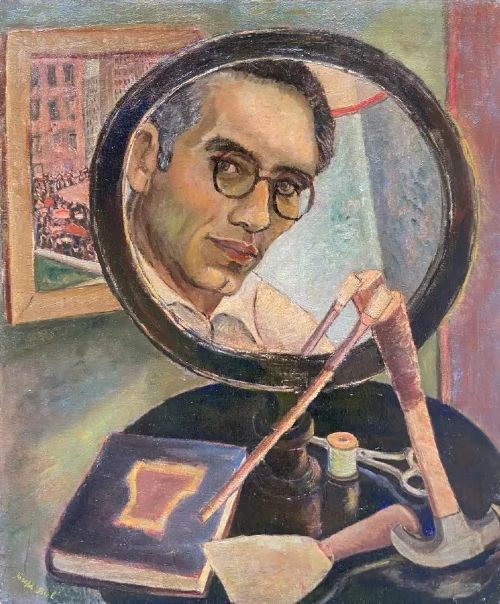
These vintage portrait mirrors combine reflective glass with fine frames and painted likenesses, offering a striking focal point for any interior wall.
Vintage Portrait Mirror
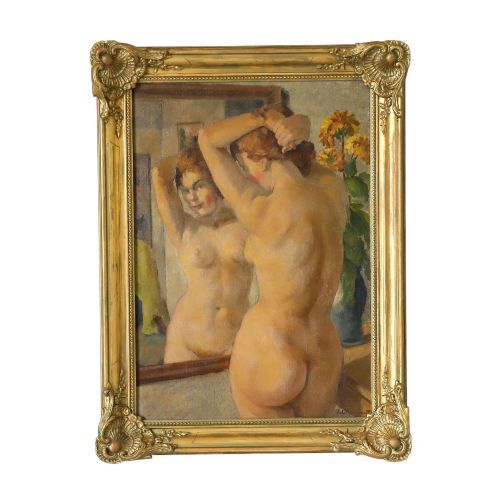
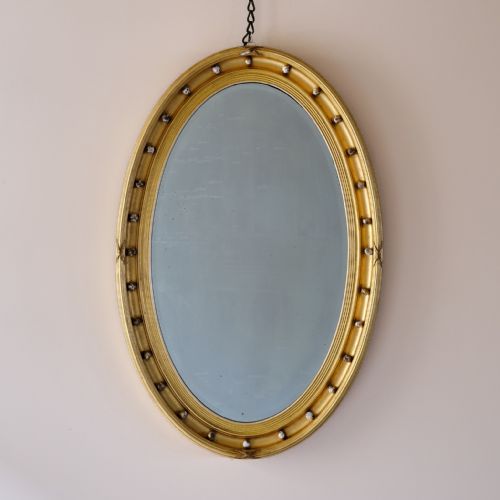
A vintage portrait mirror brings together traditional wall hanging glass, picture frames, and painted or glazed likenesses. These pieces range from Victorian oval painted mirrors to framed oil paintings incorporating reflective elements and decorative wall mirrors.
Most examples found here date from the nineteenth and early twentieth centuries, spanning Victorian, Edwardian, and Art Nouveau periods. Buyers will also encounter Empire styles alongside eighteenth-century Italian and French pieces adapted for domestic display.
Forms include large gilt overmantles, oval wall mirrors, and small silver gilt lockets. Each piece serves primarily as a decorative wall fixture or personal pendant, merging portraiture with functional glass.
Materials and construction methods
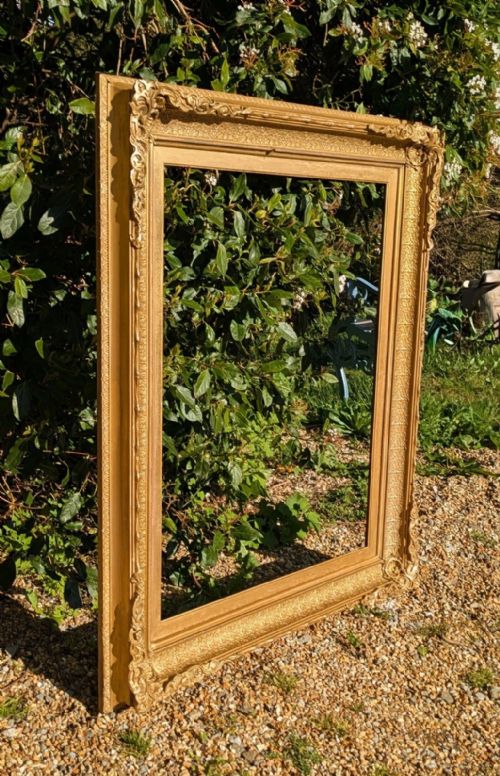
Makers built these frames using timber foundations such as mahogany and walnut, layered with gesso to receive intricate decorative details. Artisans applied gold leaf and gilt finishes directly onto the prepared gesso surfaces to achieve rich metallic sheens.
Glass plates were silvered and fitted into rebated wooden frames or secured behind ornate mouldings. Portrait elements utilised oil paint on canvas, oleograph printing techniques, and enamel work set within silver gilt mountings.
Current listings feature frames and mirrors spanning from the seventeenth century through to the mid-twentieth century, utilising giltwood, gesso, and walnut.
What distinguishes finer examples
Superior pieces display crisp, hand-modelled gesso ornamentation on the frame rather than coarse, uniform casting. The depth of the wood carving and the purity of the gilt or gold leaf application dictate the visual weight of the piece.
The integration between the mirror glass, frame, and any accompanying portrait work defines overall execution. Finer examples maintain original glass and untouched painted surfaces that show harmonious ageing alongside the structural timber.
Meyle & Mayer
The Vintage Portrait Mirror Glossary
- Gesso
- A plaster-like mixture applied to wooden frames as a smooth base for gilding and ornamentation. It allows artisans to carve intricate relief patterns before applying gold leaf.
- Giltwood
- Timber carved and subsequently covered with thin sheets of gold leaf or metallic powder paint. This technique provided the opulent appearance of solid gold at a lower cost.
- Oleograph
- A mechanical colour print produced on canvas to simulate an oil painting. Popular during the nineteenth century, these prints often appeared inside decorative Victorian frames.
- Trumeau mirror
- A traditional French wall mirror incorporating a painted panel or portrait above the glass plate. These architectural pieces formed an integral part of period interior decoration.
- Cassetta frame
- A classical Italian moulding profile shaped like a small box, featuring a flat central frieze flanked by raised mouldings. These frames frequently house fine art and early portraiture.
Vintage Portrait Mirror: Frequently Asked Questions
How do I hang a heavy gilt mirror?
Heavy gilt and gesso frames require secure wall fixings anchored directly into structural studs or masonry using appropriate brackets. Professional framing and hanging hardware distribute the considerable weight safely.
Position the mirror at eye level to ensure the reflective surface and any accompanying portrait work balance the surrounding room proportions.
Are these mirrors suitable for bathrooms?
Period frames constructed from wood, gesso, and gold leaf react poorly to high humidity and direct moisture. Damp environments cause the gesso to swell and the gilt surface to flake away from the timber.
Keep these pieces in dry reception rooms, hallways, or bedrooms where temperature and moisture remain stable.
How do I clean antique mirror glass?
Clean the glass surface sparingly using a soft microfibre cloth slightly dampened with distilled water. Avoid spraying liquid directly onto the glass, as moisture can seep behind the plate and damage the silvering.
Keep cleaning solutions away from the surrounding gesso and gilt frame to prevent chemical degradation of the finish.
How can I date a picture frame?
Examine the timber species, construction joints, and the composition of the gesso layer beneath the gilding. Hand-cut screws, pegged corners, and traditional tool marks indicate nineteenth-century or earlier craftsmanship.
Compare the decorative motifs, such as Art Nouveau tendrils or Empire classical revivals, against known stylistic periods.