
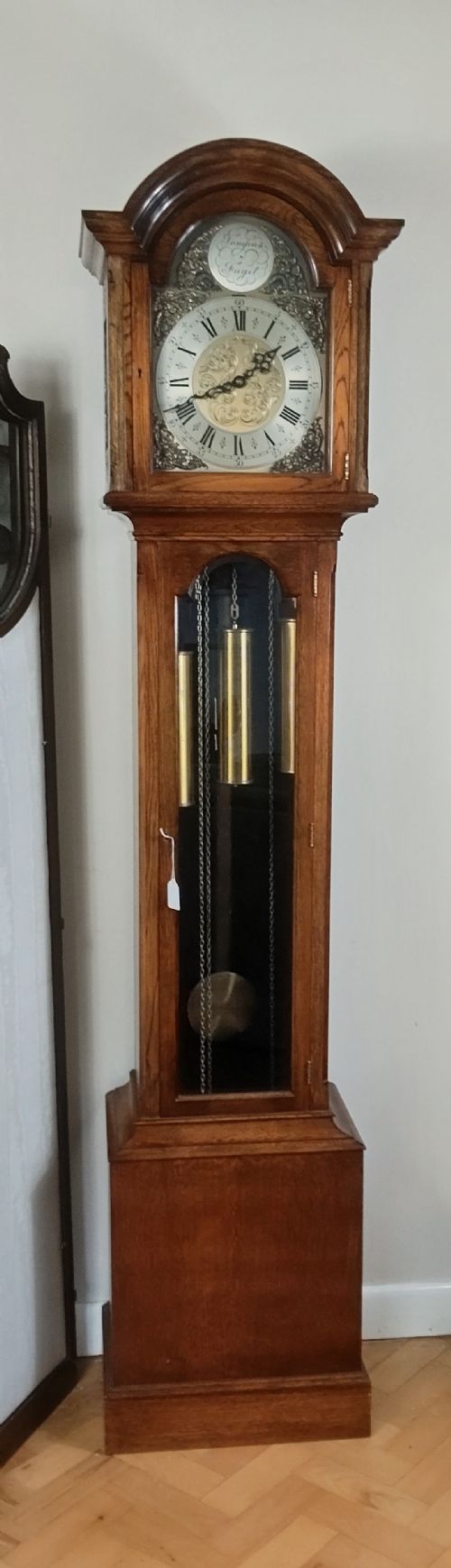


Antique Longcase Weights
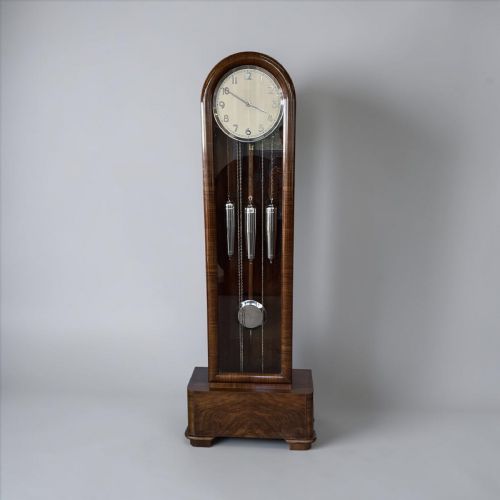
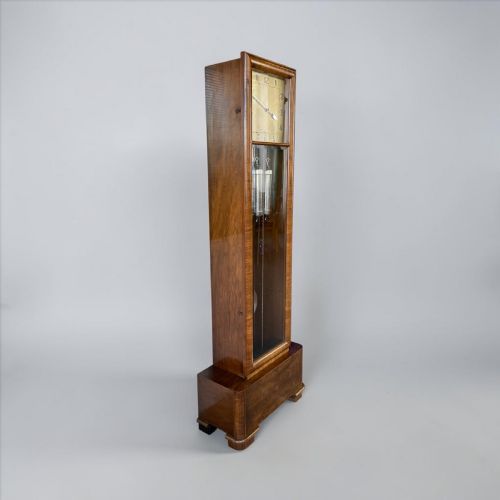
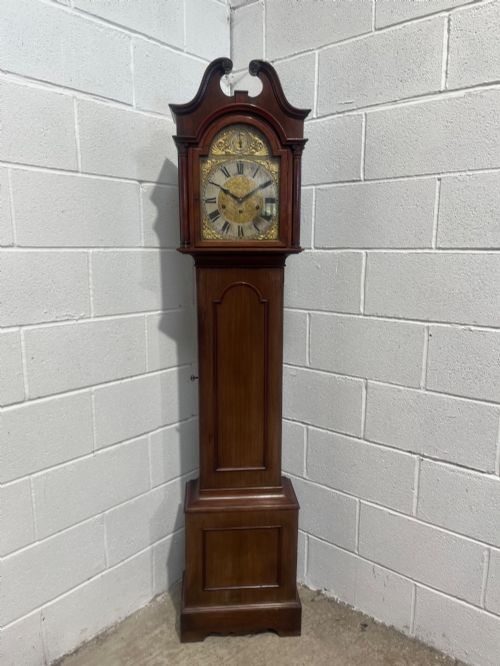
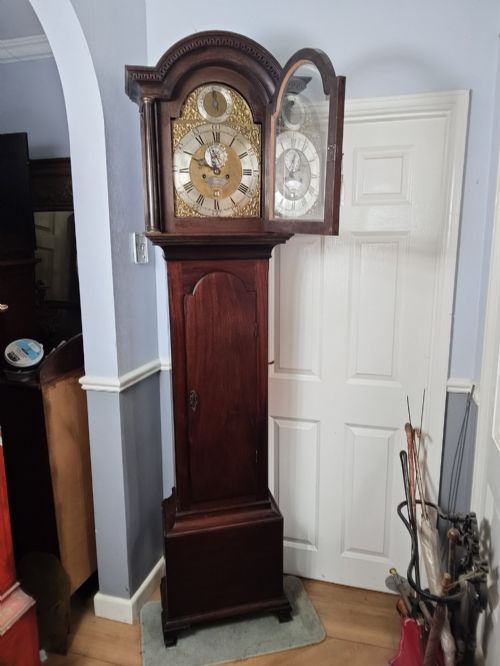
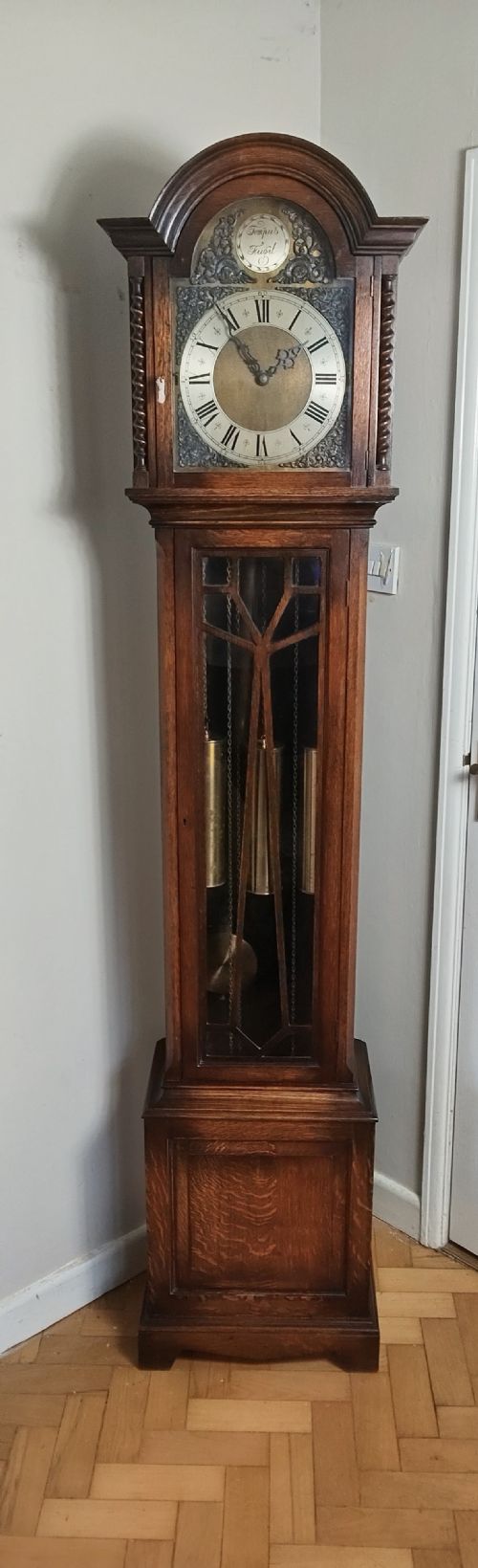
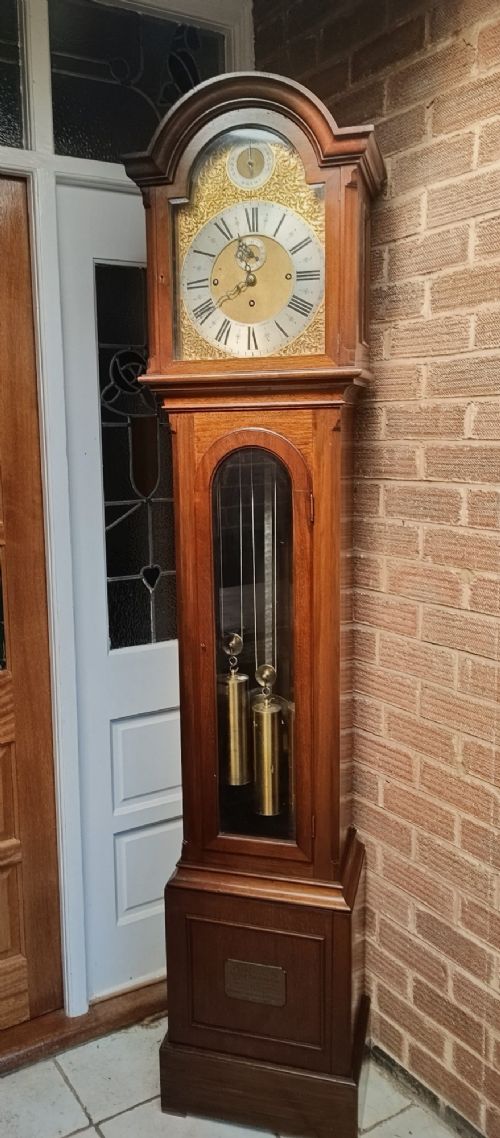
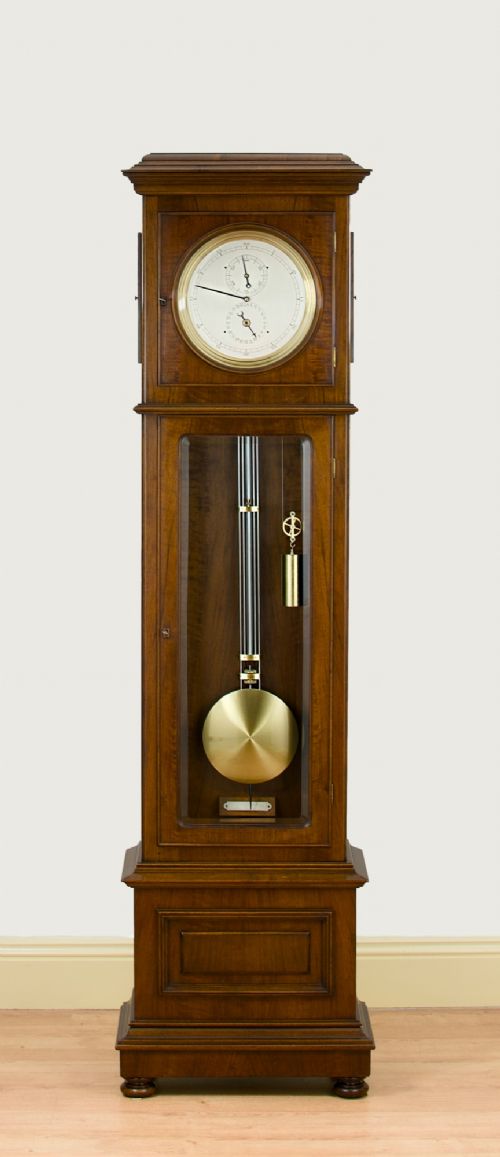
These antique longcase weights provide the vital suspension power for tall case timepieces, appearing here in brass-cased formats.
Antique Longcase Weights
When searching for antique longcase weights, buyers examine the specific metal shells and internal filling that drive grandfather and grandmother clock movements. The examples recorded in our archive consist of brass-cased components designed to hang securely within the trunk of an eight-day or thirty-hour clock.
Most pieces encountered on this page derive from the eighteenth and nineteenth centuries, reflecting the era when tall case clock production reached its zenith. These utilitarian objects form a critical part of the mechanical system, translating gravity into steady kinetic energy for the escapement.
The varieties available range from plain cylindrical housings to matched pairs intended to drive both time and strike trains simultaneously. Collectors often seek out these individual components either to complete an incomplete clock movement or to replace missing hardware with period-correct specimens.
Materials and construction
Makers constructed these components primarily using heavy metals such as iron or lead for the dense internal core, enclosed within an outer shell of sheet brass. This combination ensured sufficient mass within a compact cylindrical volume to power the gear train over a full weekly or monthly cycle.
The brass casings were typically formed by folding and soldering sheet metal around the heavy core, often featuring a cast or soldered top loop for attaching the suspension cord or chain. Artisans finished the exterior with simple lathe-turning marks or left the brass with a natural worked texture that darkens gracefully over centuries.
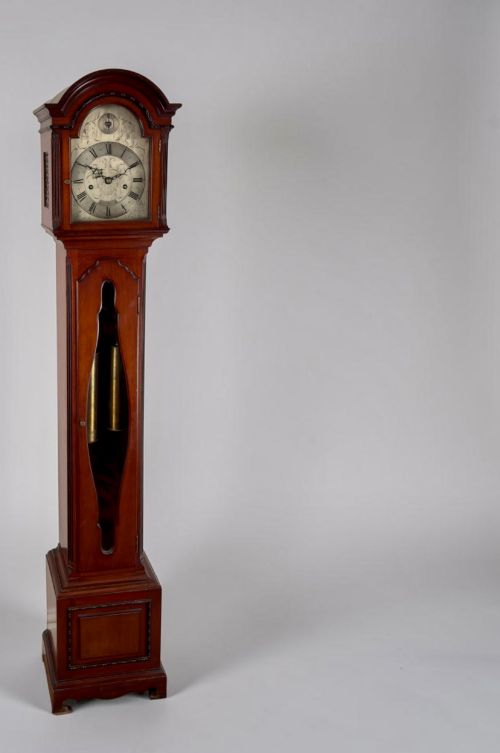
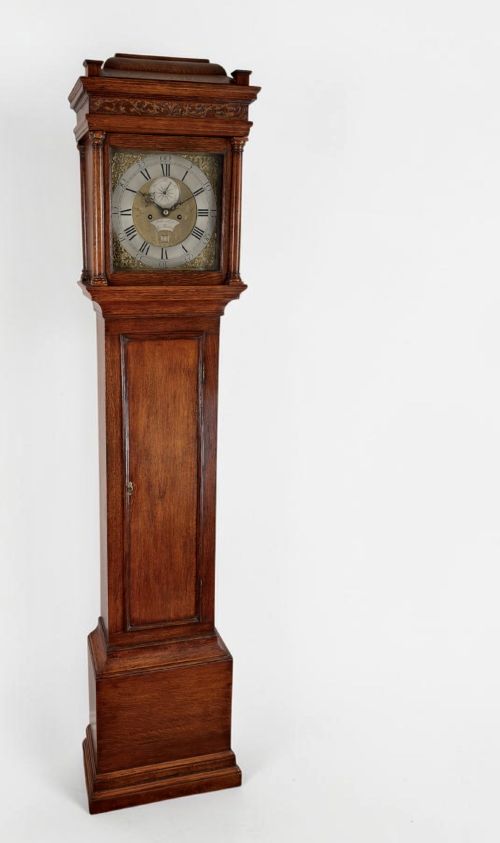
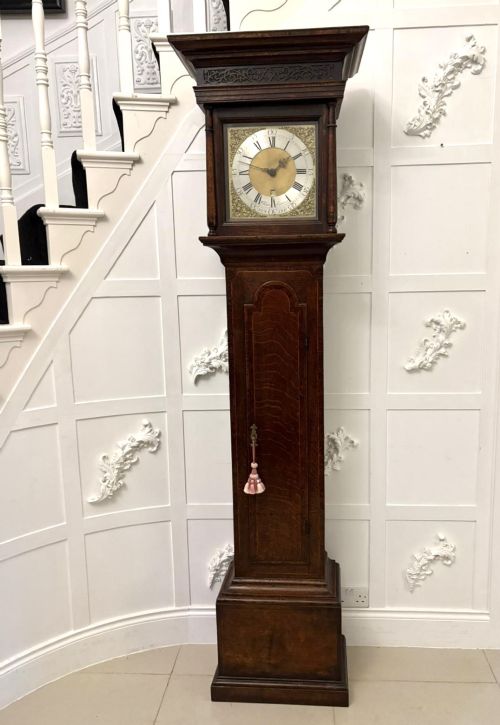
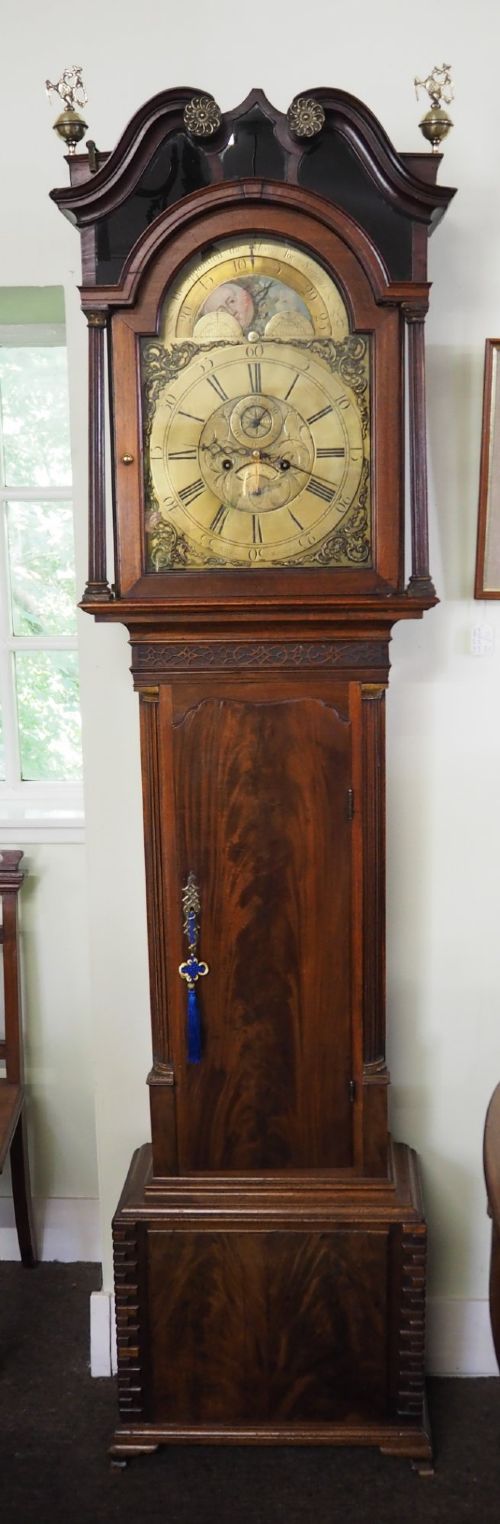
Listings for tall case timepieces and components on this site span the eighteenth, nineteenth, and early twentieth centuries, utilising oak, mahogany, and brass.
Factors of quality
The distinction between ordinary utility items and superior examples lies in the integrity of the brass casing and the precision of the internal weight distribution. Weights that retain their original soldered seams, intact suspension loops, and unblemished metal surfaces command greater regard among horological restorers.
Furthermore, uniformity in a matched pair indicates skilled workshop production rather than a later assembled mismatch of disparate parts. The crispness of the original brass shell and the absence of heavy denting or crude repair patches determine the overall merit of the piece.
Gillett and Johnston·Lee of Great Marlow·Elliott·Lenzkirch·William Wady·Francis Perigal·Lister and Sons·Thomas De Gruchy·Benjamin Rogers
The Antique Longcase Weights Glossary
- Brass cased
- A protective outer shell made of sheet brass enclosing a denser internal metal mass. This construction prevented lead or iron core materials from flaking onto the interior timber trunk.
- Longcase clock
- A tall pendulum clock enclosed in a wooden case, commonly known as a grandfather or grandmother clock. These movements rely on suspended weights for their operating power.
- Pair
- Two matching items intended to function together within the same clock case. Clock movements typically required separate weights for the time and strike trains.
- Suspension
- The method by which the weight hangs from the movement's pulleys or barrel drums. Proper attachment ensures the weight descends without rubbing against the clock case sides.
Antique Longcase Weights: Frequently Asked Questions
What are antique longcase weights made of?
These pieces generally consist of a dense internal core made of lead or iron, which is entirely encased in a protective outer shell of sheet brass. This design provided the necessary mass while preventing rough metal from damaging the interior clock trunk.
Over the centuries, the exterior brass develops a dark, patinated surface while the internal metal remains hidden and secure within the soldered casing.
How do I match weights to a clock?
Matching requires calculating the exact mass needed to drive the specific gear train and pendulum length of your movement. Using weights that are too heavy can strain the teeth of the wheels, while too light a mass will cause the clock to stop.
Consulting historical records for the maker and period helps determine the correct poundage and physical dimensions required for a proper fit.
Are these weights sold individually?
Listings frequently feature individual items as well as matched pairs, depending on what survived alongside the original movements. Collectors searching for replacements often acquire single pieces to complete an incomplete set.
When buying a pair, check that the dimensions, suspension loops, and brass characteristics align closely to ensure uniform descent within the case.
How do I care for brass-cased weights?
Maintenance requires only gentle dusting with a dry cloth to preserve the historical surface and natural oxidation. Avoid harsh metal polishes that strip away the aged character and thin the original brass sheet.
Ensure the internal hanging loops remain secure and free from stress fractures before suspending them from your clock movement.