
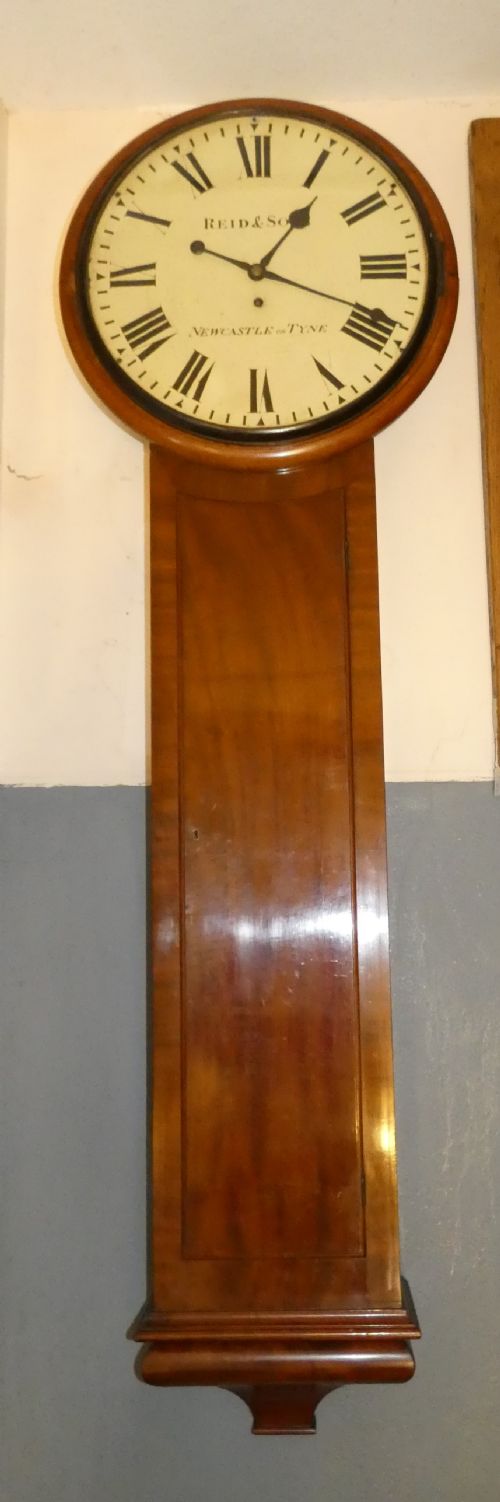


Antique Longcase Regulator
An antique longcase regulator is a precision timekeeper housed in a tall floor cabinet, prized by collectors for its exceptional mechanical accuracy.
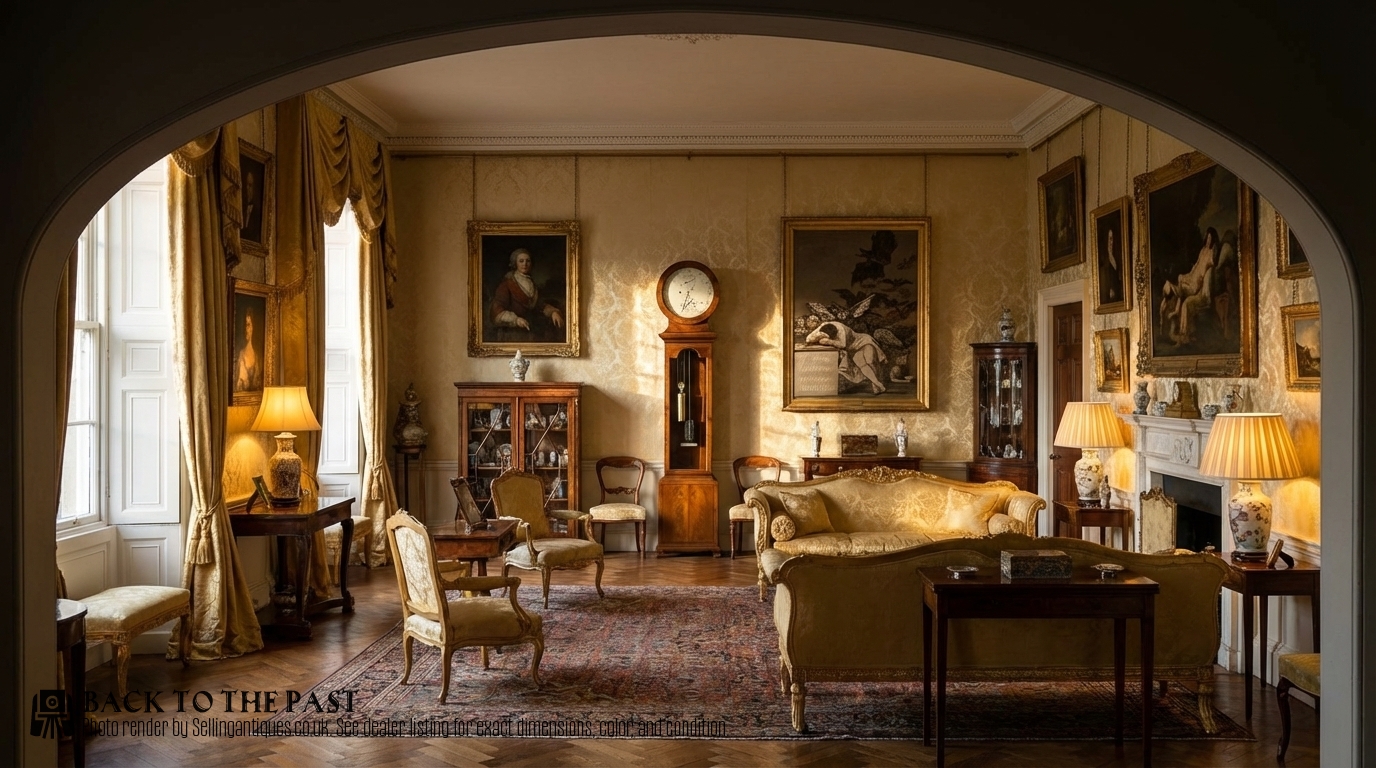
Antique Longcase Regulator
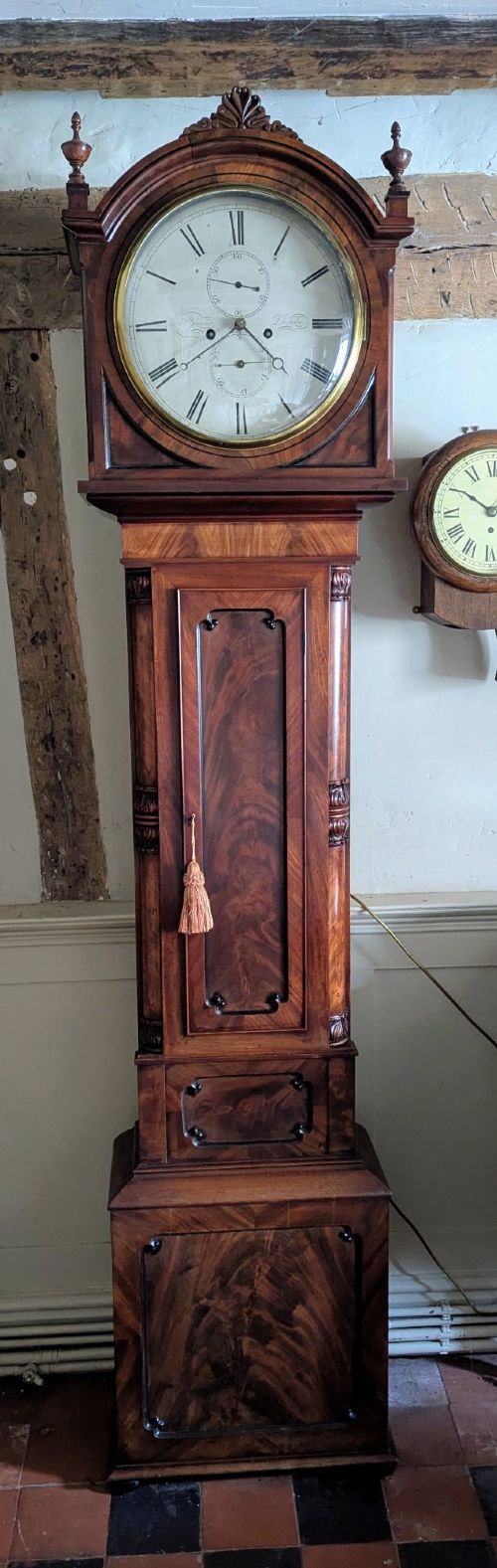
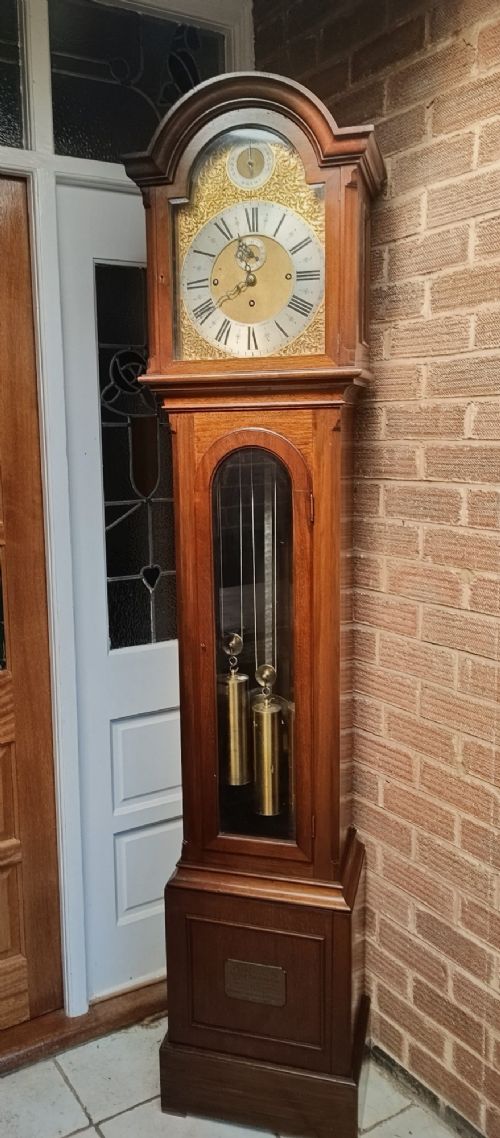
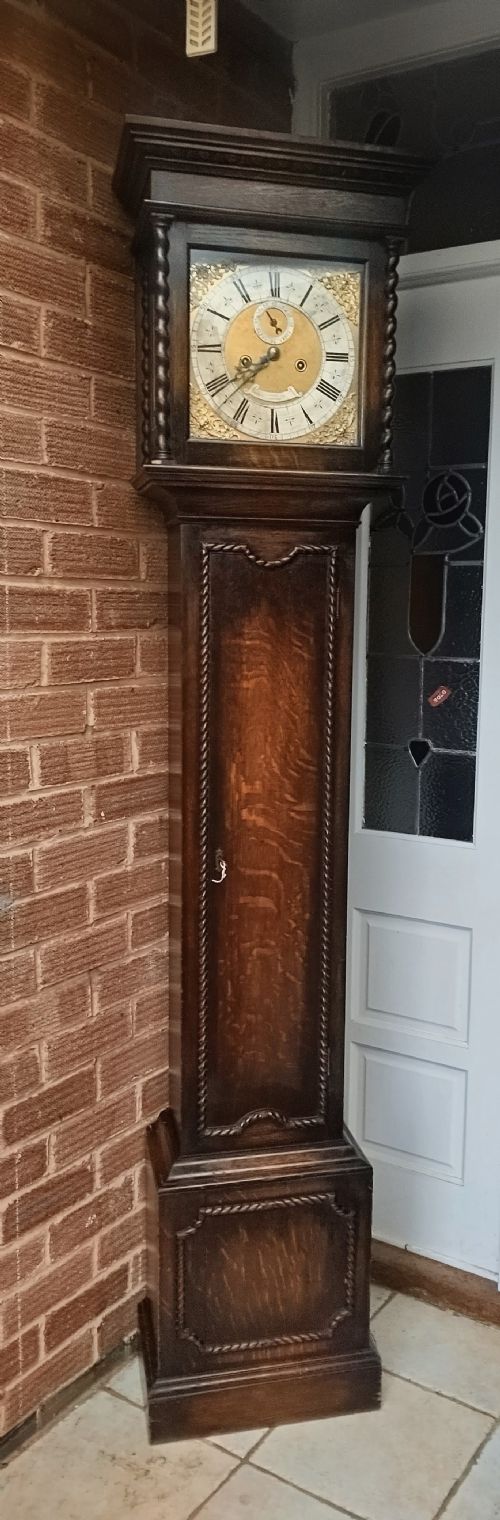
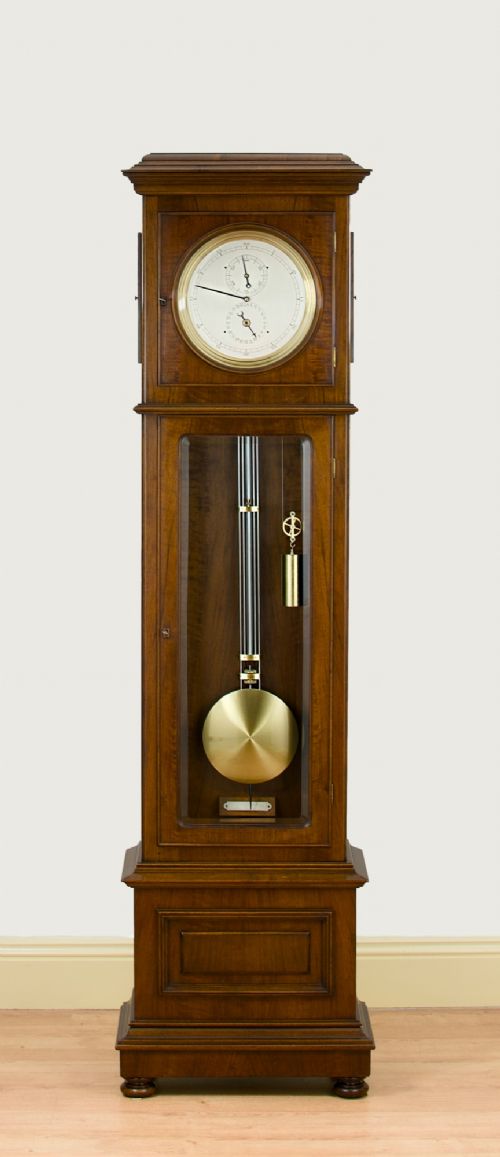
An antique longcase regulator brings together precision timekeeping and tall cabinet work, designed primarily to serve as an accurate standard for observing time. These pieces emerge across the nineteenth century, Regency period, and Edwardian eras, reflecting both domestic and workshop origins.
The versions most commonly met here span mahogany and oak construction, housing sophisticated movements by regional makers and London firms alike. Alongside traditional longcase clocks, buyers encounter domestic regulators and occasional miniature formats.
Examples display styles ranging from plain Victorian utility to decorative French Louis XV influence and Georgian revival forms. Each piece offers a distinct insight into historical horology, pairing functional dials with substantial floor-standing timber cases.
What varies in quality
The standard of a regulator rests heavily on the refinement of its movement and the integrity of its timber housing. Superior examples feature meticulously finished brass gear trains and temperature-compensated pendulums designed to minimise environmental interference with timekeeping.
Cabinet work also dictates overall merit, distinguishing utilitarian workshop pieces from finely proportioned domestic cases. Timber selection, the crispness of brass dial engravings, and the original pairing of movement and case determine the standing of individual clocks.
Some models are recorded simply as grandmother clocks, proving that small stature and precision timekeeping make perfect partners.
Lenzkirch·Gillett & Johnston·James Wood·William Chisholm Of Aberdeen·French Royal Exchange·Pearce And Sons·Aitchison of Glasgow·Hampston Prince & Cattles·Frederick Rowe·Richard Rowell·George Atkins
The Antique Longcase Regulator Glossary
- Deadbeat escapement
- A clock mechanism that stops the escape wheel from recoiling backward, reducing wear on gear teeth and improving timekeeping accuracy.
- Silvered metal
- A brass dial plate treated with a silver compound to produce a matte finish, then engraved and blackened for legible numerals.
- Ormolu
- Gilded bronze used for decorative mounts and accents on French and English clock cases of the eighteenth and nineteenth centuries.
- Maintaining power
- A secondary spring or weight mechanism that keeps a clock running while it is being wound, preventing any loss of momentum.
Antique Longcase Regulator: Frequently Asked Questions
What is an antique longcase regulator?
An antique longcase regulator is a tall clock built for exceptional timekeeping accuracy, featuring a heavy pendulum and precise mechanical movement housed inside a timber cabinet.
These pieces served as reference clocks in workshops, public offices, and wealthy homes where exact time was essential.
How do domestic and precision regulators differ?
Domestic regulators adapted high-accuracy movements for everyday household use, often incorporating striking trains or musical chimes alongside standard timekeeping.
Strict precision regulators focused entirely on scientific accuracy, omitting extra complications to maintain undisturbed pendulum motion.
Where should I place a longcase regulator?
Regulators require a stable, vibration-free wall or floor surface to keep the pendulum swinging evenly and maintain accurate timekeeping.
Positioning them away from direct sunlight and heavy foot traffic helps protect the timber case and delicate interior mechanics.
How do I identify the period of a regulator?
Cabinet style, dial materials, and movement signatures offer clear clues to a clock's age, pointing toward Georgian, Victorian, or Edwardian origins.
Makers' names inscribed on silvered dials often match historical records to narrow down the exact decade of production.