





Antique London Horology
Antique london horology comprises clocks and pocket watches spanning from the seventeenth century through the twentieth, offering precise mechanical heritage and traditional cabinetwork.
Antique London Horology
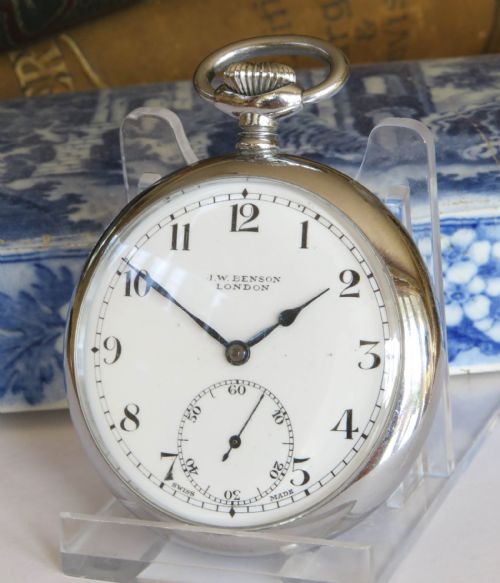
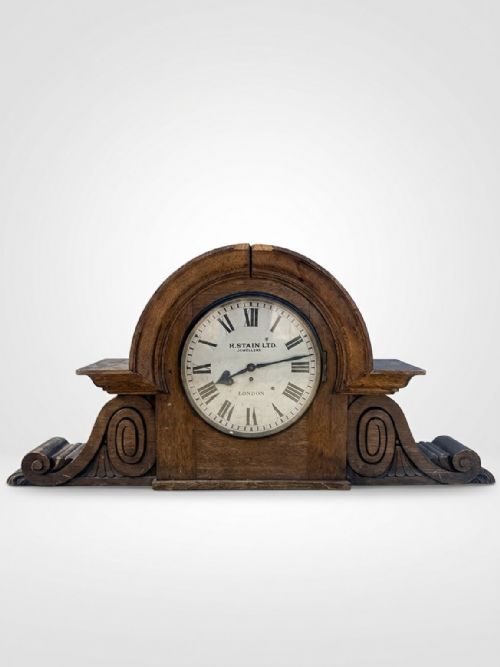
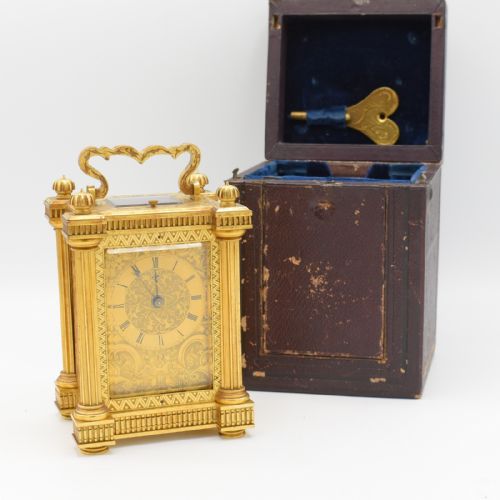
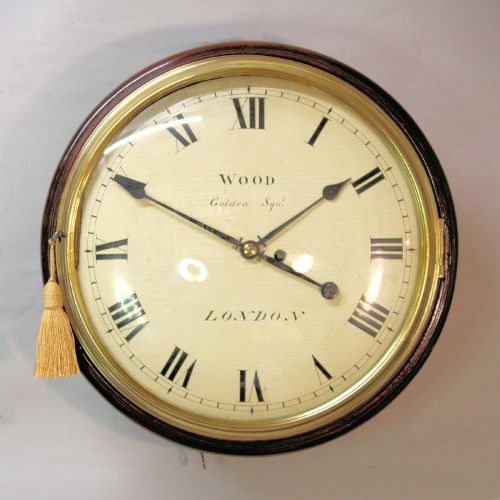
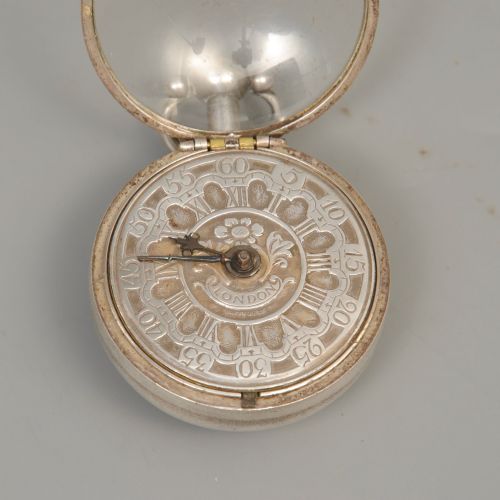
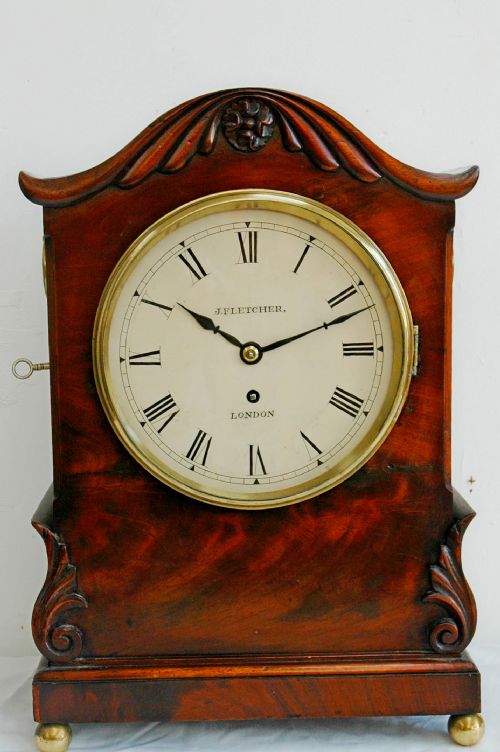
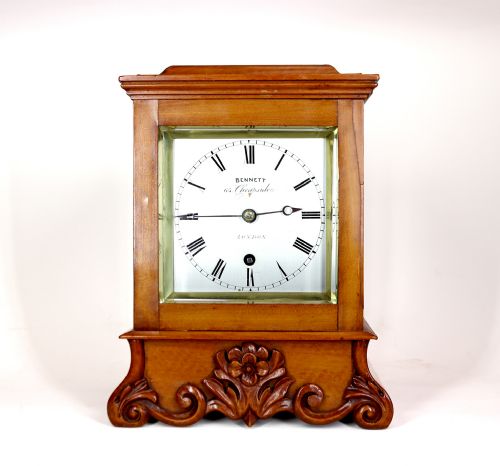
Antique london horology encompasses a diverse range of timepieces, from towering longcase clocks and table bracket clocks to wall-mounted dial clocks and pocket watches. You will frequently encounter nineteenth-century mahogany fusee wall clocks and bracket clocks alongside earlier eighteenth-century examples.
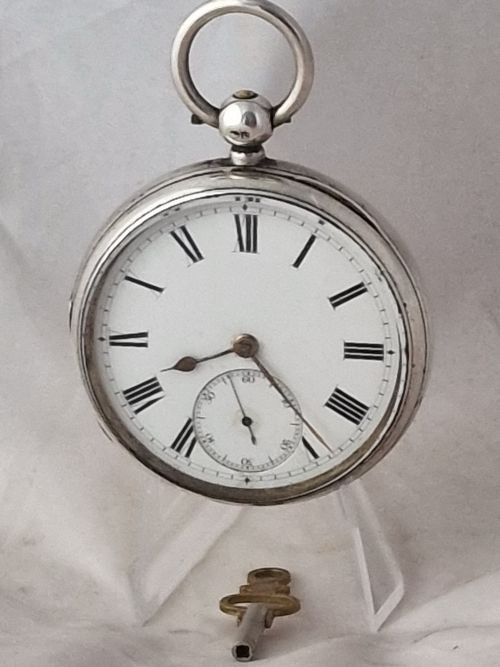
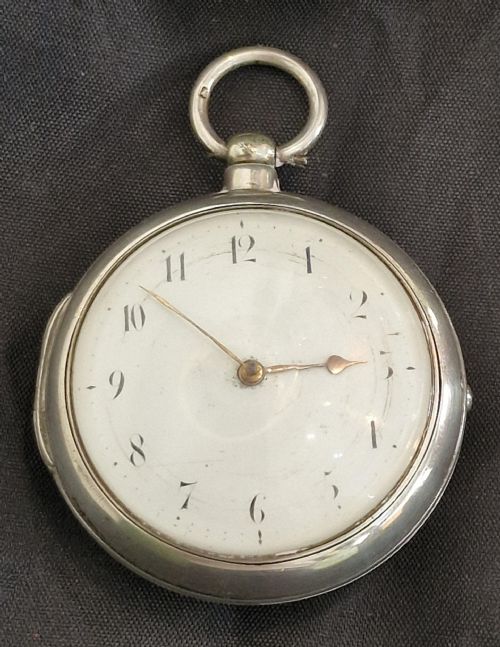
The selection includes specialised forms such as silver pair cased pocket watches, library clocks, and lantern clocks housed in brass, mahogany, and ebonised wood. These items originate from workshops working within the capital, reflecting centuries of domestic timekeeping development.
Materials and construction
Horological pieces of this era rely on durable metals like brass, steel, and silver for their complex gear trains, escapements, and dials. Cabinets and cases are constructed from dense timbers including mahogany, walnut, satinwood, and ebonised wood, often enhanced with glass panels and enamel dials.
Makers utilised fusee movements to ensure even power delivery from the mainspring to the escapement, alongside traditional verge and anchor mechanisms. Woodwork involves careful joinery, fine veneers, and occasional inlay work to house the intricate brass movements.
Listings feature seventeenth-century ebony bracket clocks alongside nineteenth-century railway dials in mahogany and brass.
Quality variations
Quality in these timepieces depends upon the precision of the mechanical movement and the sophistication of the casework. Better examples display finely cut brass wheels, robust fusee integration, and clean engraving on the backplates or dials.
Cabinetwork distinguishes the finer pieces through choice veneers, well-proportioned mouldings, and original mounts in brass or ormolu. The reputation of the maker, combined with the integrity of the movement relative to its original state, determines the standing of an item.
Henry Weedon London·Sir John Bennett·John Pepys London·William Speakman·Peter Closon London·William Barrow London·John Barwise of London·Perigal of London·Joseph Jump of London·Leplastrier of London·Brockbanks of London·R Roberts of London·Dent of London·Andrew Marchant of London·Francis Perigal London·Joseph Windmills London·Chater and Son London·John Fletcher London
The Antique London Horology Glossary
- Fusee
- A conical pulley used in spring-driven clocks and watches to equalise the torque of the mainspring as it unwinds. This mechanism maintains consistent force on the gear train to improve timekeeping accuracy.
- Verge escapement
- An early type of escapement mechanism that controls the release of power in a clock or watch. It works in conjunction with a balance wheel or pendulum.
- Pair cased
- A pocket watch design featuring two separate fitted cases, where an inner case holds the movement and an outer protective case shields it from dust and damage.
- Bracket clock
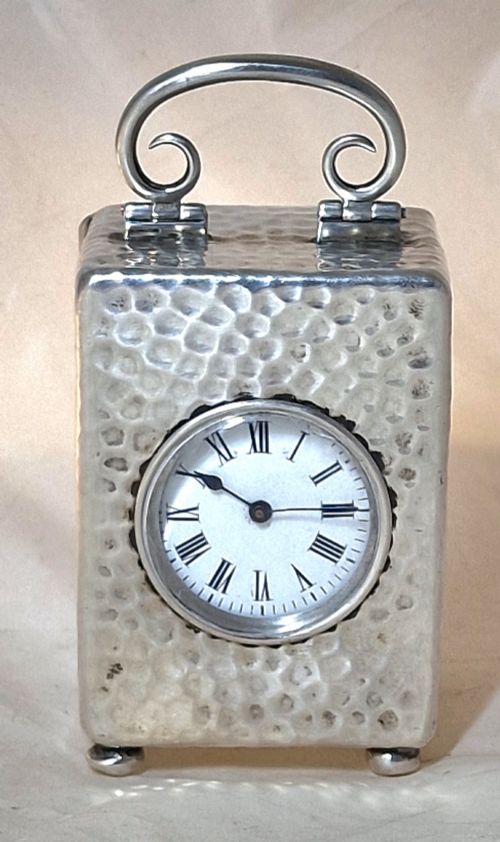
- A portable table clock originally designed to sit on a bracket affixed to a wall. These clocks frequently feature striking mechanisms and carrying handles.
- Champlevé
- An enamelling technique where troughs or cells are carved into a metal surface and filled with vitreous enamel before firing. It decorates watch dials and clock components.
Antique London Horology: Frequently Asked Questions
What is a fusee clock?
A fusee clock uses a conical pulley connected to the mainspring by a fine chain or cord. This system regulates the power output to the movement as the spring runs down.
Such movements are typical of better-quality British timekeeping from the eighteenth and nineteenth centuries, offering improved accuracy over standard spring-driven alternatives.
How do I wind a bracket clock?
Winding requires inserting a matching key into the winding holes on the dial face and turning it gently until resistance is felt. Care must be taken not to overwind the mainspring.
Most traditional bracket clocks require weekly attention to keep the timekeeping and striking trains functioning correctly.
Where were these clocks made?
These items were produced by master horologists and workshops operating within London. The capital was a major centre for clock and watchmaking innovation.
Local guilds and makers supplied domestic and international markets with precision instruments housed in regional cabinet timbers.