

Antique Lithograph Picture
When you handle an antique lithograph picture, you hold a piece of nineteenth and early twentieth-century printmaking history.
Antique Lithograph Picture
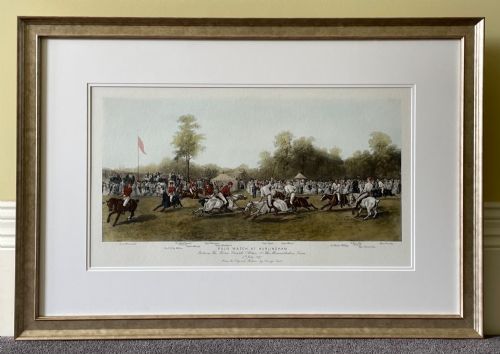
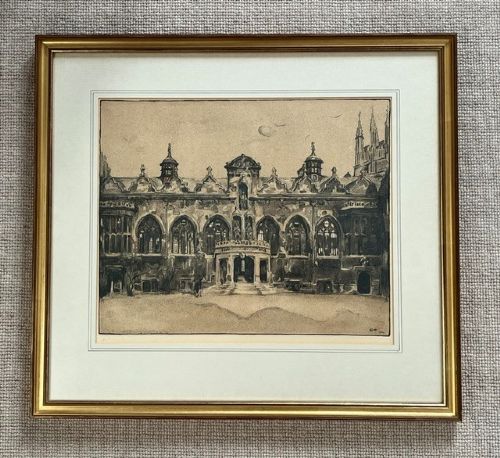
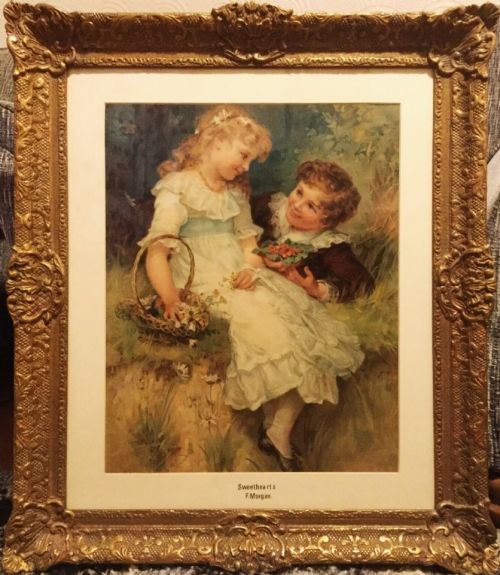
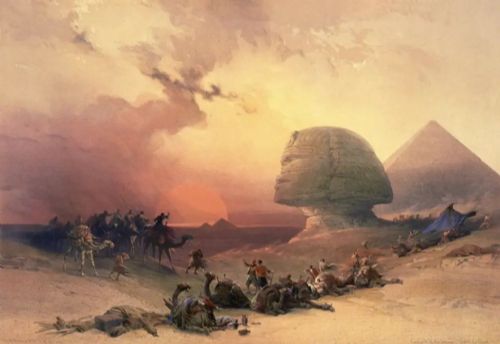
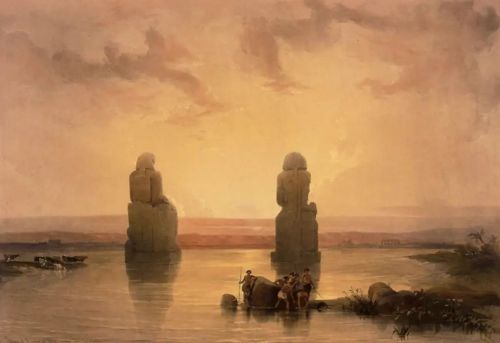
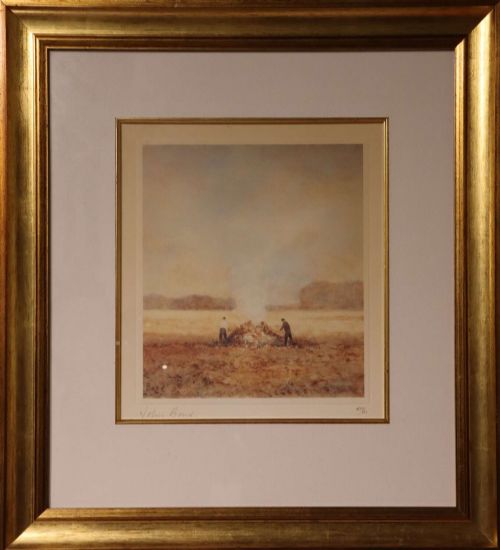
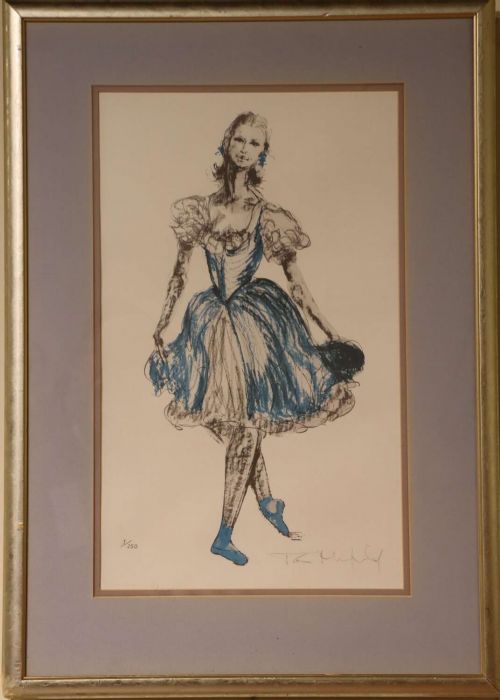
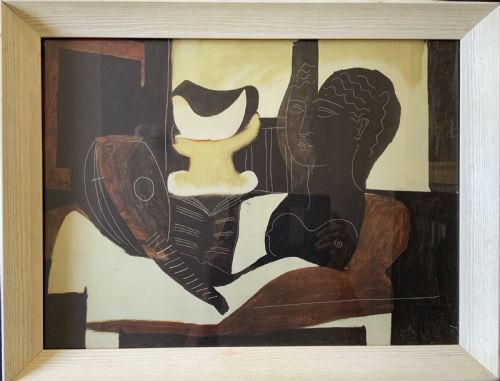
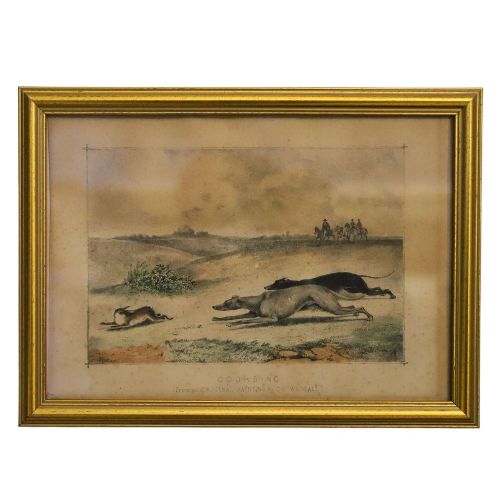
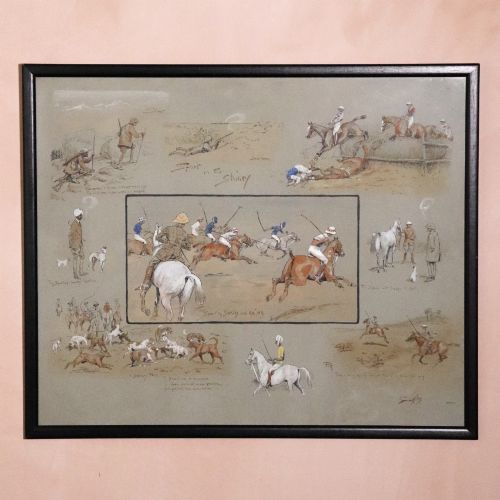
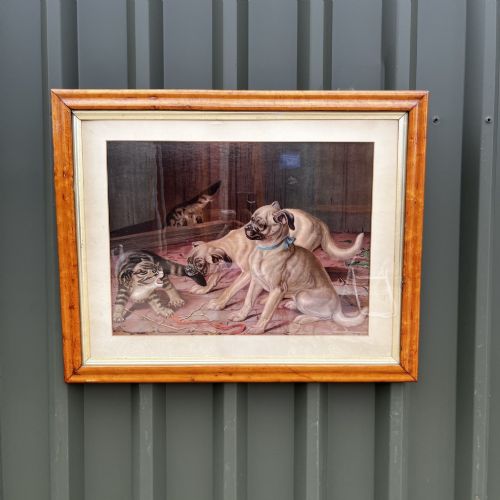
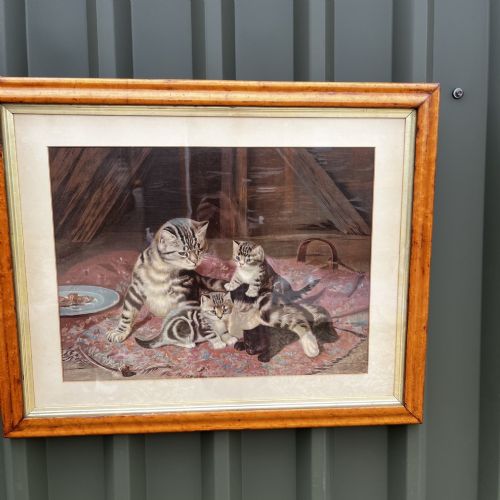
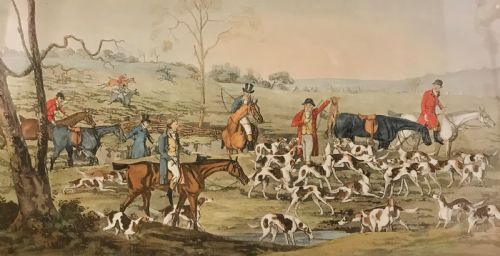
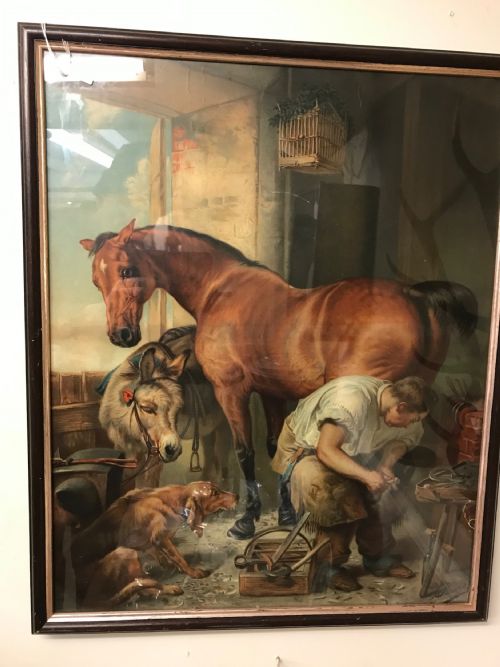
An antique lithograph picture captures scenes from sporting events, orientalist travels, and domestic animal portraits across the nineteenth and early twentieth centuries. These works appear primarily as framed wall art, featuring subjects ranging from polo matches and hunting scenes to architectural views of Cairo and botanical studies.
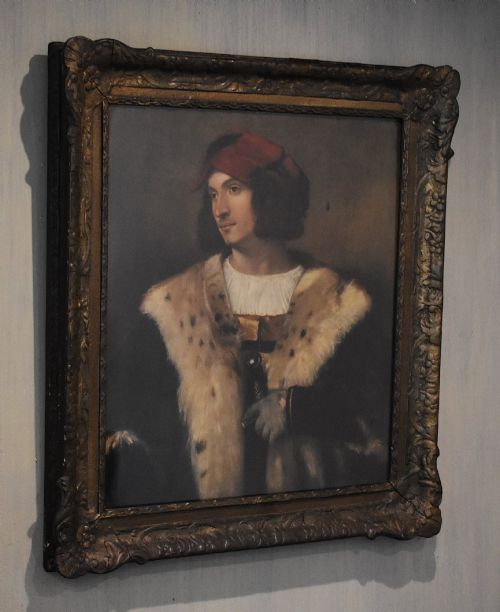
The selection includes chromolithographs and prints after artists like David Roberts, Louis Wain, and Snaffles, spanning Georgian to Art Nouveau styles. Buyers encounter both individual plates and substantial framed pairs or sets preserved in period wood and glass enclosures.
Materials and production methods
These works rely on paper surfaces marked with ink, sometimes enhanced through hand-colouring or chromolithographic processes to build layered colour fields. Publishers combined these printed sheets with wood frames, frequently utilising oak, gilt wood, or gold leaf surrounds under protective glass.
Makers utilised original stone or metal plates to transfer detailed compositions, frequently issuing them as companion sets, magazine supplements, or individual portfolio plates.
Listings feature paper, ink, and gold leaf assembled within oak and gilt wood frames across Victorian, Edwardian, and Art Nouveau periods.
Distinctions in execution
Quality rests in the crispness of the ink transfer and the precision of any applied hand-colouring. Stronger examples retain their original framing materials, such as marked period wood mouldings, which preserve the structural integrity of the paper within.
The distinction between standard commercial publication and finer artist-signed or limited plates dictates the visual depth and historical weight of the piece.
Sir William Nicholson·Frederick Morgans·David Roberts·C. H. Weigall·Horatio Henry Couldrey·Edwin Henry Landseer·Louis Haghe·Charles Edward Wilson·Louis Wain·Charles Burton Barber·T. M. Baynes·R. P. Phillimore·Thomas Sutherland
The Antique Lithograph Picture Glossary
- Chromolithography
- A colour lithographic printing process using multiple stones or plates, one for each colour, to produce a rich chromatic image.
- Lithograph
- A planographic printing method based on the chemical repulsion of oil and water, utilising a flat stone or metal plate.
- Chromolithograph
- A finished print produced via the multi-stone colour lithography process, yielding dense opaque hues.
- Hand-coloured
- A monochrome printed base enhanced by hand using watercolours or tints applied directly to the paper surface.
Antique Lithograph Picture: Frequently Asked Questions
What is an antique lithograph picture?
An antique lithograph picture is a print produced on paper using the lithographic technique during the nineteenth or early twentieth century. These images capture subjects ranging from sporting dogs and military reviews to architectural monuments.
They were predominantly published as wall art, book illustrations, or periodical supplements and are commonly found today preserved behind glass in period wood frames.
How do I care for framed paper prints?
Paper prints require stable indoor environments away from direct sunlight to prevent the fading of ink and hand-colouring. Maintaining moderate humidity levels protects both the paper substrate and the integrity of the surrounding wooden frames.
Avoid hanging these works in damp spaces or areas subject to rapid temperature swings.
Are these prints original to their period?
The listings comprise original nineteenth and early twentieth-century print runs produced from period presses rather than modern reproductions. Dating relies on stylistic evidence, paper characteristics, and accompanying publication markers.
Many retain their original framing, which offers additional context regarding their age and history.
How can I tell periods apart?
Stylistic shifts and subject matter often indicate the era of a piece, moving from Georgian topographical views to Victorian sporting art and Edwardian animal illustrations. Typography, framing styles, and publisher credits also provide firm chronological markers.
Earlier nineteenth-century works frequently employ hand-colouring, whereas later examples embrace full chromolithography.