


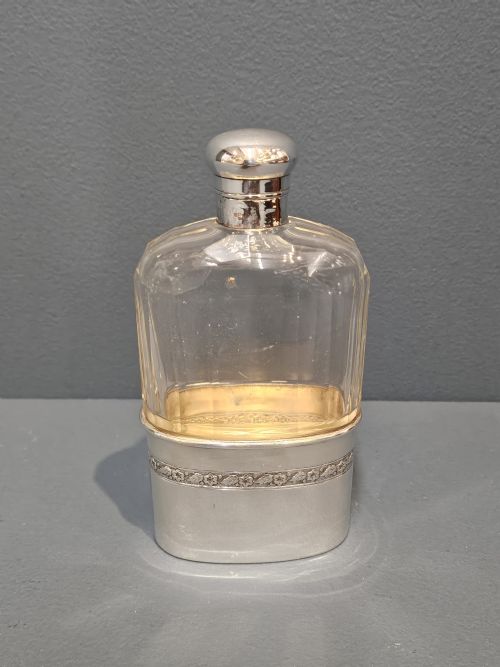


Antique Liquor Flask
An antique liquor flask brings pocketable craftsmanship and period character to portable spirits, whether you choose a pocketable silver hip flask or a glass decanter.
Antique Liquor Flask
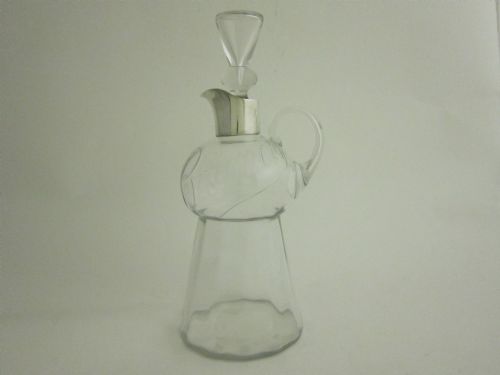
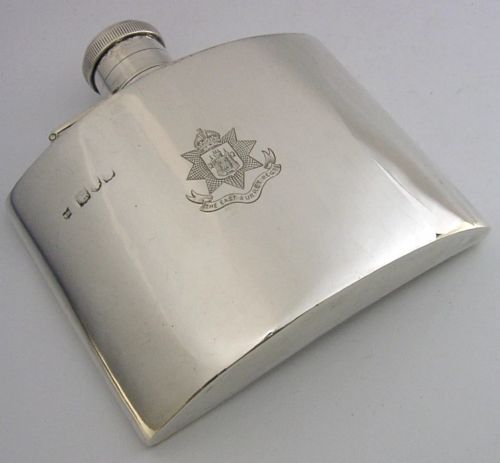
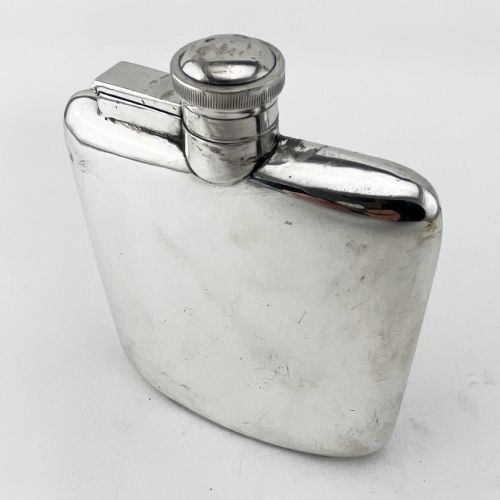
When you search for an antique liquor flask, you encounter pocket-sized portable containers alongside table decanters intended for spirits. The selections span compact hip flasks designed to slip into a coat and larger vessels intended for portable spirit storage.
The material combinations alter the character of the piece entirely. You meet glass bottles enclosed in leather, clear cut crystal fitted with sterling silver mounts, and solid metal bodies engineered with integrated drinking cups.
Victorian and Edwardian examples dominate the range, supplemented by Georgian Continental enamel work and later Art Deco geometric designs. These objects served military officers, travellers and hosts requiring secure spirit distribution.
How they were made
Silversmiths hammered and shaped sterling silver and silver plate into curved profiles, adding hinged flip tops and removable base cups. Glassmakers blew clear, green, cranberry, and cut crystal bodies, sometimes wrapping them in stitched leather casings.
Makers integrated glass and metal through collars and screw caps, frequently applying enamel painting or detailed chasing to the exterior surfaces. Hallmarks stamped into the silver components record assay offices in cities such as London, Sheffield, Chester, and Glasgow.
What varies in quality
The weight and thickness of the sterling silver plate govern the structural rigidity of pocket flasks. Thicker metal resists denting during use, whereas lighter silver plate wears down to the base metal over decades of handling.
The clarity and depth of cut glass or crystal separate standard production bottles from finer cabinet pieces. Engraved detailing, crisp hallmarks, and tight cap seals distinguish work by established silversmiths from anonymous workshop output.
JB Chatterley & Sons·Elkington·James Dixon & Sons·Sampson Mordan
The Antique Liquor Flask Glossary
- Hip flask
- A curved pocket container designed for carrying spirits on the person. Many variants include a detachable silver cup at the base.
- Decanter
- A table vessel intended for holding and serving liquor. These often feature glass stoppers and protective silver mounts.
- Tot
- A small drinking vessel or measure for spirits. They frequently appear paired with silver spirit labels and flasks.
- Hallmark
- An official stamp struck into precious metals. It indicates the standard of silver, the assay office, and the date letter.
- Silver plate
- A layer of silver fused to a base metal core. It provided the appearance of solid silver at a lower cost.
Antique Liquor Flask: Frequently Asked Questions
What is an antique liquor flask?
An antique liquor flask is a portable or table container made to hold spirits, produced primarily during the Victorian, Edwardian, and Art Deco periods. They combine materials such as glass, leather, and sterling silver.
These pieces range from pocket-sized hip flasks with removable drinking cups to glass decanters and spirit bottles intended for travel or domestic barware use.
How do I date a silver flask?
You date a silver flask by examining the stamped hallmarks on the metal mounts or body. These marks indicate the assay office, metal purity, and a specific date letter.
Additional dating clues come from the overall style, such as Edwardian proportions, Art Deco geometric lines, or Victorian military associations.
Can I use an antique flask?
Many antique flasks remain structurally sound for carrying spirits, provided the cap seal and interior remain clean. Silver and glass flasks are generally robust enough for occasional use.
Checking the screw thread, cork or washer inside the cap ensures the container prevents leaks before pouring liquid inside.
What materials were used?
Makers constructed these flasks using sterling silver, silver plate, clear and coloured glass, cut crystal, and leather casings. Enamel painting and gilt interiors also appear on select pieces.
Combinations of glass wrapped in stitched crocodile-style leather or fitted with solid silver cups represent standard manufacturing practices.