
Antique Liquor Decanter
These antique liquor decanter pieces span Georgian glass to Edwardian tantali, offering a practical way to serve spirits on a sideboard.
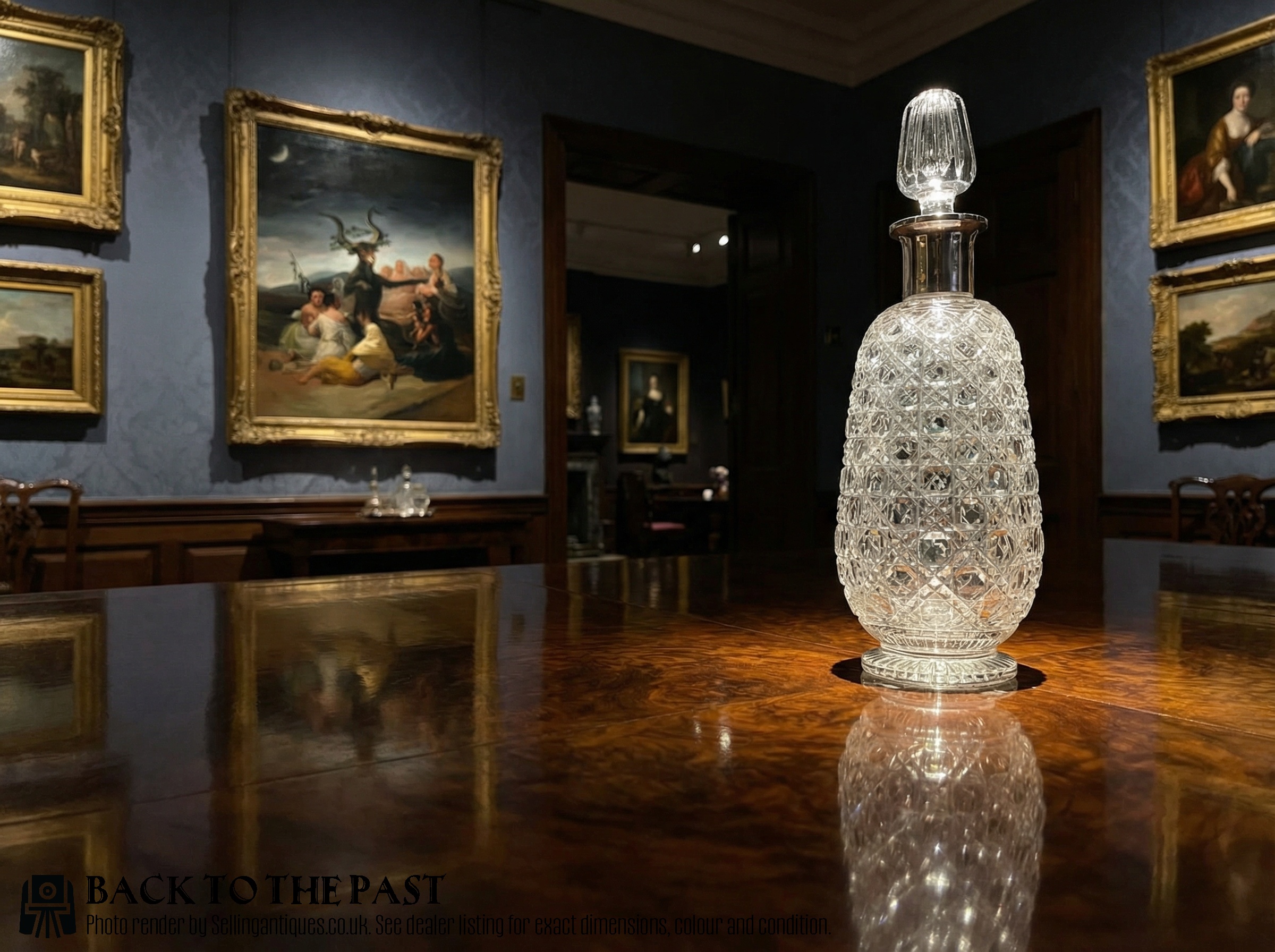
Antique Liquor Decanter
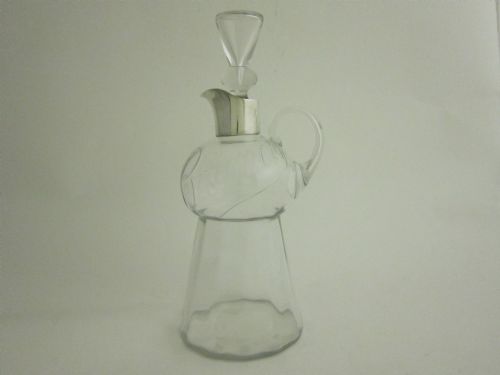
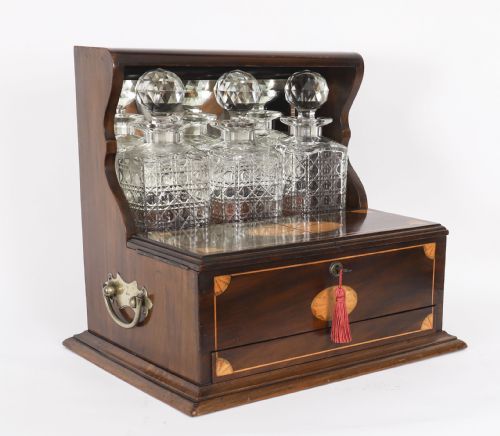
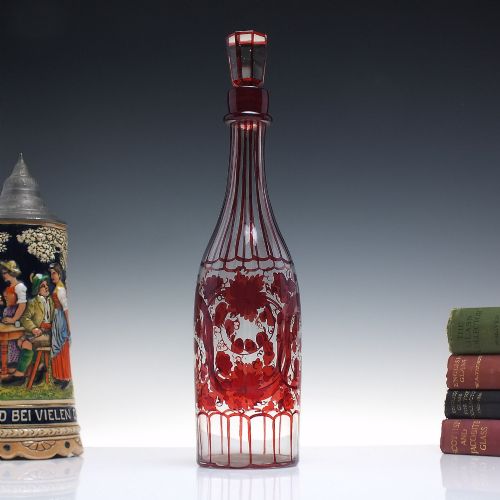
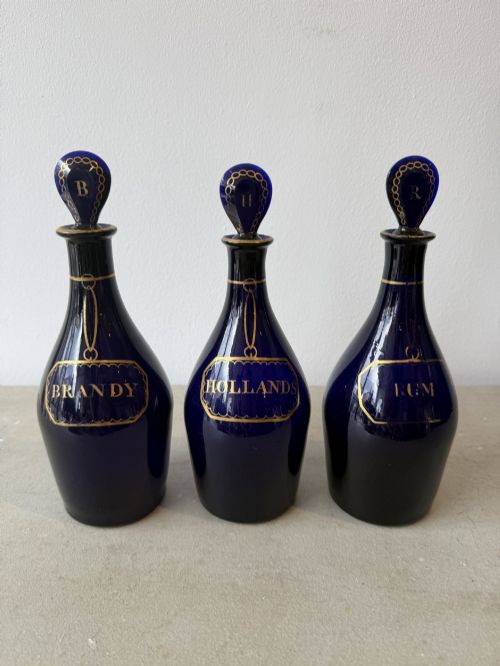
When you search for an antique liquor decanter, you encounter vessels designed to hold and pour spirits such as rum, brandy, whisky, Madeira, and sherry. These range from single glass bottles and pairs of ruby, green, or Bristol blue glass to complete sets housed in fitted wooden boxes or locked tantali.
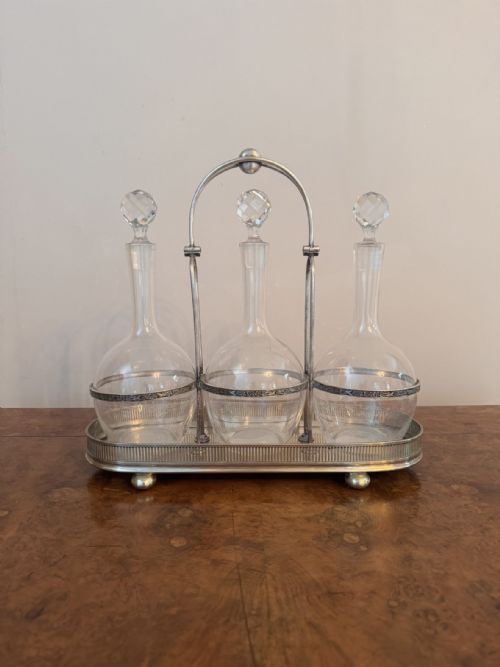
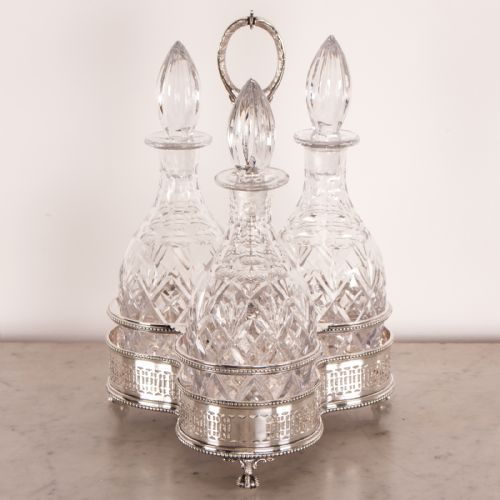
The objects on this page bridge several eras, drawing particularly on Georgian, Victorian, and Edwardian periods. Alongside standalone glass bottles, you find silver-mounted spirit flagons, French liquor caves, and silver-plated stands holding multiple crystal decanters.
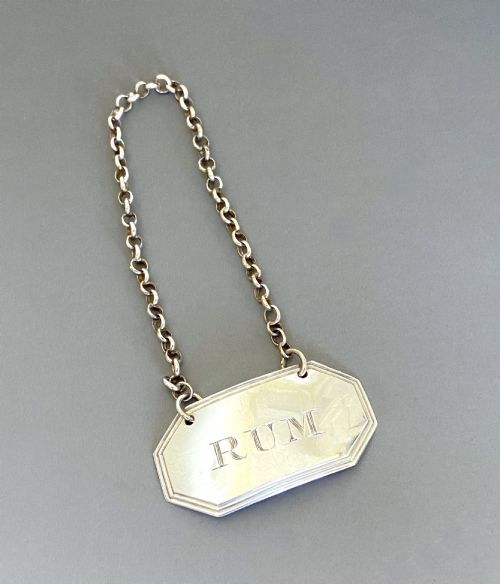
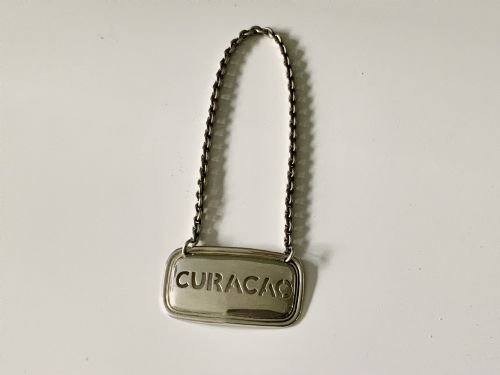
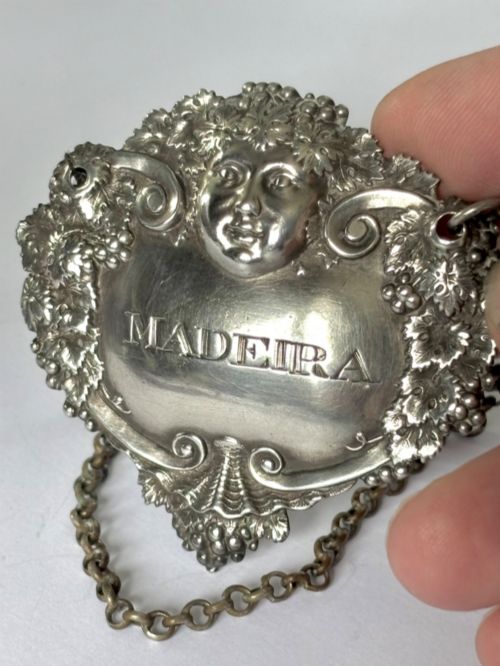
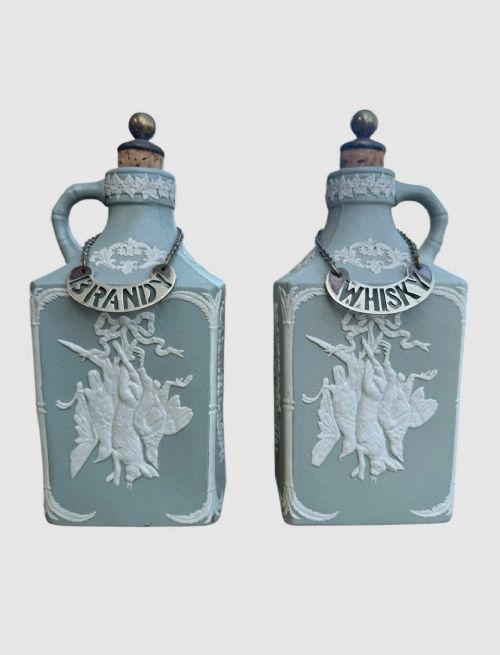
Companions to these vessels appear frequently in the form of sterling silver or silver-plated decanter labels naming specific contents like rum or Madeira. These identification tags often accompany the bottles to distinguish one spirit from another on the dining table.

Materials and construction
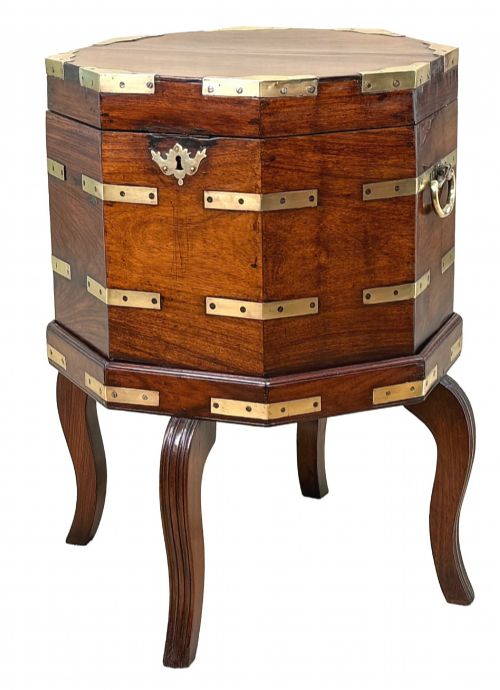
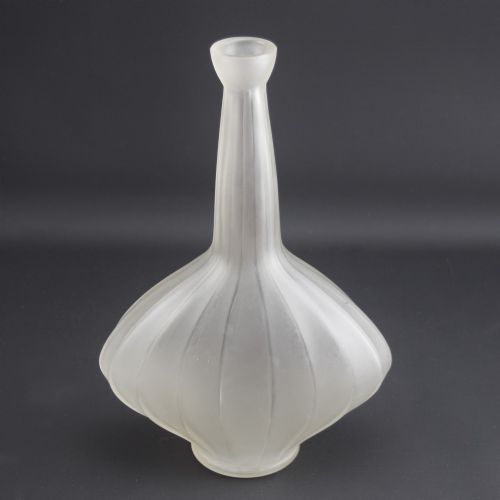
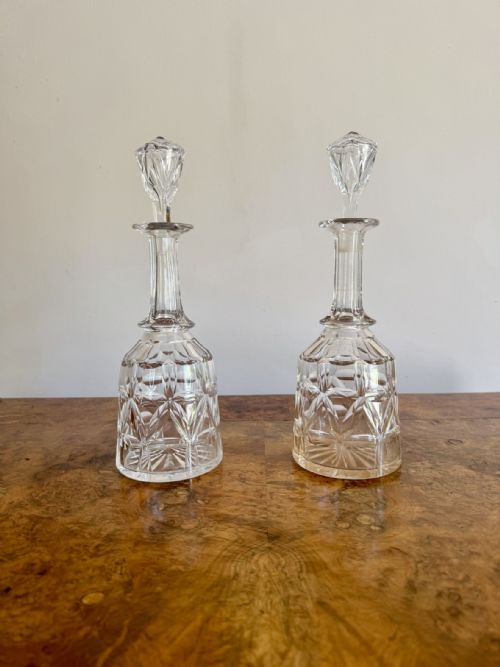
Makers shaped the glass elements through blowing and heavy cutting, producing cut crystal, lead crystal, frosted barrel dispensers, and overlaid coloured glass engraved with motifs like birds among vines. Cabinetmakers built the accompanying cellarettes, wine boxes, and tantali in solid timbers such as mahogany, oak, padouk, and coromandel, frequently mounting them with brass or incorporating inlaid details.
Silver and silver plate form an integral part of the construction, appearing in hallmarked mounts, locking mechanism bars on tantali, and swinging neck labels. Silversmiths stamped these metal components with hallmarks or maker marks, while hand-painted enamel and gilt decoration occasionally ornamented the glass bodies.
Antique Liquor Decanter Retail Price Guide 2026
Typical asking prices for liquor decanter among the pieces listed under this phrase on Sellingantiques today, from the lower quarter to the upper quarter. They describe what is for sale here now, not the wider market.
Listings feature decanters and spirit storage spanning the Georgian, Victorian, Edwardian, and Art Deco eras in glass, crystal, oak, mahogany, and silver plate.
Distinctions in quality
The weight and clarity of the glass set certain pieces apart, with heavy lead crystal and deep, crisp wheel-cutting marking out superior vessels. Coloured glass varieties achieve distinction through rich, even saturation in tones like cranberry, emerald green, and deep cobalt blue.
Housing quality dictates value in multi-bottle sets, where precision joinery in coromandel or mahogany woodwork, functional locking bars with original keys, and fully matched sets of crystal bottles with their original stoppers represent the highest standard of craftsmanship.
Elizabeth Morley·Tiffany·Digby Scott Benjamin Smith·Walker & Hall·Betjemann·Martin Hall & Co
The Antique Liquor Decanter Glossary
- Tantalus
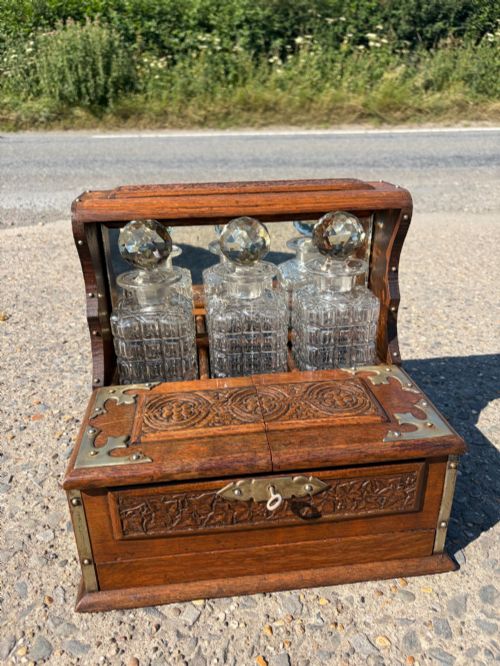
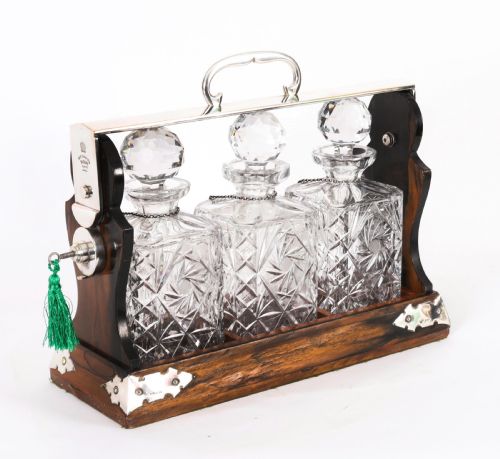
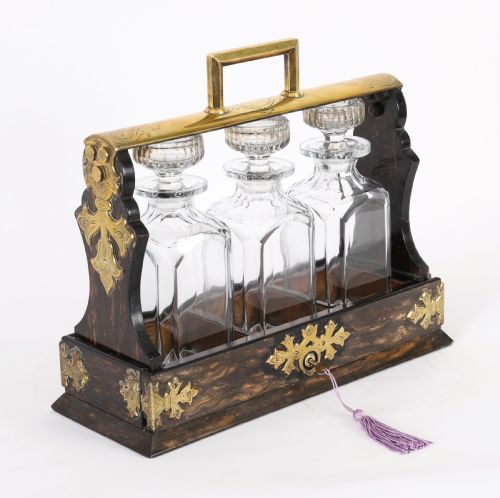
- A locked wooden frame holding glass decanters so they remain visible yet secure from unauthorised pouring. It typically uses a hinged metal bar across the stoppers.
- Cellarette
- A cabinet, box, or fitted container used to store wine bottles and liquor decanters safely. Georgian examples often sat on the floor beneath a sideboard or stood on carved legs.
- Decanter Label
- A small tag hung by a chain around the neck of a decanter to identify the spirit inside. They are frequently cast in sterling silver by notable makers.
- Cave a Liqueur
- A French boxed set, sometimes ebonised or veneered, containing fitted glass decanters and matching liqueur glasses. Also known as a liquor cellar.
- Lead Crystal
- Heavy, high-clarity glass containing lead oxide that increases brilliance and allows for sharp, deep facet cutting. It forms the body of many fine nineteenth-century spirit bottles.
Antique Liquor Decanter: Frequently Asked Questions
What is a tantalus?
A tantalus is a locking wooden stand that secures decanters by trapping their glass stoppers beneath a metal bar. This design allowed hosts to display fine spirits while preventing unauthorised access by household staff.
Most examples date from the Victorian and Edwardian periods, constructed in oak or mahogany with brass mounts and working locks. The bottles can only be removed once the locking arm is unlocked with a key.
How do I date an antique decanter?
Dating relies on the shape of the bottle, the depth and style of the glass cutting, and any associated metalwork. Georgian decanters often feature three rings on the neck and deep slice-cutting, while Edwardian versions frequently appear in fitted oak tantali.
Silver-plated or sterling silver labels and mounts provide crucial clues through hallmarking stamps. Examining the pontil mark on the base of the glass also helps determine whether the piece was hand-blown in the nineteenth century.
What is a cave a liqueur?
A cave a liqueur is a portable French box or casket designed to hold a set of matching decanters and cordial glasses. These luxury items were popular during the nineteenth century under Napoleon III.
The interiors feature velvet or silk-lined fitted compartments that cradle the glassware securely. They were used in formal drawing rooms for serving after-dinner liqueurs to guests.