





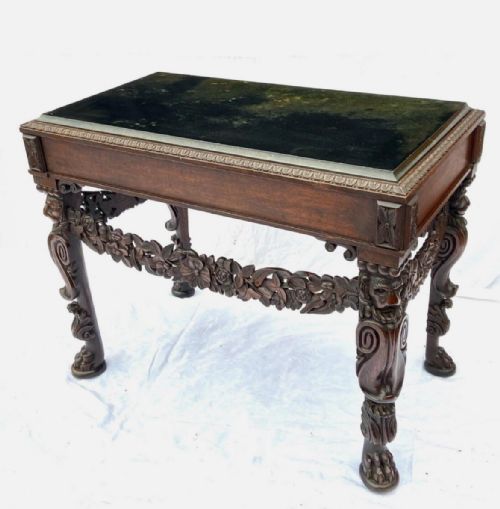
Antique Lion Paw Furniture
Antique lion paw furniture brings sculptural strength and neoclassical theatre into a room through carved supports.
Antique Lion Paw Furniture
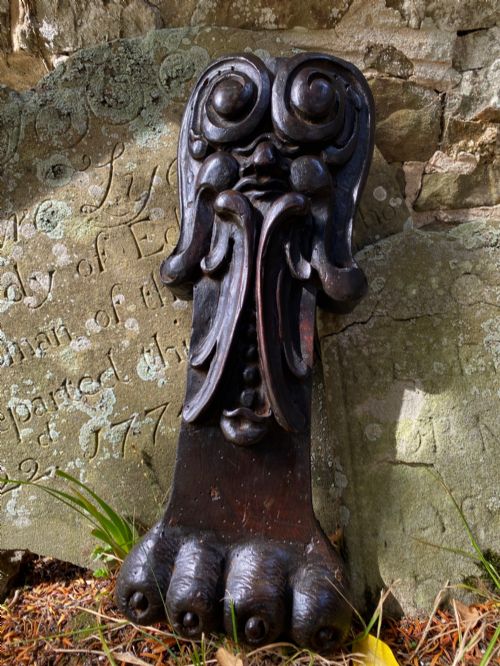
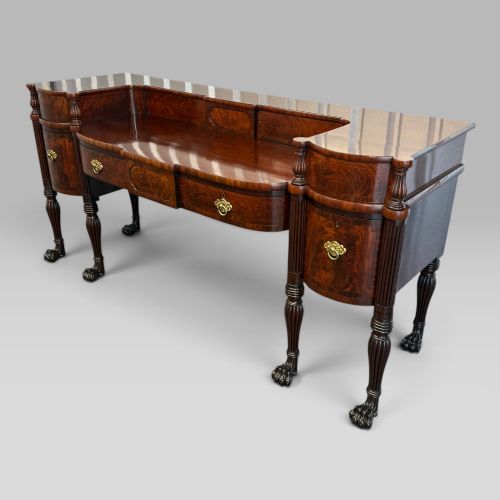
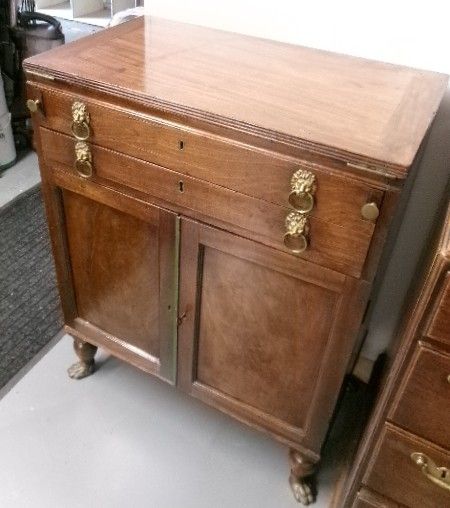
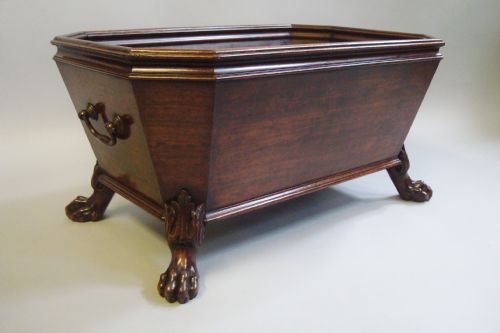
When you search for antique lion paw furniture, you are looking at substantial timber forms anchored by carved or cast feet. These pieces range from grand console tables and sideboards to cellarettes and writing desks.
You are most likely to meet mahogany and padouk pieces from the Regency and Victorian periods on this page. These works frequently integrate brass mounts or elaborate console supports.
Makers drew on Georgian, Italian Baroque Revival, and Anglo-Indian design traditions to create these heavy, architectural furnishings. They serve as striking focal points in dining rooms, libraries, and hallways.
How they were made
Workshops built these pieces primarily using dense timbers such as mahogany, padouk, oak, and flame mahogany, often selecting figured veneers for visual depth. Carvers shaped the timber directly for paw feet or utilised cast brass attachments.
Giltwood consoles paired carved wooden frames with heavy marble slabs like breccia. Upholstered items combined walnut frames with damask textiles, while specialised joinery secured heavy sarcophagus cellarettes and miniature cabinets.
Antique Lion Paw Furniture Retail Price Guide 2026
Typical asking prices for lion paw furniture among the pieces listed under this phrase on Sellingantiques today, from the lower quarter to the upper quarter. They describe what is for sale here now, not the wider market.
Listings feature woods including mahogany, padouk, and oak, alongside brass, marble, and giltwood across the eighteenth, nineteenth, and Victorian periods.
What varies in quality
Quality rests on the depth and definition of the carving in the timber or the crispness of the cast brass feet. Superior examples display precise anatomical detailing on the paws and harmonious proportions across the entire frame.
The selection of timber grain, particularly in flame mahogany and padouk surfaces, separates standard utility pieces from high-status commissions. Original marble tops and intact structural integrity further elevate the standing of a piece.
Mack Williams and Gibton
The Antique Lion Paw Furniture Glossary
- Cellarette
- A lockable container used for chilling and storing wine bottles near the dining table. These vessels often take sarcophagus or chest forms supported by paw feet.
- Console table
- A wall-mounted or freestanding table designed to sit flat against a vertical surface, frequently topped with marble. They often feature elaborate carved supports.
- Padouk
- A heavy, durable exotic hardwood with a deep reddish-brown tone, favoured in Anglo-Indian cabinet making. It holds fine detail well under the carver's chisel.
- Giltwood
- Timber coated with a thin layer of gold leaf over a prepared gesso ground. This finish catches the light on decorative console tables.
- Breccia marble
- A multicoloured stone composed of angular fragments embedded in a fine-grained matrix. It provides a heavy, decorative surface for Italian and revival console tables.
Antique Lion Paw Furniture: Frequently Asked Questions
Where should I place a console table?
Console tables anchor narrow spaces such as hallways or sit beneath large mirrors in reception rooms. Their flat backs allow them to hug the wall securely.
Because many examples feature decorative marble tops or carved paw supports, they work best where they remain visible rather than crowded by other furniture.
How do I care for mahogany surfaces?
Dust timber surfaces regularly with a soft, dry cloth to prevent grit accumulation. Avoid modern silicone polishes, which build up over time and dull the grain.
Keep wooden furniture away from direct sunlight and heat sources to prevent the timber from drying out or splitting.
What is a sarcophagus cellarette?
A sarcophagus cellarette is a heavily proportioned container modeled after ancient stone coffins, designed to hold wine bottles. Interiors often included lead linings for ice.
These pieces sat beneath sideboards or beside dining tables, elevated on substantial feet to protect the floor from dampness.
How do I distinguish Regency from Victorian pieces?
Regency items typically draw on strict neoclassical lines, restraint, and dark figured mahogany or padouk. Cast brass paw feet and classical mounts appear frequently.
Victorian pieces often embrace heavier proportions and exuberant revival styles, such as Italian Baroque or elaborate upholstery suites with carved wooden frames.