

Antique Linen Press Wardrobe
An antique linen press wardrobe provides deep multi-level storage combining traditional sliding trays and full-length hanging space within architectural cabinetwork.
Antique Linen Press Wardrobe
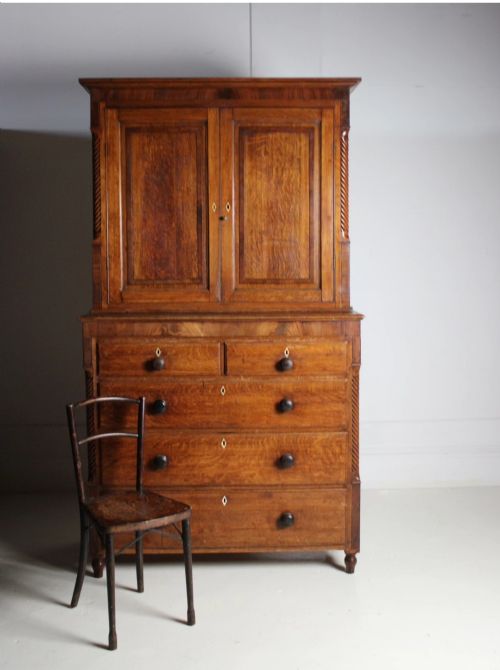
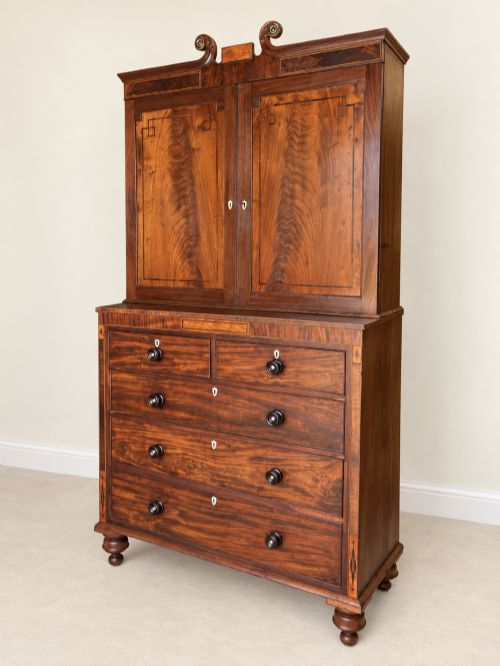
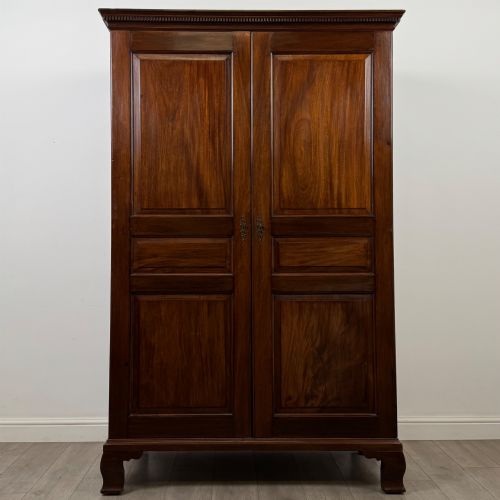
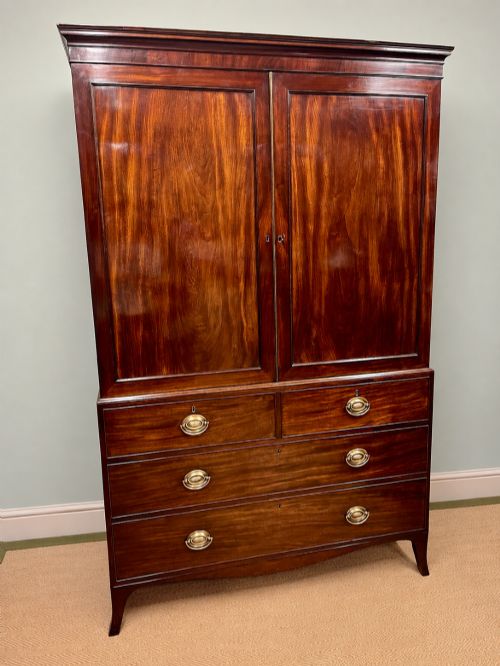
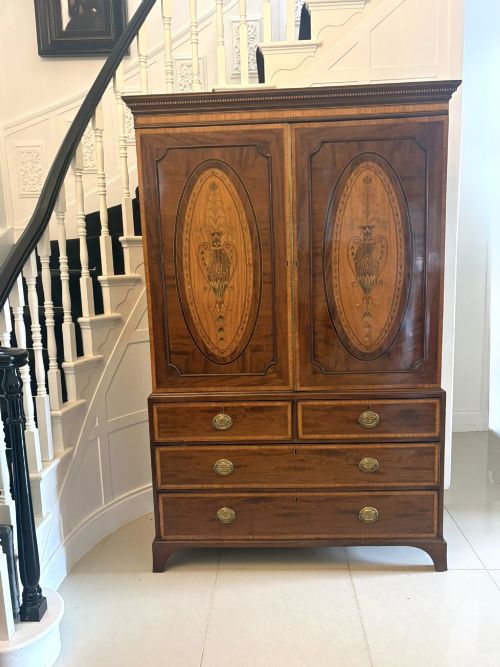
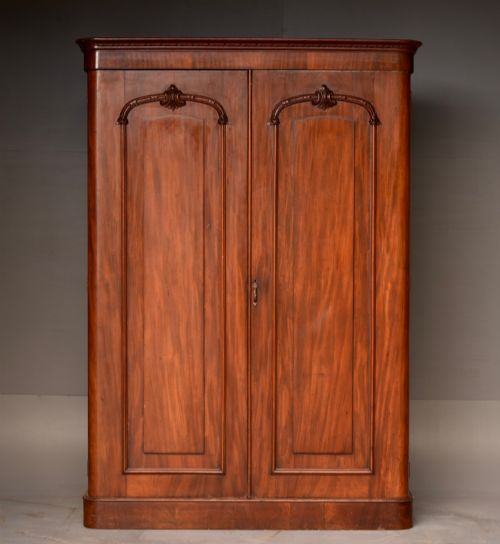
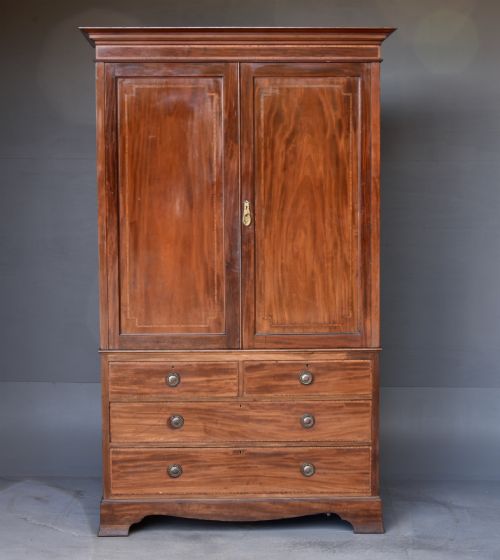
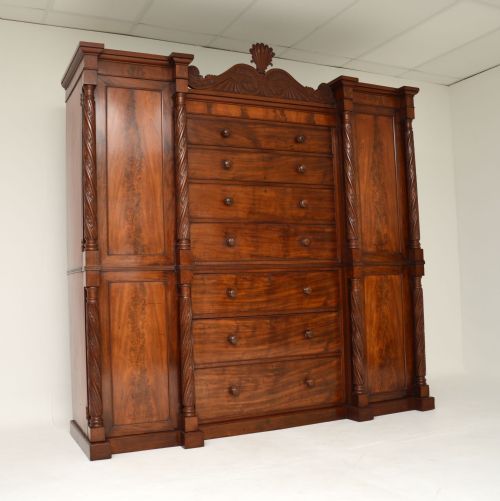
When searching for an antique linen press wardrobe, a buyer encounters large case pieces originally designed to store folded household textiles alongside garments. The versions met most frequently on this page span the Georgian, Regency, and Victorian eras, combining upper cupboard doors enclosing sliding shelves with lower chest drawers.
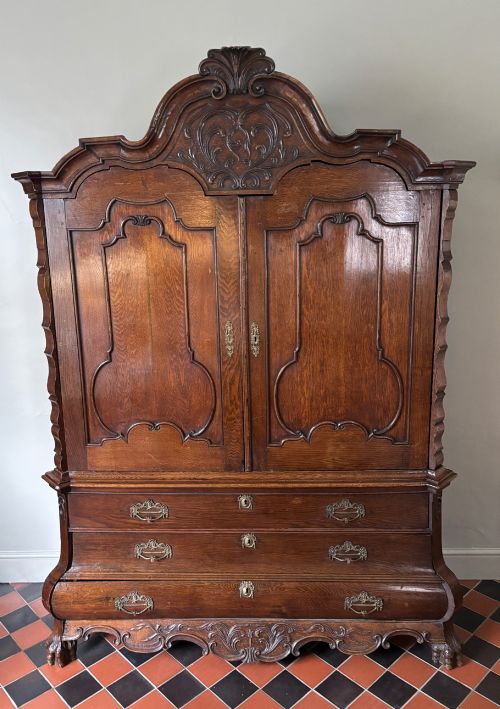
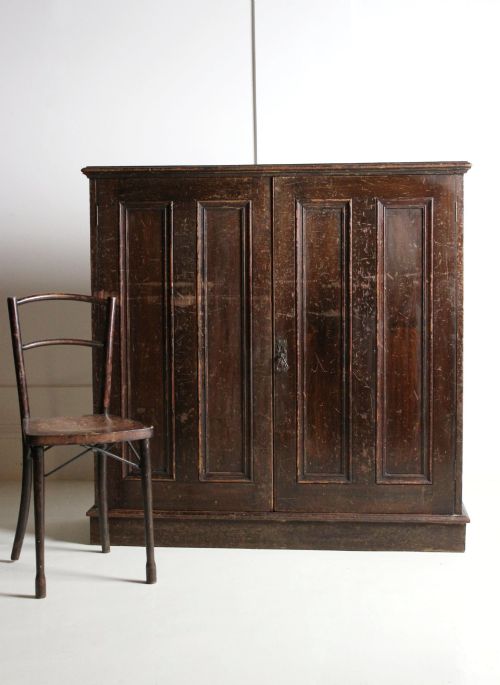
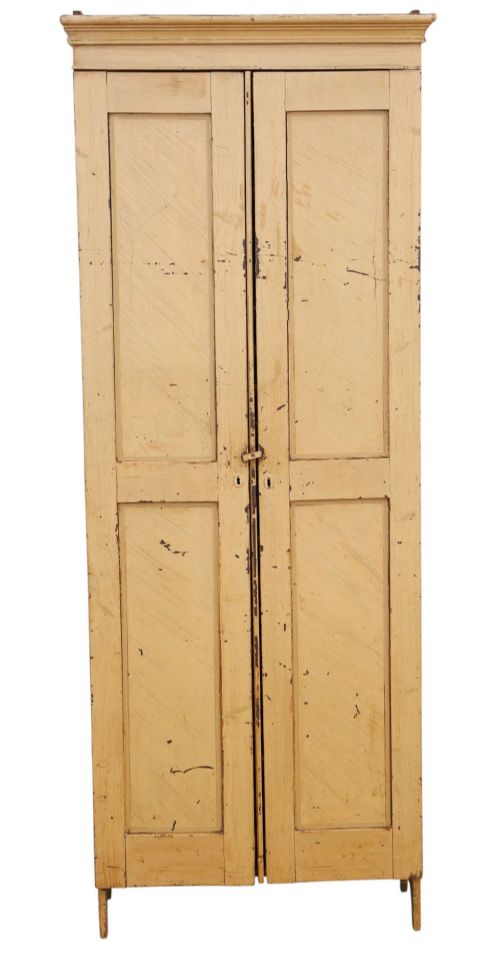
Beyond standard British mahogany and oak examples, the selection includes French painted armoires, Dutch walnut marquetry cabinets, and pine housekeepers cupboards. These pieces bridge the gap between traditional linen presses and modern wardrobes, often housing internal configurations modified for contemporary clothes hangers.
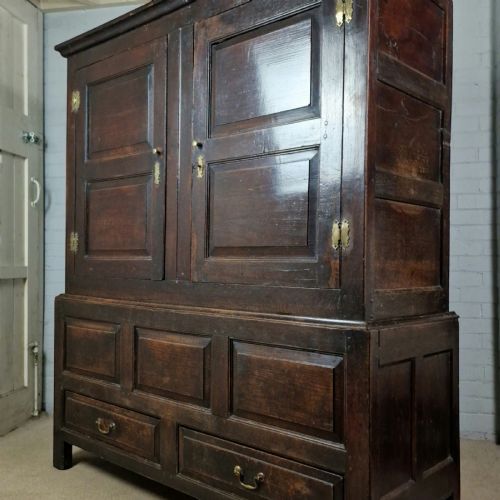
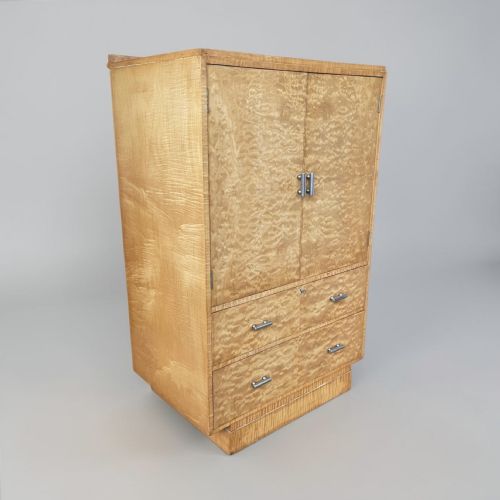
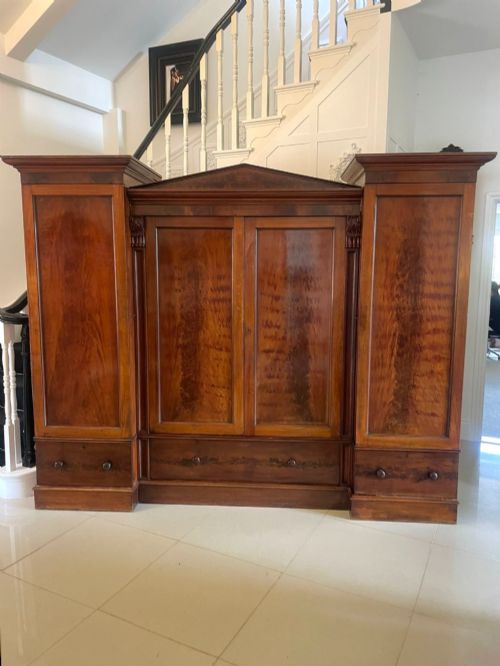
Regional variations appear across the inventory, ranging from vernacular ash and deal farmhouse cupboards to formal Edwardian compactums in burr walnut. Buyers also encounter modular designs that dismantle into sections for transport, reflecting the practical requirements of large historic residences.
Evaluating the Pieces
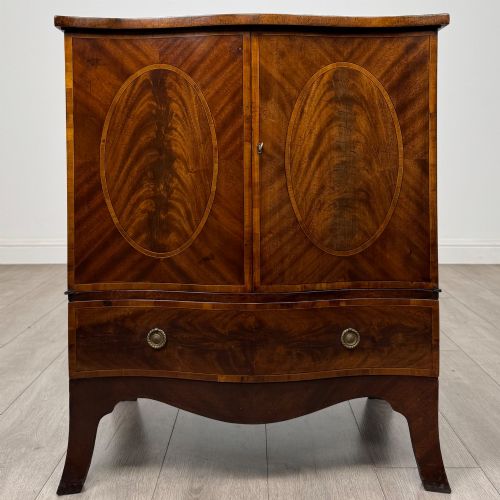
The highest tier of these cabinets displays exceptional timber selection, such as tightly figured flame mahogany or symmetrical burr walnut, matched across primary doors and drawer fronts. Lesser examples utilise plain or heavily stained secondary timbers with minimal grain continuity.
Construction refinement separates superior pieces from standard workshop output. Premium cabinets feature precise joinery, original brass hardware, internal satinwood or mahogany trays, and harmonious proportions between the upper press section and the lower drawer chest.
Originality of surface finish and component parts heavily influences the standing of a piece. Alterations such as the removal of internal linen slides to insert modern hanging rails modify the original utility of the interior.
Several historic linen presses retain the faint, lingering scent of decades spent guarding fine lavender bags and folded table damask.
maples & co·Edwards and Roberts
The Antique Linen Press Wardrobe Glossary
- Linen Press
- A tall case piece comprising an upper section with enclosed sliding shelves for textiles and a lower chest of drawers for garments. Many examples were later converted for modern clothing storage.
- Compactum
- A large multi-compartment wardrobe combining hanging spaces, drawers, and linen shelves within a single integrated cabinet. These often date from the Victorian and Edwardian periods.
- Tallboy
- A tall chest of drawers stacked upon a base chest, or a high wardrobe configuration designed to maximise vertical storage in rooms with limited floor space. Georgian and Edwardian makers produced numerous variations.
- Marquetry
- The art of applying decorative veneer pieces of various woods to a structural panel to create floral or geometric patterns. Dutch and English cabinetmakers utilised this technique on elite cabinetry.
- Scumble
- A translucent decorative paint layer applied over a base coat to imitate the grain pattern of more expensive timbers like oak. It appears frequently on nineteenth-century vernacular pine cupboards.
Antique Linen Press Wardrobe: Frequently Asked Questions
What is a linen press wardrobe?
A linen press wardrobe is a tall timber storage cabinet featuring an upper section enclosed by doors with internal sliding trays, placed above a base of practical chest drawers.
Historically, these cabinets stored household textiles flat to prevent creases, while lower drawers held various garments and personal items.
How do I use one today?
These large cabinets function effectively as bedroom wardrobes, hallway storage, or linen cupboards. Many pieces retain internal sliding trays that suit folded clothing, knitwear, and accessories.
Buyers requiring full-length hanging space sometimes utilise examples where internal trays have been removed or adapted for modern clothes rails.
How do I tell periods apart?
Georgian and Regency pieces typically feature solid mahogany, flame veneers, and bracket feet with understated classical proportions. Victorian and Edwardian examples often showcase heavier burr walnut, extensive carved details, and massive multi-door configurations.
Construction methods also aid dating, as hand-cut dovetails and pegged joinery indicate earlier eighteenth and nineteenth-century craftsmanship.
Do these cabinets dismantle for delivery?
Many large antique wardrobes and press cupboards were constructed to dismantle into modular sections, including cornices, base drawers, and side panels. This modular build enabled historic transport up staircases and through narrow historic doorways.
Listings specify whether a particular piece dismantles into manageable components for modern delivery.