


Antique Lindenwood Carving
An antique lindenwood carving brings the intense naturalism of the Black Forest and Swiss traditions directly into your room.
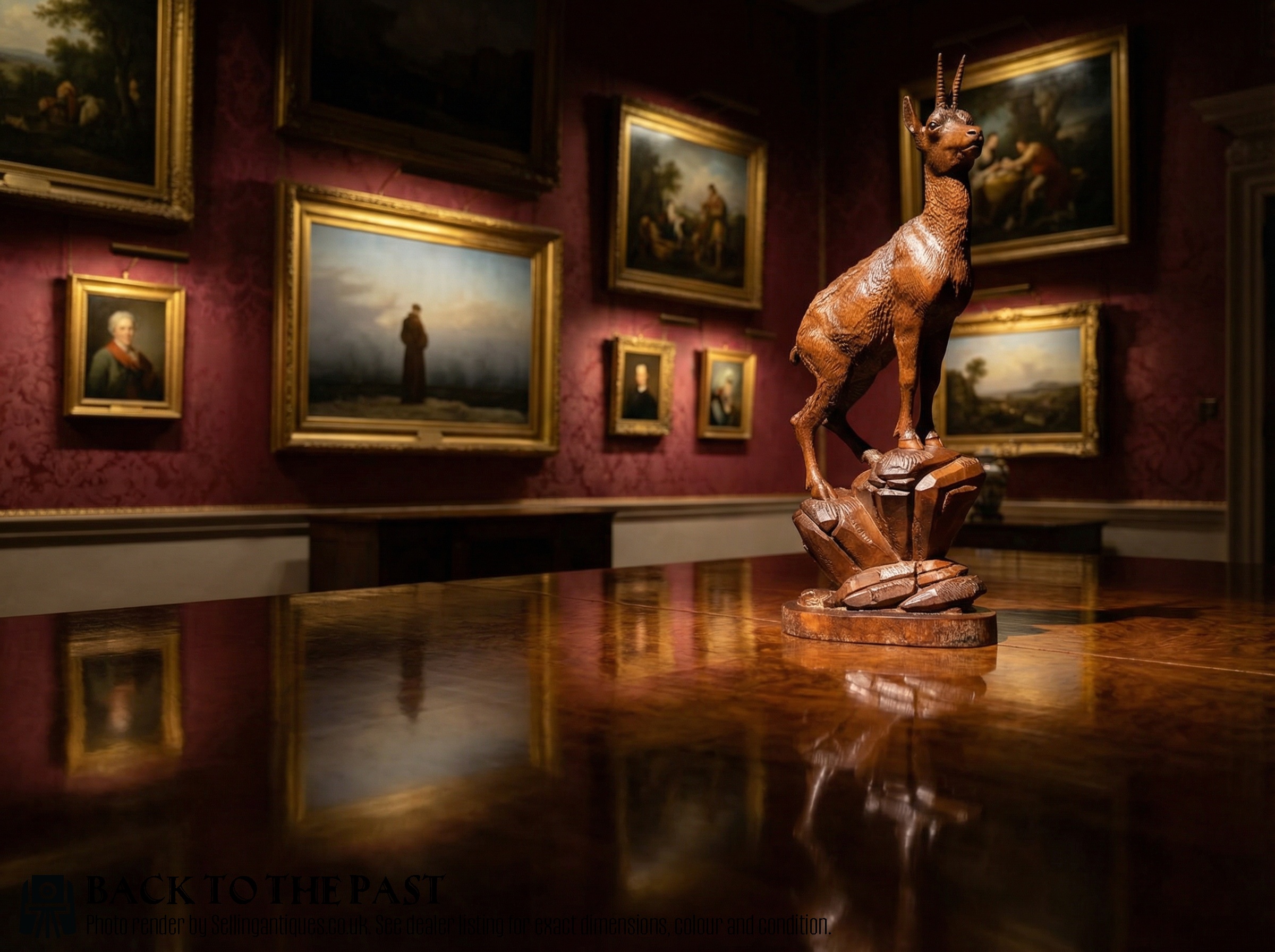
Antique Lindenwood Carving
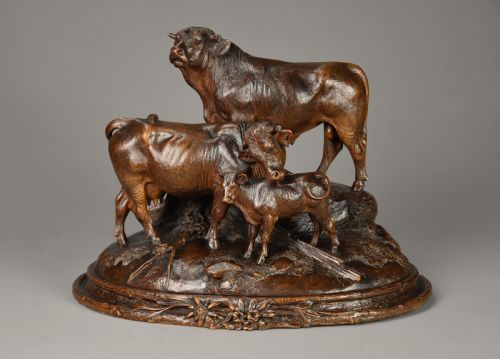
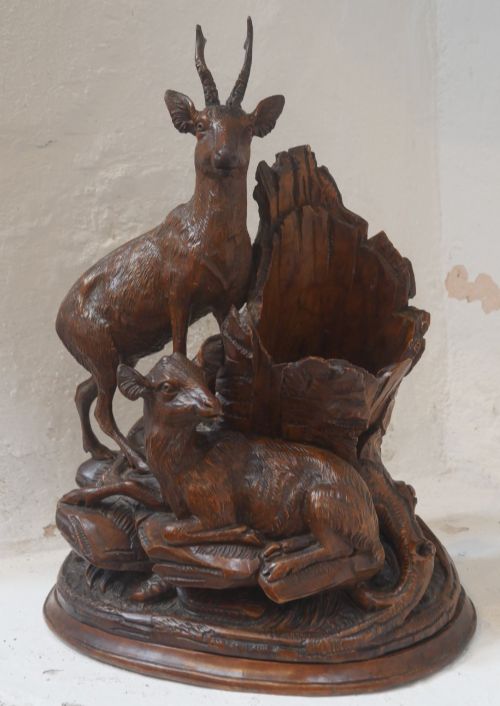
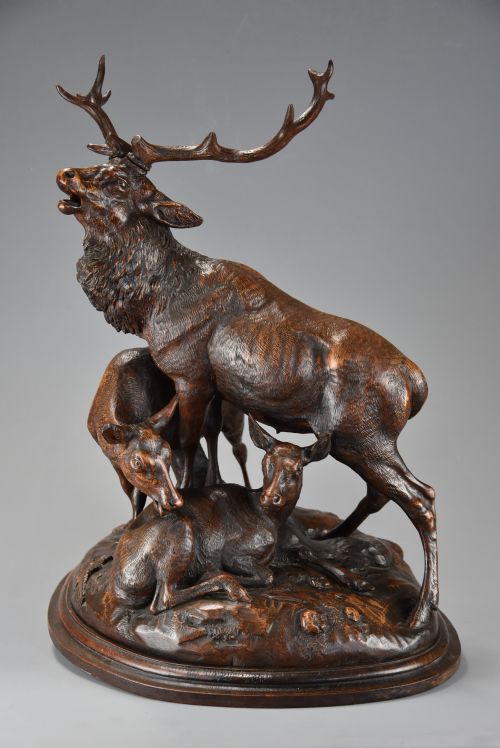
When you search for antique lindenwood carving, you encounter sculptural works spanning the nineteenth and early twentieth centuries. The pieces on this page are predominantly Black Forest and Swiss decorative objects, ranging from domestic animals to architectural furniture.
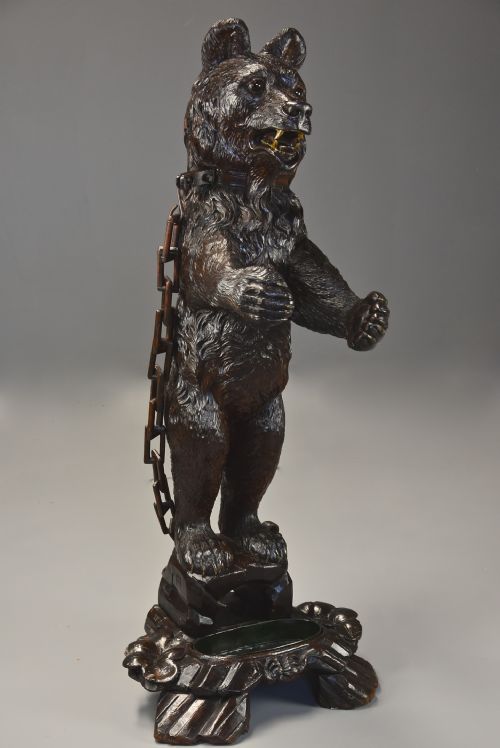
You are most likely to meet bears rendered in various poses, alongside deer, cattle, dogs, and alpine figures. These objects encompass functional pieces like hall stands, umbrella holders, barometers, and inkwells, as well as standalone sculptures.
The aesthetic is deeply rooted in woodland and alpine motifs, executed with a distinct regional character. Dating spans from seventeenth-century Baroque figures to nineteen-twenties modernist-adjacent designs, though the nineteenth century provides the vast majority of examples.
Materials and construction
The primary material is lindenwood, selected for its fine grain and suitability for intricate detail without splitting. Carvers utilised chisels and gouges to shape the timber, frequently combining the soft wood with brass, glass, and metal mounts.
Pieces often incorporate structural elements of walnut or general timber alongside the lindenwood carving. Surfaces are typically finished with wax or polish to highlight the natural tone of the wood.
Listings feature periods from the seventeenth century through the nineteen-twenties, with the nineteenth century dominating the inventory of lindenwood carvings.
Evaluating the craftsmanship
Quality separates through the naturalism of the musculature and the depth of the undercut fur. Master carvers captured tension and anatomy with precision, whereas lesser examples remain stiff and generalized.
Scale and ambition also dictate the tier of a piece, moving from small novelty inkwells to exhibition-quality hall stands. The integration of functional elements into the organic wooden forms determines whether a piece succeeds as both furniture and sculpture.
J Huggler·Bergen And Co·Hans Muller
The Antique Lindenwood Carving Glossary
- Black Forest
- A style of wood carving originating from the Brienz region of Switzerland and the Black Forest in Germany. These works typically depict regional fauna and flora with theatrical realism.
- Inkwell
- A small desk accessory designed to hold liquid ink. Many surviving examples feature carved dogs, bears, or birds forming the lid and base.
- Hall Stand
- A piece of hallway furniture combining hooks for garments, a mirror, and a tray or well for umbrellas. They are frequently rendered as life-sized carved bears holding branches.
- Barometer
- A scientific instrument used for measuring atmospheric pressure. The timber frames surrounding these dials are elaborately carved with leaves, birds, or game.
Antique Lindenwood Carving: Frequently Asked Questions
What is an antique lindenwood carving?
An antique lindenwood carving is a wooden sculpture or decorated object created in European woodland regions during the nineteenth and early twentieth centuries. These works celebrate nature through detailed portrayals of animals and alpine scenery.
Craftsmen utilised the soft properties of lindenwood to achieve high levels of realism in fur, feather, and foliage. They served both decorative purposes and practical household roles.
How were these carvings used originally?
These objects served functional roles in grand Victorian and Edwardian homes as umbrella stands, desk tidies, and clocks. Larger items anchored hallways while smaller pieces sat on desks and sideboards.
Their dual nature allowed households to display fine art that also performed everyday tasks like holding coats or checking barometric pressure.
How do I care for lindenwood carvings?
Maintain these wooden objects by keeping them away from direct sunlight and steady humidity sources. Dust them gently with a soft brush to protect the fine undercuts in the fur and foliage.
Avoid using liquid polishes that can build up within the carved recesses. Occasional application of appropriate wax preserves the historic finish.
How can I tell the period of a carving?
Dating relies on stylistic markers, mechanical fixings, and secondary materials like glass eyes or brass bezels. Nineteenth-century examples often exhibit heavier reliance on deep-relief animalier themes.
Later pieces from the early twentieth century may show simplified forms or influences from changing artistic movements. Documentation or stamps on the wood provide further chronological certainty.