



Antique Lidded Boxes
Antique lidded boxes offer tangible history and practical storage, spanning timber tea caddies, silver vanity jars and sturdy oak deed containers.
Antique Lidded Boxes
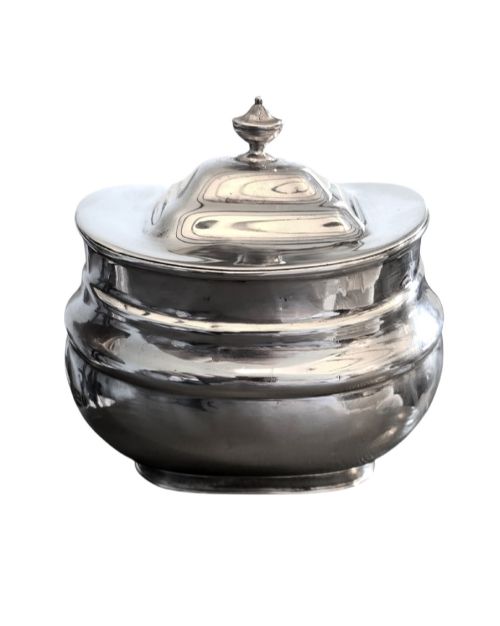
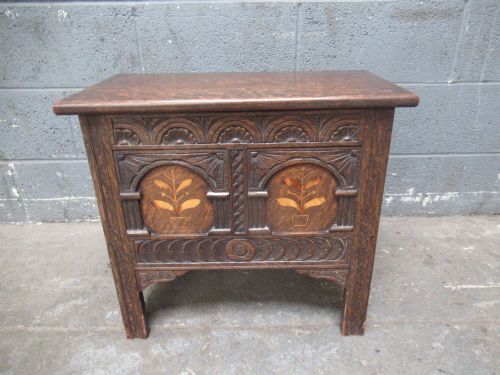
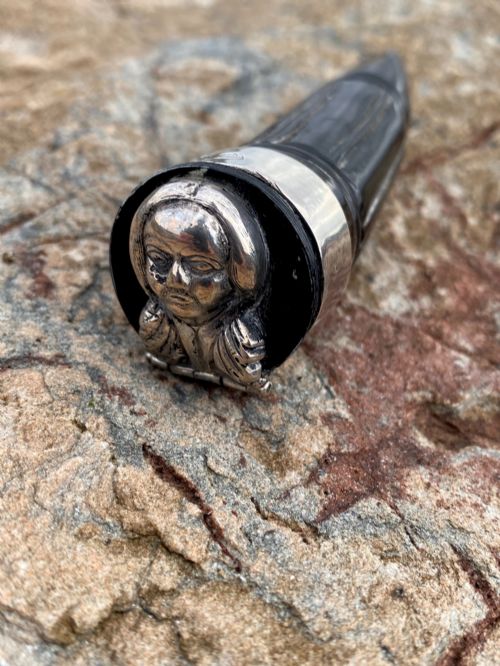
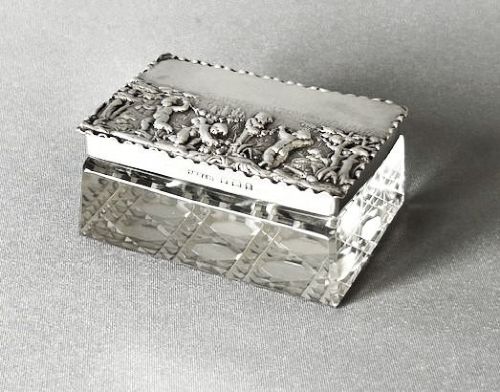
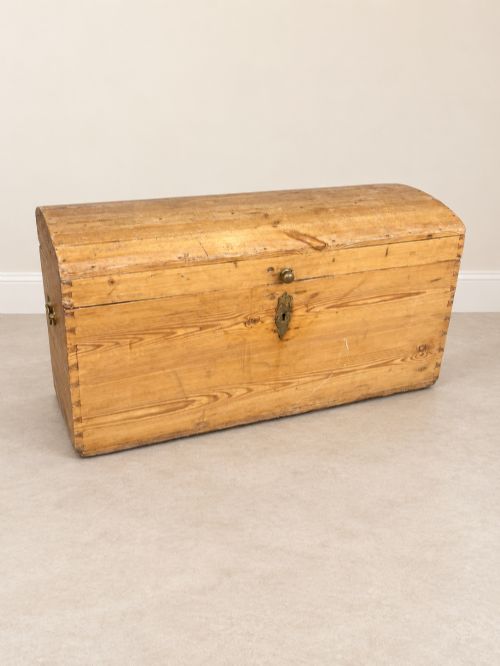
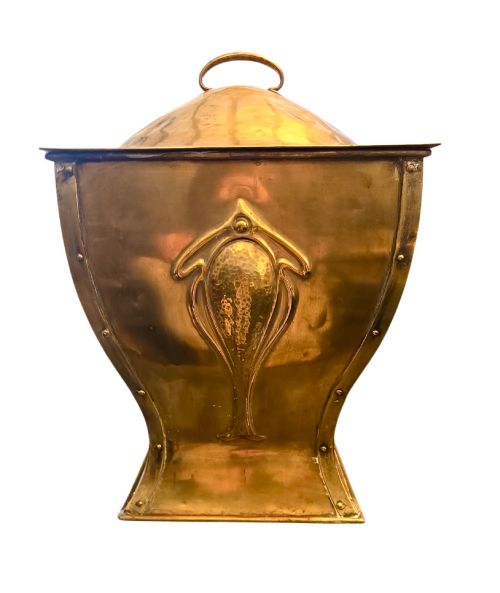
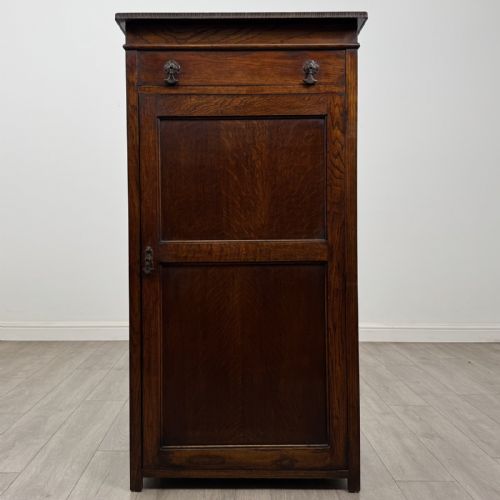
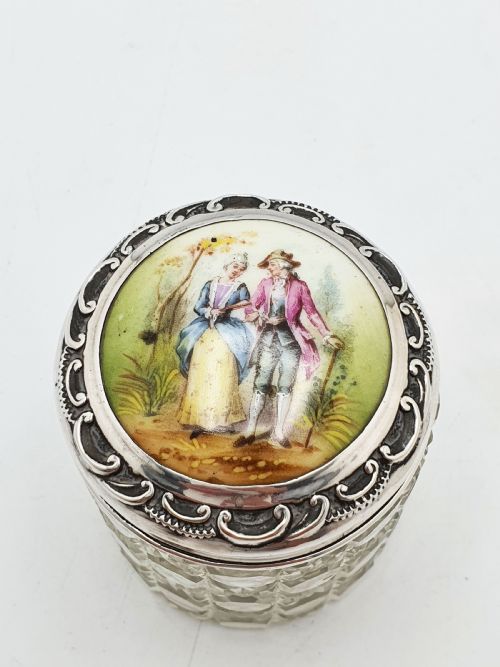
Antique lidded boxes encompass a diverse array of utilitarian and decorative receptacles designed to safeguard valuables, documents, and domestic goods. Pieces range from Georgian mahogany document boxes and oak bible chests to delicate Edwardian silver and cut glass trinket pots.
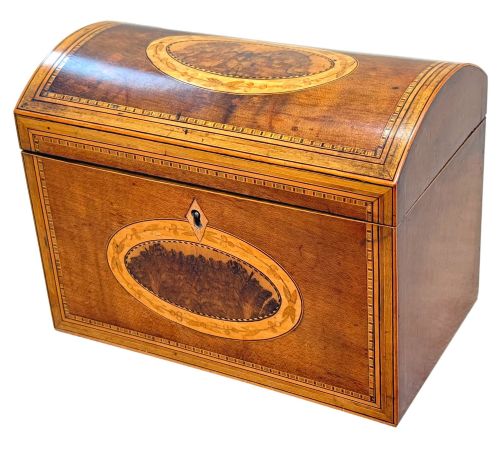
Buyers encountering this selection will find examples originating from the seventeenth century through to the art deco period. Common forms include tea caddies, dressing table jars, spice boxes, and larger coffers with lift-up lids.
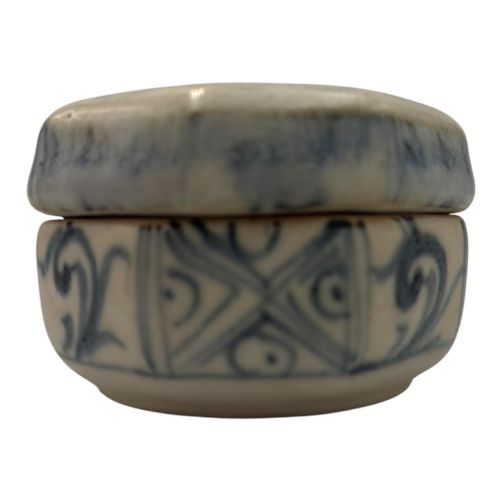
Materials span native hardwoods like oak and walnut alongside brass, sterling silver, enamel, and ceramic. These objects reflect the functional demands of past households, serving specific purposes from candle storage to correspondence organisation.
Materials and Technique
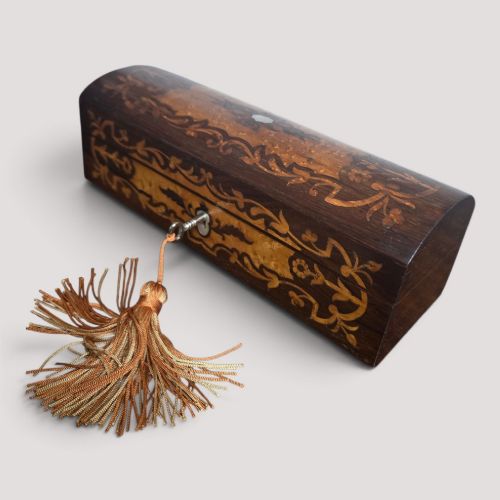
Construction relies heavily on traditional cabinet-making methods utilising timbers such as mahogany, oak, burr walnut, and burr yew. Joinery often incorporates dovetailing on drawers and boxes, whilst surfaces show evidence of hand-carving, inlay, or polished finishes.
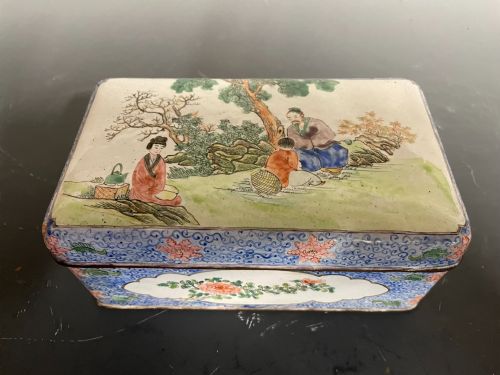
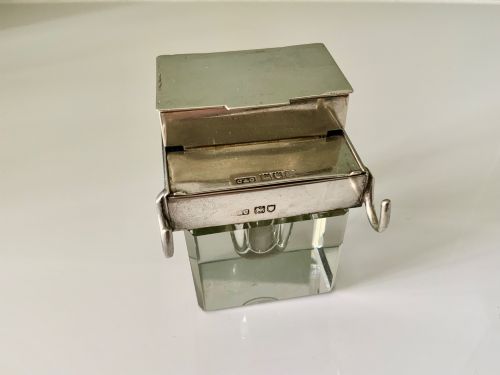
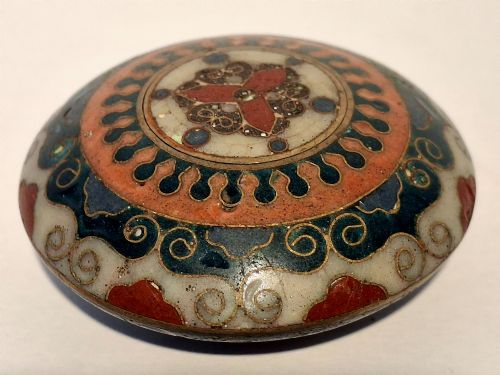
Metalwork and glassware are integrated through sterling silver mounts, gilt bronze, brass hardware, and cut or frosted glass bodies. Enamel work, hand-painted porcelain plaques, and cloisonné add decorative detail to smaller vanity and trinket containers.
Antique Lidded Boxes Retail Price Guide 2026
Typical asking prices for lidded boxes among the pieces listed under this phrase on Sellingantiques today, from the lower quarter to the upper quarter. They describe what is for sale here now, not the wider market.
Listings feature oak, mahogany, and burr walnut across pieces spanning the eighteenth to the twentieth century.
Distinction in Craft
Quality rests upon the precision of the construction and the integrity of the materials. Superior examples display tight joinery, unblemished timber veneers, and crisp execution in metalwork or carved decoration.
The refinement of secondary elements, such as working locks, original hinges, and intact glass liners or internal partitions, elevates a piece. Pieces bearing hallmarks or identifiable maker details provide clearer provenance and stronger material authenticity.
A. J. Pepper & Co·A. Bromet & Co·Mappin & Webb
The Antique Lidded Boxes Glossary
- Tea caddy
- A box designed for storing dry tea leaves, often featuring internal compartments and a secure lid. These receptacles date predominantly from the Georgian and Victorian eras.
- Bijouterie table
- A glass-topped display table with a lift-up or hinged lid intended for showing small decorative items and jewellery. They appear frequently in late nineteenth and early twentieth-century interiors.
- Cloisonne
- An enamelling technique where metal wire is soldered to a metal base to create compartments, which are then filled with paste and fired. This method decorates various Asian and European vessels.
- Trinket box
- A small container utilised for holding rings, pins, or personal ornaments. They are frequently fashioned from sterling silver, glass, or porcelain.
- Coffor
- A heavy box or chest with a lid, traditionally used for safekeeping valuables and documents. Early iterations are constructed from solid oak.
Antique Lidded Boxes: Frequently Asked Questions
What were antique lidded boxes originally used for?
These receptacles served specific domestic functions depending on their form, such as securing legal deeds, storing loose tea, or holding personal correspondence and cosmetics.
Smaller vessels accommodated daily accessories like pins and pills, whilst larger trunks managed household storage needs.
How do I care for wooden lidded boxes?
Maintain timber surfaces by keeping them away from direct sunlight and sudden changes in temperature to prevent veneer splitting or wood movement.
Apply a microcrystalline wax sparingly when the finish appears dry, buffing gently with a soft cloth.
How do I identify the period of a box?
Examine the construction methods, such as dovetail joints, hinge types, and timber choice, which evolved significantly from the seventeenth century through to the art deco era.
Maker marks, hallmarks on silver mounts, and distinct styling cues like art nouveau curves offer further dating evidence.
Can silver and glass vanity jars still be used?
These items remain robust enough for contemporary vanity display and the storage of small daily items.
Handle silver components with appropriate metal cleaning cloths to preserve hallmarks and surface polish without damaging glass bodies.