

Antique Library Stand
An antique library stand provides a sturdy platform for heavy volumes and reading accessories within a traditional study.

Antique Library Stand
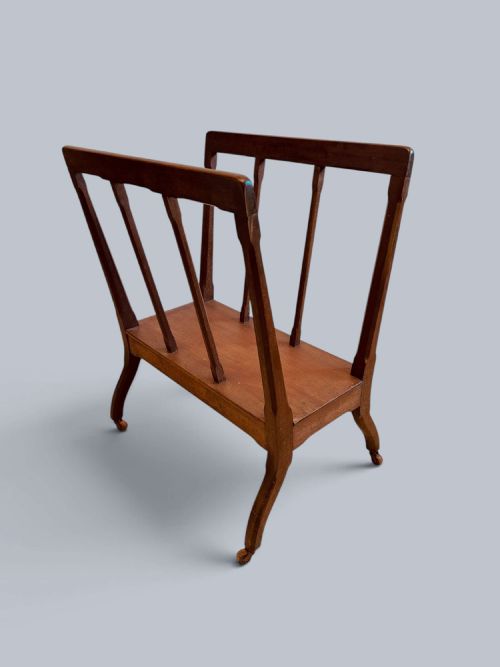
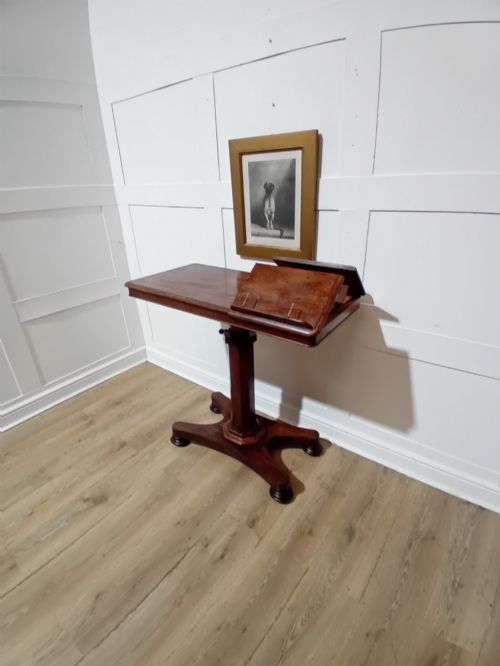
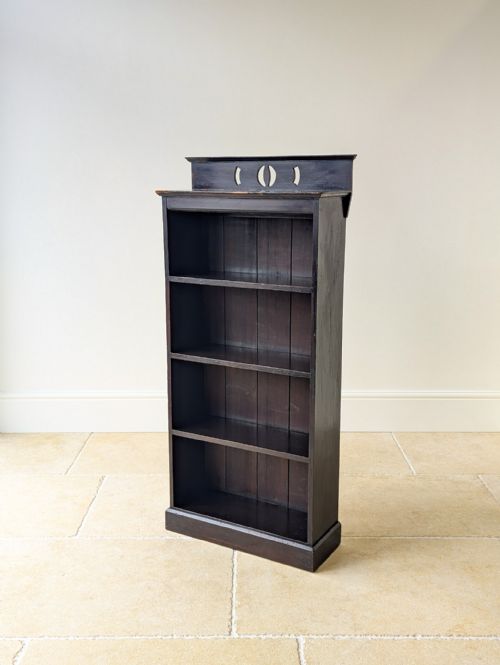
When you search for an antique library stand, you encounter a varied group of utilitarian pieces designed to hold books, maps, and reading materials within reach. These items range from revolving bookcases and reading tables to static step stands and specialised reading stands.
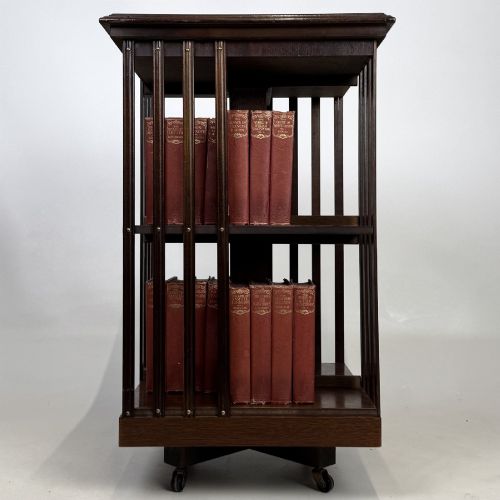
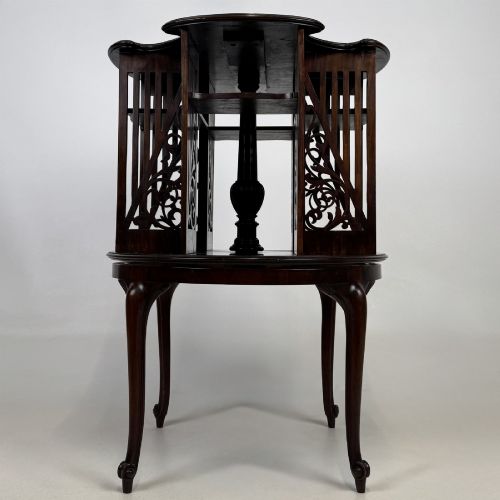
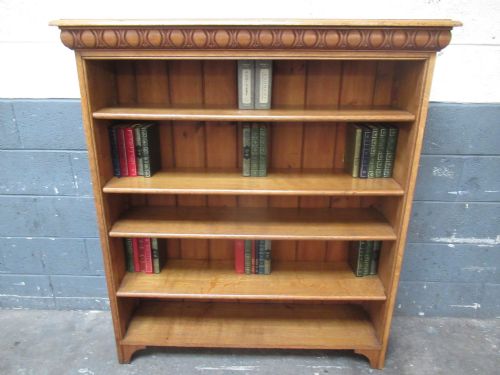
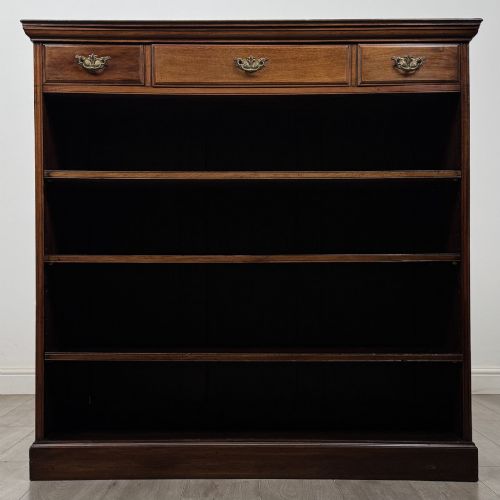
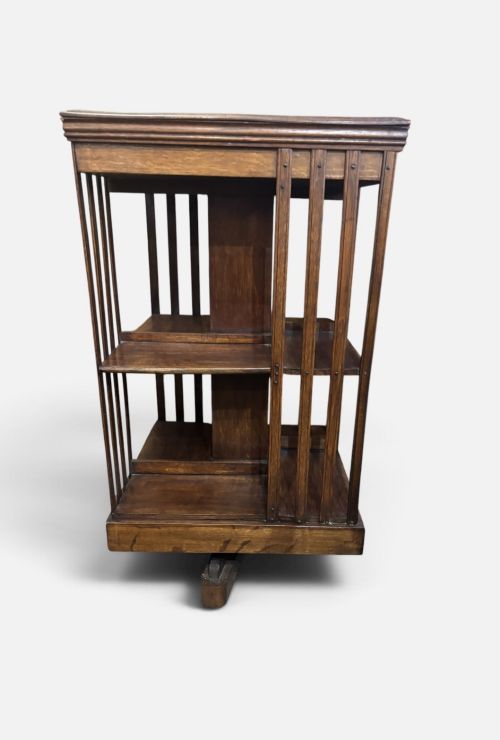
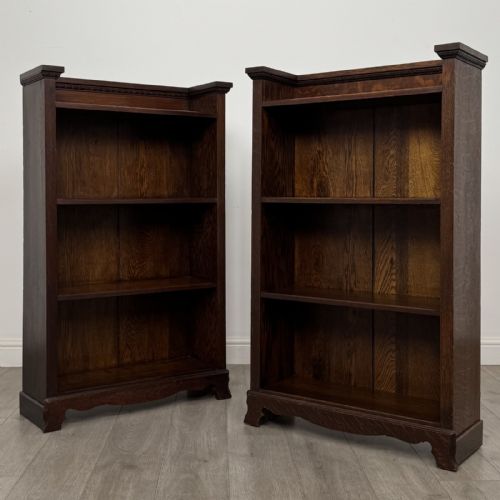
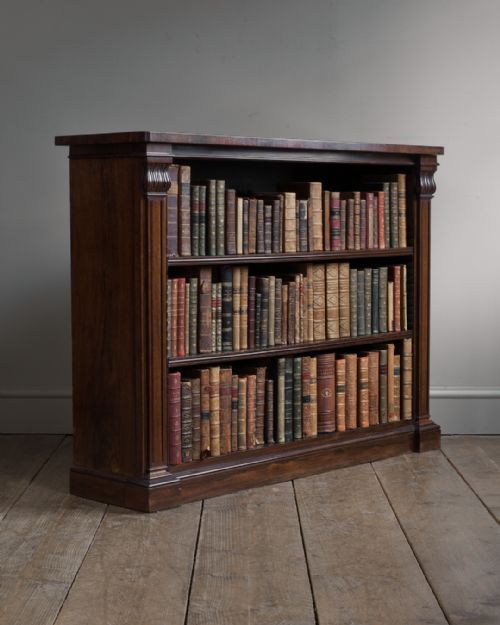
The versions most frequently found on this page date from the Victorian and Edwardian periods, alongside earlier Regency examples. They appear in forms such as revolving oak bookcases, mahogany what-nots, and occasional reading desks.
Many of these objects combine multiple functions, serving simultaneously as display surfaces, shelving units, and reading aids. Their presence reflects the domestic study habits of the nineteenth and early twentieth centuries.
Materials and Construction
Cabinetmakers relied heavily on dense hardwoods such as mahogany and oak to construct these pieces, ensuring they could bear the weight of heavy volumes. Satinwood and rosewood appear in finer examples, often enriched with decorative inlay work.
Functional metal components, including brass fixings and cast iron mechanisms, support the moving parts of revolving bookcases and adjustable reading stands. Leather inserts also feature on writing surfaces and reading desks.
Joinery techniques varied from robust dovetailing on drawer boxes to the intricate slatted framework required for rotating desk units and tiered shelving.
Antique Library Stand Retail Price Guide 2026
Typical asking prices for library stand among the pieces listed under this phrase on Sellingantiques today, from the lower quarter to the upper quarter. They describe what is for sale here now, not the wider market.
Listings feature revolving bookcases spanning the Edwardian period, the Victorian era, and the early twentieth century in both oak and mahogany.
Assessing Quality and Execution
Quality in these pieces is dictated by the selection of timber and the precision of the joinery rather than the complexity of the design. Dense, well-figured mahogany or quarter-sawn oak distinguishes superior examples from plain utility items.
The smoothness of mechanical action separates standard pieces from the best examples, particularly in revolving bookcases and adjustable reading stands. Components should turn or adjust without binding or excessive play in the central spindle.
Carved detailing and secondary timbers reveal the maker's hand; crisp, hand-carved ornamentation and clean interior drawer construction indicate a higher standard of workshop production.
Gillows·Maple And Co
The Antique Library Stand Glossary
- Revolving bookcase
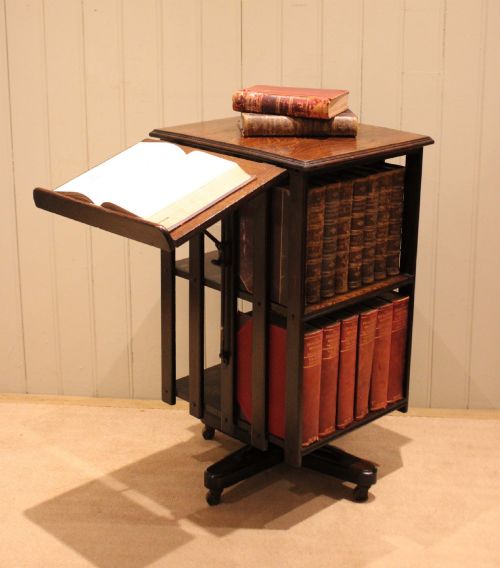
- A freestanding bookcase mounted on a rotating cross-base that allows access to books from all sides. These typically feature four equal sections for storage.
- What-not
- An open set of tiered shelves designed for displaying books or ornaments. They date from the late eighteenth century onward and utilise slender corner posts.
- Reading stand
- An adjustable desk or lectern designed to hold a book at a comfortable viewing angle. They often incorporate folding ledges to keep volumes secure.
- Library steps
- A set of portable stairs used to reach high bookshelves. Period examples often incorporate folding treads or dual-purpose storage functions.
- Quarter-sawn oak
- Timber cut radially from the growth rings to produce a distinctive flecked grain pattern. This method yields more stable boards less prone to warping.
Antique Library Stand: Frequently Asked Questions
How do I spot a revolving bookcase?
A revolving bookcase stands on a cruciform base concealed beneath a rotating platform. This mechanical arrangement lets you access volumes from all four sides while seated.
Most surviving examples date from the Victorian and Edwardian eras, constructed in solid oak or inlaid mahogany.
Were these stands used in private homes?
These pieces served both institutional libraries and private domestic studies. Compact revolving models and reading tables suited smaller Victorian drawing rooms and studies.
Larger tiered stands and library steps fulfilled the storage needs of extensive private collections.
How should I care for a wooden stand?
Keep wooden stands away from direct heat sources and strong sunlight to prevent the timber from splitting or fading. Regular application of a traditional beeswax helps nourish the grain.
Avoid placing damp items directly onto polished mahogany or rosewood surfaces.
How do I date an oak library piece?
Dating relies on examining construction methods, timber choice, and hardware. Earlier Regency and George III pieces exhibit hand-cut dovetails and dense native hardwoods.
Edwardian items often feature machine-sawn components, lighter oak selections, and factory-produced brass mechanisms.