
Edwardian Book Shelf
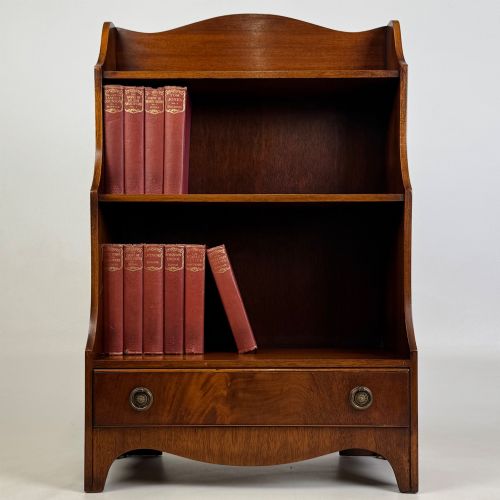
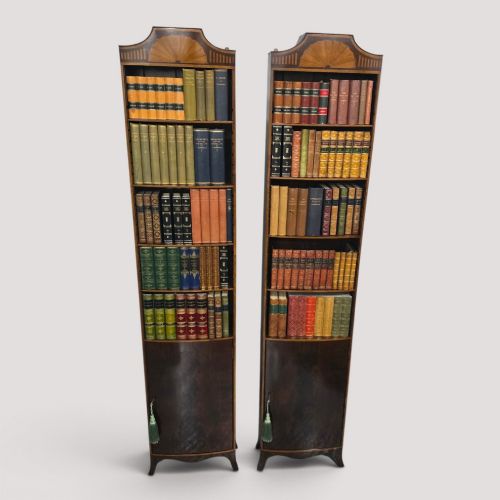
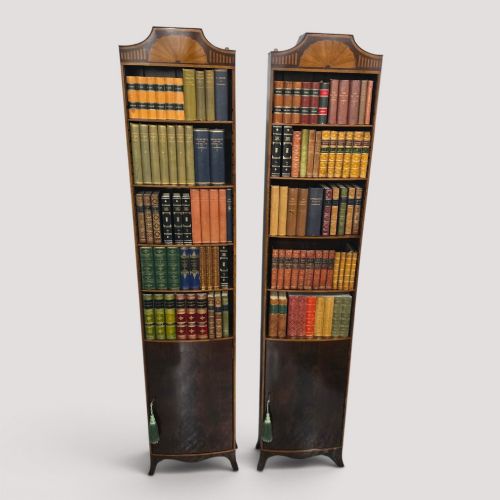
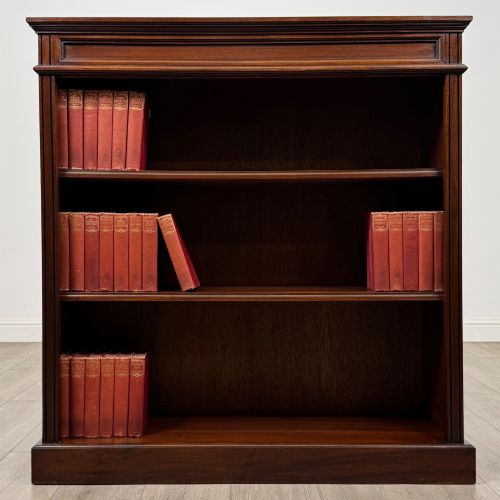
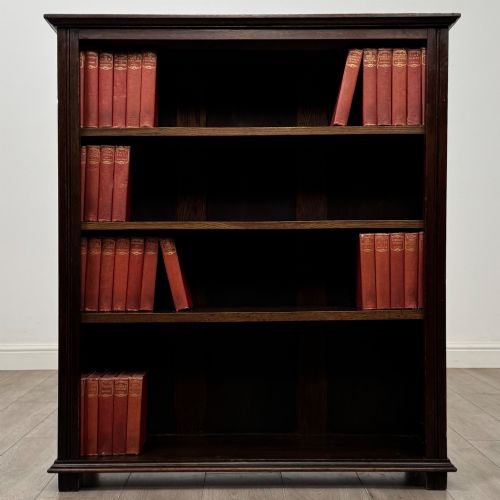
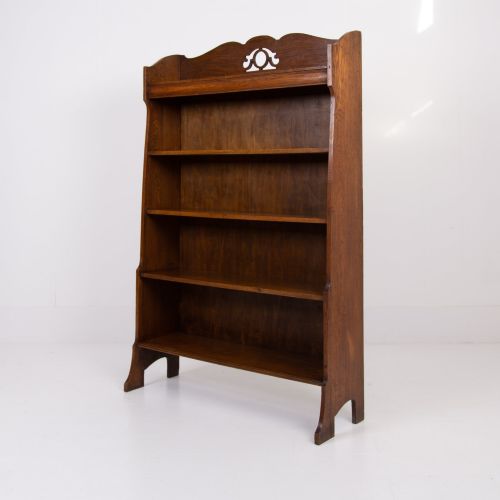
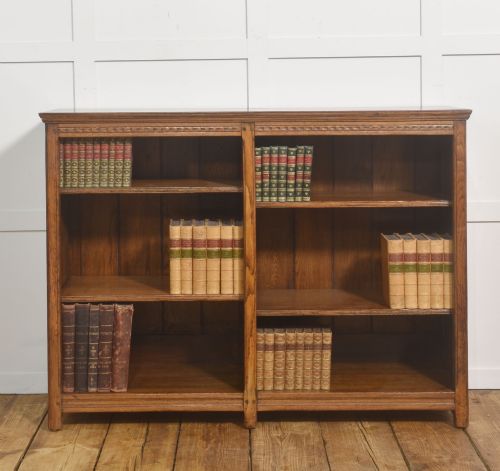
An Edwardian book shelf offers functional charm, providing sturdy open timber storage for everyday volumes.
Edwardian Book Shelf
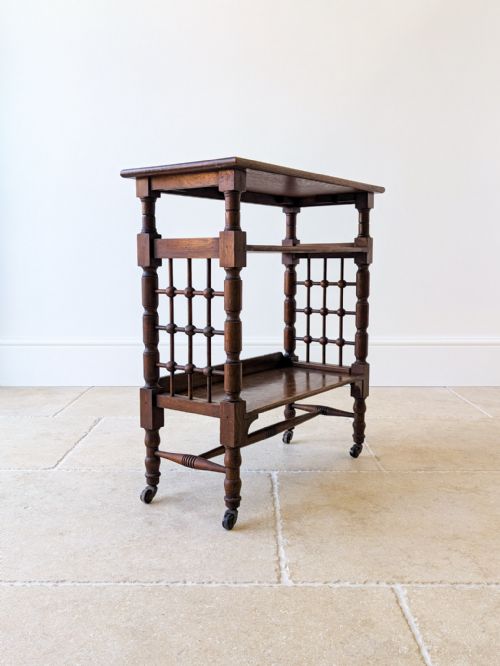
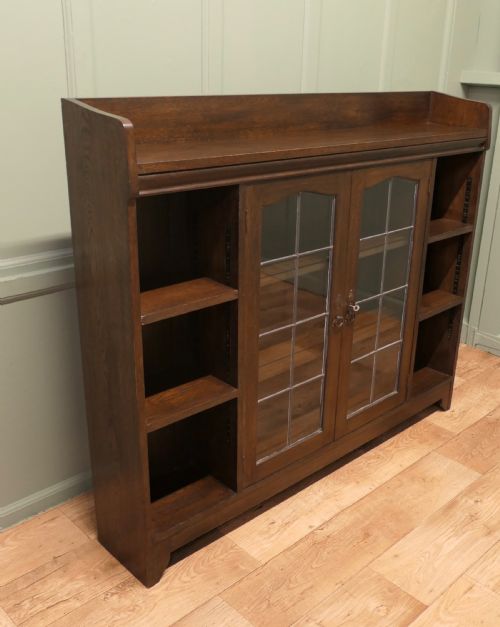
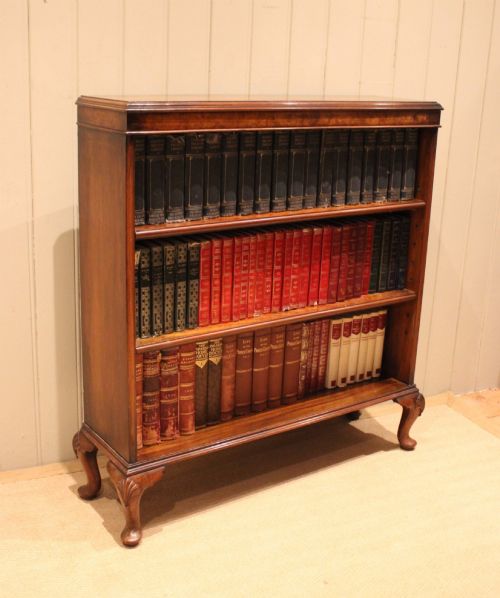
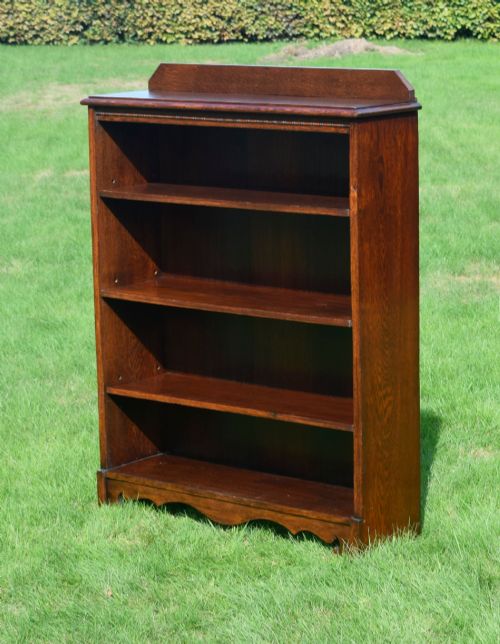
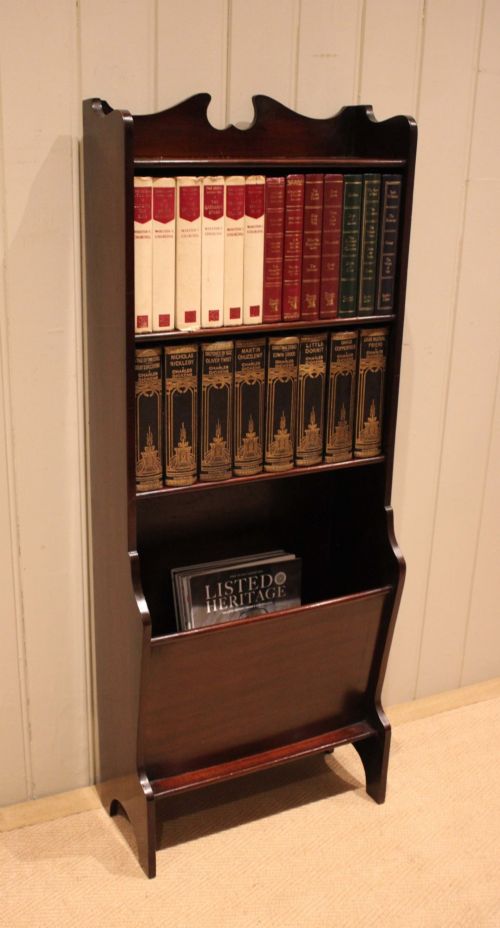
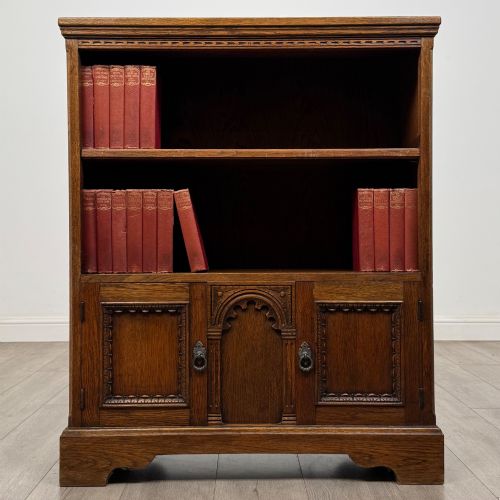
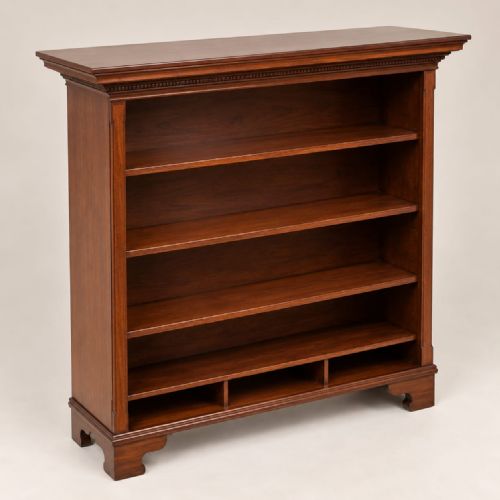
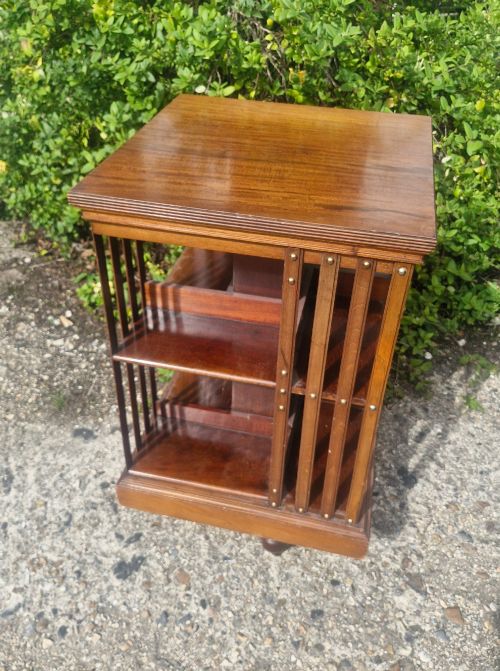
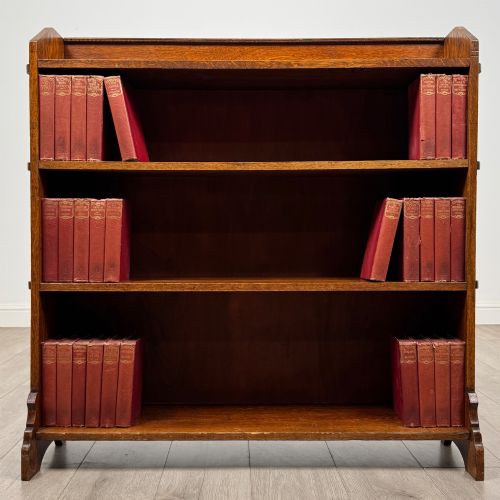
When searching for an edwardian book shelf, buyers encounter practical open shelving units designed for domestic libraries and sitting rooms. The selection includes simple open-fronted timber cabinets alongside revolving desktop or floor-standing models.
The most common pieces on this page are straightforward open bookcases in oak or mahogany, often featuring adjustable shelves to accommodate varying book heights. Alongside these, revolving variations and smaller tabletop stands appear regularly.
Originating predominantly from the early twentieth century, these pieces reflect domestic storage needs of the period. Makers utilised sturdy construction methods to ensure everyday utility while maintaining compact proportions suitable for smaller rooms.
Indicators of Fine Craftsmanship
Quality rests upon the selection of timber and the precision of the joinery rather than elaborate ornamentation. Pieces exhibiting thick solid wood boards, neatly fitted adjustable shelf racks, and stable revolving mechanisms stand apart from simpler iterations.
Attention to detail in the finishing stages, such as smooth drawer action on associated bureau variants or well-executed inlay work, distinguishes workshop output. Original brass hardware and clean timber patination further elevate a piece's standing.
Listings feature oak and mahogany predominantly, alongside walnut, brass, and glass elements across various bookcase forms.
Heals·Waring and Gillows·Globe Wernicke
The Edwardian Book Shelf Glossary
- Open Bookcase
- A freestanding storage unit with shelves and no front doors. This form allows immediate visibility and access to book collections.
- Revolving Bookcase
- A compact shelving unit mounted on a rotating spindle and cross-base. It enables multiple shelves of books to turn smoothly in a confined space.
- Whatnot
- A multi-tiered open piece of furniture used for displaying books or small decorative objects. These structures typically feature slender upright supports.
- Adjustable Shelves
- Shelves that can be moved to different heights using wooden ratchets or metal pins. This system accommodates volumes of varying sizes.
- Barristers Stacking Bookcase
- A glazed sectional bookcase with upward-lifting glass doors. Individual tiers can be stacked together to form a taller cabinet.
Edwardian Book Shelf: Frequently Asked Questions
Where were these bookshelves used?
These pieces found a place in libraries, studies, and sitting rooms to keep frequently read volumes close at hand. Revolving models often stood beside armchairs or desks for easy access to reference books.
Smaller tabletop versions sat on desks or side tables to organise correspondence and smaller volumes. Wall-hanging variants maximised floor space in tighter domestic quarters.
How do I adjust the shelves?
Many examples feature adjustable shelves supported by wooden side ratchets or metal pegs inserted into vertical rows of holes. Simply lift the shelf slightly to disengage it from the supports and reposition it at the desired height.
Care should be taken when moving older timber shelves to avoid binding against the interior walls of the bookcase.
Are revolving bookcases stable?
Yes, standard revolving units utilise a weighted cruciform base and a central ball-bearing spindle designed to support the load of heavy books evenly. This engineering ensures the cabinet remains balanced while spinning.
Uneven loading should be avoided to maintain smooth rotation and prevent tipping.
How do I identify an Edwardian piece?
Edwardian items typically display lighter oak or mahogany timbers, often showing simpler geometric lines influenced by Arts and Crafts ideals. Construction dates around the early twentieth century.
Associated hardware, such as brass shelf racks or simple panelled backs, helps confirm the manufacturing period.