


Freestanding Book Trough
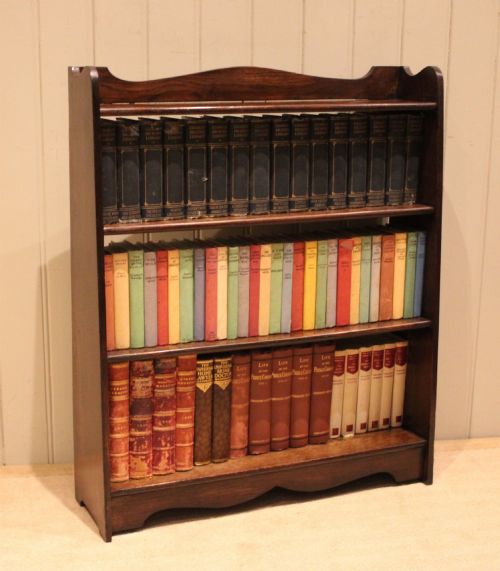
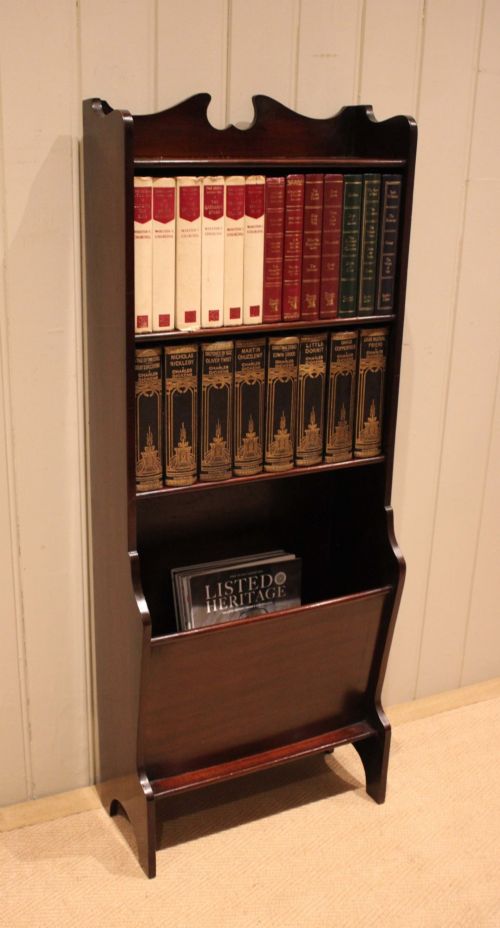
These freestanding book trough pieces are practical library furnishings designed to hold volumes close to hand.
Freestanding Book Trough
A freestanding book trough provides open storage for volumes within easy reach of a desk or armchair. These items appear in various forms, including two-tier library pieces, magazine racks, and sectioned lawyers' stands. The selection here spans the Victorian, Edwardian, and Arts and Crafts periods, offering compact solutions for domestic book storage.
Most examples you encounter on this page date from the late nineteenth century through to the nineteen-twenties. The forms range from simple oak open angled bookcases to large flame mahogany sectioned stands and inlaid mahogany bookstands. Origin details sometimes point to specific workshops, such as Irish pieces from around nineteen hundred.
How they were made
Cabinetmakers utilised robust timbers such as oak and mahogany to construct these sturdy book holders. Flame mahogany and satinwood veneers frequently appear on finer examples to provide visual warmth and grain pattern. Brass fittings are also integrated into certain stands to secure or accent the wooden structure.
Decoration on these items relies upon the character of the wood and traditional joinery rather than heavy ornamentation. Carved details occasionally appear on Arts and Crafts pieces, whilst Edwardian versions sometimes incorporate inlaid lines. The construction focuses on durability to support the weight of heavy volumes in daily use.
The listings span from eighteen-eighty to nineteen-twenty, featuring oak, mahogany, flame mahogany, satinwood, and brass.
What varies in quality
The selection of timber dictates much of the initial visual appeal of a book trough. Finely figured flame mahogany or carefully chosen golden oak sits at the upper end of the scale, showing rich grain and colour. Plain utility pieces utilise simpler boards without the decorative movement found in better workshop output.
Design complexity and joinery execution separate standard utility items from distinguished library furniture. Pieces bearing maker attribution or refined stylistic details like inlay and carving demonstrate superior craftsmanship. The balance between practical capacity and proportion also defines the more successful examples.
Waring and Gillows
The Freestanding Book Trough Glossary
- Book trough
- An open-topped receptacle designed to hold books in a vertical or slanted position for easy selection. They sit directly on the floor or a tabletop.
- Flame mahogany
- Timber cut from the fork of the mahogany tree to produce a distinctive flickering flame pattern. This decorative veneer appears on higher-grade furniture.
- Arts and Crafts
- A design movement valuing traditional craftsmanship and simple forms over mass production. Pieces from this style often feature exposed construction and solid oak.
- Edwardian
- Pertaining to the reign of King Edward VII, spanning the early twentieth century. Furniture from this era often lighter in proportion than Victorian output.
Freestanding Book Trough: Frequently Asked Questions
What is a freestanding book trough?
A freestanding book trough is an open wooden holder designed to keep volumes accessible on the floor next to a chair or desk. These pieces organise reading material without concealing titles behind cabinet doors.
Most versions feature angled sides or divided sections to separate books and magazines. They range from compact desktop stands to larger two-tier library pieces.
How were these book stands used?
These stands served as portable or stationary storage for current reading material in studies, libraries, and sitting rooms. Readers placed daily reference books or periodicals within arm's reach.
Unlike tall bookcases, troughs invited casual browsing. They kept volumes upright and tidy in domestic spaces without taking up extensive floor area.
How do I date a wooden book trough?
Dating relies upon timber choice, decorative style, and construction methods visible in the piece. Victorian examples tend to be heavy and dark, whilst Edwardian versions often employ lighter mahogany with inlaid details.
Arts and Crafts pieces show honest construction in solid oak, typically dating from the late nineteenth or early twentieth century. Comparing the hardware and finish helps narrow the period.
Where should I place a book trough at home?
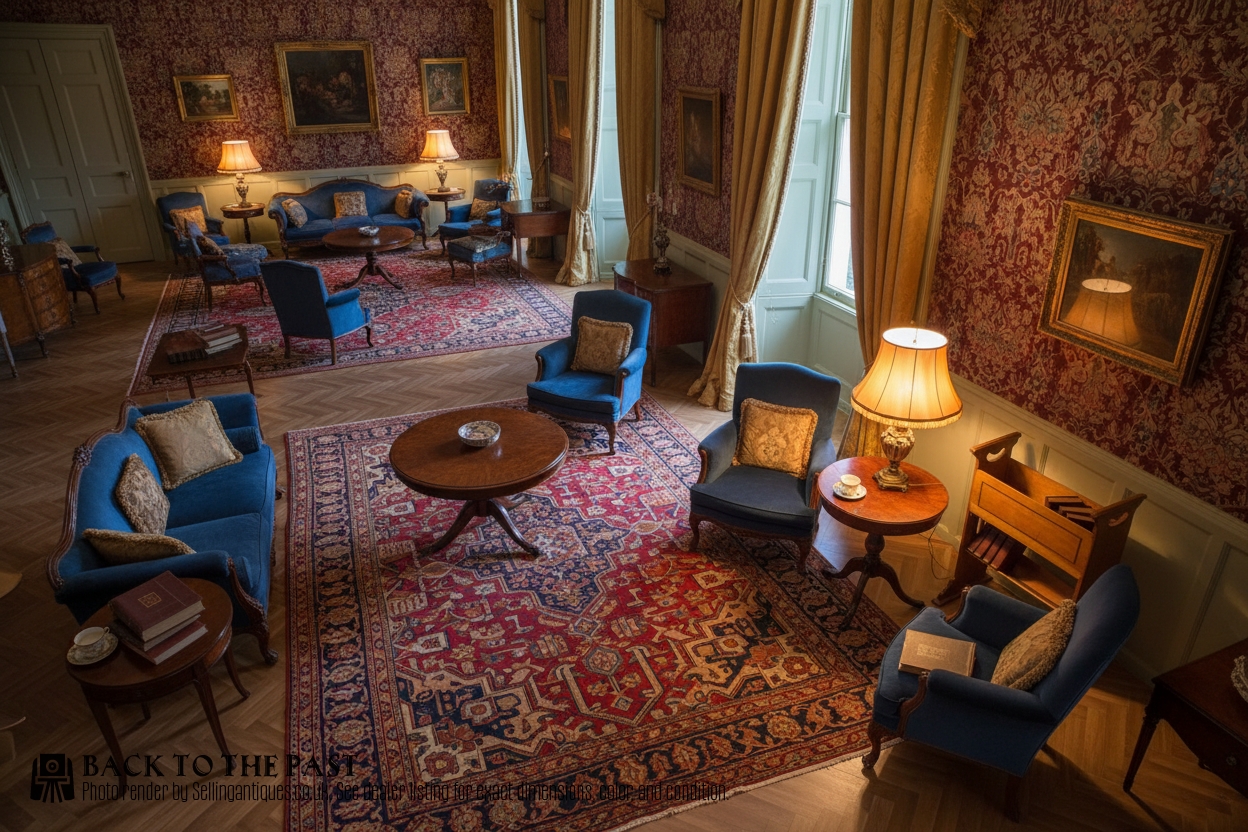
These pieces suit placement beside a reading chair, sofa, or end of a desk where books are frequently consulted. Their open profile allows them to fit neatly against walls or partition spaces.
Keep them away from direct heat sources and strong sunlight to protect the wood and veneer finishes. Their compact footprint enables flexible placement in studies and living rooms.