


Waring and Gillows
Waring and Gillows pieces represent the pinnacle of late Victorian, Edwardian, and Art Deco craftsmanship, offering homes exceptional fitted furniture, dining sets, and cabinets.
Waring and Gillows
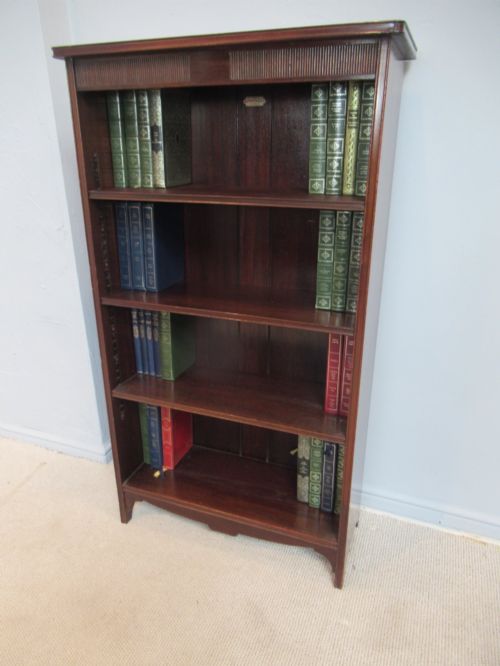
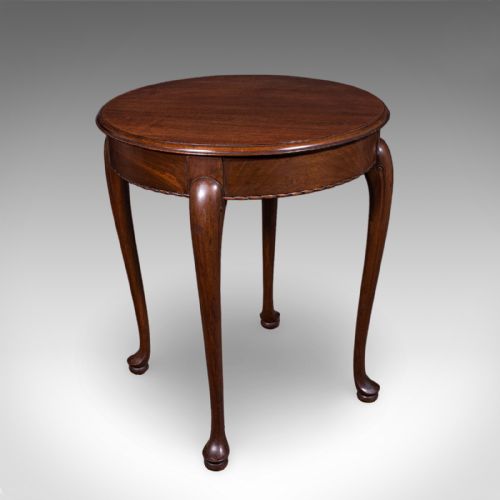
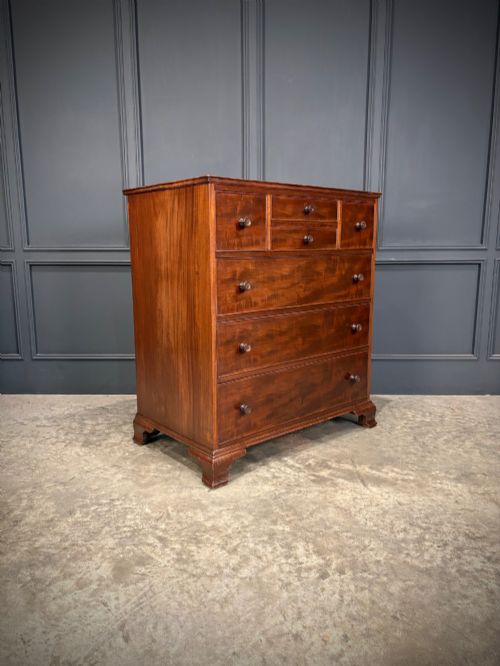
When searching for waring and gillows, buyers encounter furniture produced by the renowned Lancaster firm spanning the late nineteenth century through the 1930s. The selection ranges from substantial oak wardrobes and extending dining tables to refined walnut and mahogany bookcases, desks, and cocktail cabinets.
Edwardian and Georgian Revival forms dominate the current selection, alongside distinct Art Deco burr walnut items from the 1930s. Pieces frequently reflect traditional styles such as Chippendale and Neoclassical, demonstrating the firm's historical versatility.
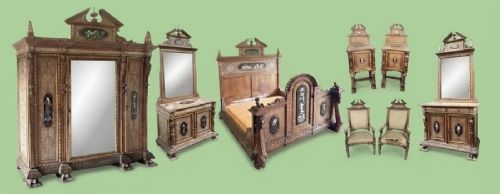
The inventory includes both utilitarian domestic items like luggage racks and umbrella stands alongside grand bedroom suites and display cabinets. Buyers regularly find specialised pieces such as kneehole desks, linen presses, and corner cocktail cabinets.
How they were made
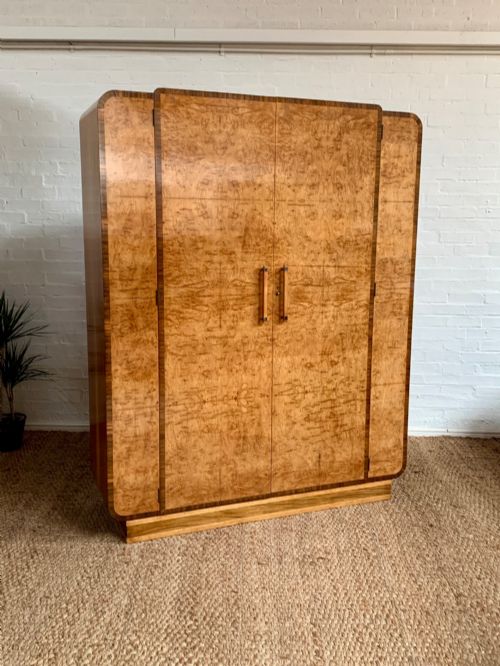
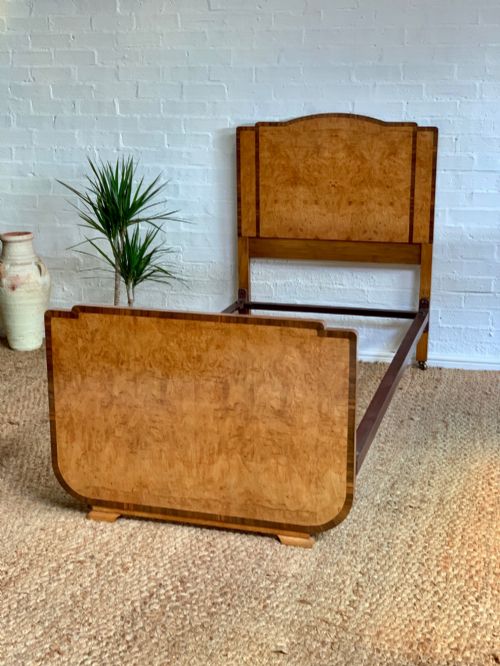
Makers utilised solid timbers alongside finely figured veneers, with mahogany, oak, and walnut forming the structural core of most pieces. Burr walnut and satinwood appear on high-status surfaces, providing rich grain patterns that define the period aesthetic.
Joinery methods combined robust traditional framework with precise period styling, incorporating carved details, brass hardware, and bevelled glass. Cabinetry often featured adjustable shelving and serpentine fronts, demonstrating advanced woodworking capabilities.
Listings feature oak, mahogany, and walnut as primary construction materials, alongside specialist veneers like burr walnut and satinwood.
What varies in quality
Quality separates standard utility furniture from pieces commissioned for prominent Edwardian interiors through the selection of timber veneers and the depth of carved or parcel-gilt details. Burr walnut and satinwood cabinets with serpentine forms represent the higher tier of production.
The presence of maker stamps or paper labels confirms factory origin and distinguishes bespoke workshop items from mass-produced lines. Preservation of original brass hardware and the crispness of revival carving further indicate superior manufacture.
Waring and Gillow
The Waring and Gillows Glossary
- Burr walnut
- A figured wood veneer harvested from tree growths, producing intricate, swirling grain patterns. It was frequently utilised on 1930s cocktail cabinets and bedroom suites.
- Serpentine front
- A furniture face curved in a wave-like shape, with a convex centre flanked by concave sides. This technique requires considerable skill to execute on mahogany chests and sideboards.
- Linen press
- A tall cupboard traditionally used for storing folded clothes and linens, often featuring sliding trays behind upper doors. Examples by this maker frequently utilise satinwood.
- Cheval mirror
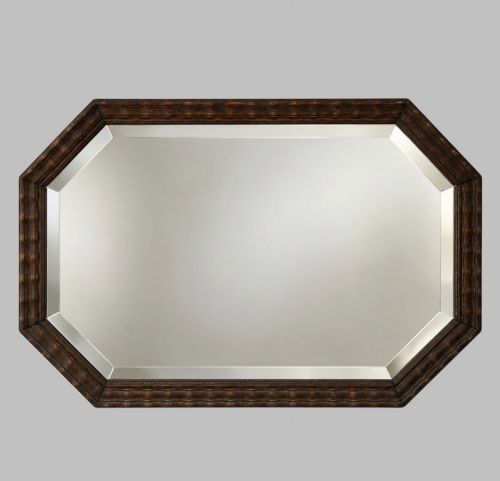
- A full-length floor mirror hung in a freestanding frame that allows the glass to tilt. Oak and mahogany framed versions appear across Edwardian listings.
- Heriz runner
- A long, geometric Persian carpet woven with traditional motifs. Antique examples occasionally accompany the furniture selections.
Waring and Gillows: Frequently Asked Questions
How do I identify a genuine piece?
Look for factory stamps, paper labels, or signatures embedded within the woodwork or drawers. These marks typically denote the Lancaster workshops.
Construction quality, timber selection, and period-specific brass hardware also serve as reliable indicators of authentic manufacture.
What periods do these items cover?
The inventory spans the late nineteenth century through the Art Deco era of the 1930s. Edwardian pieces are particularly numerous.
Revival styles such as Georgian, Chippendale, and William and Mary heavily influence the Victorian and early twentieth-century designs.
Are cocktail cabinets common?
Cocktail cabinets appear frequently from the 1930s production period, often featuring burr walnut veneers. They reflect the changing entertainment habits of the interwar years.
Interior fittings often include glass shelving, mirrored backs, and dedicated spaces for glassware.
How should I care for mahogany surfaces?
Maintain timber surfaces by dusting with a soft, dry cloth and avoiding direct sunlight to prevent fading. Regular waxing preserves the natural sheen of mahogany and walnut.
Keep pieces away from direct heat sources to prevent the veneer from lifting or cracking.