
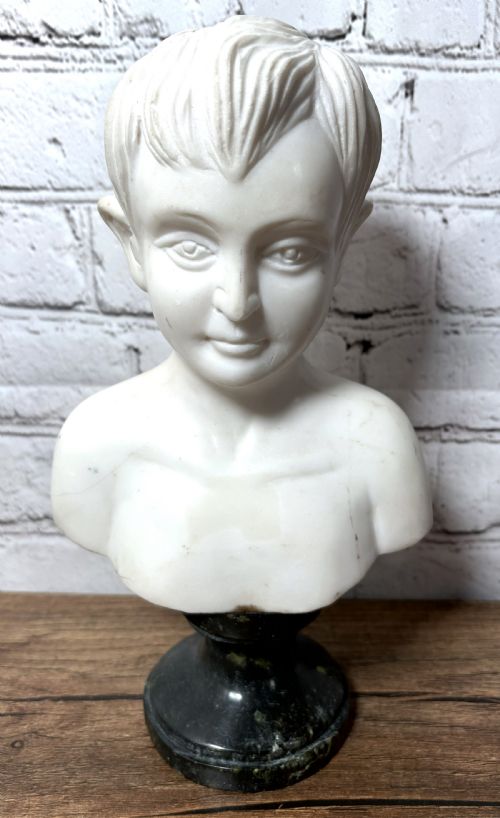


Antique Library Bust
An antique library bust brings figures of literature, philosophy and empire into your study, cast in marble, bronze or plaster.
Antique Library Bust
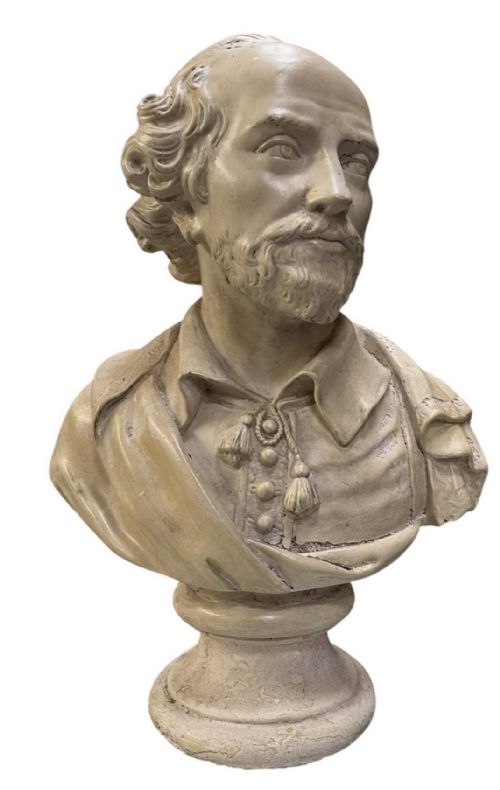
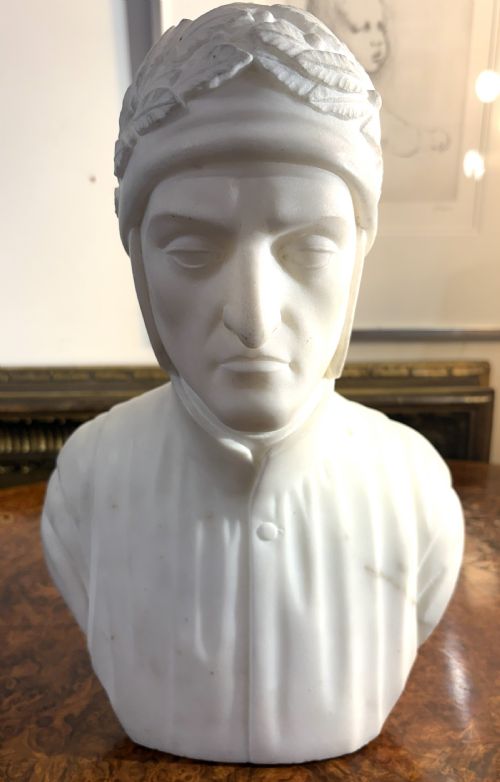
An antique library bust represents poets, philosophers, emperors and literary figures, taking forms shaped by Neoclassical, Classical Revival and Victorian taste. When searching for an antique library bust, you encounter subjects such as Shakespeare, Dante, Homer and classical philosophers rendered in three dimensions.
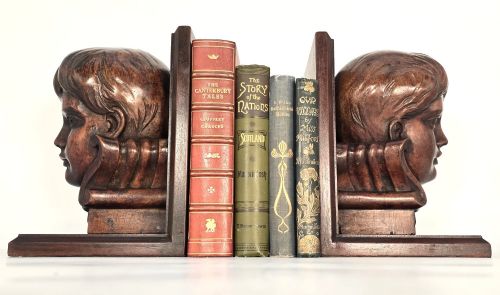
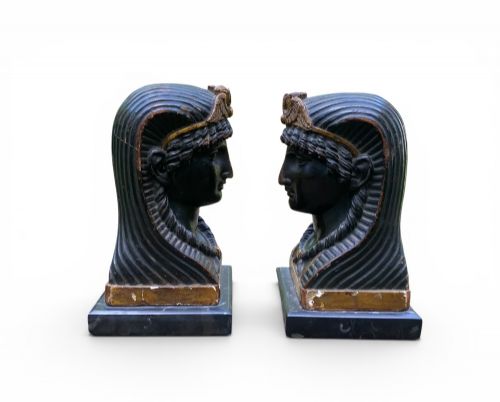
The materials span white marble, patinated bronze, painted plaster and simulated stone, often mounted on wooden brackets or marble plinths. Many pieces function as traditional desk ornaments, scholarly companions or pairs of bookends suited to study shelves.
How they were made
Plaster versions rely on moulding and casting techniques, sometimes finished with paint or simulated stone effects to mimic more costly materials. Bronze examples employ lost-wax casting methods to capture fine details in facial expression and drapery.
Marble and stone sculptures undergo hand-carving by skilled hands, turning raw blocks into expressive portraits with textured hair and smooth skin. Wooden bookends and figures utilise seasoned timber, carved and joined to support volumes on library shelves.
Listings feature materials including marble, plaster, bronze, wood, stone, paint, cast metal and mahogany.
What varies in quality
The distinction between tiers rests upon the crispness of the modelling and the depth of the material's surface character. A finer casting or carving captures subtle anatomical details and individual expression rather than offering a soft or generalised likeness.
The choice of medium and base dictates the overall presence of the object, from heavy carved marble and rich bronze to lighter plaster forms. Original patination and genuine period mounting on appropriate plinths elevate the standing of the piece within a collection.
Thomas Hope·Raffaelo Monti·Ernest-Eugène Hiolle
The Antique Library Bust Glossary
- Neoclassical
- A style drawing inspiration from the classical art and culture of ancient Greece and Rome. This aesthetic dominated much of the nineteenth-century production of scholarly portraiture.
- Grand Tour
- A traditional trip of Europe undertaken by upper-class young men of means for pleasure and education. Travellers frequently returned with small bronzes and plaster casts of classical figures.
- Patina
- The surface sheen and coloration developed through age, handling and exposure to the environment. On bronzes and metals, this layer indicates the natural ageing process.
- Plinth
- A heavy base or pedestal supporting a statue, bust or column. Many library busts sit upon black marble or wooden plinths to provide stability and visual weight.
- Classical Revival
- A renewed artistic interest in the forms and motifs of classical antiquity. This movement shaped the design of portrait busts and architectural ornaments throughout the Victorian era.
Antique Library Bust: Frequently Asked Questions
What subjects appear most often?
Literary figures such as Shakespeare, Dante and Walter Scott frequently appear alongside classical philosophers like Homer and Hippocrates.
Roman emperors and historical gentlemen also populate the selection, reflecting the scholarly interests of nineteenth-century collectors.
Where were these pieces displayed?
These sculptures typically stood upon library shelves, mahogany desks, mantelpieces and reading tables in private studies.
Pairs often served practical roles as heavy bookends supporting rows of leather-bound volumes.
How do I distinguish plaster from stone?
Plaster feels lighter in the hand and often reveals a chalky or painted surface texture beneath handling.
Simulated stone and genuine marble display greater weight, coldness to the touch and natural mineral veining.
What periods do these busts represent?
The material spans the eighteenth, nineteenth and early twentieth centuries, with a strong concentration in the Victorian period.
Stylistic influences reach back to Georgian and Regency aesthetics, alongside Grand Tour souvenirs.