

Antique Leather Travel Box
An antique leather travel box combines rugged utility with rich texture, offering a tangible link to the journeys of past centuries.
Antique Leather Travel Box
When you search for an antique leather travel box, you encounter a diverse range of containers designed for transit, from large campaign trunks to compact vanity cases. These pieces originate primarily from the Georgian, Regency, Victorian, and Edwardian periods, reflecting the shifting demands of travellers over time.
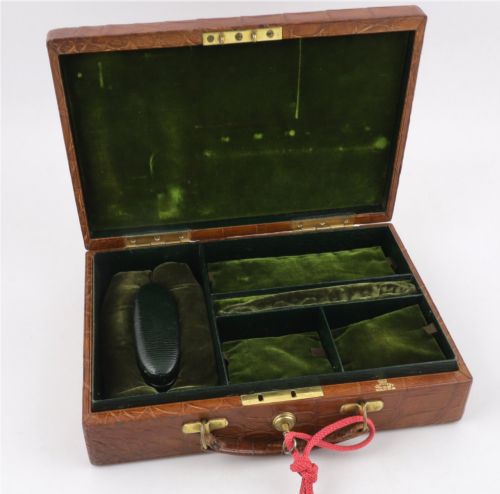
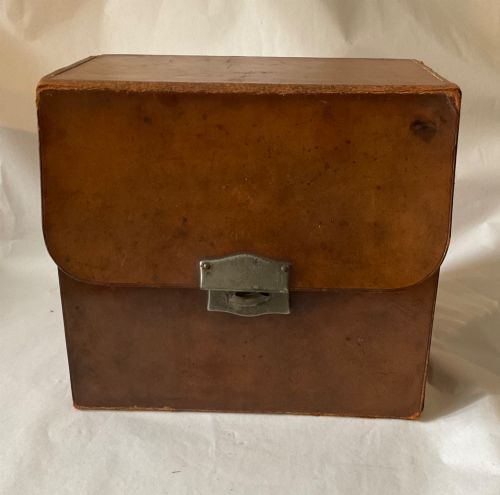
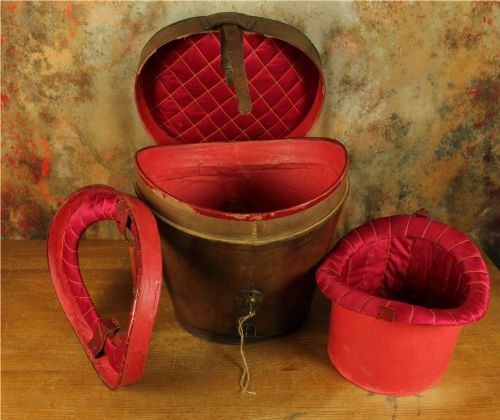
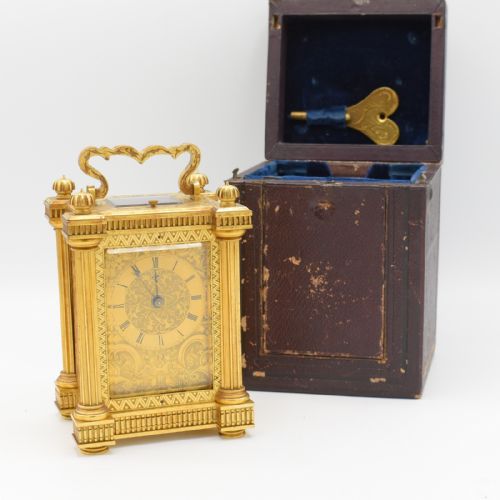
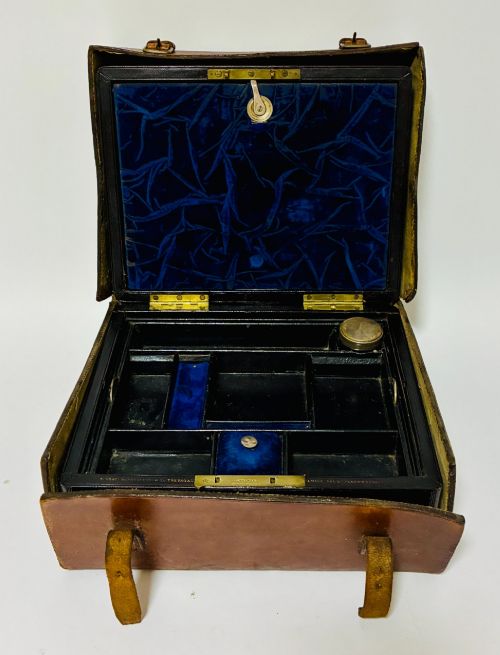
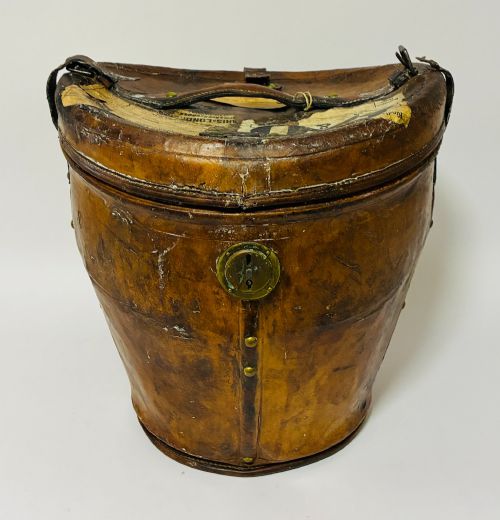
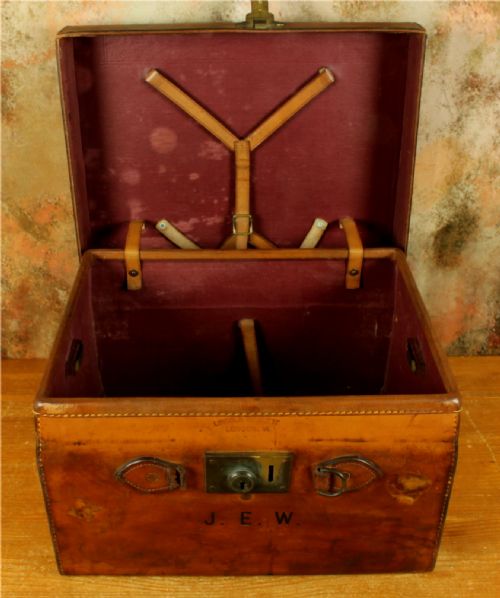
The assortment includes specialised forms such as hat boxes, writing boxes, apothecary cases, and multi-compartment luggage. Many examples feature robust internal fittings designed to secure bottles, documents, or garments during bumpy carriage or steamship journeys.
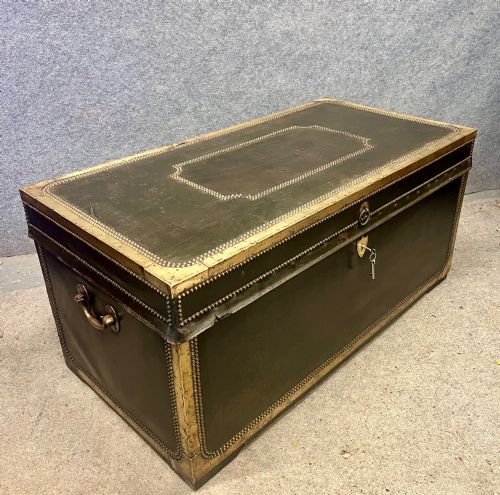
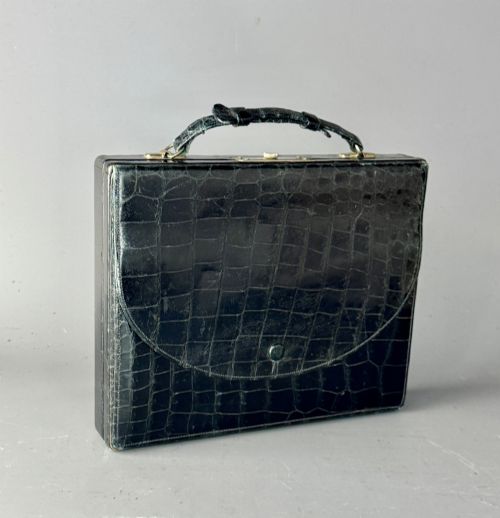
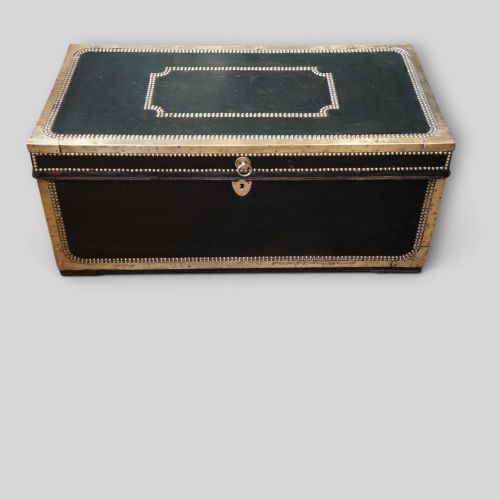
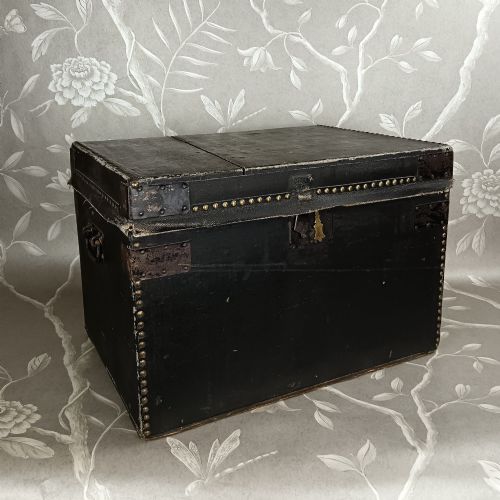
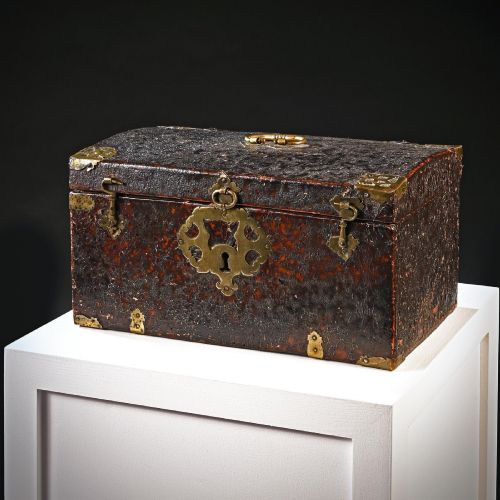
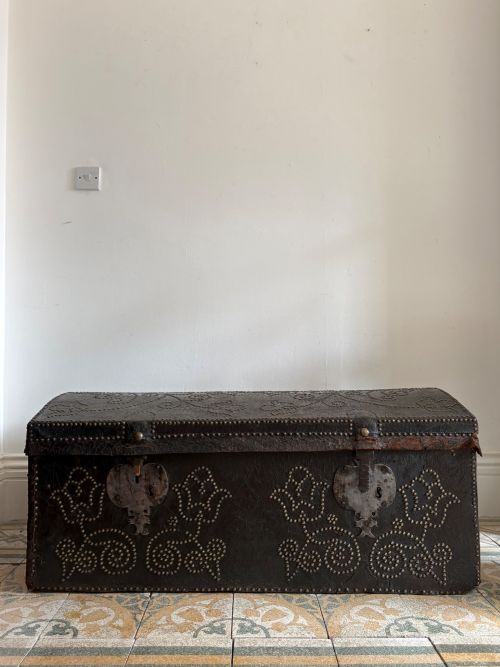
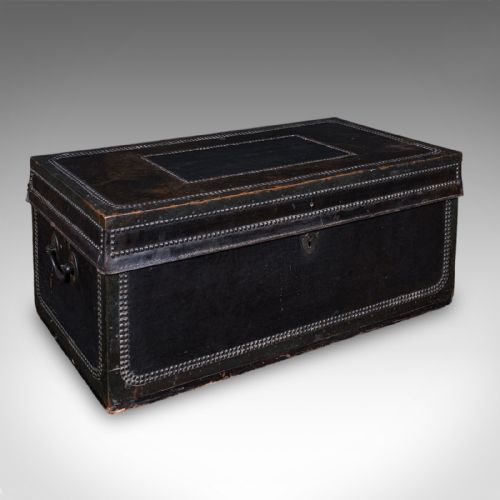
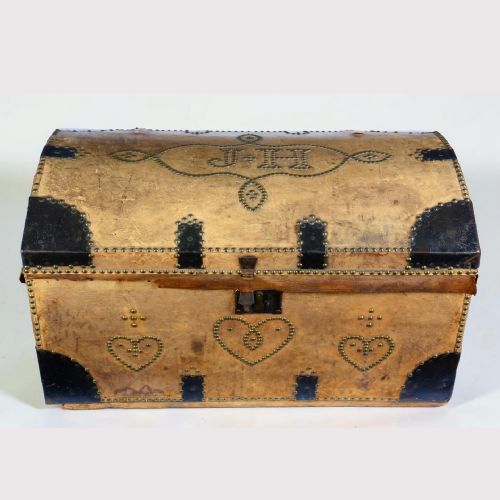
Makers utilised sturdy internal frames of wood, pine, or camphorwood, covering them in hide, leather, or crocodile skin. Brass bindings, iron mounts, and stud work frequently reinforce the corners and edges to withstand heavy use.
Materials and construction methods
Makers constructed the foundational carcase from timbers such as pine, camphorwood, or mahogany, providing a rigid structure capable of bearing heavy loads. They then applied outer coverings of cowhide, plain leather, or exotic skins like crocodile, securing the material with meticulous rows of brass studs.
Hardware played a dual role in strengthening and securing each antique leather travel box. Workshops fitted robust brass locks, side carrying handles, and reinforced corner brackets using iron and metal, ensuring the contents remained protected against the rigours of transit.
The listings span multiple centuries, incorporating materials from standard cowhide and canvas to exotic crocodile skin, brass, and camphorwood.
Factors of quality and execution
The distinction between standard utility luggage and finer pieces lies in the choice of materials and the refinement of internal appointments. Superior items feature exotic hides, fully fitted velvet interiors, and high-specification locking mechanisms by known makers.
Condition and originality heavily influence the standing of an antique leather travel box. Examples retaining their original fitted interior bottles, trays, or maker plaques demonstrate higher integrity than those with altered or missing components.
Samuel Pratt·Wm Insall of Bristol·J C Vickery·Howell and James London·Lincoln Bennett·Chapple and Sons·Seabrook of St Pauls·Drew and Sons
The Antique Leather Travel Box Glossary
- Campaign trunk
- A sturdy chest designed to dismantle or withstand frequent military transport, often featuring recessed brass handles and reinforced corners.
- Camphorwood
- An aromatic timber frequently used for interior linings in travel chests to deter insects and keep stored garments fresh.
- Vanity case
- A compact personal case fitted with compartments for cosmetics, brushes, or small grooming bottles.
- Studded
- Decorated or reinforced with small brass or metal tacks driven in regular patterns along the leather edges.
Antique Leather Travel Box: Frequently Asked Questions
How were these boxes used?
Travellers packed these containers with clothing, documents, and personal valuables for long journeys by coach, rail, or steamship. Specialised versions held specific items such as hats, writing materials, or medicine.
Over time, owners relied on them to keep possessions organised and secure against moisture and rough handling while away from home.
How do I date an antique leather travel box?
Dating relies on observing construction methods, hardware styles, and materials used across different eras. Georgian and Regency pieces often feature heavy brass studding and simple pine or camphorwood carcases, while Victorian and Edwardian examples may include complex fitted interiors and stamped maker marks.
Examining locks, hinges, and any surviving travel labels also helps narrow down the period of manufacture.
Can I use these boxes for modern storage?
These boxes function well as distinctive storage furniture in modern homes, fitting neatly at the foot of a bed or serving as a coffee table. Their internal compartments remain practical for organising smaller household items.
Placing them out of direct sunlight and maintaining stable indoor humidity helps preserve the aged leather and metal fittings.
What maintenance do leather travel boxes need?
Leather surfaces benefit from occasional light cleaning and the application of suitable conservation wax to prevent drying and cracking. Keeping the brass hardware polished or leaving it with an aged patina depends entirely on personal preference.
Checking that interior linings remain dry ensures the underlying wood carcase stays protected from moisture damage.