




Antique Leather Spines
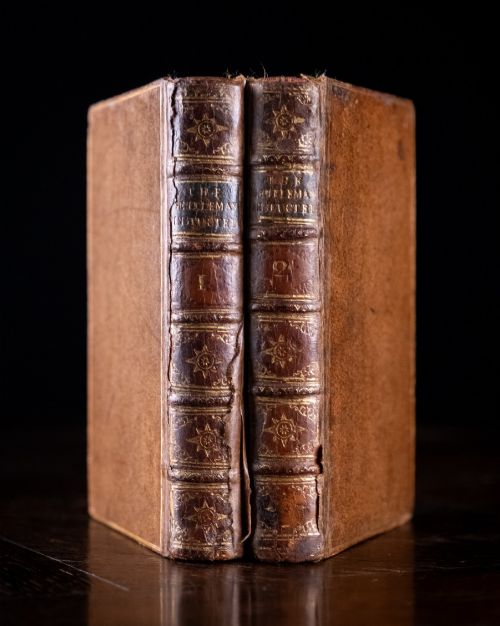
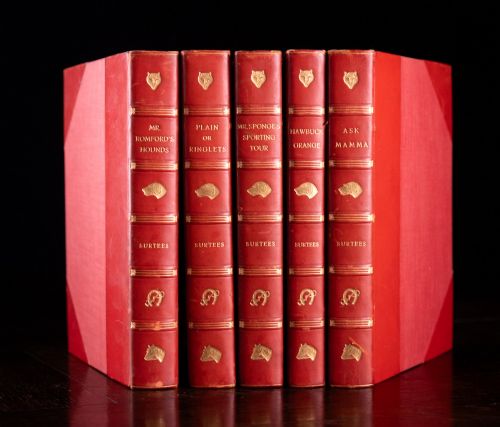
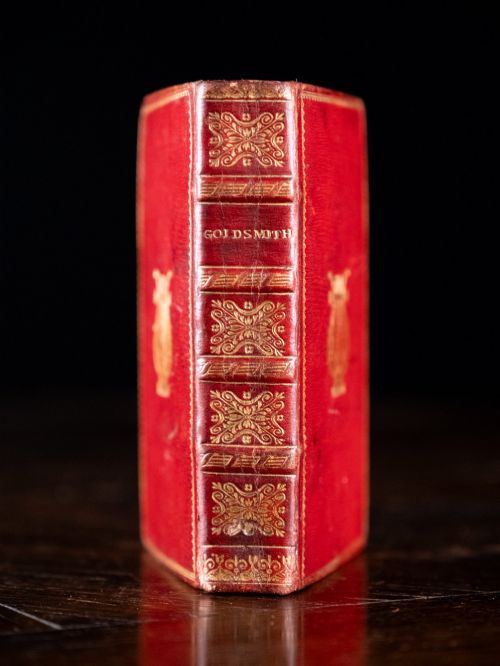
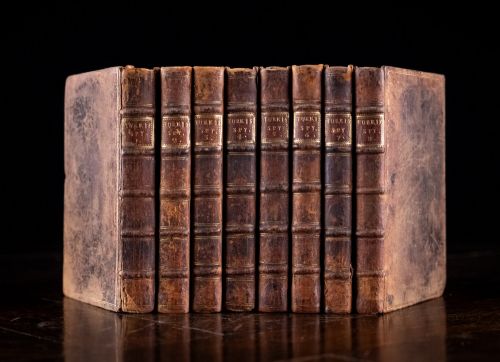
These antique leather spines bring the rich tones of calfskin, vellum and gold tooling directly to shelves and interior schemes.
Antique Leather Spines
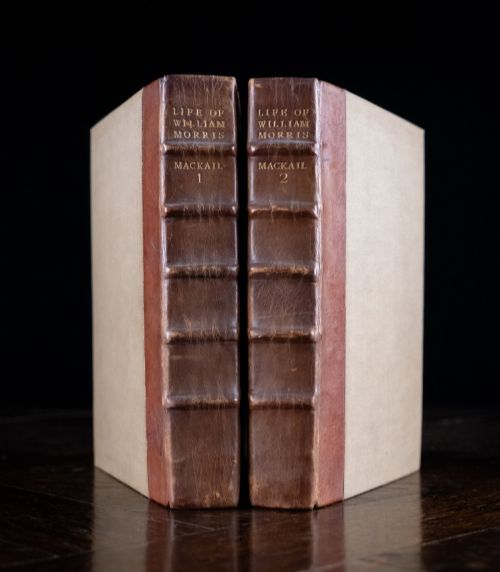
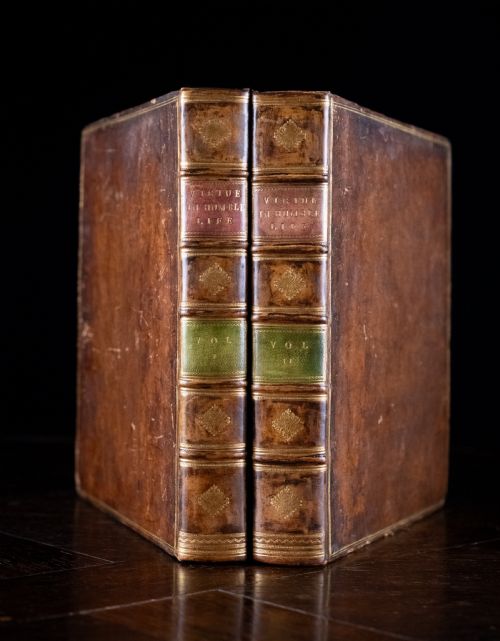
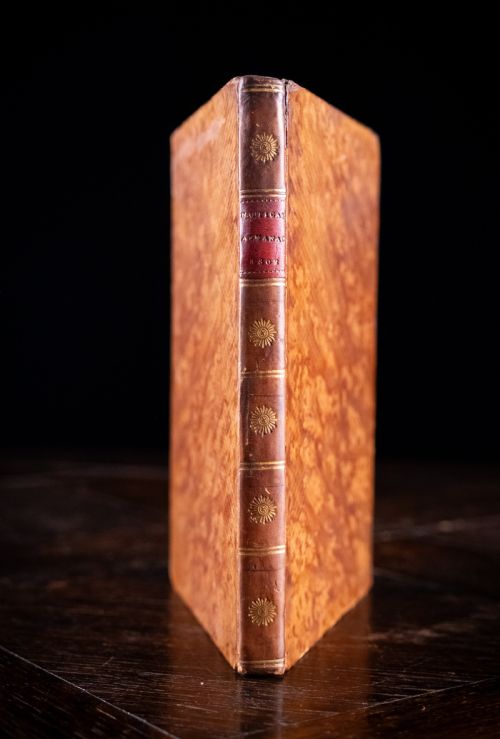
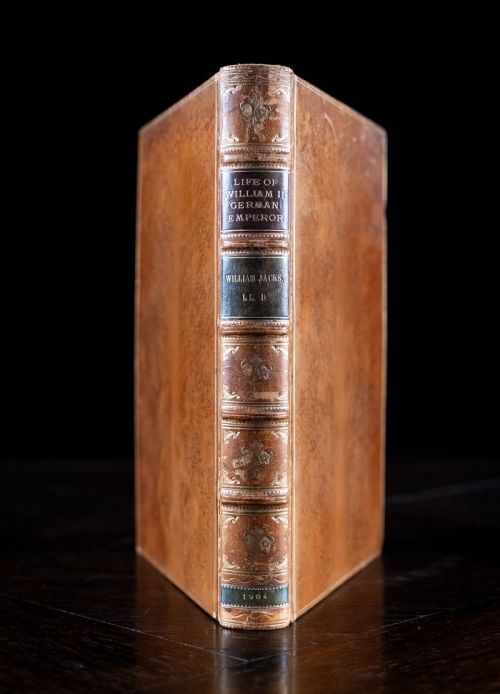
When you search for antique leather spines, you are looking at fragments and full bindings from antiquarian books, multi-volume sets and decorative objects originating across the eighteenth, nineteenth and early twentieth centuries.
The selections on this page range from single volumes and large multi-volume historical sets to decorative boxes, table lamps, desk blotters and specialised cartography references.
You will encounter pieces spanning the Georgian, Regency, Victorian and Edwardian periods, alongside specialised nineteenth-century literature, poetry, history and travel writing.
Materials and Technique
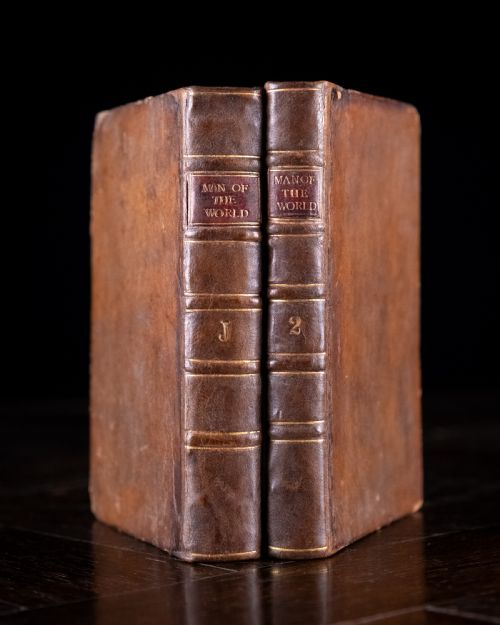
Binders utilised traditional animal hides including calfskin and vellum, pairing the durable leather with sturdy paper text blocks and marbled endpapers.
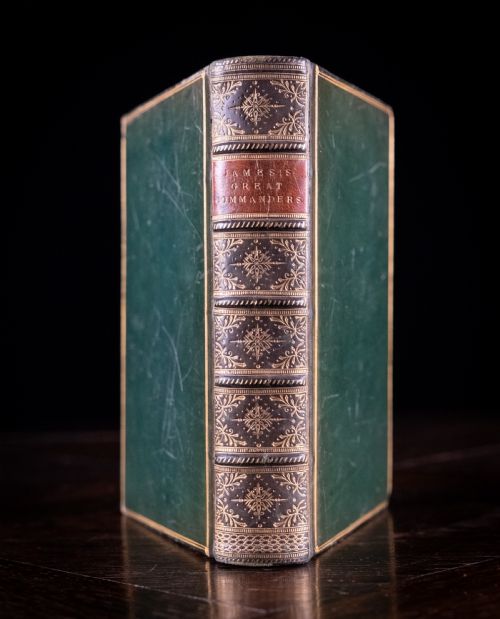
Decoration relied heavily on genuine gold leaf applied to embossed tooling on the spines, alongside cloth elements and applied paper labels for titles.
The listings on this page span the Georgian, Regency, Victorian and Edwardian periods, featuring works printed on calfskin, vellum and marbled paper.
Quality and Preservation
The standard of a piece depends on the crispness of the original gold tooling and the suppleness of the animal hide, which can dry and crack over decades of handling.
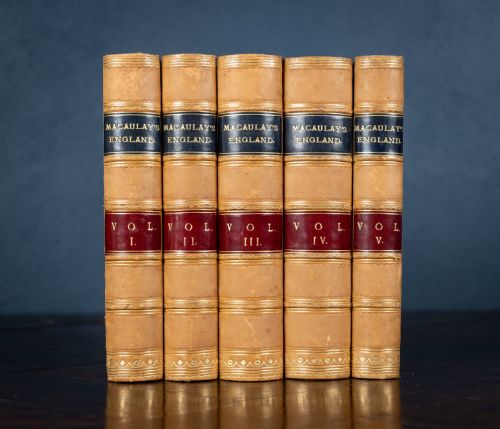
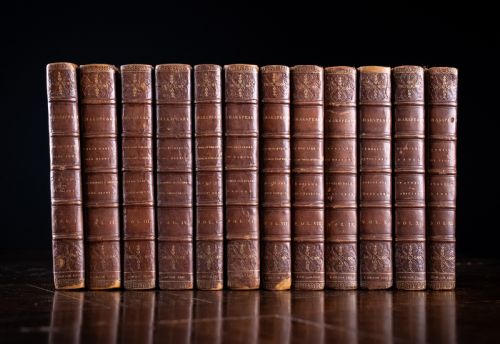
Uniformity across long runs and multi-volume sets elevates the desirability of a collection, where matching calfskin tones and consistent nineteenth-century typography create a cohesive visual impact.
The Antique Leather Spines Glossary
- Vellum
- A fine parchment typically made from calf skin, prized for its pale, smooth surface and used on classical and literary bindings.
- Calfskin
- A soft, supple leather derived from the skin of a calf, frequently selected by nineteenth-century binders for its fine grain.
- Gold leaf
- Extremely thin sheets of beaten gold applied to leather spines during the tooling process to create lasting metallic lettering and decoration.
- Marbled paper
- Paper decorated with colourful swirling patterns resembling marble, commonly utilised for endpapers inside nineteenth-century book covers.
- Cartography
- The science or practice of drawing maps, represented in this collection by nineteenth-century German and international atlases.
Antique Leather Spines: Frequently Asked Questions
What are antique leather spines used for today?
These items serve primarily as decorative elements in libraries, studies and living spaces, adding historic character and rich texture to bookshelves.
Interior designers often utilise multi-volume sets and uniform bindings to introduce traditional warmth and literary depth to a room.
How do I identify the period of a leather book?
Binders changed their typography, tooling patterns and leather preparation methods significantly between the Georgian era and the Edwardian period.
Examining the spine's gold leaf application, the style of the lettering and the accompanying paper stock helps determine the approximate decade of origin.
Are these spines taken from complete books?
Many pieces on this page comprise complete antiquarian books, multi-volume historical sets and poetry collections published across the eighteenth and nineteenth centuries.
Other items repurpose historical bindings into functional accessories such as desk blotters, table lamps and decorative storage boxes.
How should I care for antique leather bindings?
Leather bindings require stable environmental conditions away from direct sunlight and excessive humidity to prevent the natural hide from drying out.
Handling the spines with clean hands and avoiding abrasive cleaners ensures the preservation of the delicate gold leaf and paper components.