

Antique Leather Drawers
Antique leather drawers bring functional writing surfaces and storage together, anchored by periods from the Georgian era through to the twentieth century.
Antique Leather Drawers
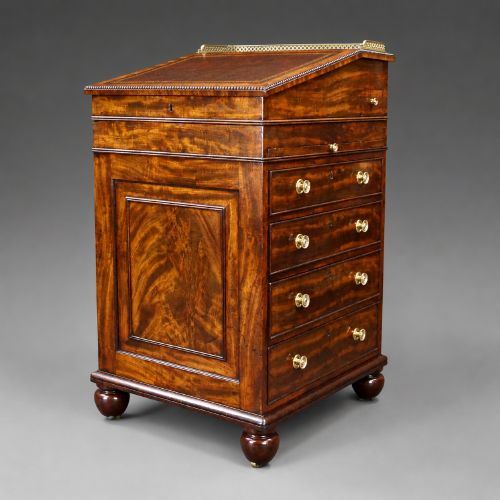
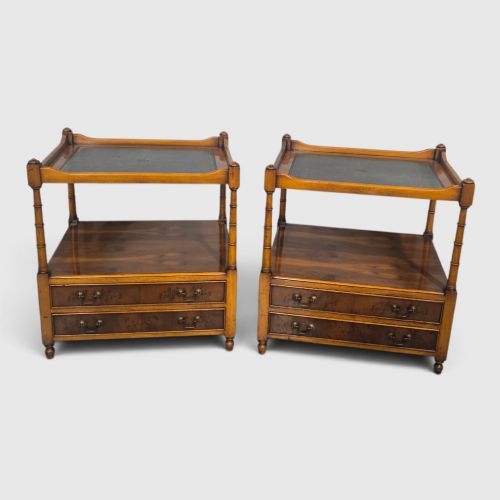
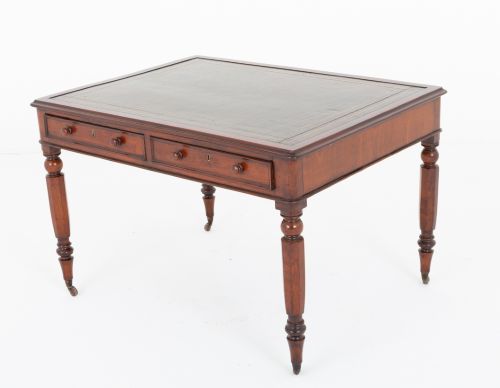
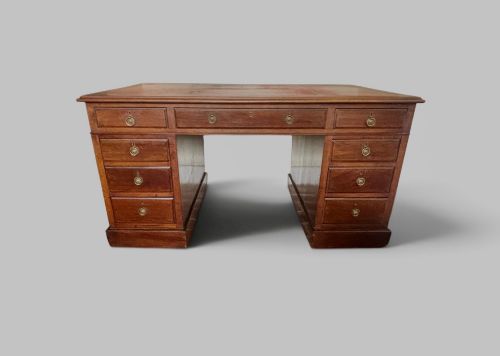
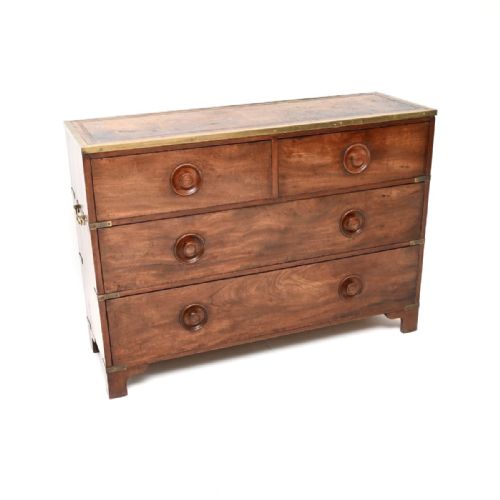
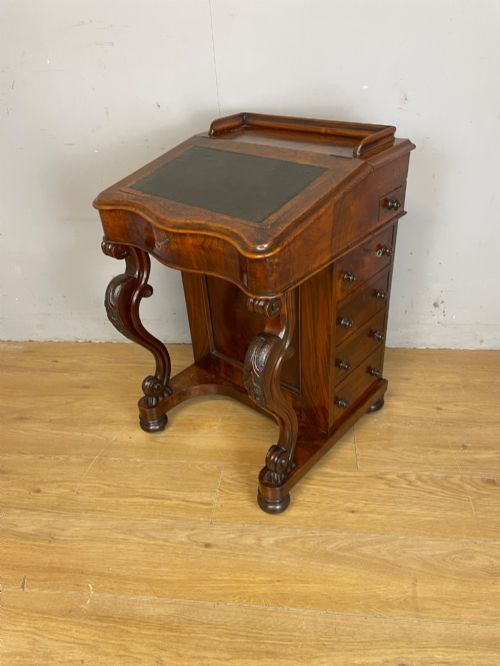
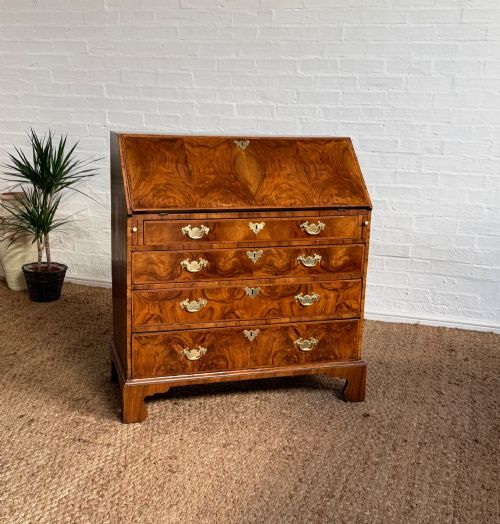
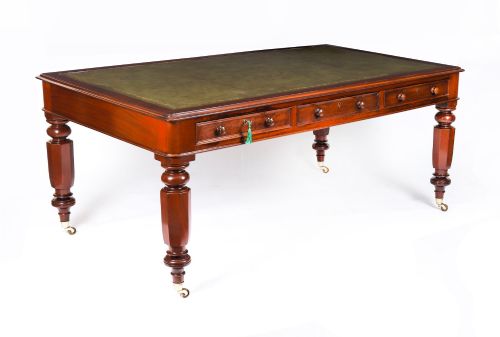
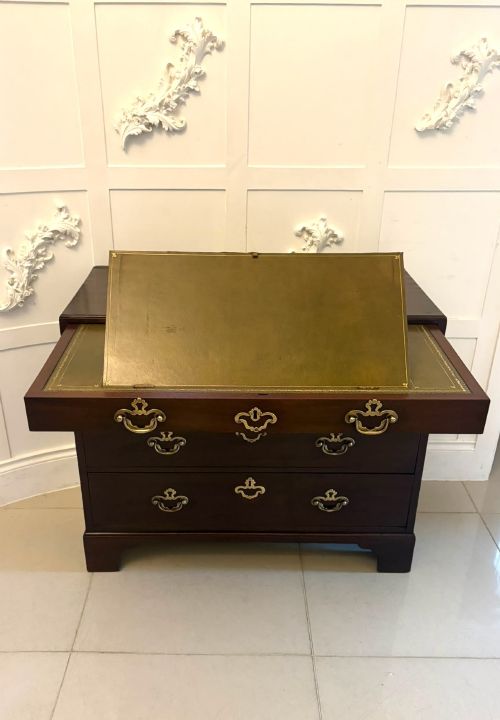
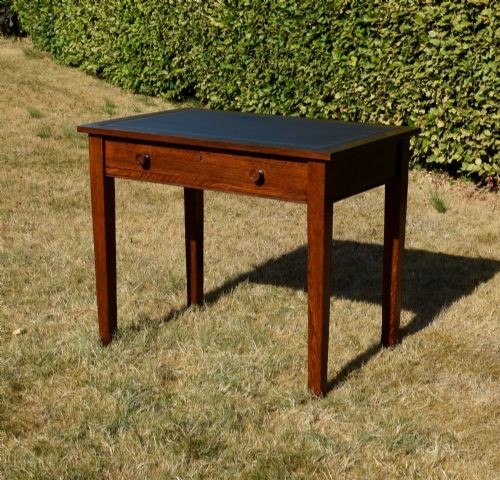
When you search for antique leather drawers, you encounter a specialised selection of writing furniture that combines compartment storage with a leather writing surface. These pieces range from pedestal desks and partners writing tables to military campaign chests, Davenport desks, and bureaux.
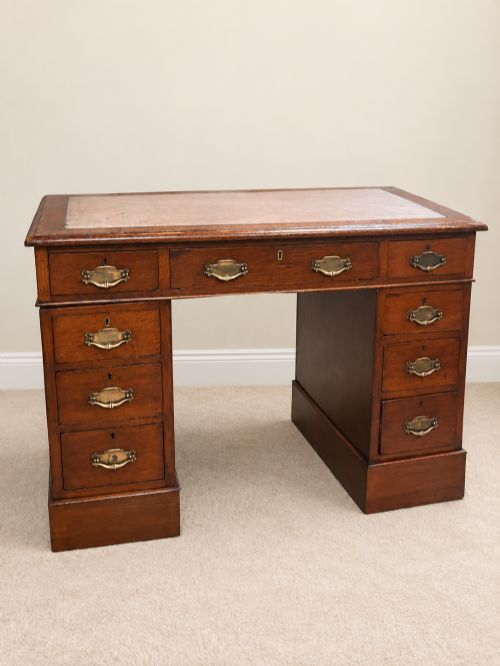
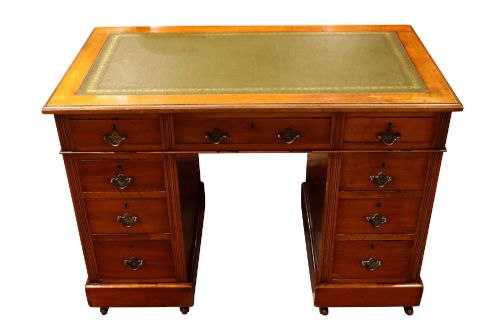
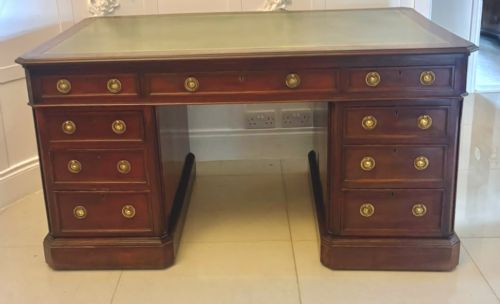
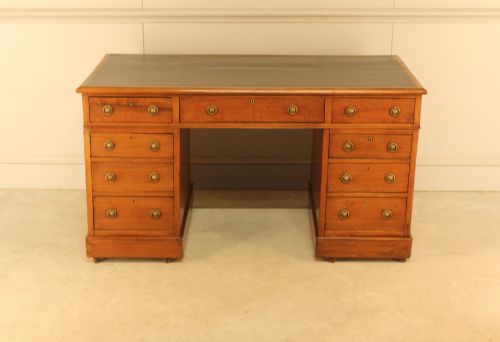
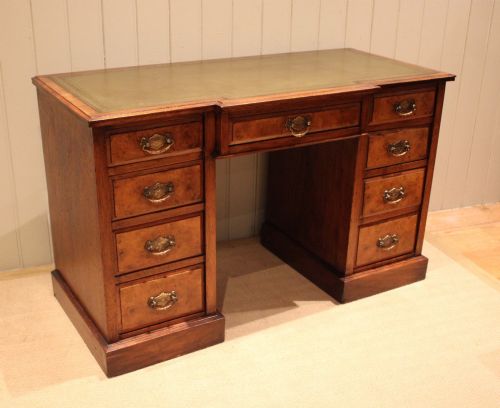
The version you meet most frequently on this page is the nineteenth century pedestal desk or writing table in mahogany, walnut, or burr walnut. These functional forms provide banks of drawers alongside inset leather tops designed for daily writing use.
Beyond standard desks, the selection includes compact Davenport desks, bureau chests, and military campaign pieces bound in leather. Styles stretch from George II and Regency through to Victorian, Edwardian, and Arts and Crafts interpretations.
How they were made
Cabinetmakers utilised timber frameworks built primarily from mahogany, oak, walnut, and burr walnut, sometimes applying ebonised wood or rosewood for distinct aesthetic contrast. Solid timbers form the structural carcasses, while flame mahogany and burr walnut veneers provide decorative surfaces on drawer fronts and pedestals.
Writing surfaces employ inset leather panels, frequently embellished with blind tooling and gilt borders. Brass hardware appears extensively, particularly on military campaign pieces fitted with flush handles and protective corner brackets.
Listings feature mahogany, walnut, burr walnut, and oak across Georgian, Regency, and Victorian periods.
What varies in quality
The distinction between tiers of quality rests on the selection of timber figures and the refinement of internal construction. Finely figured flame mahogany and richly patterned burr walnut denote superior cabinet work compared to plain secondary woods.
Maker attribution also elevates a piece, with workshops such as Gillows and Edwards & Roberts demonstrating meticulous dovetailing, original brasses, and well-executed secondary stationery compartments.
Gillows·Edwards & Roberts
The Antique Leather Drawers Glossary
- Davenport
- A compact writing desk featuring a sloping leather-lined desktop that lifts to reveal storage, with drawers accessed from the side. This form was popular during the Regency and Victorian periods.
- Pedestal desk
- A heavy freestanding desk comprising a central writing surface supported by two banks of drawers. These units frequently incorporate inset tooled leather tops.
- Partners desk
- A large double-sided writing table designed for two people to work opposite each other, featuring drawers and cupboards on both elevations.
- Military campaign chest
- A portable set of drawers made in sections with brass corners and recessed handles for transport during military deployment. Examples often feature leather bindings and integrated writing surfaces.
- Bureau
- A desk with a sloping flap that opens to enclose a fitted interior of small drawers and pigeon holes above lower storage drawers.
Antique Leather Drawers: Frequently Asked Questions
How do I care for antique leather writing surfaces?
Leather requires gentle cleaning with a slightly damp cloth followed by specialist leather wax or balsam to maintain flexibility. Avoid modern chemical solvents that strip the original gilt tooling.
Keep these surfaces away from direct sunlight and heat sources to prevent the leather from drying and cracking over time.
What is the difference between a partners desk and a pedestal desk?
A pedestal desk sits against a wall or floats in a room with drawers on one operating side and a finished rear. A partners desk provides functional drawers and cupboards on both long sides.
This double-sided design allowed two people to share the workspace simultaneously in a library or study.
Were campaign chests actually used in the military?
Officers and administrators utilised campaign chests during military campaigns because the sectional design dismantled easily for transport. Brass corners and flush handles protected the timber during rough transit.
Many surviving pieces retain leather bindings designed to withstand moisture and heavy handling in the field.
How do I distinguish Regency styles from Victorian pieces?
Regency furniture draws inspiration from classical antiquity with clean architectural lines, rosewood or mahogany veneers, and restrained brass mounts. Victorian pieces tend to be heavier in proportion with elaborate carving and rich burr walnut veneers.
Examining the secondary timbers inside the drawer construction often helps clarify the manufacturing period.