





Antique Lead Crystal Flutes
Antique lead crystal flutes bring tactile heft and historic sparkle to the table, uniting Georgian twists and Victorian cut glass in authentic drinking vessels.
Antique Lead Crystal Flutes
When you search for antique lead crystal flutes, you encounter drinking vessels spanning the Georgian, Regency, and Victorian eras alongside Edwardian pieces. These items primarily comprise champagne flutes, ale glasses, and wine glasses featuring slender profiles designed for carbonated or fermented beverages.
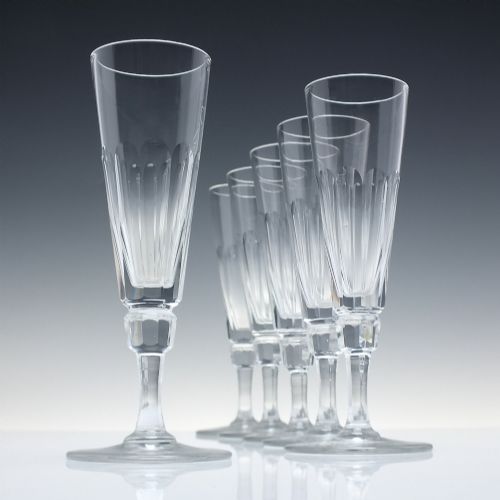
The pieces on this page are heavily rooted in the eighteenth and nineteenth centuries, offering characteristic forms such as flute-moulded bowls and faceted stems. Alongside champagne flutes, related stemware and serving pieces like rummers and decanters appear frequently within the selection.
How they were made
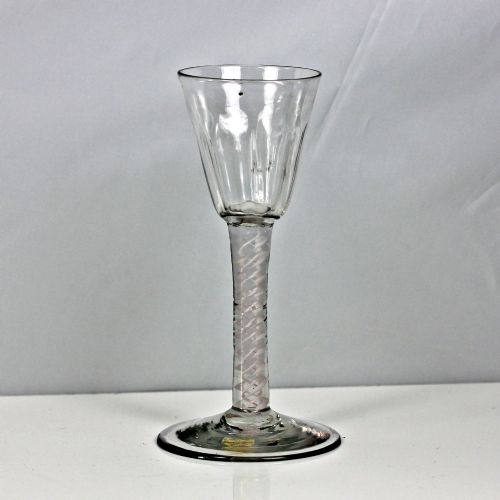
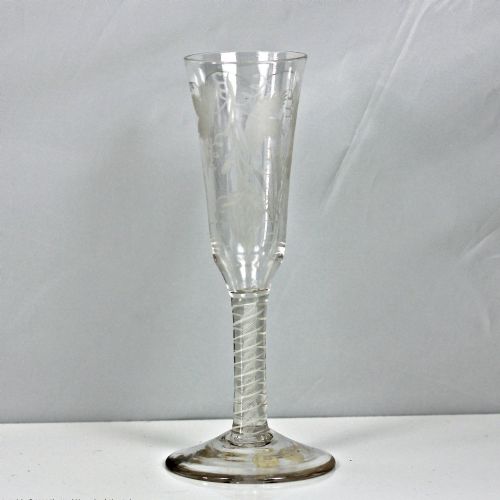
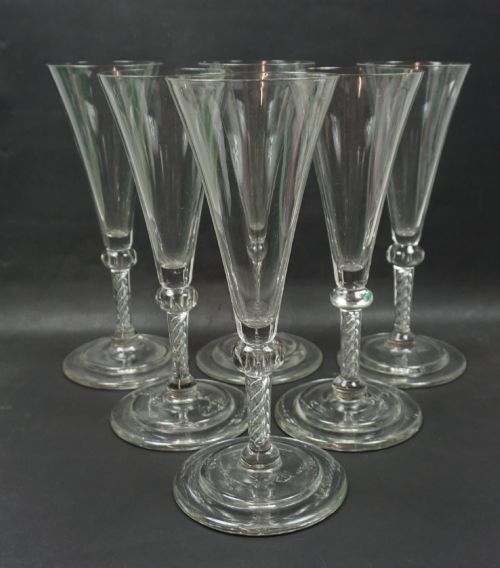
The manufacture of these vessels relies upon lead glass, flint glass, and hand-blown glass shaped while molten. Artisans utilised techniques such as air twists, opaque twists, and mixed twists within the stems to achieve internal optical patterns.
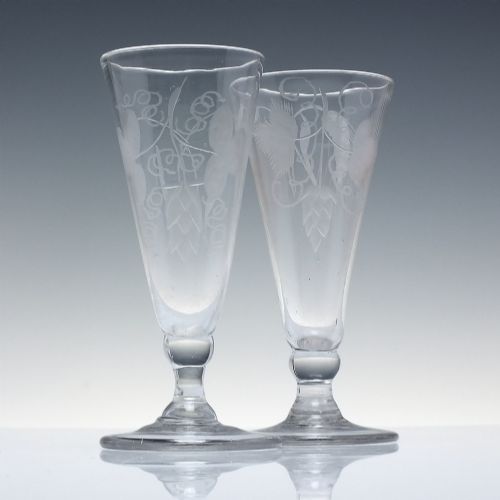
Surface decoration frequently involves wheel engraving, depicting motifs like hops and barley, combined with facet cutting on bowls and stems. Finished pieces often feature folded feet and flute-moulded rounded or ogee bowls.
Antique Lead Crystal Flutes Retail Price Guide 2026
Typical asking prices for lead crystal flutes among the pieces listed under this phrase on Sellingantiques today, from the lower quarter to the upper quarter. They describe what is for sale here now, not the wider market.
Georgian and Victorian items dominate the inventory, showcasing distinct decorative methods including hop and barley engraving and opaque twists.
What varies in quality
Quality in these drinking vessels rests upon the clarity of the clear glass and the precision of the optical twists formed within the stem. Sharply defined wheel engraving and crisp facet cutting distinguish finer specimens from simpler production.
Proportion and balance dictate the distinction between standard vessels and superior examples. The regularity of internal air threads or opaque enamel filaments in twisted stems reflects the maker's supreme dexterity.
The Antique Lead Crystal Flutes Glossary
- Air twist
- A stem formation created by drawing out internal air bubbles during the glass-pulling process to form spiral threads. This technique defines many mid-eighteenth-century drinking vessels.
- Opaque twist
- A stem style incorporating white or coloured enamel glass rods twisted within clear metal. These are categorised into single, double, and mixed twist variations.
- Flute-moulded
- A decorative vertical ribbing pressed into the lower portion of a bowl. This textural feature catches candle or ambient light effectively.
- Folded foot
- A base edge turned back underneath to reinforce the rim and add stability. This construction method indicates earlier manufacturing traditions.
- Rummer
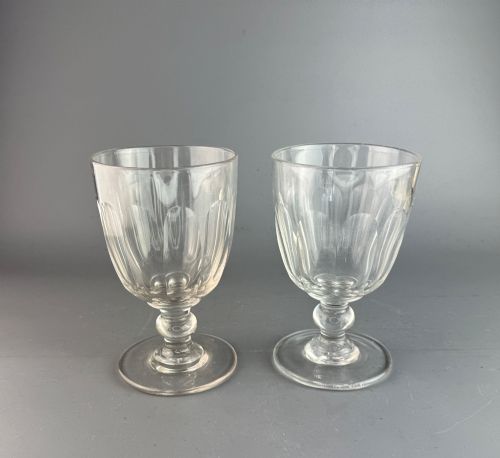
- A large, robust drinking glass common in the Georgian and Victorian periods. They typically feature thick stems and deep bowls used for beer, ale, or wine.
Antique Lead Crystal Flutes: Frequently Asked Questions
How do I date an air twist flute?
Dating relies on examining the weight of the metal, the form of the bowl, and the construction of the foot. Mid-eighteenth-century pieces typically exhibit lighter metal and distinct stylistic proportions compared to later iterations.
Foot formation also provides clues, as folded edges frequently point towards earlier periods. Twists inside the stem must be assessed alongside the overall silhouette to confirm the era of production.
Were these flutes used for champagne?
Many slender vessels served for sparkling wines and champagne, particularly during the eighteenth and nineteenth centuries. Taller bowls helped maintain effervescence in carbonated drinks.
Ale and wine were served in similarly shaped stemware, meaning utility often crossed beverage boundaries. The narrow profile suited various effervescent or fermented drinks of the period.
What is hop and barley engraving?
Hop and barley motifs are traditional surface decorations wheel-engraved onto the bowls of eighteenth-century drinking vessels. They directly indicated the intended contents, usually ale or beer.
Engravers applied these botanical details with fine copper wheels to create matte white designs against clear glass. This iconography is typical of English tavern and domestic stemware from the Georgian era.
Can I use antique lead glass daily?
Using these items requires care due to the historic nature and delicate composition of early lead glass. Hand washing in warm water prevents thermal shock and preserves the surface.
Avoiding harsh detergents and modern dishwashers protects the hand-blown and engraved details from damage. Careful handling ensures these centuries-old vessels remain intact for special occasions.