

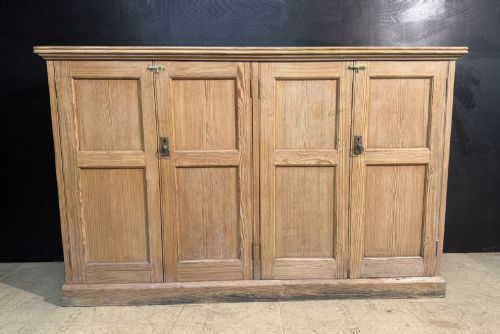
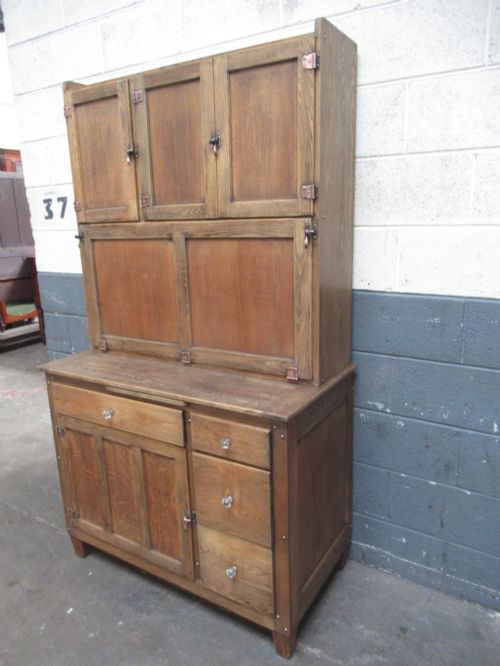
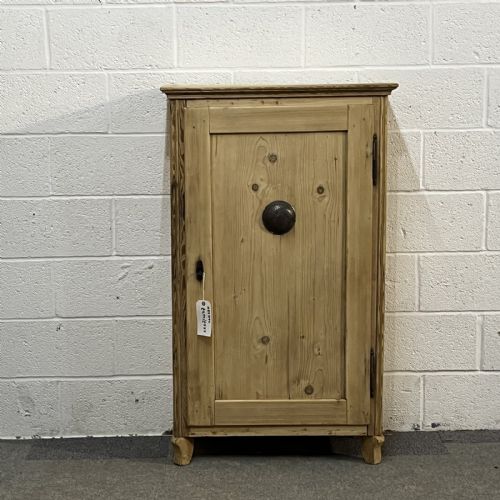
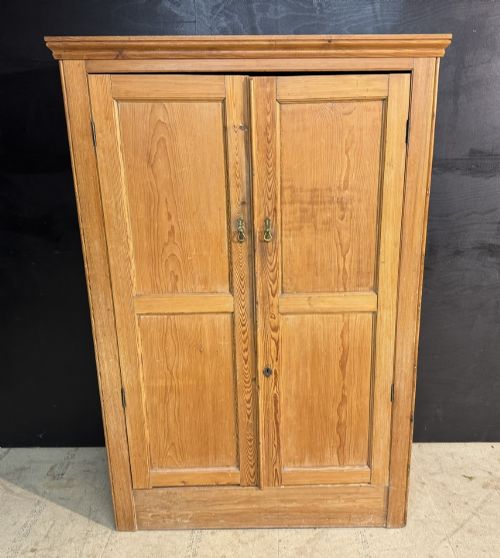
Antique Larder Cupboard
An antique larder cupboard provides essential food storage with traditional craftsmanship, offering deep shelving and functional compartments for modern kitchens.
Antique Larder Cupboard
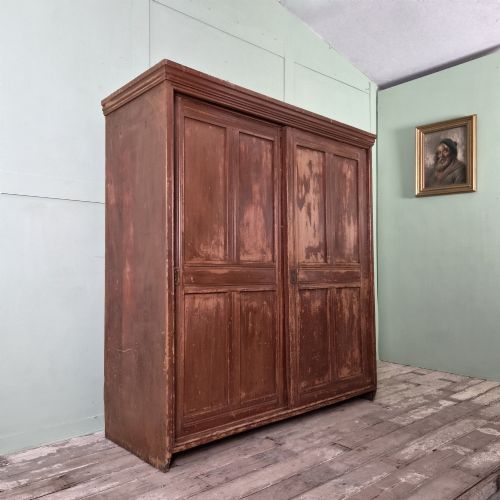
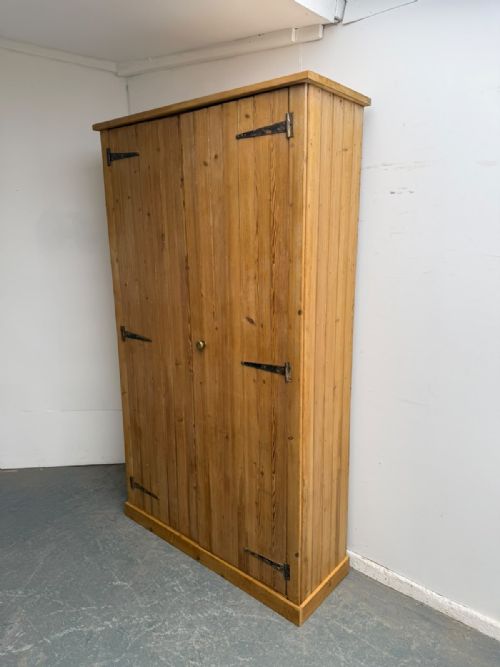
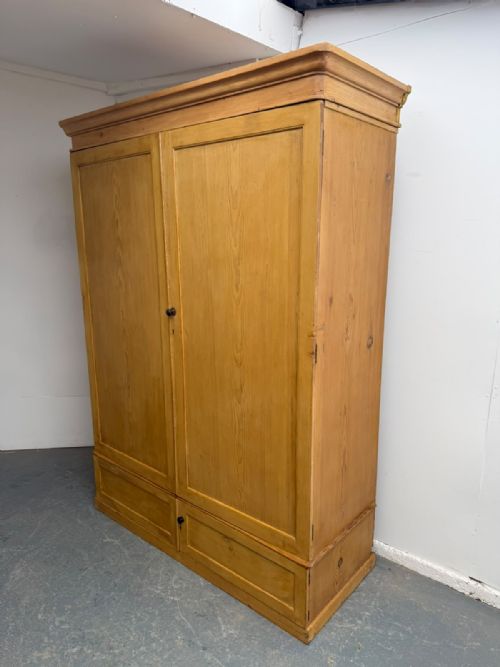
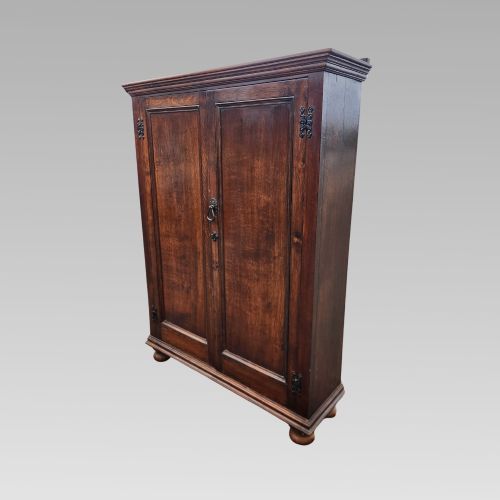
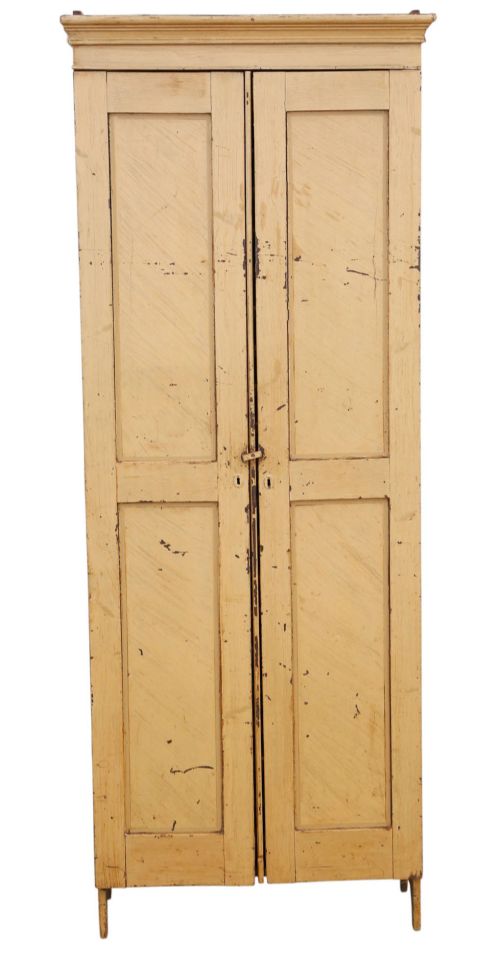
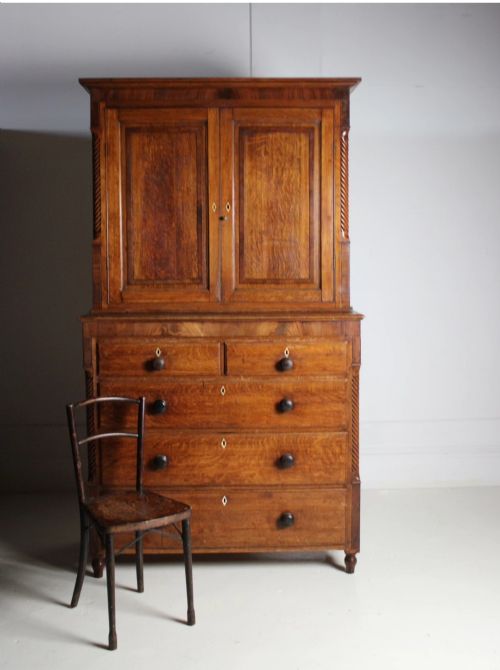
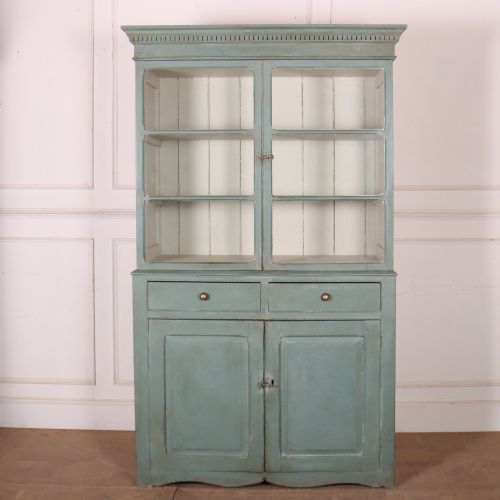
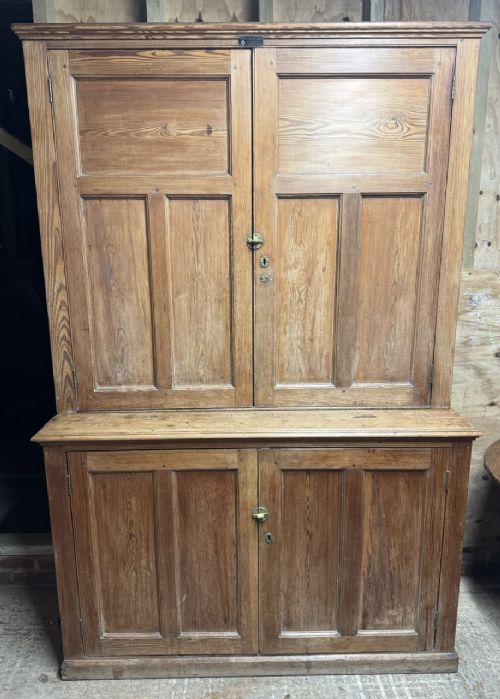
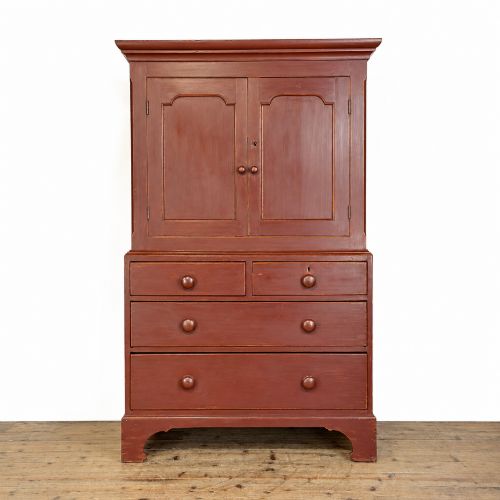
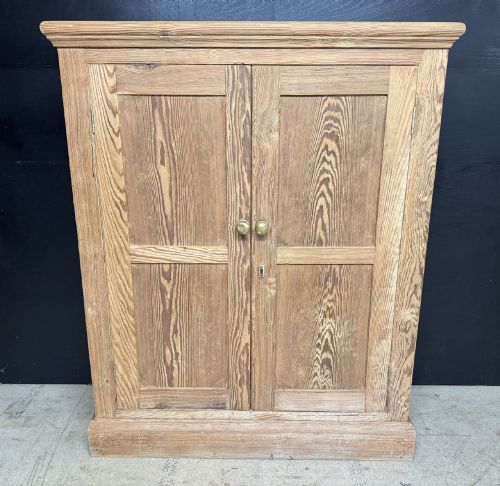
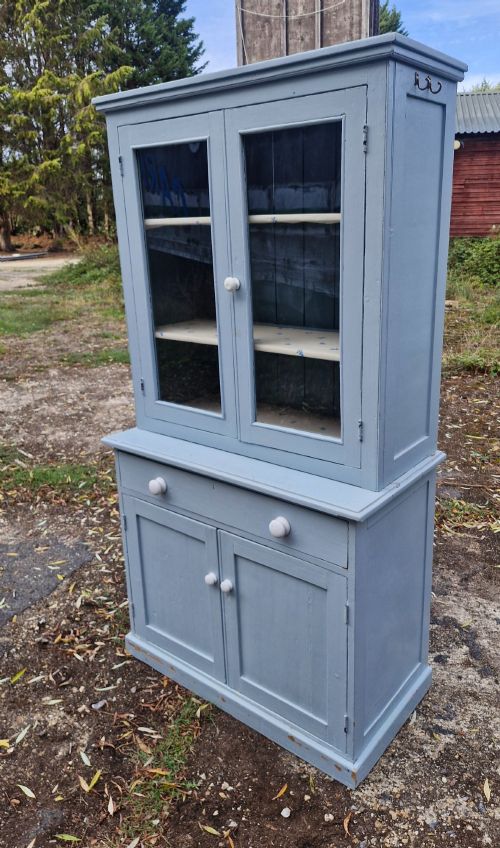
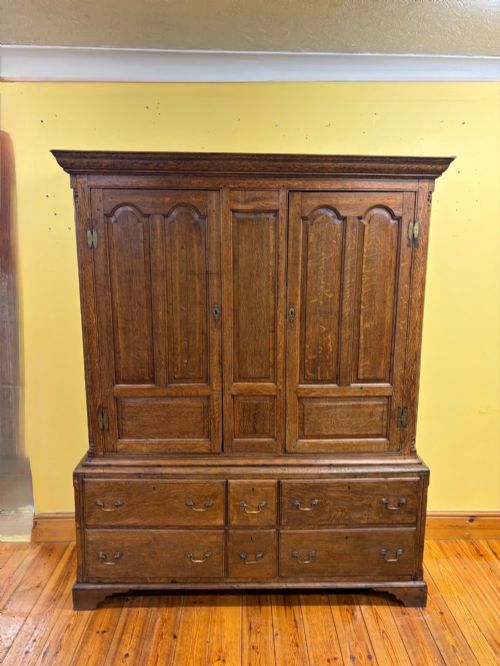
When you search for an antique larder cupboard, you encounter tall storage furniture designed originally for food preservation and kitchen provisions before mechanical refrigeration became common. These pieces appear frequently in pine, alongside variations in oak, elm, and painted finishes.
The selection on this page spans several periods, most notably the Victorian era and the nineteenth century, extending back into Georgian and eighteenth-century examples. Regional vernacular styles such as Welsh, French provincial, and English country influence the proportions and door configurations of these cabinets.
Most examples function as tall single or multi-door storage units, often incorporating internal shelving or banks of drawers. Housekeeper's cupboards and food cupboards share a similar lineage, serving the same domestic purpose of storing dry goods and provisions.
Materials and construction methods
Construction relies heavily on solid timber, with pine being the predominant material found across country and domestic pieces. Cabinetmakers utilised hardwoods such as oak and elm for earlier or more robust vernacular furniture intended for heavy daily use.
Surface treatments range from natural waxed finishes to historical painted schemes, sometimes incorporating applied decoration like carved panels or inlay. Iron and brass hardware, including traditional hinges and latches, secure the heavy panelled or glazed doors common to these kitchen cabinets.
Antique Larder Cupboard Retail Price Guide 2026
Typical asking prices for larder cupboard among the pieces listed under this phrase on Sellingantiques today, from the lower quarter to the upper quarter. They describe what is for sale here now, not the wider market.
Regional styles span English country, Welsh vernacular, and French provincial traditions, encompassing both glazed display cabinets and solid food cupboards.
Evaluating construction and proportion
Quality in these storage pieces rests upon the integrity of the timber selection and the joinery used in the frame and drawers. Superior examples display thoughtful proportions, sound structural depth, and well-fitted doors that hang true without sagging.
The survival of original surface finishes, whether early paint layers or patinated waxed pine, adds significantly to the character of a piece. Finer details such as fielded panels, hand-cut dovetails on internal drawers, and original hardware elevate certain examples above utility-grade workshop furniture.
Hudson Bros
The Antique Larder Cupboard Glossary
- Housekeeper's cupboard
- A large storage cabinet traditionally used in country houses for linens, dry goods, and household provisions. These tall units frequently combine upper shelving with lower banks of drawers.
- Food cupboard
- A utilitarian cabinet designed with ventilation or solid doors to store perishable items before refrigeration. They often feature perforated panels or vented slats to maintain airflow.
- Vernacular furniture
- Domestic pieces made by local craftspeople using regional traditions and readily available native timbers. These items prioritise function and local style over high-fashion court designs.
- Fielded panel
- A raised wooden panel set within a frame, with bevelled edges tapering toward the grooves. This construction method allows the timber to expand and contract safely with changes in humidity.
- Dovetail joint
- A traditional interlocking woodworking joint used in drawer construction to provide high tensile strength. Hand-cut dovetails indicate older manufacturing methods prior to mass production.
Antique Larder Cupboard: Frequently Asked Questions
What is the difference between a larder cupboard and a housekeeper's cupboard?
A larder cupboard was designed specifically for storing food supplies, often featuring deep internal shelving and sometimes ventilation for perishables. A housekeeper's cupboard served a broader domestic purpose, frequently combining space for linens, dry goods, and household accounts.
While both share a tall, capacious form, larder variants tend to focus purely on kitchen provisions. Housekeeper's versions often incorporate wider banks of lower drawers beneath upper cabinet doors.
How do I date an antique larder cupboard?
Dating relies upon examining the timber preparation, tool marks, and construction methods visible inside the cabinet. Hand-sawn boards, pegged joints, and hand-cut dovetails generally point to earlier eighteenth and nineteenth-century origins.
Stylistic cues such as fielded panels, hardware types, and regional vernacular details help narrow the period further. Later nineteenth and early twentieth-century pieces often display more uniform machining and standardised fittings.
Can I use an antique larder cupboard in a modern kitchen?
These cabinets integrate well into contemporary kitchens as standalone pantries for dry goods, crockery, or cookware. Their deep shelves and tall proportions offer substantial capacity that rivals built-in modern cabinetry.
Ensuring the floor is level helps the tall doors hang correctly and close securely. Proper ventilation and placement away from direct heat sources will help preserve the antique timber.
Are painted finishes on these cupboards original?
Painted surfaces on country furniture can range from original historic layers to later decorative applications applied during subsequent decades of use. Examining the paint under close inspection reveals wear patterns, crackle, and underlying timber preparation that hint at its age.
Many listings note whether a piece retains its early paint or has been stripped back to bare pine. Buyers can often choose between pieces with patinated historic paint or those ready for waxing or repainting.