
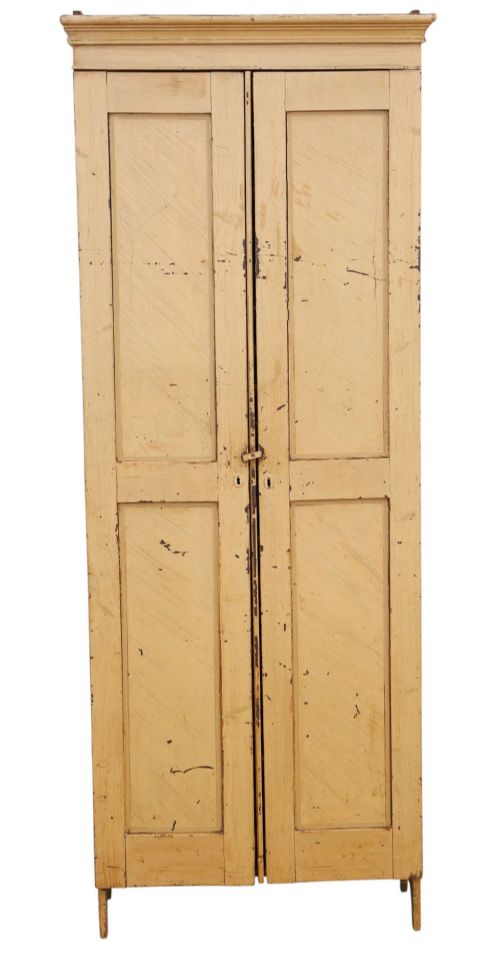
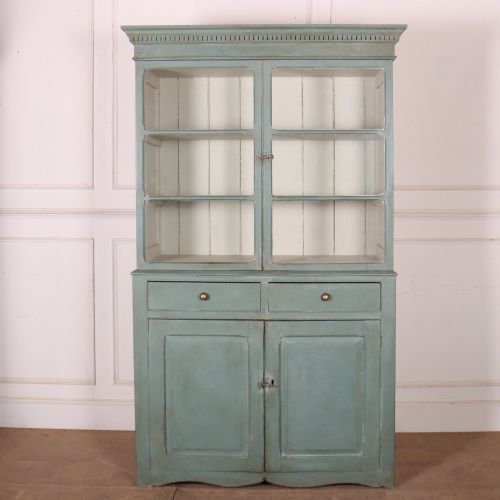
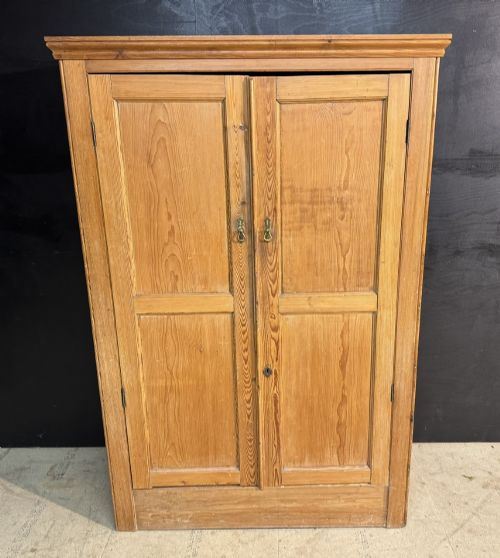
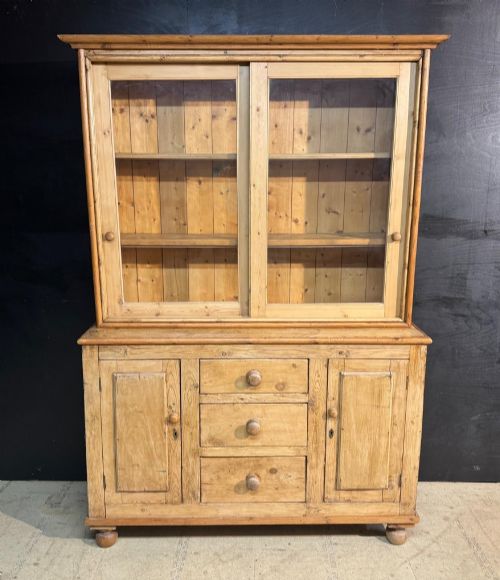
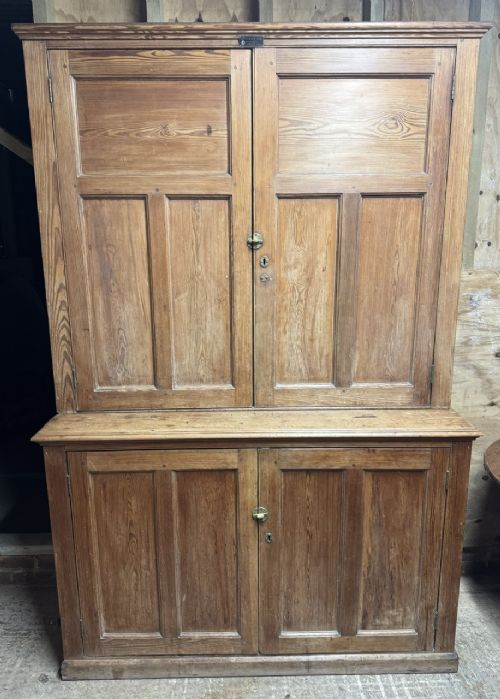
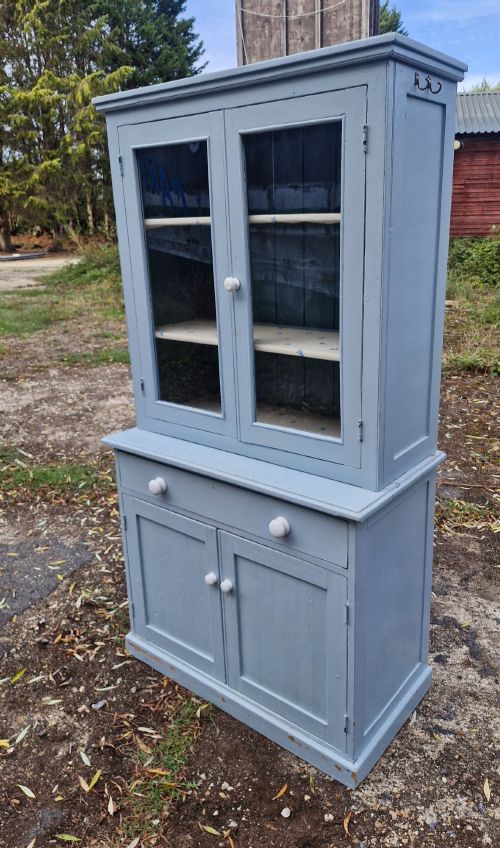
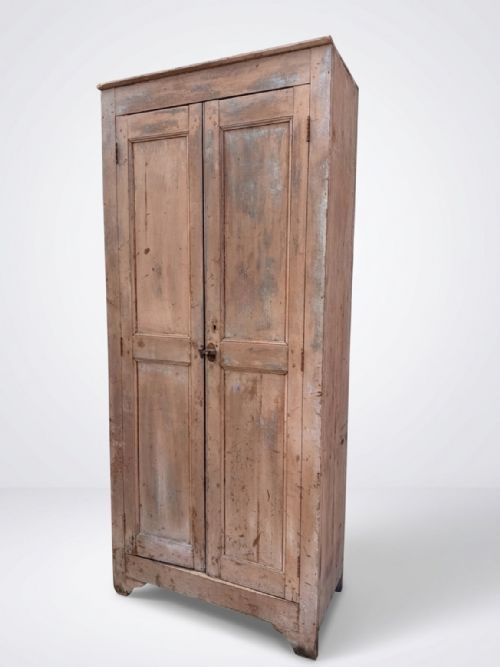
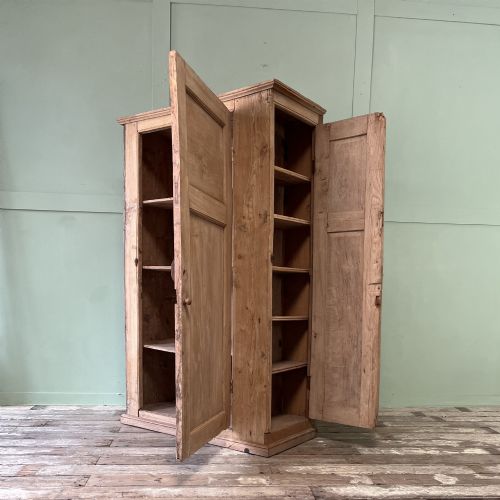
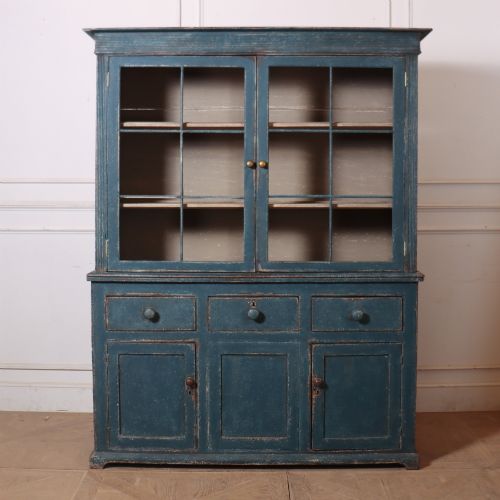
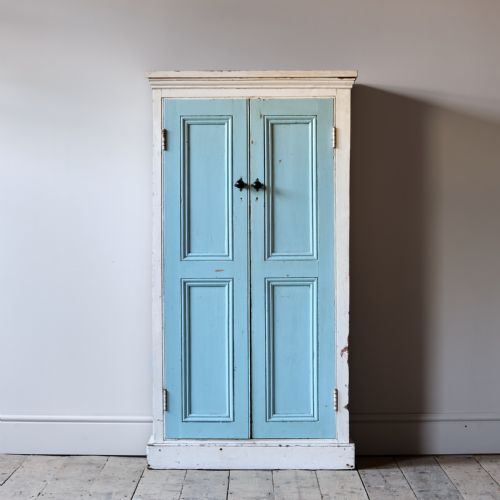
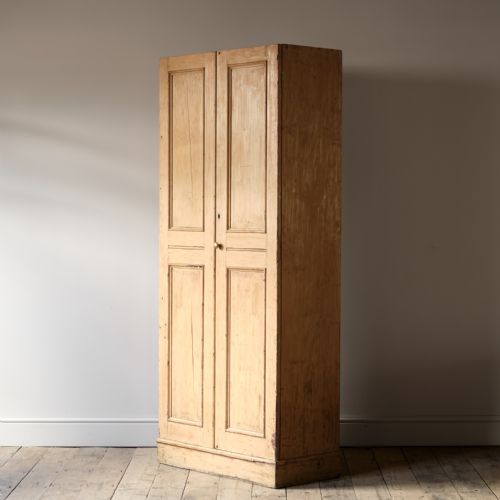
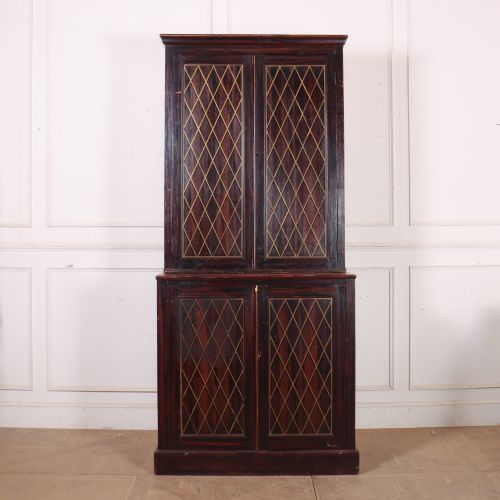
Antique Larder Cabinet
An antique larder cabinet holds provisions, stores dry goods and organises a working kitchen with traditional utility and charm.
Antique Larder Cabinet
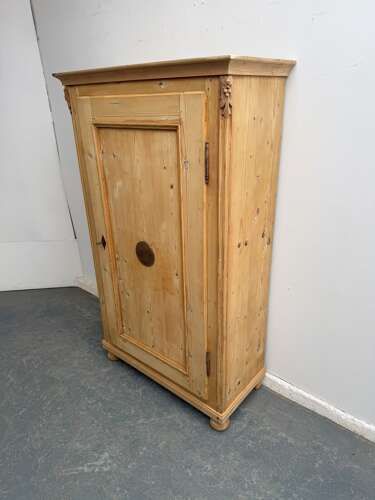
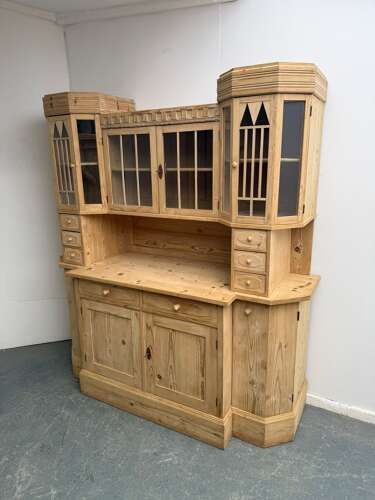
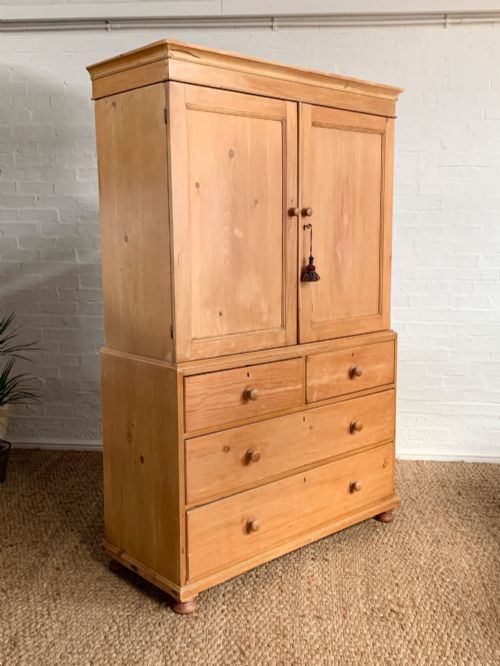
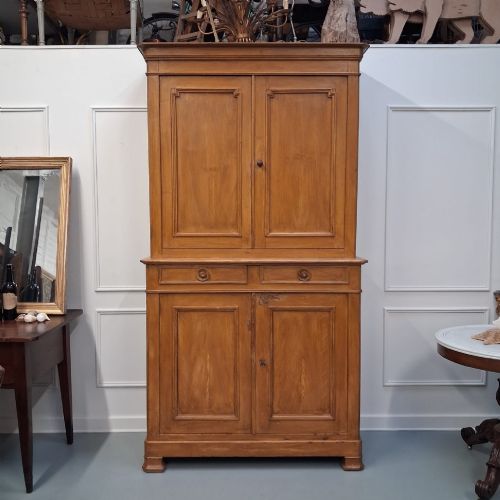
When you search for an antique larder cabinet, you look at utilitarian storage pieces designed to keep provisions cool and pest-free before refrigeration. These items range from housekeepers cupboards and food cupboards to kitchen dressers and storage cabinets.
Pine dominates the selection, often found in Victorian, Georgian, and Edwardian incarnations with painted, waxed, or stripped finishes. Regional variations include English, French provincial, Welsh vernacular, and Scottish styles adapted to local domestic needs.
How they were made
Joiners constructed these cabinets primarily in solid pine, oak, elm, and walnut, utilising sturdy pegged joints and panelled doors to withstand heavy daily use. Iron and brass hardware, including strap hinges and latches, secure the doors.
Many examples feature vented panels or wire mesh inserts designed to circulate air around perishable foodstuffs. Surfaces frequently carry layers of historic paint, ranging from cream and pale tones to darker traditional pigments.
Some historical kitchen cabinets retain the faint aroma of stored spices and herbs after more than a century.
What varies in quality
Construction methods and timber selection divide standard utility pieces from finer examples. Thick, well-figured boards and original hardware elevate a cabinet, while replacement panels or heavily altered interiors lower the standing of a piece.
The integrity of surface finishes matters greatly, with undisturbed original paint or honest, patinated waxed pine holding more character than over-restored or stripped surfaces.
Hudson Bros
The Antique Larder Cabinet Glossary
- Housekeepers cupboard
- A large storage piece traditionally used for linens, dry goods, and domestic equipment in a large household.
- Food cupboard
- A ventilated cabinet designed for storing provisions and perishable items in kitchens before the advent of domestic refrigeration.
- Fielded panel
- A wooden panel with bevelled edges that fits into a grooved frame, allowing the wood to expand and contract with humidity changes.
- Vernacular
- Objects built by local craftsmen using regional traditions and available native timbers rather than following strict classical design rules.
Antique Larder Cabinet: Frequently Asked Questions
What is an antique larder cabinet?
An antique larder cabinet is a tall storage unit built to hold food, dry goods, and kitchen utensils before modern refrigeration existed. These pieces often include shelves, drawers, and ventilated doors.
Craftsmen built them from timbers like pine, oak, and elm, adapting their designs for functional domestic storage in country houses and farmhouses.
How were larder cabinets ventilated?
Cabinets utilised perforated zinc, wire mesh panels, or slatted wooden louvres built into the doors to allow air circulation. This airflow kept dry goods and perishables fresh by reducing moisture buildup inside the enclosed space.
These functional apertures remain key indicators of a piece designed specifically for food storage rather than general linen or book keeping.
Where should I place an antique larder cabinet?
These tall cabinets suit modern kitchens, pantries, or dining rooms as substantial storage solutions for dry goods, crockery, or glassware. Their generous interior depth accommodates shelves and baskets easily.
Positioning them away from direct heat sources protects the historic timber and maintains the stability of the painted or waxed finish.
How do I care for waxed pine?
Waxed pine benefits from occasional applications of natural beeswax to nourish the wood and maintain a soft lustre. Avoid using silicone sprays or harsh chemical cleaners that can degrade the historic surface patina.
Keeping the cabinet in a room with stable humidity prevents the timber from splitting or warping over time.