





Antique Lambing Chair
An antique lambing chair is a hooded vernacular seat designed to shield against draughts, prized for its high back and solid timber construction.
Antique Lambing Chair
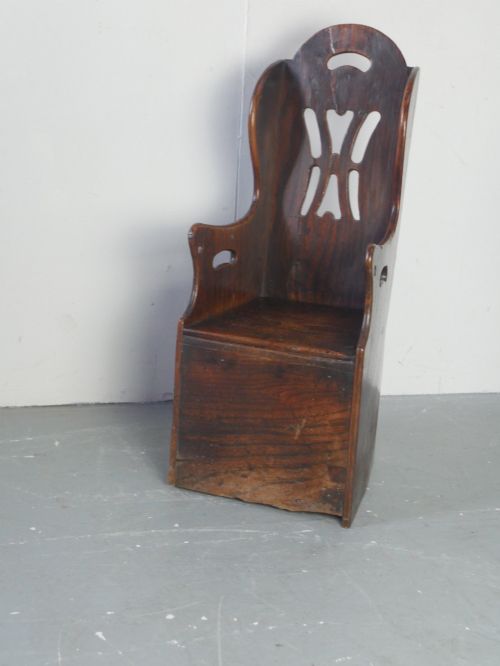
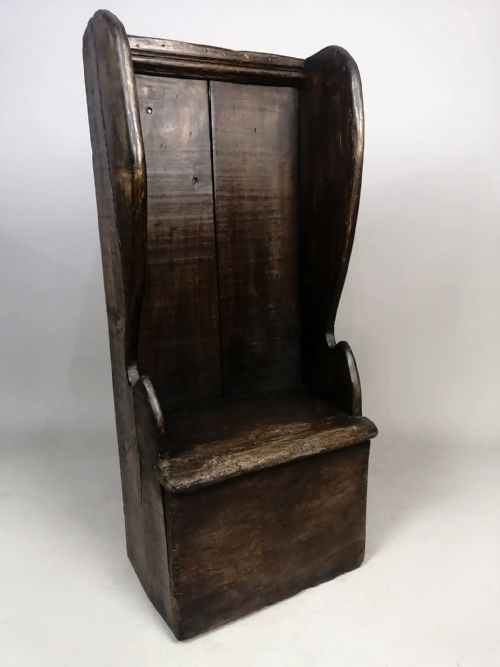
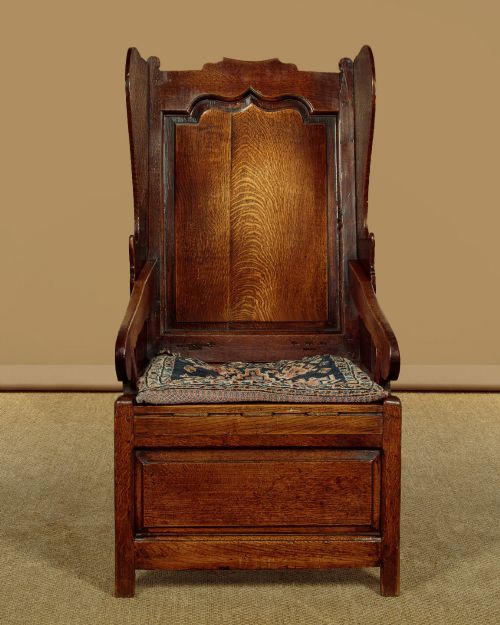
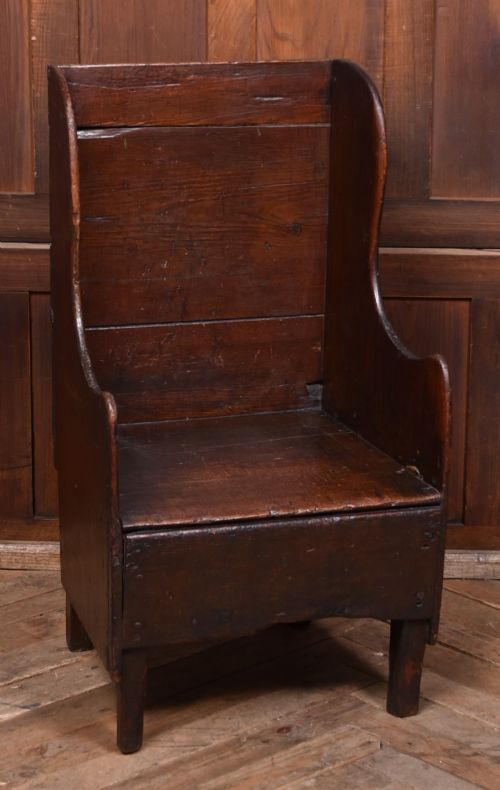
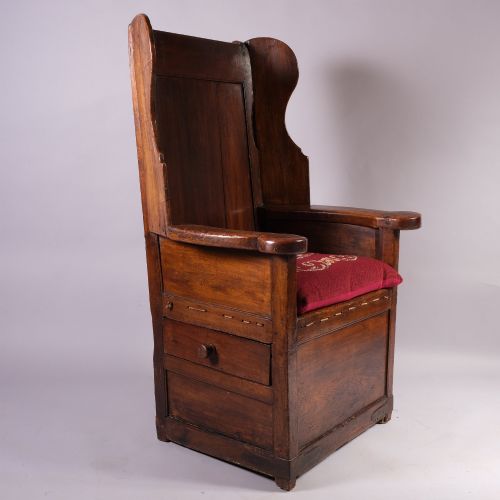
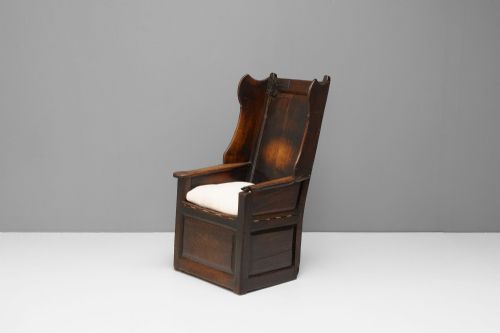
The search for an antique lambing chair brings up sturdy vernacular seating designed for domestic warmth and protection against cold cottage draughts. These seats typically feature high panelled backs, enveloping wings, and enclosed lower storage or solid sides.
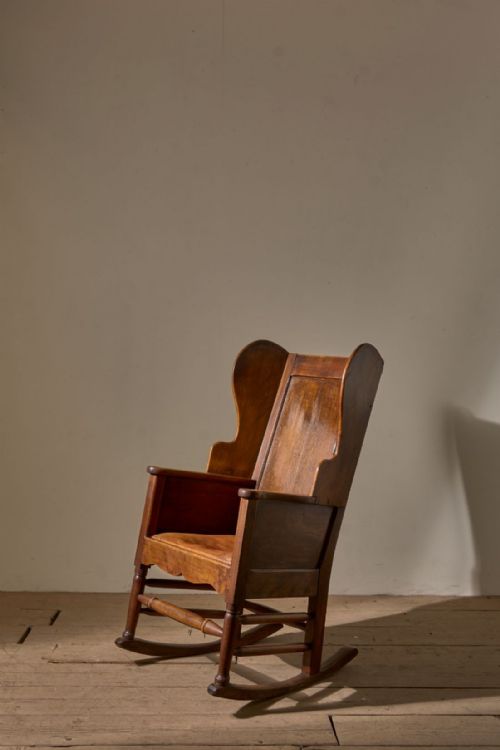
Most examples found on this page hail from the seventeenth, eighteenth, and nineteenth centuries, spanning English, Welsh, Scottish, Dutch, and regional country workshops. Forms range from full-sized adult armchairs to smaller child variants, rocker iterations, and combinations incorporating table elements.
Regional variations dominate the selection, with oak, elm, and pine pieces emerging from localities such as Yorkshire and Wales. Their appeal lies in honest vernacular construction, combining domestic utility with sculptural hooded profiles.
Materials and Construction
Makers utilised native hardwoods like oak, elm, fruitwood, and ash, frequently complemented by secondary pine panels or rope seating foundations. These timbers were selected for local availability and structural resilience under heavy daily use.
Construction methods rely on traditional pegged joinery, panel framing, and solid board assembly rather than complex cabinet-making techniques. Surfaces often display original paint, wax finishes, or the deep patination accumulated through centuries of domestic life.
Antique Lambing Chair Retail Price Guide 2026
Typical asking prices for lambing chair among the pieces listed under this phrase on Sellingantiques today, from the lower quarter to the upper quarter. They describe what is for sale here now, not the wider market.
Some miniature child variants come complete with functional rocking runners for tiny occupants.
Factors Separating Examples
Quality rests primarily on the integrity of the original timber, the survival of early or untouched surfaces, and the purity of regional proportions. Examples retaining original hoods, intact panel work, and authentic feet command greater interest than heavily restored pieces.
The presence of historic modifications, replaced boards, or structural timber fatigue alters the standing of an individual piece. Proportion and scale also dictate quality, particularly where vernacular makers balanced deep hooded protection with comfortable seating posture.
Lamb Of Manchester·Charles Bevan
The Antique Lambing Chair Glossary
- Hooded
- A high back featuring enclosed sides or a canopy designed to deflect cold air away from the occupant.
- Vernacular
- Objects made by local craftspeople for practical domestic or agricultural use rather than high-style urban workshops.
- Fruitwood
- Dense timber gathered from fruit-bearing trees such as pear or apple, utilised for smaller turned or panelled components.
- Wainscot
- Panel construction traditionally employed in early woodwork to form solid walls, backs, and seats.
Antique Lambing Chair: Frequently Asked Questions
What was a lambing chair used for?
These seats were originally utilised in farmhouses and cottages during the winter months to protect shepherds or elderly household members from severe draughts. The enclosed wings and high panelled backs trapped body heat from hearth fires.
Over time, they served as principal seats of authority by the fireside, occasionally incorporating under-seat compartments to store nursing supplies or warming pans.
How do I date an antique lambing chair?
Dating relies upon analysing the joinery techniques, timber selection, and overall vernacular style. Seventeenth and early eighteenth-century examples display pegged frame-and-panel construction with heavy oak or elm boards.
Later nineteenth-century pieces often incorporate machine-sawn elements, lighter pine, or differing regional turnings. Surface patination and tool marks provide further clues to age.
Are all lambing chairs made of oak?
While oak remains the most frequently encountered timber, many regional examples utilise elm, ash, fruitwood, or painted pine. Welsh and Yorkshire workshops frequently employed local elm or ash for its tough, resilient qualities.
Secondary woods like pine were often selected for painted vernacular pieces, particularly in nineteenth-century country workshops.
How do I fit a lambing chair into a modern home?
Their strong sculptural silhouettes make them effective statement pieces in hallways, living rooms, or large studies. Pairing them with minimal modern surrounds allows the historic timber grain and hooded profile to stand out.
Due to their deep enclosed proportions, they function well as secluded reading chairs when placed away from direct walkways.