






Antique Lalique Glassware
Antique lalique glassware brings extraordinary tactile presence to a room through sculpted relief and shifting optical light.
Antique Lalique Glassware
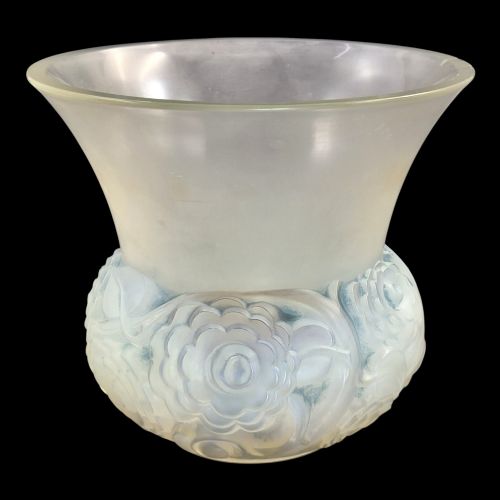
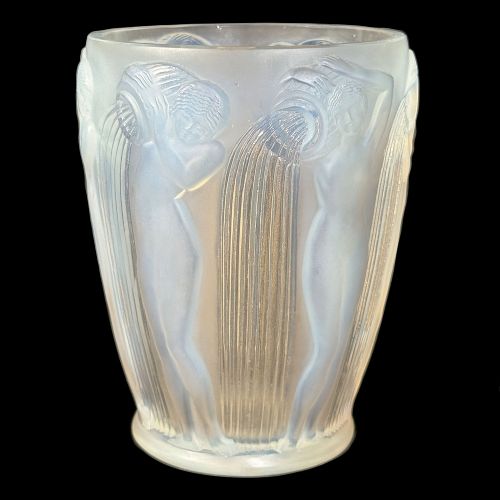
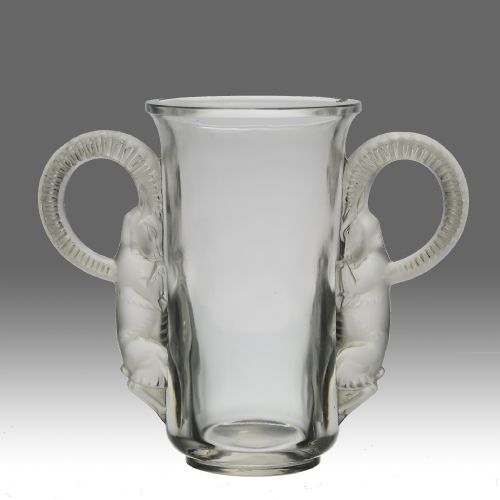
When you search for antique lalique glassware, you encounter three-dimensional objects shaped by early twentieth-century design movements. The selection centres heavily on items produced during the 1910s, 1920s, and 1930s.
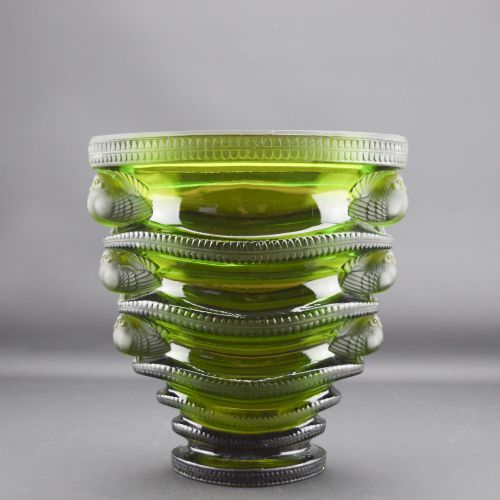
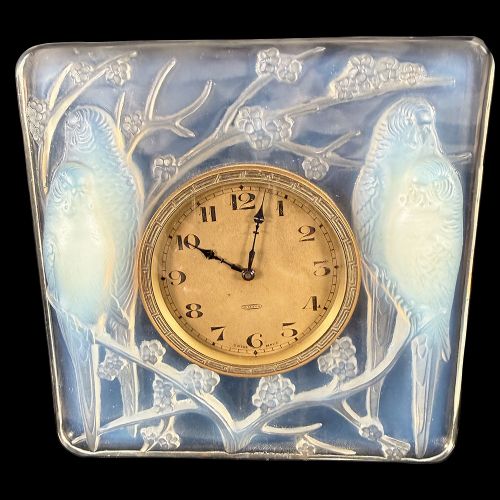
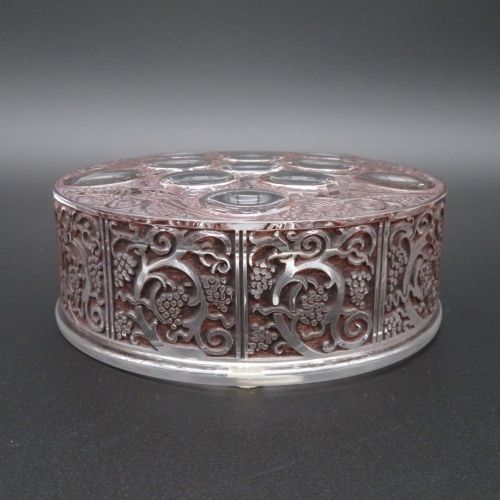
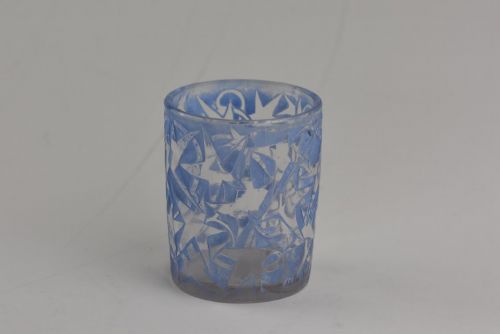
Vases, decorative bowls, and decorative plates dominate the forms you meet on this page. Collectors also find specialised items such as clocks, powder boxes, perfume bottles, decanters, shot glasses, and cigarette holders.
Art Deco and Art Nouveau aesthetics govern the output, translating natural motifs like birds, fish, and floral arrangements into solid glass forms.
Materials and Techniques
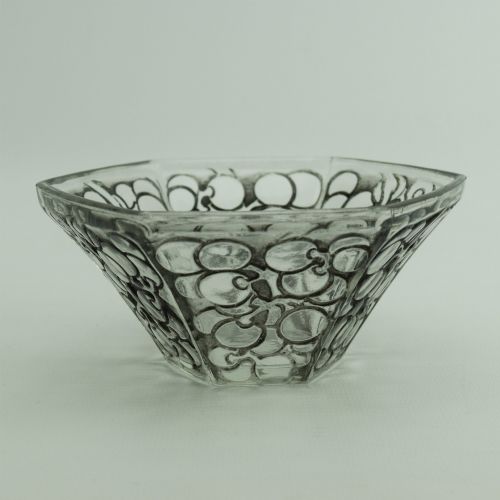
Makers utilised clear glass, frosted glass, moulded glass, and pressed glass to achieve varying levels of opacity and texture. Crystal and metal also appear in specific compositions.
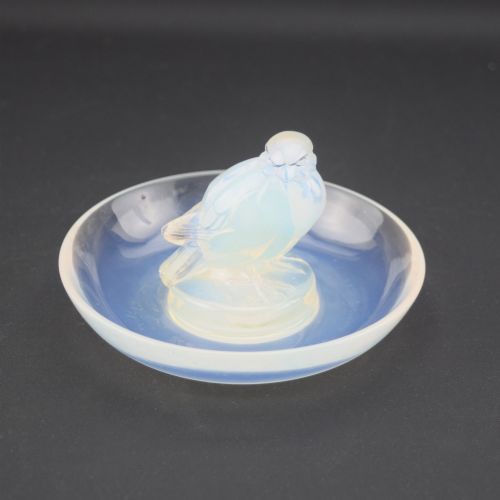
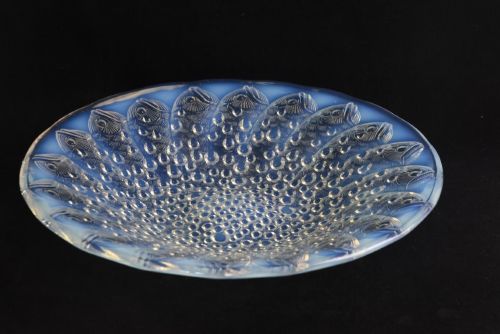
Opalescent glass creates a characteristic milky blue or yellow glow when light strikes the surface from different angles. Blue, sepia, and olive green staining isolates relief details against frosted backgrounds.
Antique Lalique Glassware Retail Price Guide 2026
Typical asking prices for lalique glassware among the pieces listed under this phrase on Sellingantiques today, from the lower quarter to the upper quarter. They describe what is for sale here now, not the wider market.
Birds, fish, water carriers, and crawling insects populate these glass surfaces, turning everyday bowls and perfume bottles into miniature menageries.
Distinctions in Quality
The definition and depth of the moulded relief separate standard decorative vessels from exceptional sculptural works. Crisp lines in intricate flora and fauna indicate superior execution.
The successful play of opalescence and the effective application of coloured stains determine visual success. Pieces where the internal light dispersion animates the design command greater attention.
Rene Lalique·R Lalique·René Lalique
The Antique Lalique Glassware Glossary
- Opalescent glass
- Glass containing agents that cause it to appear milky white with blue or amber highlights under changing light. This optical property defines many iconic twentieth-century vessels.
- Frosted glass
- Glass treated to achieve a textured, matte surface rather than a transparent finish. This technique highlights relief details against recessed areas.
- Moulded glass
- Glass formed by pressing molten material into a prepared matrix to create raised patterns. It allows for repeatable sculptural forms.
- Staining
- The application of pigment into the recessed areas of a glass object to accentuate design contours. Sepia and blue tones frequently highlight floral or animal motifs.
Antique Lalique Glassware: Frequently Asked Questions
How do I clean antique lalique glassware?
Wash pieces gently in warm, soapy water using a soft cloth to protect delicate frosted surfaces and coloured staining. Avoid harsh scrubbing or ultrasonic cleaners that might damage the outer layer.
Dry each item thoroughly with a lint-free towel to prevent water spots from settling on textured or opalescent areas.
Where were these glass pieces made?
These works originate from French glassworks operating during the early twentieth century. Production concentrated around periods encompassing Art Nouveau and Art Deco design.
Master craftsmen utilised specialised moulding techniques within these workshops to produce decorative vessels and tableware.
How do I display opalescent glass?
Place objects near natural light sources or dedicated display lighting to activate the shifting blue and amber tones within the glass. Directional illumination accentuates the milky quality of opalescence.
Position items away from crowded shelves so the sculptural relief remains fully visible from multiple viewing angles.
What is the difference between bowls and coupes?
Bowls generally feature deeper, enclosed wells suited for holding items or standalone display. Coupes typically present broader, open profiles with shallow depths.
Both forms utilise moulded floral and animal motifs across their surfaces during the nineteen-twenties and thirties.