



Antique Ladies Box
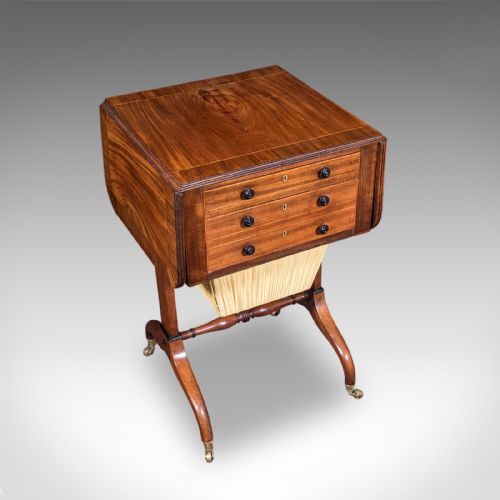
When you encounter an antique ladies box, you hold a personal repository designed for sewing, correspondence, or cosmetics.
Antique Ladies Box
The term antique ladies box covers a diverse group of personal containers originating from the Georgian, Victorian, Regency, and Art Deco eras.
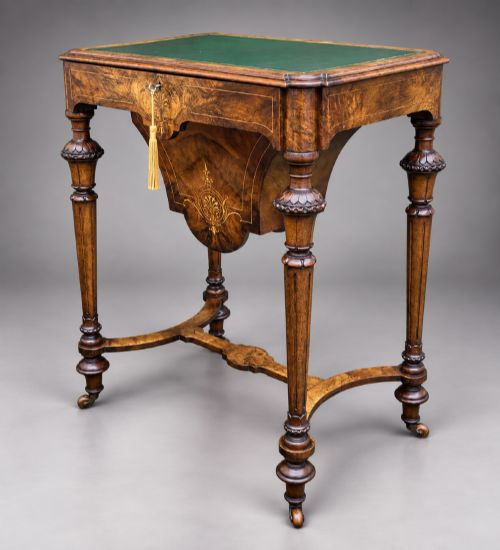
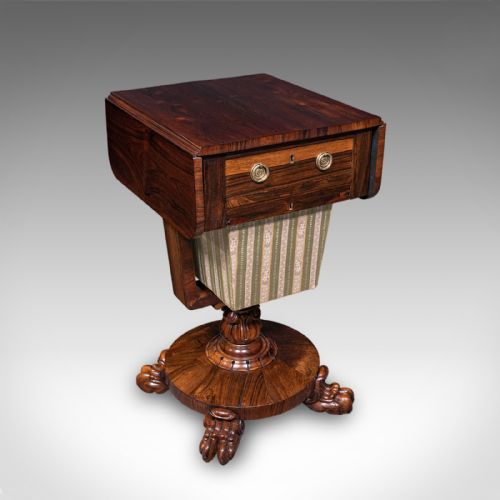
Buyers frequently encounter freestanding work tables alongside smaller tabletop caskets, writing slopes, and travel vanity cases.
Materials range from burr walnut and rosewood to tortoiseshell, ceramic, and chrome, reflecting domestic and personal rituals across centuries.
Materials and construction methods
Cabinetmakers utilised dense decorative timbers such as burr walnut, mahogany, and rosewood, often applying marquetry, Tunbridge ware inlay, or brass banding.
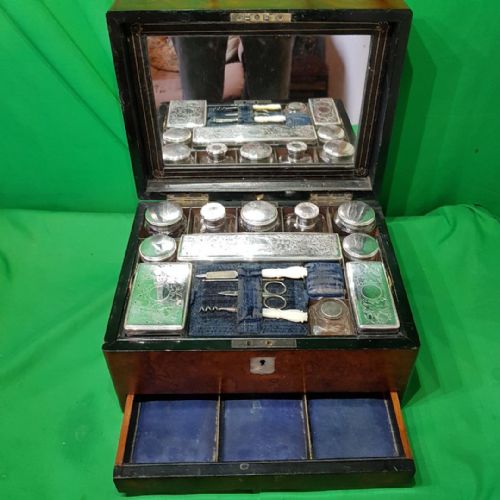
Smaller portable items incorporate tortoiseshell, mother-of-pearl, and moulded ceramic, while travelling cases feature fitted internal compartments lined with velvet.
The selection spans Georgian mahogany sewing chests, Victorian burr walnut vanity cases, and 1930s French ceramic powder bowls.
Factors of quality and execution
Superior pieces display precise cabinetwork, seamless timber matching, and well-fitted internal trays rather than purely surface decoration.
The integrity of original brass hardware, working locks with keys, and intact fabric linings distinguish high-grade examples from lesser domestic containers.
Waring & Gillow·Richard Hudnut
The Antique Ladies Box Glossary
- Marquetry
- Decorative veneer patterns formed by fitting together small pieces of wood, shell, or ivory. This technique creates elaborate floral or geometric designs on box lids and table tops.
- Tunbridge Ware
- Woodworking specialty involving small mosaic tiles created by gluing together multi-coloured wood blocks. Slices are then applied to form pictorial scenes.
- Work Table
- Multipurpose furniture piece containing a storage bag or compartment beneath the top. These items served ladies engaged in sewing, knitting, and needlework.
- Writing Slope
- Portable desk featuring a slanted hinged lid that opens to reveal a writing surface. Compartments inside store inkwells, pens, and stationery.
- Treen
- Small handmade wooden objects produced by turning on a lathe or carving by hand. Common examples include snuff boxes and small decorative containers.
Antique Ladies Box: Frequently Asked Questions
What is the difference between a work table and a sewing box?
A work table is a freestanding item of furniture incorporating legs and often an underslung fabric bag for materials. A sewing box is a portable tabletop container designed to be carried and stored on a chest or desk.
Both types share fitted internal trays and compartments intended to keep needles, threads, and small implements organised.
How were Victorian travelling vanity boxes used?
Travelling vanity boxes served affluent owners on journeys by housing glass scent bottles, silver-plated jars, and grooming tools. They provided a portable dressing station complete with secure locks for valuables.
Many examples feature secret drawers accessed by releasing hidden spring catches within the wooden framework.
How do I care for antique wood and tortoiseshell boxes?
Keep these items away from direct sunlight and dramatic humidity changes to prevent timber from splitting and veneers from lifting. Apply occasional microcrystalline wax to nourish finished wood surfaces without building up heavy residues.
Avoid using liquid polishes or harsh chemical cleaners on fragile materials like tortoiseshell or inlaid mother-of-pearl.
Are Art Deco powder boxes considered ladies boxes?
Art Deco powder boxes and compacts function as direct twentieth-century descendants of earlier vanity vessels. These ceramic, glass, and metal pieces held cosmetics for modern dressing rituals.
They represent the shift from large wooden travel caskets to pocket-sized and tabletop accessories designed by firms like Limoges.