


Antique Lacquerware Table
These antique lacquerware table pieces bring varied international craftsmanship into a room through rich red lacquer, gold leaf, and hand-painted surfaces.
Antique Lacquerware Table
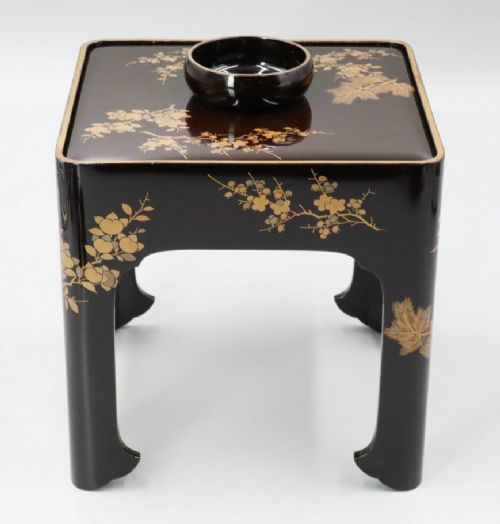
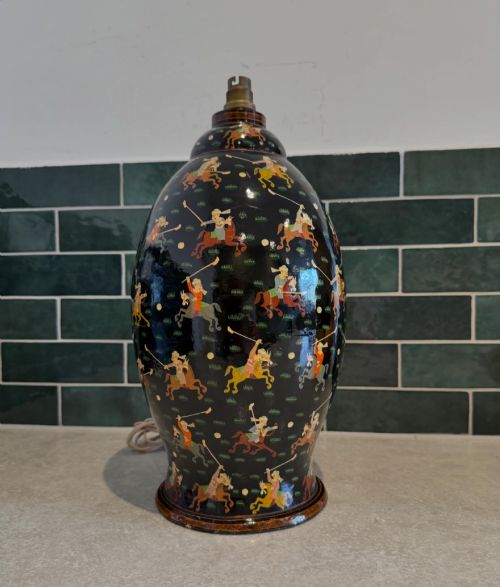
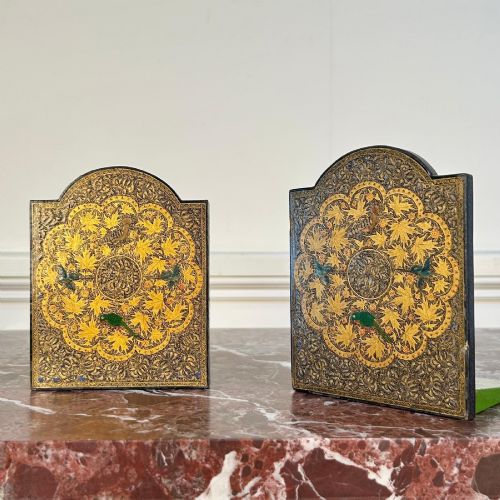
An antique lacquerware table encompasses various forms originating from Chinese Export workshops, Japanese Meiji and Taisho periods, Burma, and Kashmir. The selection frequently includes side tables, demi-lune tables, and lower sake tables alongside related items like table lamps and cabinets.
The pieces span the nineteenth and early twentieth centuries, including Victorian periods, 1860, and decades up to 1930. Buyers encounter diverse regional styles such as Anglo-Indian, Anglo-Burmese, and Kashmiri hand-painted works.
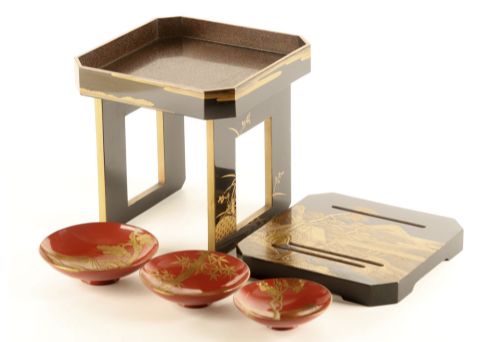
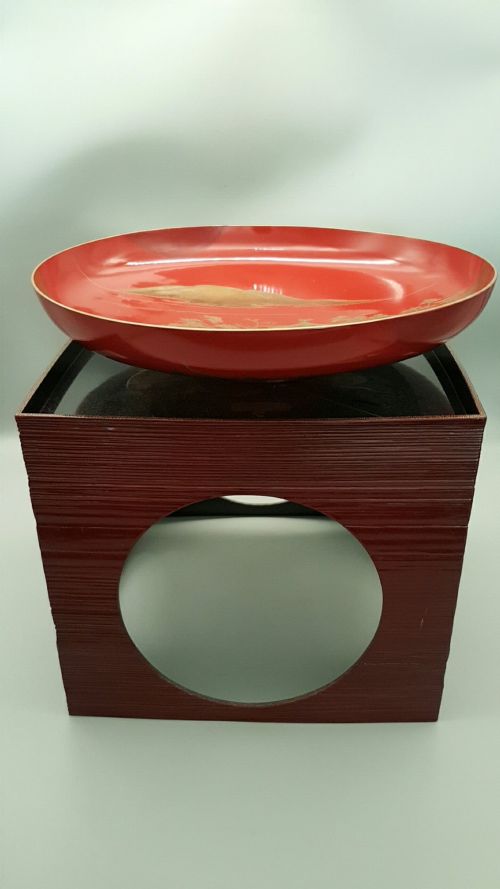
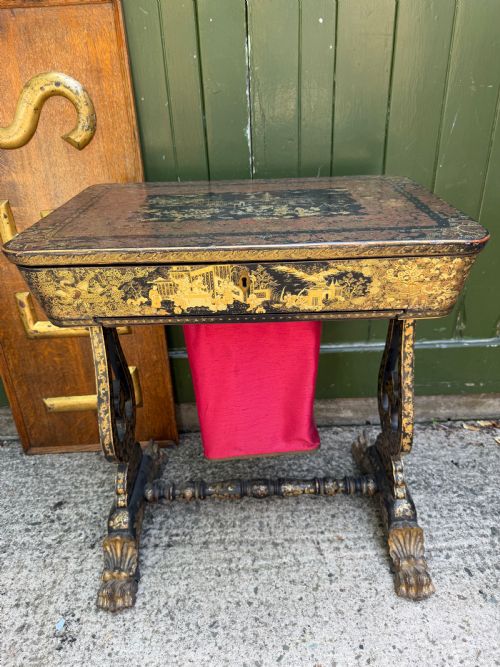
Chinese Export examples often feature gilded decoration on work-tables or table cabinets, while Japanese items frequently present intricate sake tables and cup sets. Burmese and Indian red lacquer tables provide alternative forms within the material.
What varies in quality
The depth and consistency of the lacquer layers establish the foundational standard of each piece. Superior examples display smooth, resilient surfaces that have retained their structural integrity across centuries.
The execution of hand-painted and gilded decoration dictates the visual distinction between standard and exceptional works. Finer items exhibit precise brushwork and well-preserved gold leaf details without excessive rubbing.
Listings span the nineteenth and early twentieth centuries, featuring origins from China, Japan, Burma, and Kashmir.
The Antique Lacquerware Table Glossary
- Lacquerware
- Objects coated with natural tree resin varnish that hardens into a durable, glossy protective finish. This technique requires meticulous application and drying over numerous coats.
- Chinese Export
- Items manufactured in China specifically for Western markets during the nineteenth century. These pieces often combine traditional Eastern motifs with European furniture forms.
- Meiji Period
- The era of Japanese history lasting from 1868 to 1912, noted for skilled metalwork, lacquer, and ceramics produced for export. Pieces from this time show high technical refinement.
- Demi-lune
- A half-moon shaped furniture design often used for console or side tables placed against walls. These tables frequently appear in pairs in nineteenth-century red lacquer.
- Papier-mache
- A composite material consisting of paper pieces or pulp reinforced with glue or resin, used as a lightweight base for lacquer work in certain regional traditions.
Antique Lacquerware Table: Frequently Asked Questions
How do I clean an antique lacquer table?
Dust gently with a soft, dry microfibre cloth to protect the delicate surface layers.
Avoid chemical polishes, modern detergents, or excessive moisture which can damage the historic lacquer and gold leaf decoration.
Are lacquer tables sturdy enough for daily use?
Many smaller tables and side surfaces function well for holding light decorative items or cups.
Heavier loads or placing them in direct sunlight can compromise the historical wooden bases and sensitive lacquer finishes over time.
What is Chinese Export lacquer?
These are decorative items produced in Chinese workshops during the 19th century specifically for European and American buyers.
They frequently feature distinctive gilded black or red lacquer scenes depicting traditional landscapes and figures.
How do I identify a Kashmiri lacquered table?
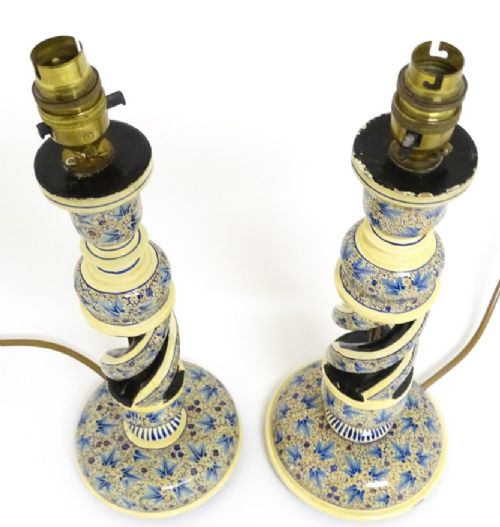
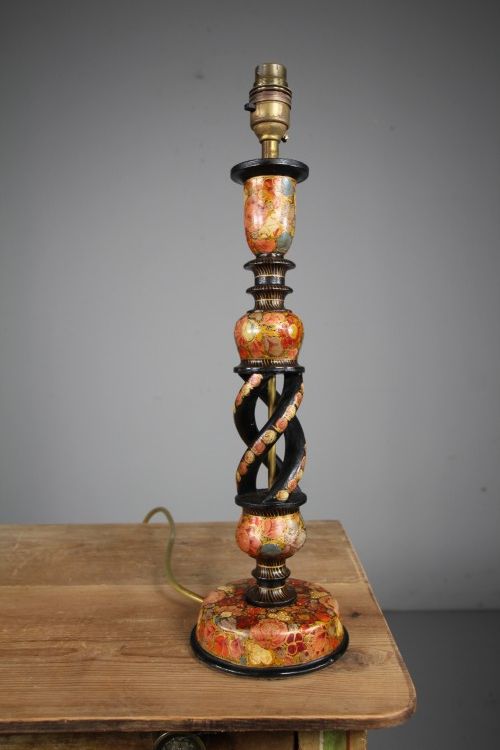
Kashmiri pieces are typically characterised by vibrant hand-painted floral or pictorial motifs across wooden or papier-mache surfaces.
They often date from the late 19th or early 20th century and may include matching lamps or smaller accessories.