


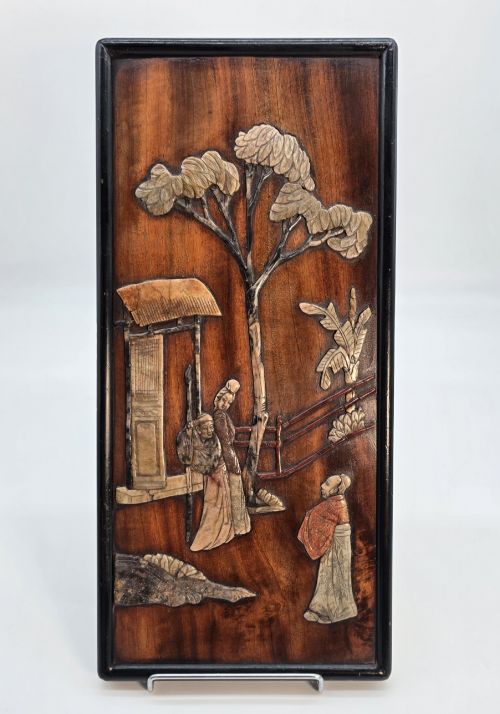


Antique Lacquered Frame
An antique lacquered frame brings surface depth and bold pattern to a room, turning a simple mirror or portrait into a striking focal point.
Antique Lacquered Frame
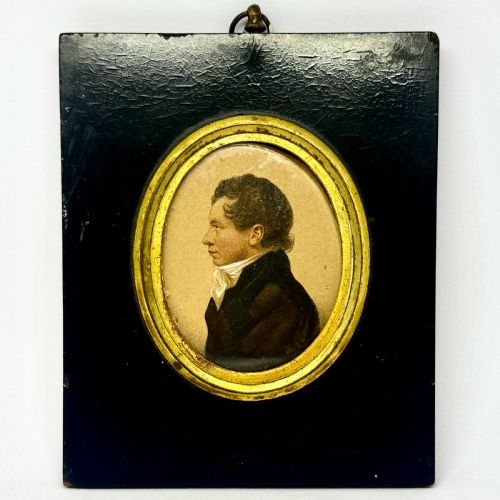
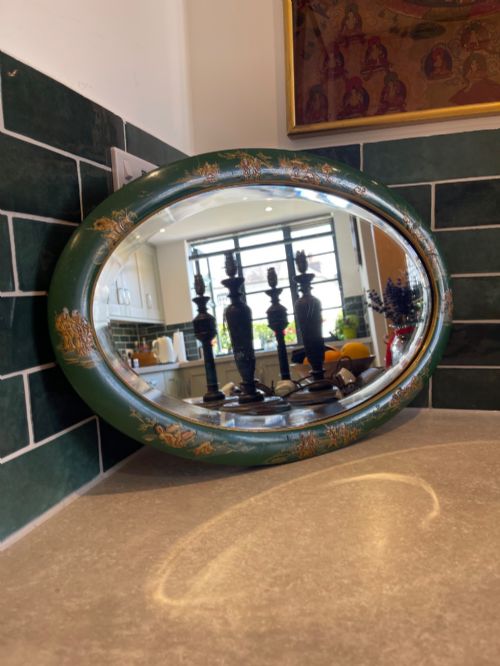
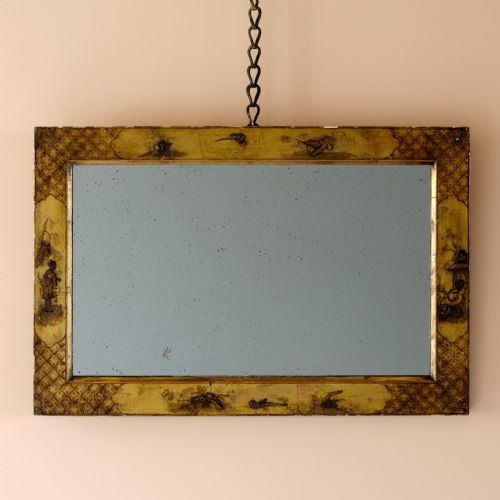
When searching for an antique lacquered frame, buyers encounter a diverse selection of decorative items ranging from wall mirrors and pier mirrors to portrait miniatures and framed panels. These pieces span multiple periods including the Regency era, Victorian times, the Edwardian period, and the early twentieth century.
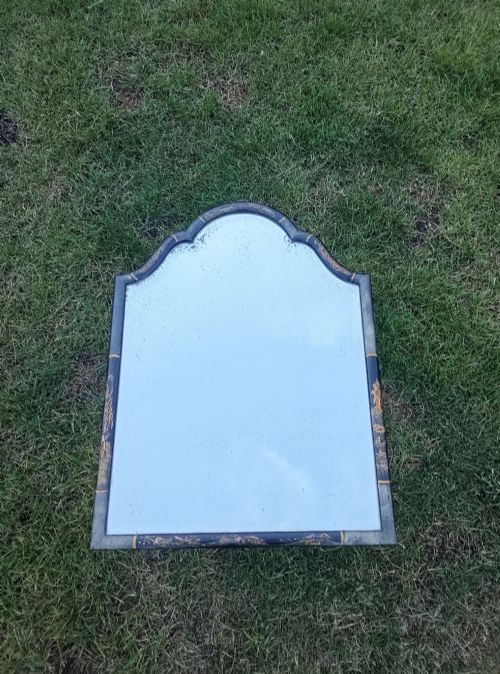
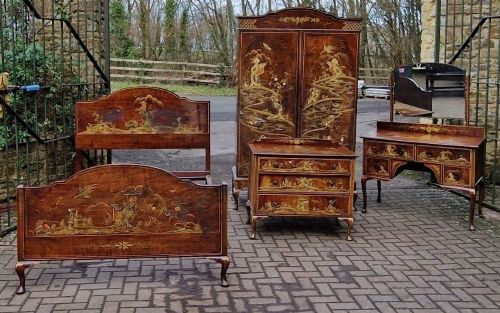
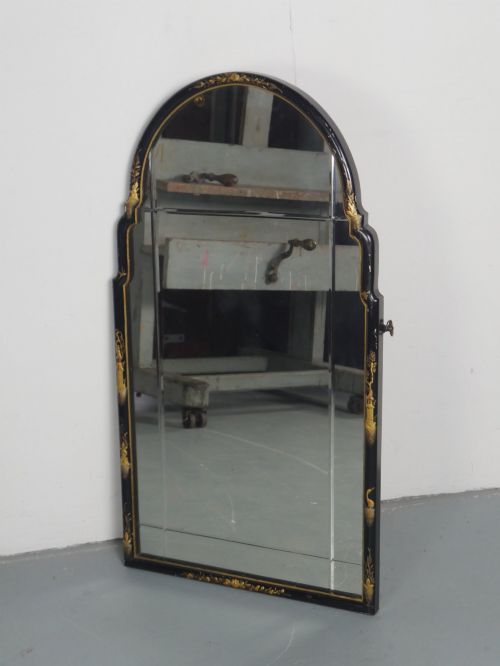
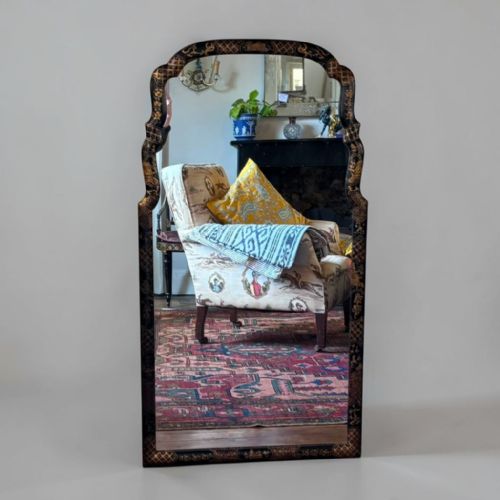
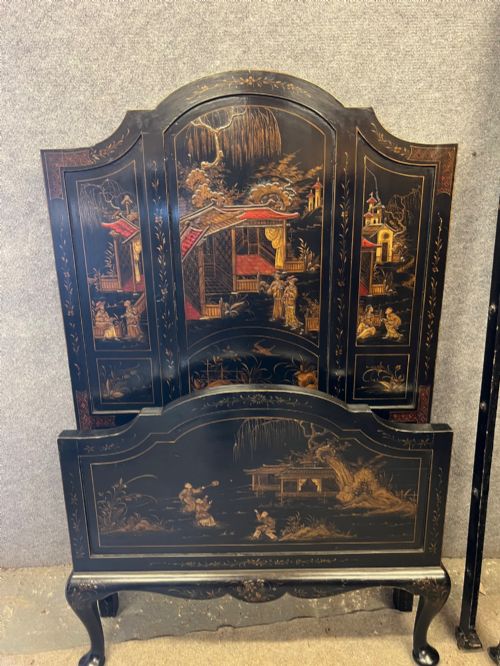
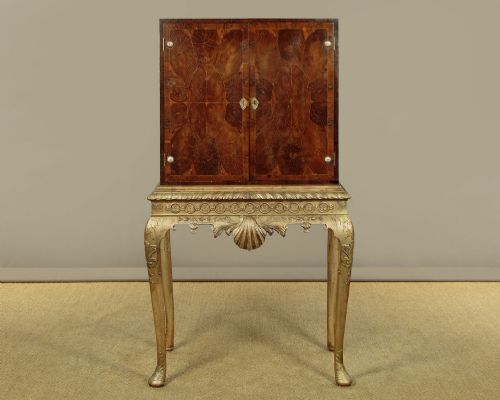
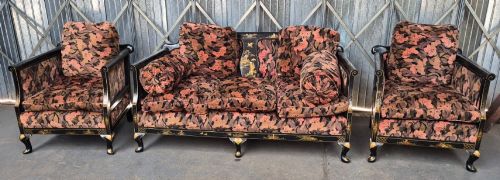
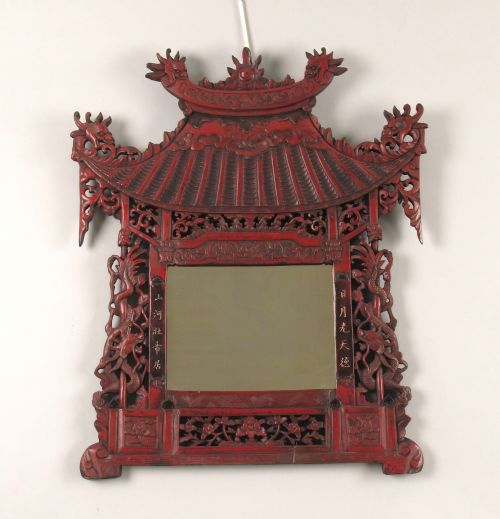
The most common items found on this page are wall mirrors finished in Chinoiserie styles, featuring black or red lacquer backgrounds adorned with gilt details. Alongside these mirrors, the selection includes cabinets on stands, bedroom suites, and beds decorated with traditional lacquer work.
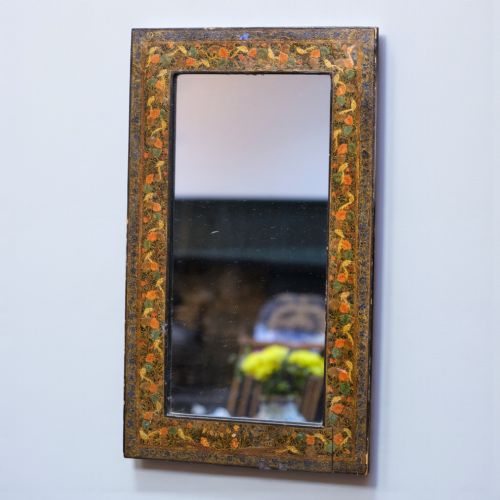
Origins vary widely across the inventory, incorporating English interpretations of Asian designs alongside pieces showing Kashmiri, Japanese, and Chinese influences. Whether selecting a small oval mirror or a large overmantel, each item displays the distinct lustrous finish characteristic of aged lacquer.
How they were made
Makers built these pieces using wood, ebonised wood, and papier-mache as a foundational base before applying successive layers of lacquer. Artisans then integrated glass, mirror glass, and brass components to complete the functional design of mirrors and cabinets.
Decoration relied heavily on gold leaf and gilt applications to create intricate Chinoiserie motifs against dark or red lacquered surfaces. Skilled craftspeople also utilised painted techniques to depict traditional scenes, figurative studies, and floral patterns across panels and frames.
Antique Lacquered Frame Retail Price Guide 2026
Typical asking prices for lacquered frame among the pieces listed under this phrase on Sellingantiques today, from the lower quarter to the upper quarter. They describe what is for sale here now, not the wider market.
The inventory spans the Regency, Victorian, and Edwardian periods alongside early twentieth-century examples.
What varies in quality
The distinction between standard and superior pieces rests on the depth of the lacquer finish and the complexity of the hand-applied ornamentation. Finer examples exhibit meticulous layering and precise gilt work that retains its lustre and detail over generations.
Structural integrity and the preservation of original materials also define the hierarchy of these items. Pieces retaining their original bevelled glass, untouched painted surfaces, and period hardware command greater appreciation among collectors.
Howard And Sons·Iida Takashimaya Company
The Antique Lacquered Frame Glossary
- Chinoiserie
- European decorative style reflecting Chinese and East Asian artistic traditions. It appears frequently on furniture and mirrors through painted motifs and lacquered surfaces.
- Japanned
- European imitation of Japanese and Chinese lacquerwork achieved through varnishing and painting. This technique creates a glossy, hard finish on wooden frames and furniture.
- Ebonised
- Wood treated to imitate ebony through staining or painting. It provides a dark, matte or polished contrast to gilt decorations on Victorian and Edwardian pieces.
- Gilt
- Application of gold leaf or gold paint to a surface. It highlights carved details and pictorial scenes on frames and cabinets.
- Overmantel
- A large mirror designed to hang above a fireplace mantel. These frames often feature elaborate shapes and extensive lacquer decoration.
Antique Lacquered Frame: Frequently Asked Questions
How do I clean an antique lacquered frame?
Dust the surface gently with a soft, dry microfibre cloth to remove loose particles without scratching the finish. Avoid using water, chemical sprays, or abrasive polishes that can permanently damage aged lacquer.
For stubborn grime, consult a professional conservator rather than attempting wet cleaning at home. Preserving the original surface sheen requires maintaining a stable indoor environment away from direct sunlight.
Are these mirrors original to their periods?
Many pieces retain their original glass and backing, particularly items from the Victorian and Edwardian eras. Examination of the silvering and bevelling helps determine whether the glass matches the age of the frame.
Some mirrors may have received replacement glass during their long history of use. Checking the fit within the rebate and observing edge wear provides clues to the piece's authenticity.
Where should I hang a Chinoiserie mirror?
These mirrors work well in hallways, living rooms, and bedrooms where their reflective glass enhances natural light. Pairing them with neutral walls allows the intricate red or black lacquer frame to stand out as art.
Keep frames away from damp areas like bathrooms and direct heat sources such as radiators. Stable humidity and temperature prevent the wood base from warping and protect the delicate lacquer.
What is the difference between red and black lacquer?
Black lacquer offers a classic, reflective surface that highlights gold gilt details with subtle elegance. Red lacquer provides a bolder, vibrant statement often associated with traditional Chinese export aesthetics and marriage beds.
Both finishes underwent similar multi-layered application processes by period artisans. Choice between them depends entirely on personal interior design preferences and room colour schemes.