





Lacquer Pier Glass
A lacquer pier glass brings depth and reflective light to a room, combining polished surfaces with ornate painted decoration.
Lacquer Pier Glass
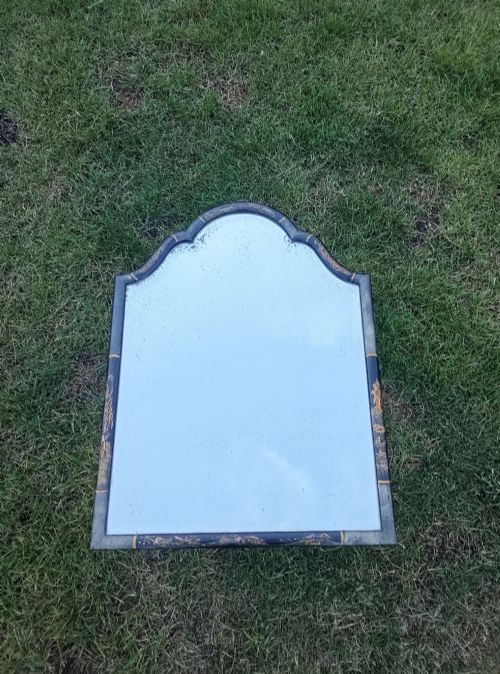
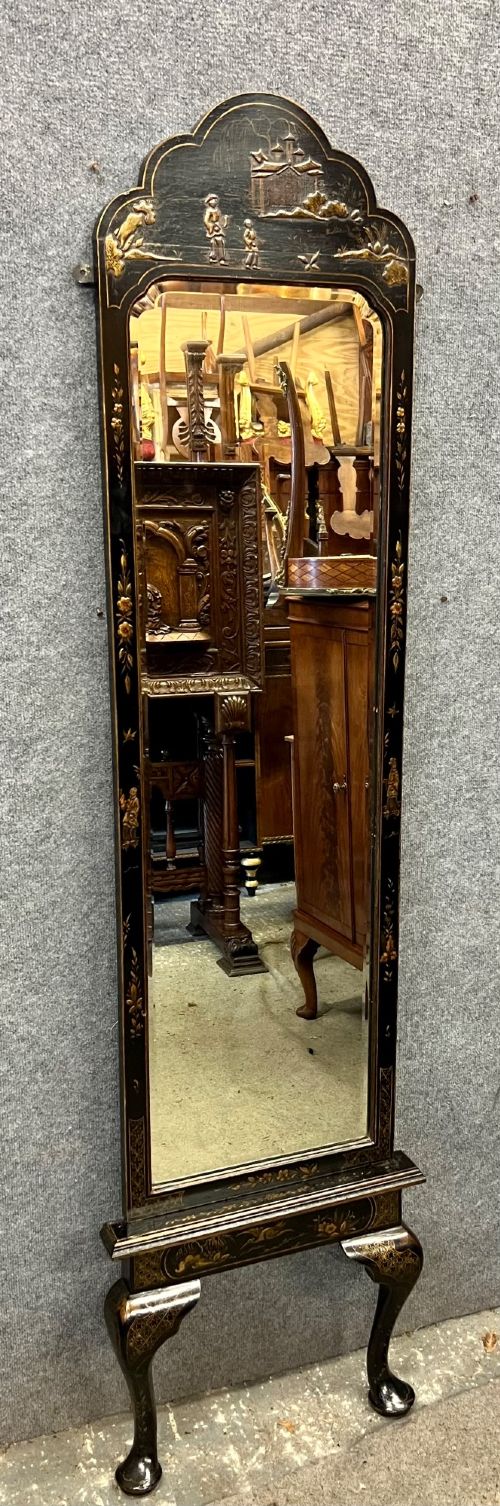
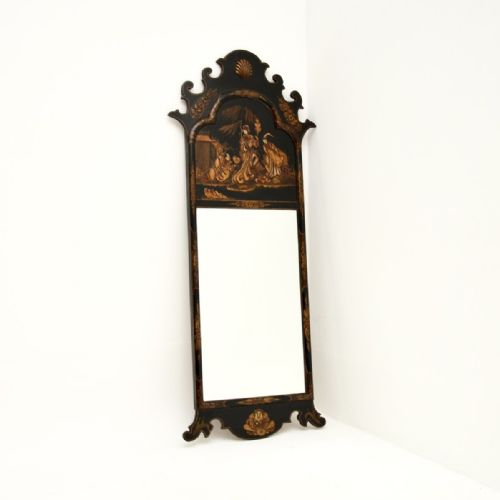
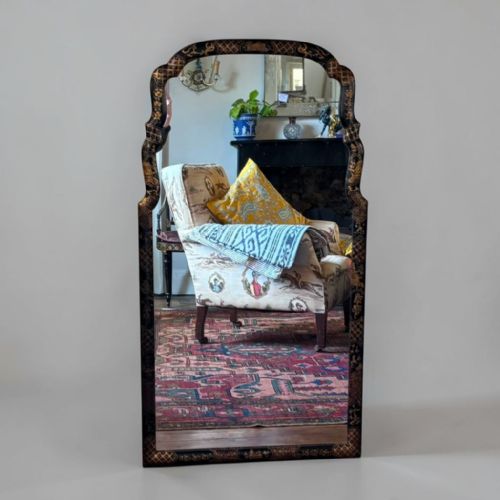
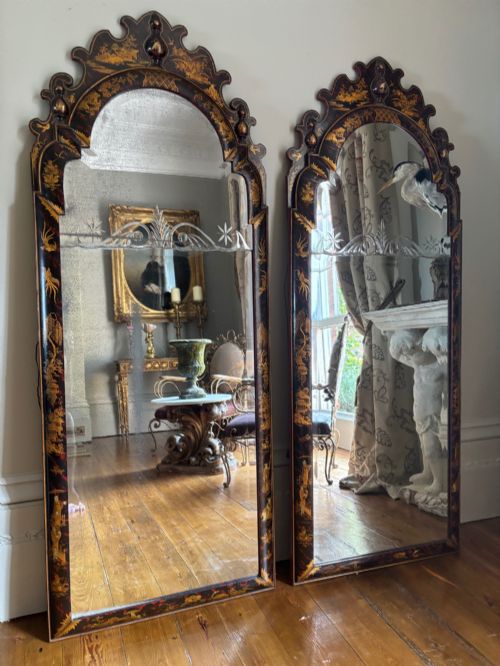
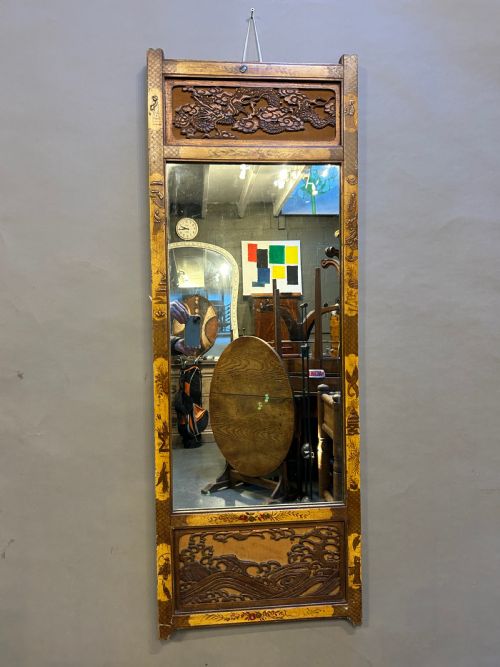
A lacquer pier glass is a tall wall mirror designed specifically to hang on the narrow wall space between windows, known as the pier. These vertical looking glasses serve both to bounce daylight around an interior and to add a decorative focal point to a room.
The pieces found here span the nineteenth and early twentieth centuries, drawing heavily on earlier aesthetic revivals. The selection includes works executed in styles such as Chinoiserie, Queen Anne Revival, and George I Revival, reflecting historic tastes adapted by later makers.
Beyond standard wall mirrors, the category encompasses specific forms like hall mirrors and pier wall mirrors. Buyers also encounter related display furniture utilising similar finishes, such as Victorian pier cabinets and ebonised display pieces.
How they were made
Construction relies on timber foundations, often employing ebonised wood or general timber frames to support the weight of heavy mirror glass. Craftsmen applied layers of lacquer to achieve a smooth, glossy surface suitable for intricate painted motifs and gilt embellishments.
Many examples incorporate gold leaf and ormolu mounts to highlight architectural details and enrich the visual texture of the frame. Original bevelled glass and mirror glass plates are fitted within these constructed housings, often secured with traditional joinery methods appropriate to their period.
Lacquer Pier Glass Retail Price Guide 2026
Typical asking prices for lacquer pier glass among the pieces listed under this phrase on Sellingantiques today, from the lower quarter to the upper quarter. They describe what is for sale here now, not the wider market.
Materials recorded across these pieces include ebonised wood, gold leaf, ormolu mounts, and original bevelled mirror glass.
What varies in quality
Quality in a lacquer pier glass rests upon the depth and finesse of the surface finish rather than simply the age of the item. Finer examples display meticulous hand-painted Chinoiserie detailing with crisp lines and layered varnishing, whereas simpler versions show more rudimentary application.
The integrity of the frame construction and the preservation of the original mirror glass or gilt highlights also dictate the standing of a piece. Well-preserved surfaces retain their lustre and detail without heavy obscuring overpaint, marking out superior workshops from mass production.
The Lacquer Pier Glass Glossary
- Pier glass
- A tall mirror designed to hang on the pier wall between two windows. These pieces were historically positioned to maximise reflected light in formal reception rooms.
- Chinoiserie
- European artistic style that reflects Chinese decorative traditions. This aesthetic heavily influences the painted scenes found on the lacquer frames.
- Ebonised wood
- Timber treated to resemble ebony through staining or finishing. This dark, uniform surface provides a strong contrast to gilt decoration.
- Japanning
- European imitation of East Asian lacquerwork involving layered varnishes and raised motifs. It is the primary finishing technique seen on many revival mirrors in this selection.
Lacquer Pier Glass: Frequently Asked Questions
Where should I hang a pier glass?
A pier glass is traditionally hung on the narrow wall space between two windows to reflect natural light into the centre of a room. They also work effectively above hallway console tables or drawing room mantelpieces.
Because of their vertical proportions, these mirrors help create an impression of greater ceiling height and spatial depth in smaller or darker interiors.
How do I care for antique lacquer?
Antique lacquer surfaces require gentle treatment using a soft, dry microfibre cloth to remove dust. Avoid chemical sprays, abrasive cleaners, or excess moisture, which can damage the delicate varnished finish.
Keep these mirrors away from direct sunlight and fluctuating heat sources to prevent the wood underneath from expanding and cracking the lacquer.
How can I tell the period of a mirror?
Dating a mirror involves examining the construction of the wooden frame, the composition of the glass plate, and the style of the decoration. Nineteenth and early twentieth-century revival pieces often adopt earlier Queen Anne or George I motifs but employ period-specific joinery and materials.
Looking closely at the backboards, fixings, and the bevelling of the mirror glass provides further clues regarding whether a piece is an authentic nineteenth-century creation or an early twentieth-century interpretation.