







Antique Lacquer Side Table
An antique lacquer side table brings depth, rich colour and hand-painted detail into a room through centuries of decorative tradition.
Antique Lacquer Side Table
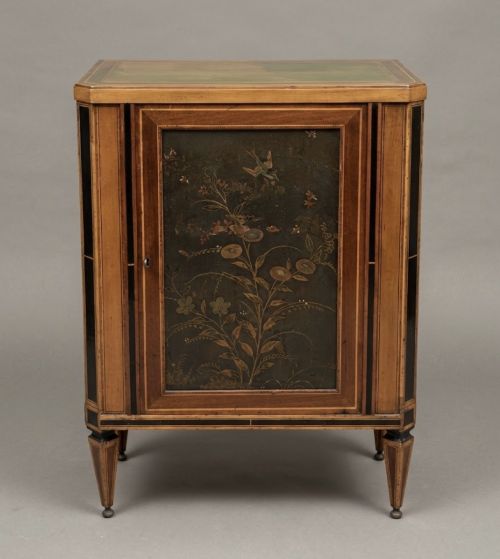
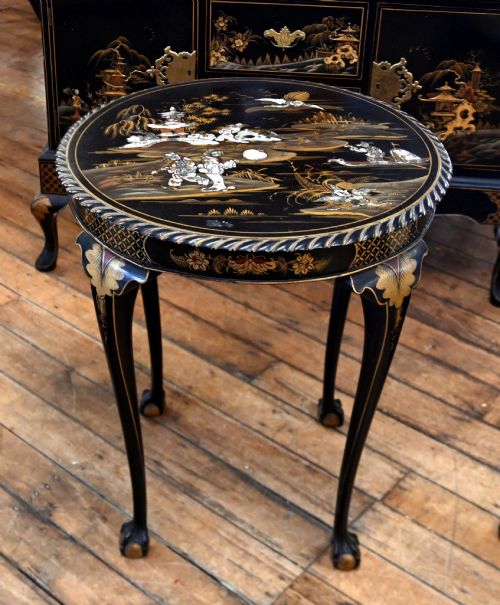
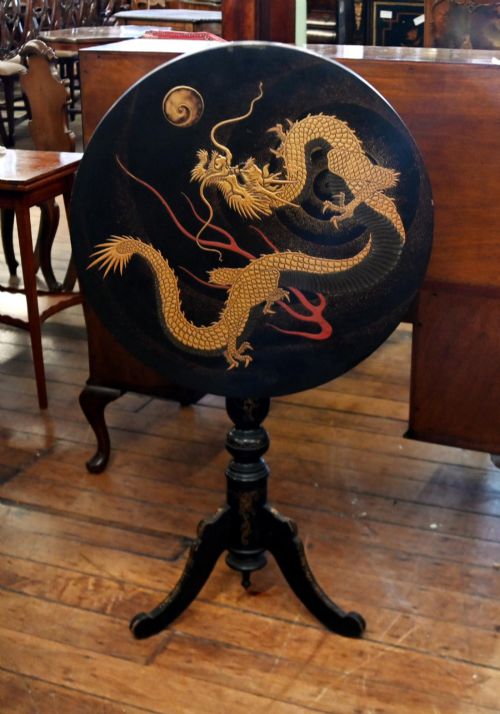
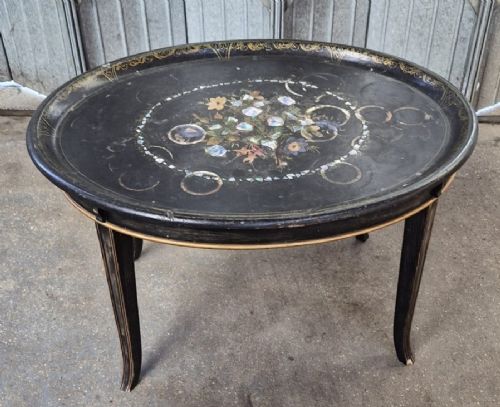
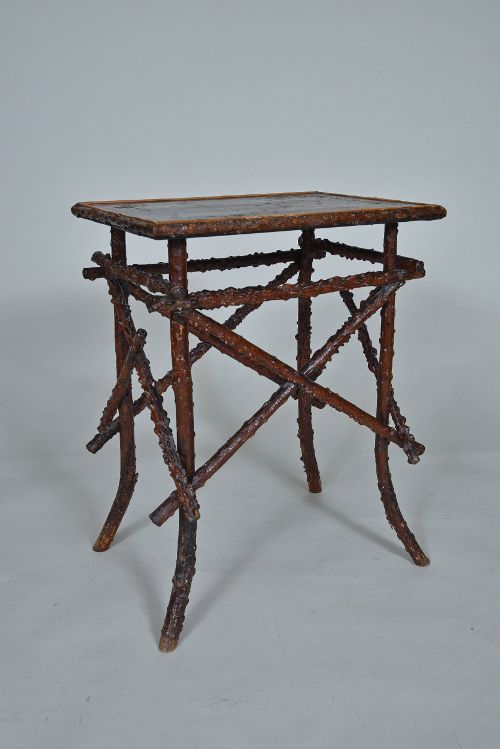
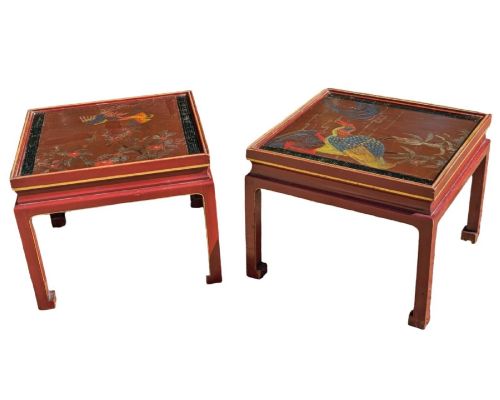
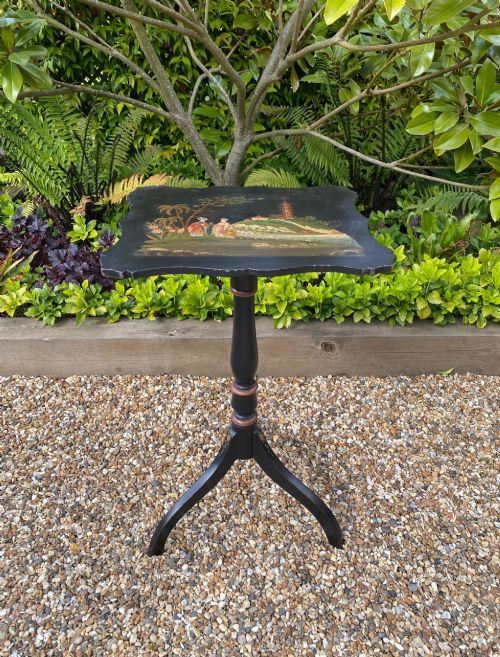
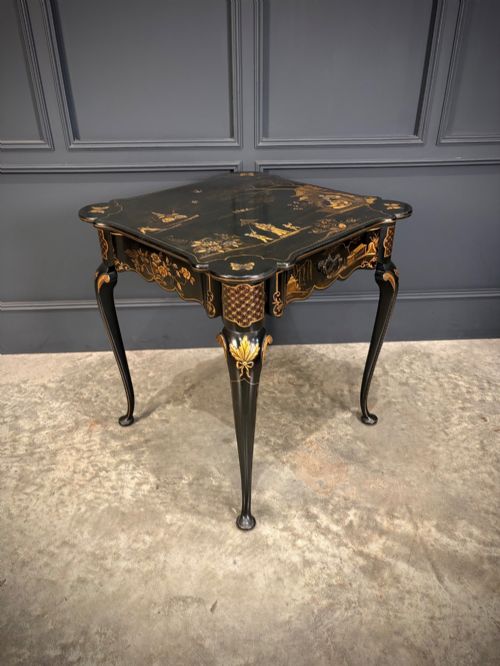
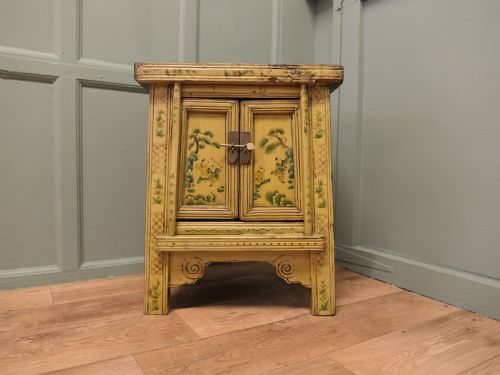
An antique lacquer side table combines utility with decorative artistry, appearing in forms such as tripod tables, nest of tables, and occasional tables. These pieces frequently draw upon Chinoiserie and Aesthetic Movement styles, incorporating painted or japanned surfaces that reflect diverse global influences.
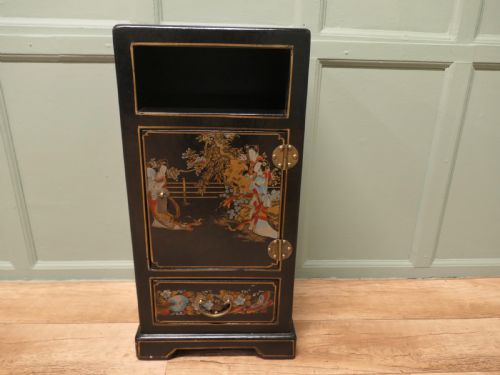
You will most commonly encounter pieces originating from the 19th century and the early decades of the 20th century. Surfaces range from deep black and vibrant red grounds to cream finishes, often decorated with gilt motifs depicting figures, landscapes, or floral arrangements.
While primarily designed as side or occasional tables, the category encompasses related forms like tray tables and tilt-top tables. They serve as functional display surfaces that anchor a room with distinct historic character.
Materials and construction
Construction relies on wood foundations, including elm and bamboo, which are built into forms like tripod bases, chests, and folding stands. Artisans applied layers of lacquer or japanning to the timber, creating a smooth base for subsequent ornamentation.
Decoration involved paint, gold leaf, and gilt detailing applied by hand to build up intricate pictorial scenes. Some examples incorporate brass fittings, leather inserts, or papier-mâché components to enhance the structural and visual complexity of the table.
Antique Lacquer Side Table Retail Price Guide 2026
Typical asking prices for lacquer side table among the pieces listed under this phrase on Sellingantiques today, from the lower quarter to the upper quarter. They describe what is for sale here now, not the wider market.
Carved wooden lacquer elephants stand ready to support your belongings alongside traditional tables.
What separates examples
Quality rests in the execution of the surface decoration and the preservation of the original finish. Finer examples display precise hand-painted or gilt details with clear depth, whereas lesser pieces show flat, uniform application or heavy later repainting.
The integrity of the underlying woodwork and the crispness of turned bamboo or carved elements dictate the structural standard. Tables that retain their authentic surface patination and stable joinery command greater appreciation among collectors.
The Antique Lacquer Side Table Glossary
- Chinoiserie
- European theatrical interpretation of Chinese and East Asian artistic traditions. This style dominates many decorative tables through motifs of landscapes, pagodas, and figures.
- Japanning
- European imitation of East Asian lacquerwork developed in the 17th and 18th centuries. Craftsmen used layered varnishes and metallic dust to simulate Asian finishes on domestic furniture.
- Papier-mâché
- A composite material made from paper pulp or reinforced sheets mixed with binding agents. Pressed into moulds, it formed sturdy trays and table tops finished with lacquer and paint.
- Tripod table
- A small freestanding table supported by a central pillar above three splayed legs. This form allowed for tilt-top mechanisms found on numerous occasional tables.
- Etagere
- A set of open tiered shelves designed for displaying small objects or serving drinks. These multi-level pieces often combine lacquered surfaces with brass supports.
Antique Lacquer Side Table: Frequently Asked Questions
How do I clean an antique lacquer table?
Dust the surface gently with a soft, dry cloth to prevent scratching the delicate finish. Avoid using modern chemical polishes, water, or abrasive cleaners that can damage the historic lacquer or gilt decoration.
For stubborn grime, consult a professional conservator rather than attempting DIY restoration. Keeping the table away from direct sunlight and extreme temperature fluctuations preserves the integrity of the materials.
Are these tables suitable for daily use?
These tables function well for holding lamps, books, or drinks provided you use coasters and placemats. Mind that historical surfaces are softer than modern polyurethane finishes and scratch or mark more easily.
Placing them out of high-traffic areas prevents accidental knocks to fragile edges or protruding bamboo and gilt elements. Gentle handling ensures the decorative finish survives for future decades.
How can I tell the period of a lacquer table?
Examine the construction methods, wood types, and wear patterns visible on the underside and joints of the piece. 19th-century and early 20th-century items often display hand-cut joinery and natural ageing in the lacquer layer.
Stylistic cues such as Aesthetic Movement bamboo frames or Regency ebonised finishes help narrow down the decade of manufacture. Comparing the decorative motifs against documented periods provides further confirmation of age.
What is the difference between lacquer and japanning?
True Asian lacquer utilises processed sap from the toxicodendron vernicifluum tree, applied in numerous cured layers. Japanning is the European response, achieved using shellac, varnishes, and heat-cured paints to mimic the glossy Asian export wares.
Both techniques create hard, lustrous decorative surfaces that feature heavily in antique side tables. Visual inspection of the crazing and brushwork reveals which technique the craftsman employed.